The Best Corporate Fueling Credit Cards for Your Fleet in 2026
Choosing the best corporate fueling credit card involves balancing network accessibility, data-rich reporting, and specialized spend controls that standard business cards lack. For most fleets in 2026, the WEX Fleet Card remains the to...
Choosing the best corporate fueling credit card involves balancing network accessibility, data-rich reporting, and specialized spend controls that standard business cards lack. For most fleets in 2026, the WEX Fleet Card remains the top universal choice for network size, while fintech options like Coast offer superior modern software integration and fraud prevention.
Contents
Managing a commercial fleet in 2026 requires more than just a way to pay for gas. With fluctuating energy prices, the transition toward mixed-energy fleets (ICE and EV), and the increasing sophistication of fuel theft, the "best" card is one that provides a comprehensive management ecosystem. Unlike standard business credit cards, dedicated corporate fuel cards capture Level 3 telematics data, which includes driver IDs, odometer readings, and vehicle-specific identifiers. This data is the backbone of efficient fleet operations, enabling automated IFTA (International Fuel Tax Agreement) reporting and identifying "slippage"—the industry term for unauthorized spending or fuel theft.
Understanding the Core Architecture of Fleet Fueling Cards
Before selecting a provider, it is essential to distinguish between a standard business credit card and a dedicated fleet fuel card. While an American Express or Chase business card may offer "cash back" on gas, they typically fail to provide the granular control required for professional fleet management.
The Importance of Level 3 Data
Level 3 data is the specific set of transaction details passed from the point of sale (POS) to the card issuer. In a fueling context, this includes the number of gallons pumped, the fuel grade, the vehicle’s odometer reading, and the unique ID of the driver. Without this, fleet managers cannot accurately calculate Cost Per Mile (CPM) or identify vehicles that are underperforming due to mechanical issues or aggressive driving.
Spend Controls and Fraud Prevention
Standard credit cards are relatively permissive. Fleet cards, however, allow for "hard controls." You can restrict a card so it only works during business hours (e.g., 6:00 AM to 6:00 PM), limit the number of transactions per day, or restrict purchases strictly to "fuel only," preventing drivers from buying snacks or lottery tickets inside the station. In 2026, many providers have integrated geofencing, where a transaction is only approved if the vehicle’s GPS coordinates match the gas station’s location.
Top Corporate Fueling Cards: 2026 Comparison
The following providers represent the leaders in the space, categorized by their primary strengths.
| Provider | Best For | Network Size | Primary Benefit |
|---|---|---|---|
| WEX Fleet Crossroads | Universal Acceptance | 95% of U.S. Stations | Industry-standard reporting & IFTA tools. |
| Coast | Modern Tech & Ease of Use | Universal (Visa) | Real-time SMS alerts and no personal guarantee. |
| Fuelman | Local/Regional Fleets | 50,000+ Stations | Deep rebates and tax-exempt fueling options. |
| AtoB | Heavy Trucking & OTR | Universal (Visa) | Competitive fuel discounts and driver payroll. |
| Shell Fleet Navigator | Brand Loyalty | Shell + 95% Universal | Maximum rebates at Shell-branded locations. |
| BP Business Solutions | Volume Rebates | BP/Amoco + Universal | Scaled rebates for high-consumption fleets. |
1. WEX Fleet Cards: The Industry Standard
WEX has long been the dominant player in the fleet fueling space. Their primary advantage is the WEX Edge ecosystem. In 2026, WEX remains the most reliable option for large-scale operations that require high-level integration with existing telematics providers like Geotab or Samsara.
Why it stands out: The reporting capabilities are unparalleled. WEX provides pre-formatted reports for IFTA, which can save administrative teams hundreds of hours during quarterly filings. Furthermore, their "Universal" card is accepted at nearly every fuel station in the United States, meaning drivers never have to go out of their way to find a specific brand, reducing "out-of-network" deadhead miles.
Limitations: WEX typically charges monthly card fees (often around $2 to $10 per card) and may have stricter credit requirements compared to newer fintech challengers.
2. Coast: The Leader in Modern Fleet Software
Coast has disrupted the traditional fuel card market by focusing on the user experience of both the manager and the driver. Built on the Visa network, it is accepted anywhere Visa is taken, which includes not just gas stations but also maintenance shops and tire centers.
Why it stands out: Coast’s standout feature in 2026 is its security protocol. When a driver arrives at a pump, they receive a secure prompt on their mobile device or must enter a code that is validated against real-time data. This virtually eliminates the risk of card skimming, a major problem for traditional "mag-stripe" fuel cards. Additionally, Coast often allows for business-only credit underwriting, meaning the business owner may not need to provide a personal guarantee.
Limitations: Because it relies on the Visa network, it may not always offer the same deep "per-gallon" rebates that brand-specific cards (like Shell or BP) provide through their proprietary networks.
3. Fuelman: Optimized for Cost Savings
Fuelman operates on a closed-loop or semi-private network. While this means it isn't accepted everywhere, the stations that do accept it (the Fuelman Discount Network) offer significant rebates that are often higher than those of universal cards.
Why it stands out: For businesses operating in specific regions where Fuelman-affiliated stations (like Speedway, Sunoco, or 7-Eleven) are prevalent, the savings can be substantial—often 5 to 10 cents per gallon. They also offer specialized cards for tax-exempt organizations, such as non-profits or municipal fleets, which automatically strip out federal and state fuel taxes at the point of sale.
Limitations: The primary drawback is network coverage. Drivers may occasionally struggle to find a Fuelman-accepting station in rural or unfamiliar areas, leading to frustration or the need to use a backup payment method.
4. AtoB: Built for Long-Haul Trucking
AtoB has positioned itself as the go-to card for heavy-duty trucking (OTR) and logistics companies. In 2026, they have expanded their services to include "fueling as a service," integrating driver payroll and carrier identity into the same platform.
Why it stands out: AtoB offers a "No Fee" card option that provides access to competitive truck stop discounts (at TA, Petro, and others) without the monthly overhead of traditional providers. Their platform is specifically designed to handle the high-dollar transactions typical of Class 8 trucks, which can easily exceed $500 per fill-up.
Strategic Considerations for Fleet Managers
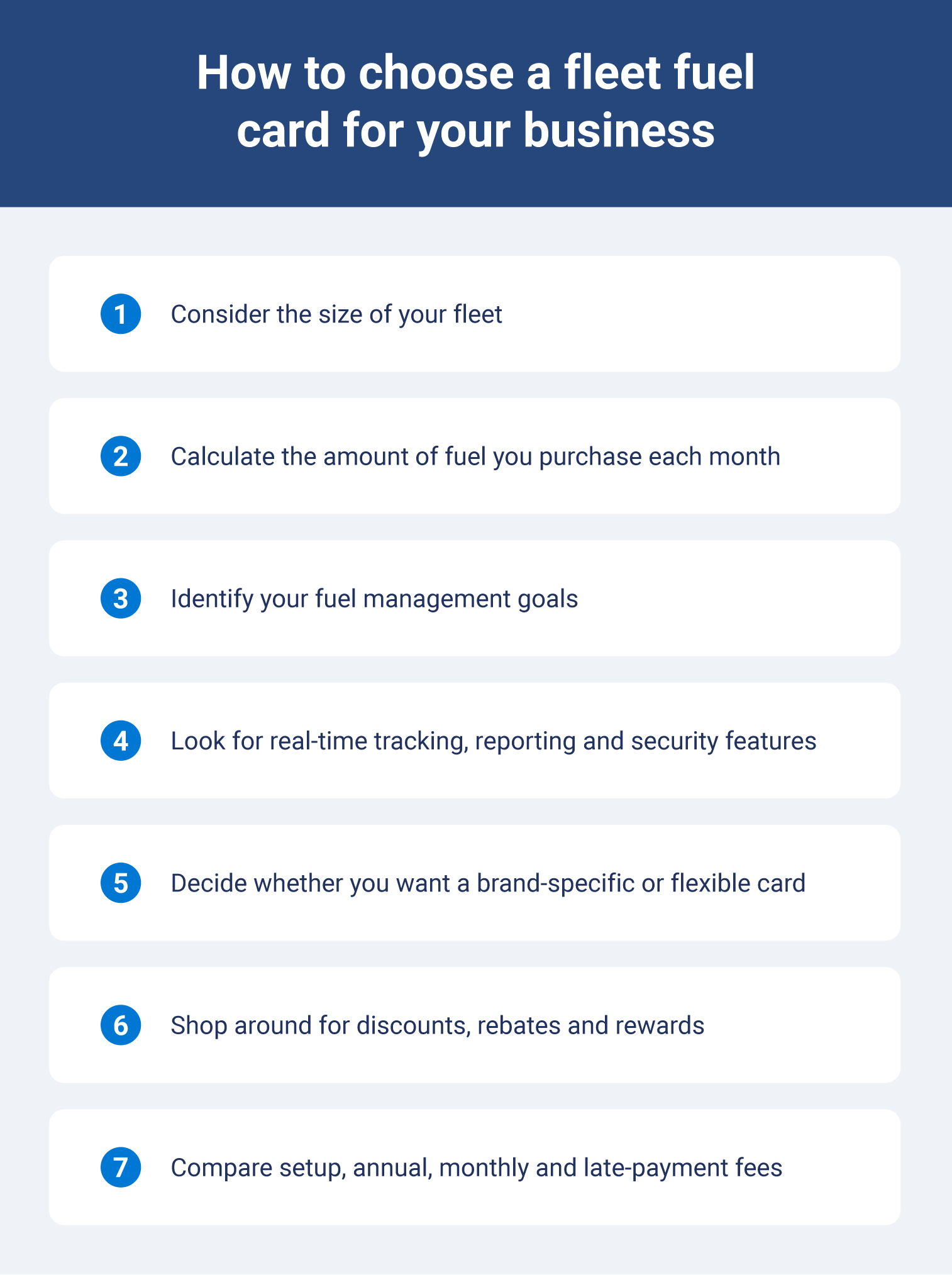
Choosing a card is only the first step. To maximize the value of a corporate fueling program, companies must implement strict internal policies.
Mitigating Fuel Theft and Slippage
Fuel theft is not always a stranger skimming a card at a pump; often, it is "internal slippage," where a driver fills up a personal vehicle or buys non-fuel items. By using a card with Driver ID (PIN) requirements, you ensure that every gallon is tied to a specific employee. Advanced cards in 2026 now flag "irregular fuelings"—for example, if a vehicle with a 20-gallon tank suddenly reports a 25-gallon fill-up, the manager receives an instant alert.
Managing the ICE-to-EV Transition
As we move through 2026, more fleets are becoming "mixed," consisting of traditional internal combustion engines (ICE) and electric vehicles (EV). The best corporate cards now offer unified billing for both fuel and EV charging. Look for providers that have partnerships with major charging networks (like ChargePoint or EVgo) so that your monthly statement shows both "gallons" and "kWh" in one place.
Credit Limits and Cash Flow
Corporate fuel cards are typically charge cards, meaning the balance must be paid in full every month or even every week. This is different from a "revolving" credit card. This structure is actually a benefit for many fleets, as it encourages disciplined expense management and often comes with higher credit limits than a revolving card would allow, which is crucial when fuel prices spike.
Common Mistakes When Choosing a Card
- Chasing Rebates over Coverage: A 10-cent rebate is worthless if your driver spends $15 in labor and fuel idling while searching for a specific station brand. Prioritize network acceptance unless your fleet stays on a very fixed local route.
- Ignoring Maintenance Capabilities: Many modern fuel cards also allow for "Level 3" data at maintenance shops. If your card only works at the pump, you are missing out on the ability to track the total cost of ownership (TCO) for your vehicles.
- Failing to Integrate Telematics: If you already use a GPS tracking system, ensure your fuel card can "talk" to it. This integration allows the system to automatically verify that the vehicle was actually at the pump when the card was swiped.
Frequently Asked Questions
Do corporate fuel cards require a personal guarantee?
In 2026, many fintech providers like Coast and AtoB offer options for established businesses to qualify based on their corporate credit profile (EIN) rather than the owner's personal credit score. However, smaller businesses or startups may still be required to provide a personal guarantee to secure a sufficient credit line.
How do fuel cards help with IFTA reporting?
IFTA requires carriers to report fuel purchases and miles driven by jurisdiction (state/province). Leading fuel cards like WEX and Fuelman track exactly where fuel was purchased and provide electronic logs that can be uploaded directly into IFTA filing software, eliminating the need for drivers to save physical paper receipts.
Can I restrict my drivers to "Fuel Only" purchases?
Yes, this is a standard feature of most dedicated corporate fuel cards. You can set the "MCC" (Merchant Category Code) restrictions so the card is declined if the driver attempts to use it for food, beverages, or general merchandise inside the convenience store.
Are there fees associated with these cards?
Fees vary significantly. Traditional providers (WEX, Enterprise) often charge a monthly fee per card. Fintech providers (Coast, AtoB) may offer "no-fee" models but might have different rebate structures or earn money through interchange fees paid by the merchants.
How long does it take to get a fleet card?
Most digital-first providers can approve an application within 24 to 48 hours. Once approved, physical cards are usually mailed within 3-5 business days. Many providers also offer "virtual cards" that can be used immediately via a mobile wallet for certain types of purchases.
Final Recommendation
For a diversified fleet requiring maximum flexibility and robust reporting in 2026, the WEX Fleet Card remains the benchmark for large-scale operations. However, for small to mid-sized businesses (SMBs) that value a modern software interface and better fraud protection without the legacy fees, Coast is the superior modern alternative. Before signing a contract, audit your fleet's typical routes to ensure the card’s network aligns with the stations your drivers already frequent.
Image Gallery