Understanding and Managing Foundation Repair in Lubbock TX
Lubbock’s unique geological profile, characterized by expansive clay soils and semi-arid weather, frequently leads to structural foundation movement. Homeowners must monitor for signs like sticking doors, diagonal wall cracks, and unev...
Lubbock’s unique geological profile, characterized by expansive clay soils and semi-arid weather, frequently leads to structural foundation movement. Homeowners must monitor for signs like sticking doors, diagonal wall cracks, and uneven floors. Addressing these issues early through professional structural assessment and appropriate piering or stabilization methods prevents long-term devaluation and safety hazards.
Contents
The Geological Reality of Lubbock Foundations
Lubbock sits atop a landscape heavily influenced by the presence of expansive clay, specifically soils that undergo significant volume changes based on moisture content. During the dry, hot summers typical of the South Plains, these soils shrink, causing the soil beneath a structure to lose its support capacity. Conversely, during periods of heavy, localized rainfall, the clay absorbs moisture and expands, exerting immense upward pressure against the concrete slab or pier-and-beam foundation.
This cycle of shrinking and swelling is the primary cause of structural distress in residential and commercial buildings across the city. When soil movement is uneven—a phenomenon often called differential settlement—it creates stress points in the foundation. Over time, these stresses manifest in the architectural elements of the home. Understanding that the soil itself is "moving" is the first step for any property owner; the foundation is usually not "broken" in the traditional sense, but rather displaced by the shifting earth beneath it.
Recognizing Early Warning Signs
Foundation issues rarely appear overnight. They are usually progressive, and early detection is the single most effective way to minimize repair costs. While minor hairline cracks in a garage floor may be standard curing shrinkage, specific patterns indicate structural failure:
- Vertical or Diagonal Cracks: Cracks that run diagonally from the corners of windows or doors often signal that the house frame is being pulled out of square by a settling corner.
- Sticking Doors and Windows: If doors that previously functioned correctly now bind, stick, or refuse to latch, this is a classic indicator that the wall frame has shifted.
- Floor Slope: A noticeable tilt in floors, especially in kitchens or bathrooms, suggests that a pier or a section of the slab has subsided.
- Separation: Gaps between the brick veneer and window frames, or visible gaps between baseboards and the floor, indicate that structural components are pulling away from each other.
Professional Assessment: What to Expect
Before committing to any repair, a property owner should engage in a formal, objective evaluation. In the state of Texas, residential foundation repair companies often provide "free estimates," but it is vital to distinguish between a sales-driven inspection and an engineering assessment.
A structural engineer, independent of any foundation repair firm, can provide a non-biased report. This professional will conduct a floor-level survey using high-precision digital levels to map the elevation changes throughout the structure. They will analyze the drainage patterns around the perimeter, assess the vegetation—as large trees can aggressively compete for soil moisture near the foundation—and review the overall structural integrity of the building. Armed with an engineer’s report, a homeowner can solicit competitive bids for repairs based on a specific, prescribed scope of work.
Common Foundation Repair Methodologies
When the need for intervention is confirmed, several methods are standard for the Lubbock market. The chosen method depends on the weight of the structure, the depth of the stable soil layer, and the budget.
Steel Pier Systems
Steel piers are considered the gold standard for long-term stability. They are driven deep into the earth until they reach bedrock or a load-bearing strata of soil that is unaffected by the surface moisture cycles. They offer the highest degree of support for heavy masonry or multi-story structures.
Concrete Pressed Pilings
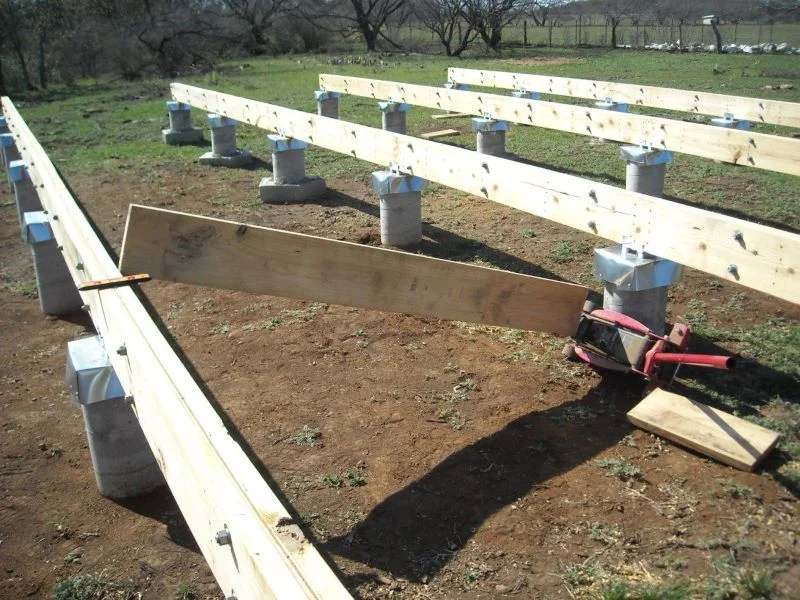
This is a more economical, traditional method where pre-cast concrete cylinders are pushed into the ground beneath the foundation. While effective for many residential applications in the region, they rely on friction and the density of the soil layers to provide support, making them potentially less reliable than steel in extremely volatile clay conditions.
Mudjacking and Polyurethane Injection
These methods involve injecting material beneath the slab to fill voids created by soil shrinkage. Mudjacking uses a grout mixture, while polyurethane involves a structural foam that expands to lift and stabilize the concrete. These are generally used for stabilizing flatwork (driveways, sidewalks) or as a complementary service to address soil voids.
| Method | Best Use Case | Expected Longevity | Relative Cost |
|---|---|---|---|
| Steel Piers | Permanent structural stabilization | Very High | High |
| Concrete Pilings | Standard residential homes | High | Moderate |
| Polyurethane | Void filling and slab lifting | Moderate | Low to Moderate |
Preventive Maintenance: Managing the Moisture Cycle
Repairing a foundation is only half the battle; preventing recurrence is equally important. Given Lubbock’s climate, moisture management is the homeowner's most powerful tool.
- Drainage Control: Ensure that the soil grade slopes away from the foundation at a minimum of 6 inches over the first 10 feet. Downspouts should extend at least 5 feet from the structure to prevent water from pooling against the perimeter beam.
- Vegetation Management: Large trees, particularly those with thirsty root systems, should be kept at a distance from the foundation. If a tree must remain, consider installing a root barrier to prevent the roots from extracting water from beneath the home, which would accelerate soil shrinkage.
- Consistent Soil Moisture: In extreme droughts, some experts recommend using a "soaker hose" system placed 12–18 inches away from the foundation. This keeps the moisture levels of the clay consistent throughout the dry summer months, preventing the rapid drying and shrinking that leads to foundation movement. However, this must be done carefully to avoid over-saturation, which can be just as damaging as excessive drying.
Legal and Safety Considerations in Texas
In Texas, it is important to verify that any contractor working on a foundation is properly insured. Ask for a Certificate of Insurance (COI) that covers both general liability and, crucially, worker’s compensation. Foundation work involves heavy machinery and hazardous conditions; if an uninsured worker is injured on your property, the liability could rest with the homeowner.
Furthermore, ensure that the contractor is willing to obtain any required municipal permits for work performed within Lubbock city limits. Building codes ensure that the repair work meets minimum safety standards for structural load bearing.
Frequently Asked Questions
Is it normal to see cracks in my foundation?
Not all cracks indicate structural failure. Hairline cracks in concrete are common due to the curing process. However, if a crack is wider than 1/8th of an inch, is jagged, or is actively growing, it requires a professional inspection to rule out active settlement.
Can I repair my own foundation?
Foundation repair is a complex engineering task involving the structural integrity of your home. It requires specialized heavy equipment and precise calculations regarding soil load and structural weight. DIY repairs are generally not recommended as they can lead to permanent structural damage or loss of home value.
Does homeowners insurance cover foundation repair?
Most standard homeowners insurance policies in Texas exclude "settling, shrinking, or expansion" of the foundation. They typically only cover foundation damage if it is caused by a "named peril" defined in the policy, such as a plumbing leak that causes soil saturation. Always check your specific policy declarations.
How long does the repair process take?
For a typical residential home, a standard piering job usually takes between 2 to 5 days, depending on the number of piers required and the accessibility of the work area. Larger, more complex projects or those requiring significant plumbing remediation may take longer.
What is the difference between underpinning and leveling?
Underpinning refers to the process of strengthening the foundation by extending it to more stable soil, usually with piers. Leveling is the objective of the repair, where the contractor attempts to bring the house back to a "level" position. Note that in many cases, the goal is "stabilization" (preventing further movement) rather than "total leveling," as trying to lift a house perfectly level can sometimes damage the interior finishings.
Recommendation for Next Actions
If you suspect your foundation is moving, do not wait for the symptoms to worsen. Start by performing a walk-through of your home and noting the location of all cracks and sticking doors. Once documented, contact a licensed, independent structural engineer in the Lubbock area to perform an evaluation. Avoid signing contracts with foundation repair companies until you have a third-party, written report that identifies exactly what is wrong and what engineering solution is required to fix it. This approach provides you with the leverage to ensure the work is done correctly and protects your largest financial asset.
Image Gallery