Ben Cohen: The Visionary Co-Founder of Ben & Jerry’s and Pioneer of Social Venture
Ben Cohen is the co-founder of Ben & Jerry’s Homemade Inc., an iconic American ice cream company established in 1978. As a pioneer of "values-led" business, Cohen integrated social activism and environmental stewardship into corporate...
Ben Cohen is the co-founder of Ben & Jerry’s Homemade Inc., an iconic American ice cream company established in 1978. As a pioneer of "values-led" business, Cohen integrated social activism and environmental stewardship into corporate operations, fundamentally changing how modern enterprises approach the "triple bottom line" of people, planet, and profit.
Contents
The Early Partnership of Ben and Jerry
The story of Ben Cohen is inseparable from that of his lifelong friend and business partner, Jerry Greenfield. The two met in a seventh-grade gym class in Merrick, New York, in 1963. Their bond was forged through a shared sense of being "outsiders" and a mutual love for food. While Greenfield eventually pursued a path toward medical school (which was unsuccessful), Cohen’s journey was more eclectic, involving stints as a craft teacher, a taxi driver, and a mopped-floor cleaner.
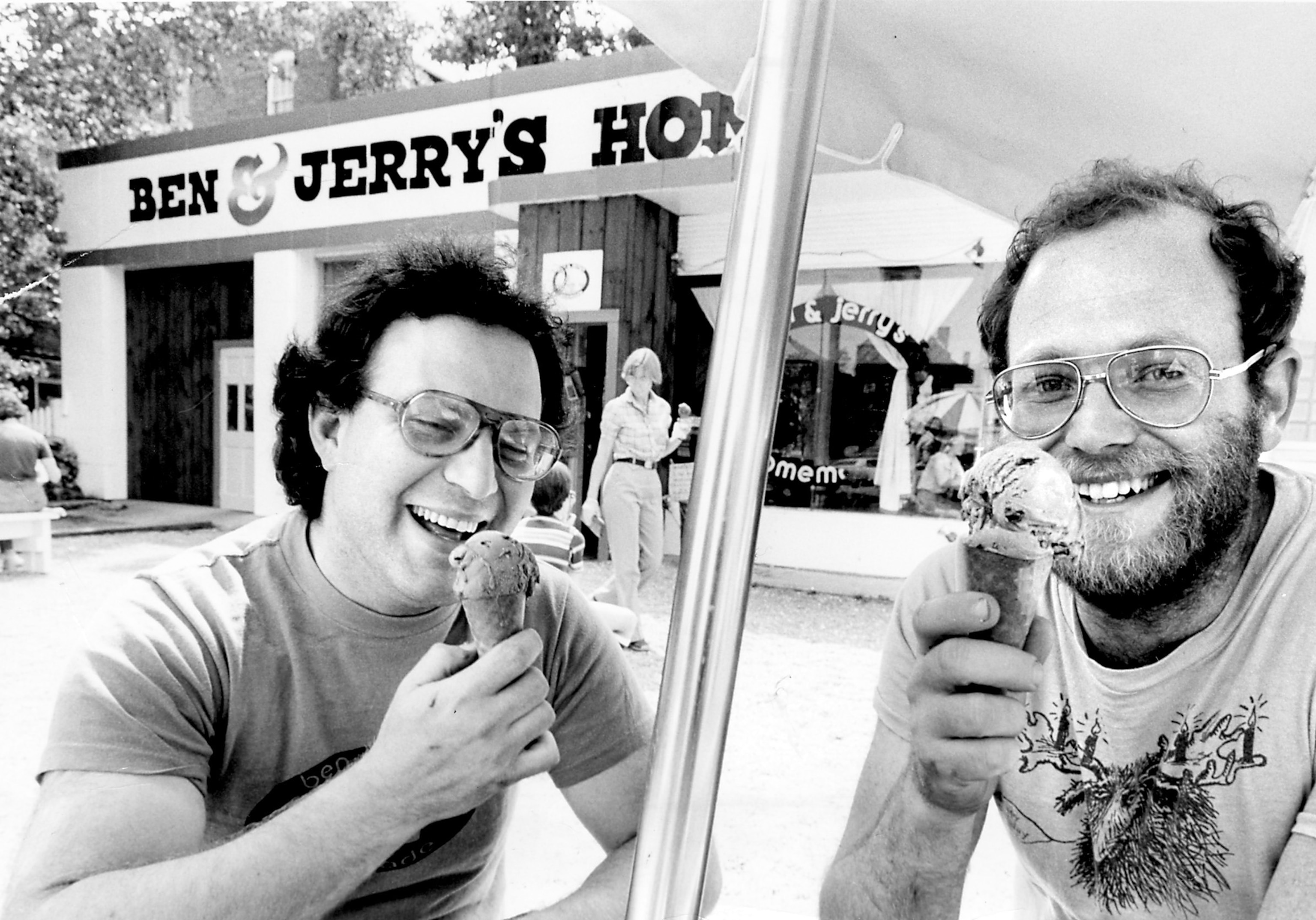
By the late 1970s, the duo decided to start a food business together. Originally considering bagels, they found the equipment too expensive and pivoted to ice cream. In 1978, after completing a $5 correspondence course on ice cream making from Pennsylvania State University, they opened their first "scoop shop" in a renovated gas station in Burlington, Vermont, using a $12,000 investment ($4,000 of which was borrowed).
The Technical Influence of Anosmia on Product Development
One of the most distinctive features of Ben & Jerry’s ice cream—its "chunky" texture—is a direct result of Ben Cohen’s physiology. Cohen suffers from anosmia, a condition characterized by a total or partial loss of the sense of smell. Since the sense of smell is responsible for approximately 80% of what we perceive as flavor, Cohen relied heavily on "mouthfeel" and texture to enjoy food.
To satisfy his own palate, Cohen insisted that the ice cream contain large chunks of cookies, candy, and nuts. This technical requirement forced the company to develop specialized machinery and production methods capable of incorporating large "inclusions" without clogging the flavor vats. This sensory limitation became the brand's primary competitive advantage, distinguishing it from the smoother textures of competitors like Häagen-Dazs.
The Triple Bottom Line and Social Mission
As the company grew throughout the 1980s, Cohen became the driving force behind its unique corporate structure. He believed that business has a responsibility to give back to the community. This philosophy was codified into a three-part mission statement:
- Product Mission: To make, distribute, and sell the finest quality all-natural ice cream.
- Economic Mission: To operate the company on a sustainable financial basis of profitable growth.
- Social Mission: To operate the company in a way that actively recognizes the central role that business plays in society by initiating innovative ways to improve the quality of life locally, nationally, and internationally.
The Five-to-One Salary Ratio
In an effort to ensure economic equity, Cohen implemented a "5-to-1" salary ratio. This policy mandated that the highest-paid employee could not earn more than five times what the lowest-paid employee earned. While this was a landmark experiment in corporate fairness, the company eventually had to abandon the policy in 1994 to attract a new CEO capable of managing their global expansion. Despite the policy's sunset, it remains a cornerstone of discussions regarding executive compensation and income inequality.
Corporate Governance and the Unilever Acquisition
The year 2000 marked a turning point for Ben Cohen and the brand. Despite Cohen and Greenfield's personal reservations, Ben & Jerry’s was sold to the multinational conglomerate Unilever for approximately $326 million. The sale was a complex legal maneuver because, as a publicly traded company at the time, the board had a fiduciary responsibility to accept the highest offer for shareholders.
However, Cohen was instrumental in negotiating a unique "Independent Board of Directors" as part of the acquisition agreement. This board remains responsible for protecting the brand’s integrity, quality, and social mission, functioning with a level of autonomy rarely seen in corporate acquisitions. This structure has allowed the brand to continue its advocacy on controversial issues—such as climate change, marriage equality, and criminal justice reform—even under the umbrella of a massive global parent company.
| Aspect | Ben Cohen’s Role & Influence | Jerry Greenfield’s Role & Influence |
|---|---|---|
| Primary Focus | Strategy, Social Mission, Activism | Operations, People, Product Quality |
| Product Style | Favored "chunks" and high texture due to anosmia | Focused on creaminess and traditional flavor balance |
| Corporate Philosophy | Aggressive social advocacy and political engagement | Internal culture, employee happiness, and morale |
| Post-2000 Status | Independent activist and social entrepreneur | Public ambassador and brand storyteller |
Advocacy and Political Engagement Post-Ice Cream
In the years following the sale, Ben Cohen transitioned from a corporate executive to a full-time activist. His work in 2026 continues to focus on systemic changes in the American political and economic landscape.
The Great American Peace Dividend
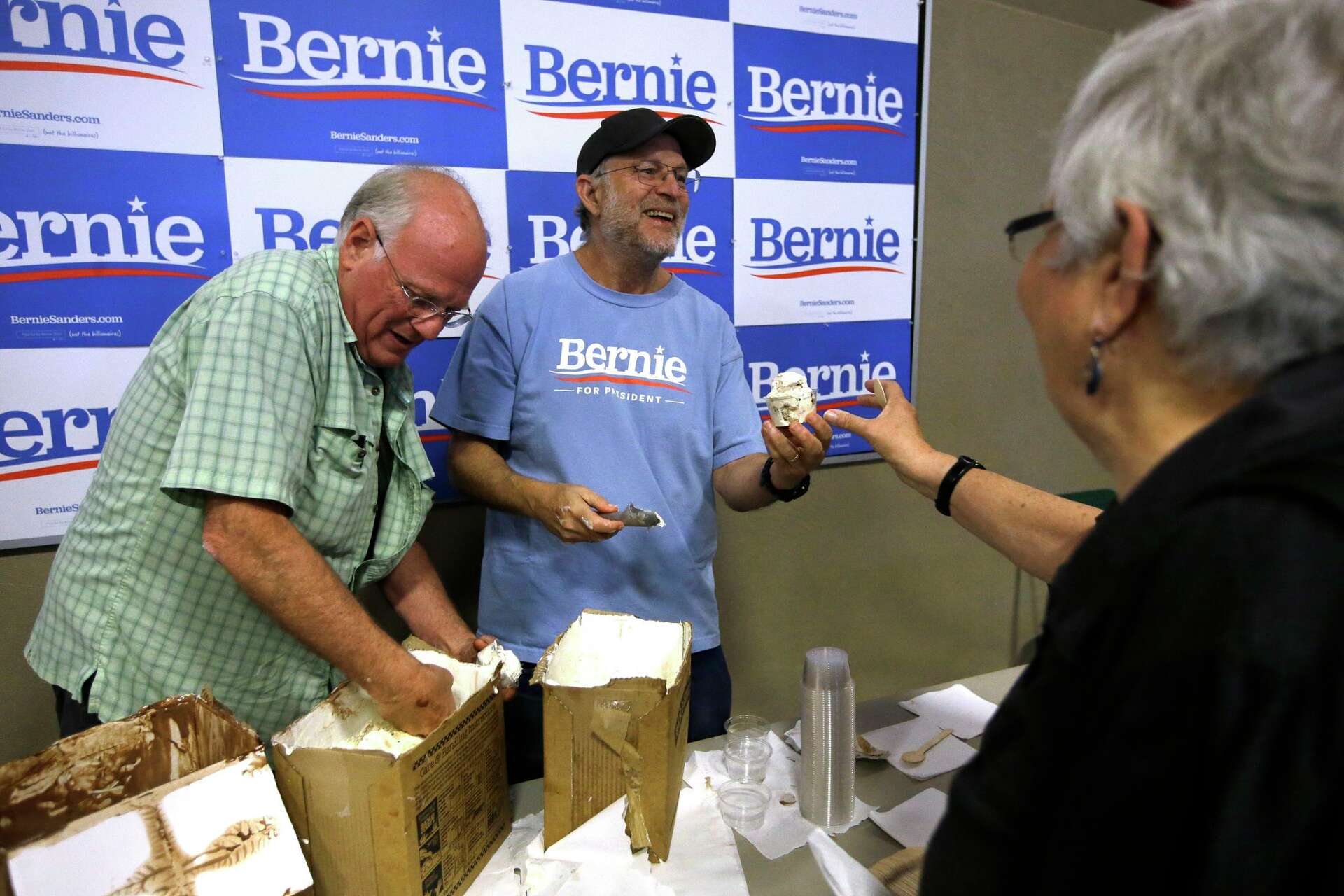
Cohen has been a vocal critic of what he views as excessive military spending. Through various campaigns, he has used visual aids—including stacks of Oreo cookies—to demonstrate the disparity between the U.S. defense budget and funding for education and healthcare. He advocates for a "Peace Dividend," arguing that redirecting a fraction of military spending could solve major domestic crises.
Stampede and Money in Politics
Through the organization Stamp Stampede, Cohen led a movement to stamp legal tender with messages such as "Not to be used for bribing politicians." The goal was to build a grassroots movement to pass a constitutional amendment to overturn Citizens United and reduce the influence of "dark money" in elections.
Criminal Justice Reform and "Ben's Best"
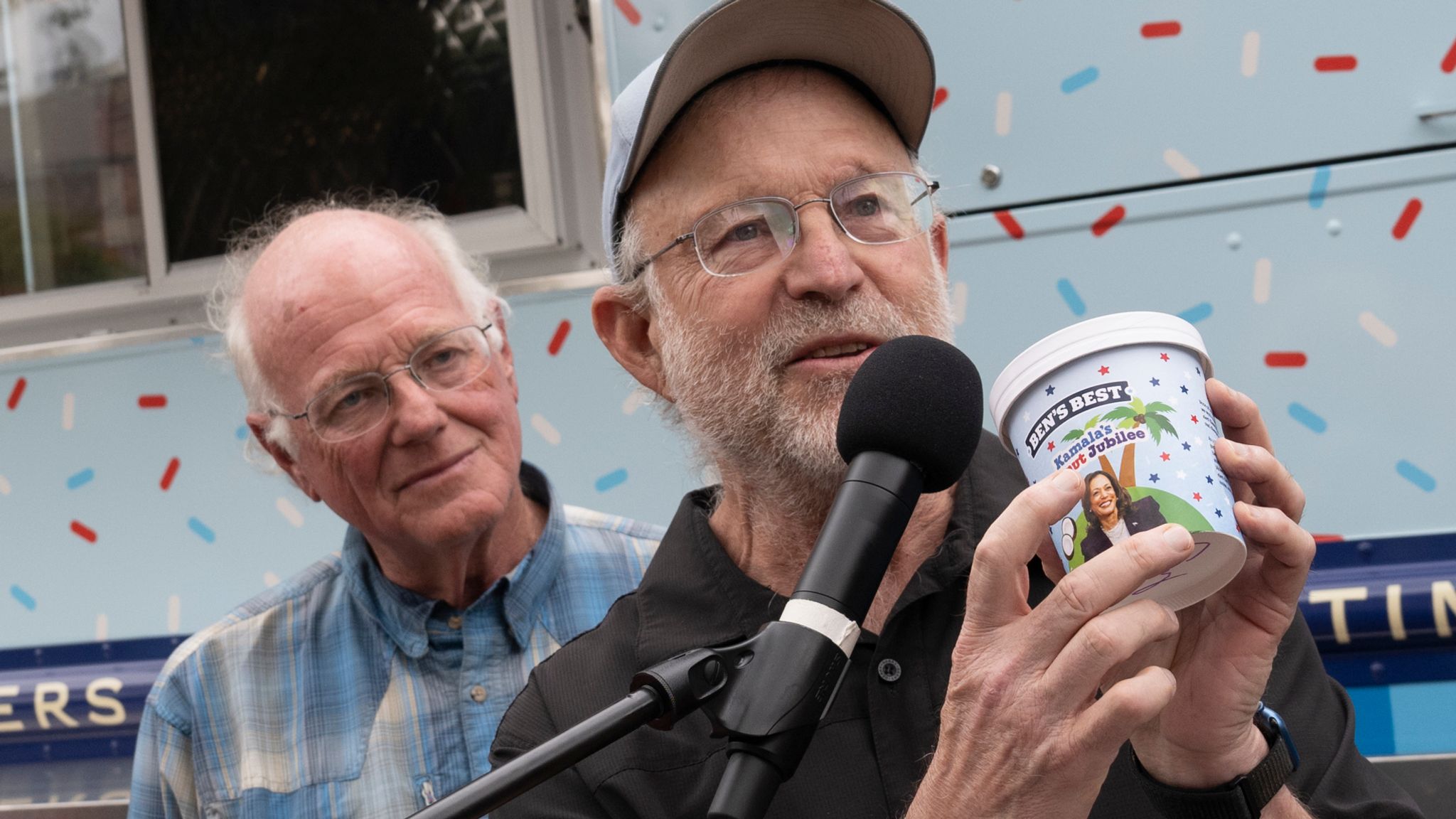
In recent years, Cohen has ventured into the legal cannabis industry with "Ben's Best Blends." True to his roots, this is a non-profit venture where 100% of the profits are dedicated to supporting Black-owned cannabis businesses and funding criminal justice reform, specifically targeting the disproportionate impact of drug laws on communities of color.
Key Historical Milestones
- 1978: First shop opens in Burlington, VT.
- 1984: "What's the Doughboy Afraid Of?" campaign—Cohen leads a legal and PR battle against Pillsbury (then owner of Häagen-Dazs) for attempting to block Ben & Jerry's distribution.
- 1985: The Ben & Jerry’s Foundation is established, with an initial gift of 50,000 shares of stock.
- 1988: Cohen receives the U.S. Small Business Persons of the Year award from President Ronald Reagan.
- 2000: Sale to Unilever; Cohen steps back from day-to-day management but maintains a presence as a "spiritual leader."
- 2021-2023: Cohen remains active in social justice, notably supporting the "Move to Amend" coalition.
Frequently Asked Questions
Does Ben Cohen still own Ben & Jerry's?
No, Ben Cohen does not own the company. It was sold to Unilever in 2000. While he and Jerry Greenfield no longer have management authority or veto power over the company's operations, they remain closely associated with the brand as founders and consultants for specific social mission projects.
Why does Ben & Jerry's have so many chunks?
The "chunkiness" of the ice cream is primarily attributed to Ben Cohen’s anosmia. Because he has a limited sense of smell and taste, he prioritized texture and "mouthfeel" in the early recipes. This led to the inclusion of large pieces of fruit, nuts, and chocolate, which became a signature characteristic of the brand.
What is Ben Cohen's net worth in 2026?
While exact figures fluctuate, Ben Cohen's net worth is estimated to be in the range of $150 million to $200 million. Much of this wealth came from the $326 million sale to Unilever in 2000. He is known for donating a significant portion of his wealth to social causes through the Ben & Jerry’s Foundation and other private philanthropic efforts.
Are Ben and Jerry still friends?
Yes, Ben Cohen and Jerry Greenfield remain very close friends and business partners. They often appear together at public speaking engagements and continue to collaborate on various social activism projects outside of the ice cream industry.
What was Ben Cohen's stance on the 5-to-1 pay ratio?
Ben Cohen was the primary architect of the 5-to-1 pay ratio. He believed that no executive should earn more in a few days than an entry-level worker earned in a year. Though the company eventually moved to a 7-to-1 and then abandoned the fixed ratio to remain competitive in the labor market, Cohen continues to advocate for higher minimum wages and executive pay caps.
Practical Takeaways for Modern Entrepreneurs
Ben Cohen’s career provides a blueprint for what is now known as Conscious Capitalism. For business owners in 2026 looking to replicate his success, the following principles are essential:
- Identify a Unique Technical Edge: Whether it’s texture or a specific ingredient, your product must be physically distinct from competitors.
- Codify Your Mission: Don’t just "do good"; write your social goals into your corporate bylaws. This protects your vision during growth or acquisition.
- Leverage Conflict for Advocacy: Cohen famously used legal battles with larger corporations as marketing opportunities to highlight the "David vs. Goliath" nature of his business.
- Engage in "Linked Prosperity": Ensure that as the company succeeds, its employees and the community succeed in tandem through profit-sharing and community investment.
For those interested in studying his methods further, his book Ben & Jerry's Double-Dip: How to Run a Values-Led Business and Make Money, Too remains a foundational text for business schools and social entrepreneurs worldwide.
Image Gallery