Understanding Life Insurance AD&D Coverage and How to Secure a Quote in 2026
An AD&D (Accidental Death and Dismemberment) quote provides the estimated cost for a specialized insurance policy that pays a lump sum if you die or suffer specific severe injuries, such as the loss of a limb or sight, due to a covered...
An AD&D (Accidental Death and Dismemberment) quote provides the estimated cost for a specialized insurance policy that pays a lump sum if you die or suffer specific severe injuries, such as the loss of a limb or sight, due to a covered accident. It serves as a low-cost supplement to traditional life insurance, focusing strictly on accidental events rather than natural causes or illnesses.
Contents
What is Life Insurance AD&D Coverage?
Accidental Death and Dismemberment (AD&D) coverage is a unique financial product often found as a standalone policy or an optional rider attached to a standard term or whole life insurance policy. In 2026, as the insurance market continues to evolve with more granular risk assessments, AD&D remains one of the most affordable ways to increase a death benefit, specifically for those in high-risk environments or younger individuals seeking "just-in-case" protection.
The "Accidental Death" portion of the policy pays out a death benefit to your beneficiaries if your passing is the direct result of a documented accident. This includes scenarios like motor vehicle collisions, falls, or accidental drowning. However, it is vital to understand that unlike standard life insurance, AD&D will not pay out for deaths caused by cancer, heart disease, old age, or other natural medical conditions.
The "Dismemberment" portion provides "living benefits." If an accident results in the loss of a limb (hand or foot), loss of sight, speech, or hearing, or certain types of paralysis, the policy pays a percentage of the total coverage amount directly to the insured. This payout is intended to help cover medical bills, rehabilitation, or home modifications necessitated by the disability.
How to Obtain a Life Insurance AD&D Quote in 2026
Securing an AD&D quote is significantly faster and less intrusive than applying for standard life insurance. In 2026, most major carriers utilize automated underwriting systems that allow for near-instant quotes based on minimal data.
To get an accurate quote, you generally need to provide your age, geographic location, and occupation. Because AD&D is not a health-based product, you often do not need to undergo a medical exam or provide detailed family medical histories. This "guaranteed issue" or "simplified issue" nature makes it an attractive option for individuals who might struggle to qualify for traditional life insurance due to pre-existing conditions.
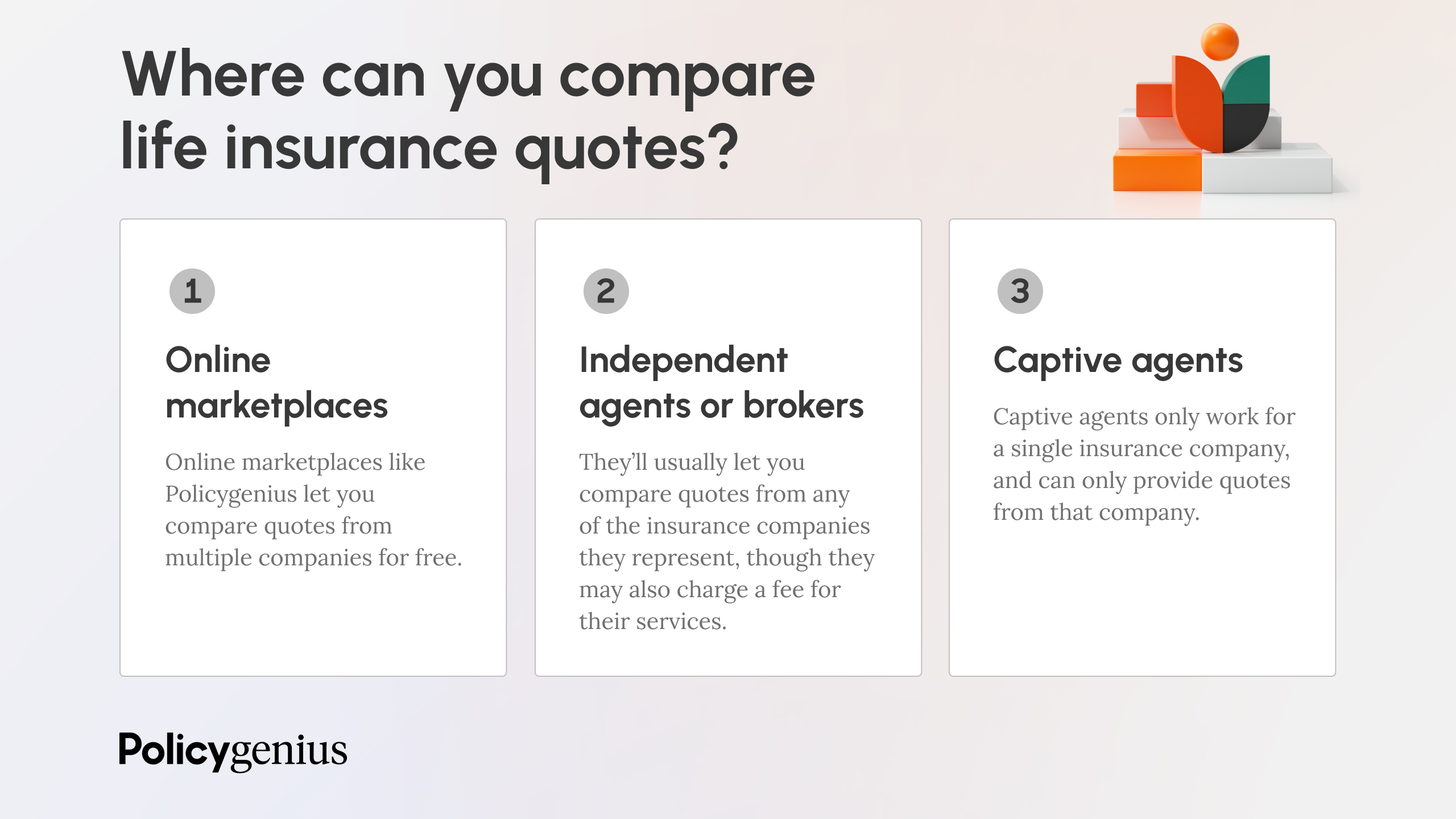
Most consumers begin their search through one of three channels:
- Employer-Sponsored Plans: Many companies offer basic AD&D as a free benefit, with the option to "buy up" or increase coverage at group rates.
- Digital Insurance Aggregators: Online platforms allow you to compare quotes from multiple carriers simultaneously by entering your basic demographics.
- Direct-to-Consumer Carriers: Established insurers provide dedicated portals for AD&D, where you can customize your coverage limits and see the premium change in real-time.
Factors That Influence Your AD&D Quote
While AD&D is generally inexpensive, several variables dictate the final premium you will see on your quote. Unlike whole life insurance, where health is the primary driver, AD&D quotes are heavily weighted toward lifestyle and occupational risk.
Occupational Risk Categories
Insurers categorize jobs based on the statistical likelihood of an accident occurring. An office administrator will likely receive a lower quote than a structural steel worker or a commercial pilot. In 2026, many carriers use updated Bureau of Labor Statistics data to refine these risk categories, ensuring that premiums are proportional to the actual danger faced by the worker.
Coverage Limits
The "face amount" or "principal sum" is the maximum the policy will pay. Common increments range from $50,000 to $500,000. Naturally, a higher coverage limit results in a higher premium. However, because the statistical probability of an accidental death is lower than death by natural causes, increasing your coverage from $100,000 to $250,000 may only cost a few extra dollars per month.
Geographic Location
State regulations can influence the cost of insurance. Different jurisdictions have different rules regarding "double indemnity" (where a policy pays double if the death occurs on a public conveyance like a bus or train) and specific exclusions that must be clearly stated in the policy.
Comparing AD&D and Standard Life Insurance
It is a common mistake to assume that an AD&D policy can replace a standard life insurance policy. They are designed for different purposes and offer different levels of security. Standard life insurance provides a comprehensive safety net, while AD&D acts as a specialized supplement.
| Feature | Standard Life Insurance | AD&D Coverage |
|---|---|---|
| Primary Payout Trigger | Death by almost any cause (illness, accident, age) | Death or injury by covered accident only |
| Living Benefits | Rare (unless through specific riders) | Standard for loss of limbs, sight, or hearing |
| Medical Exam Required | Usually required for the best rates | Rarely required; often guaranteed issue |
| Cost (Premium) | Higher, based on age and health | Very Low, often cents per $1,000 of coverage |
| Exclusions | Minimal after the contestability period | Extensive (high-risk sports, intoxication, etc.) |
| Underwriting Focus | Health and longevity | Occupational and lifestyle risk |
The "Double Indemnity" Concept in AD&D Quotes
When reviewing an AD&D quote, you may encounter the term "Double Indemnity." This is a feature often included in life insurance policies via an AD&D rider. It stipulates that if the insured dies in an accident, the insurer will pay the standard life insurance death benefit plus an additional amount equal to that benefit from the AD&D rider.
For example, if you have a $500,000 term life policy with a $500,000 AD&D rider, and you die in a covered car accident, your beneficiaries would receive a total of $1,000,000. If you were to die of a heart attack, they would only receive the $500,000 from the term life policy. Understanding this distinction is crucial when evaluating if the quote you are looking at is for a "standalone" policy or a "rider."
Common Exclusions Found in AD&D Policies
Before accepting a quote, you must examine the "Exclusions" section of the policy document. Because AD&D is so affordable, carriers protect themselves by excluding high-risk behaviors that fall outside the realm of "unforeseeable accidents."
Typical exclusions in 2026 include:
- High-Risk Hobbies: Skydiving, bungee jumping, car racing, or professional mountain climbing.
- Intoxication: If the accident occurs while the insured is under the influence of alcohol or non-prescribed drugs, the claim is frequently denied.
- Self-Inflicted Injuries: Suicide or attempted suicide is never covered under the AD&D portion of a policy.
- Medical Procedures: Death resulting from surgical complications or medical treatment is usually classified as a medical event rather than an accident.
- War or Riot Participation: Injuries sustained during active participation in civil unrest or acts of war.
Steps to Evaluate Your AD&D Insurance Quote
- Verify the Payout Schedule: Review the "Schedule of Benefits." This table lists exactly what percentage of the principal sum is paid for specific injuries (e.g., 100% for loss of two limbs, 50% for loss of one hand).
- Assess the "Accident" Definition: Ensure the policy defines an accident in a way that aligns with your lifestyle. Some policies use a "means" test versus a "result" test, which can impact claim approval according to the National Association of Insurance Commissioners (NAIC).
- Check for Age Reductions: Many AD&D policies automatically reduce the benefit amount once the insured reaches a certain age, such as 65 or 70. Ensure the quote reflects any planned reductions in coverage as you age.
- Confirm Portability: If you are getting a quote through an employer, ask if the coverage is "portable." This means you can take the policy with you if you leave the company, usually by converting it to an individual policy.
Frequently Asked Questions
Is AD&D worth it if I already have life insurance?
Yes, for many people it is a cost-effective way to add an extra layer of protection. It is particularly valuable for those who commute long distances or work in physically demanding jobs. However, it should not be your only form of life insurance because it does not cover death by natural causes, which accounts for the vast majority of deaths.
Can I get an AD&D quote without a medical exam?
Yes. One of the primary advantages of AD&D is that it is typically issued without a medical exam. Quotes are based on your age and occupation rather than your blood pressure or cholesterol levels. This makes the quoting process very fast, often taking only a few minutes online.
Does AD&D cover disability from an illness?
No. AD&D only covers "dismemberment" or specific physical losses resulting from a sudden accident. It does not provide benefits for disabilities caused by chronic illnesses like multiple sclerosis, or for lost wages due to a long-term sickness. For those risks, you would need a separate Disability Insurance policy.
Are AD&D payouts taxable in 2026?
Generally, the death benefit from an AD&D policy is paid to beneficiaries tax-free, similar to standard life insurance. Living benefits paid for dismemberment are also typically non-taxable as they are considered compensation for physical injury. You should consult the Internal Revenue Service (IRS) or a tax professional for specific advice regarding your estate.
What happens if I die of a heart attack while driving?
This is a complex scenario. If the heart attack (a natural cause) caused the accident, most AD&D policies will not pay out because the underlying cause of death was medical. However, if the accident caused the heart attack, a claim might be considered. These nuances are why having a standard life insurance policy alongside AD&D is recommended.
Practical Recommendation for 2026
When seeking a life insurance AD&D coverage quote, your first step should be to check your existing benefits package through your employer. Group rates are often the most competitive. If you require additional coverage or are self-employed, use an online comparison tool to look for "standalone" AD&D policies.
Ensure that any AD&D coverage you purchase is treated as a secondary safety net. Prioritize a robust term or whole life policy that covers all causes of death first, then add AD&D to provide specialized protection against the sudden, high-cost impact of a catastrophic accident. Always read the "Schedule of Benefits" before signing to ensure the dismemberment payouts meet your potential needs for rehabilitation and lifestyle adjustment.
Image Gallery

![AAA Life Insurance Guide 2024 Best Coverages + Rates]](https://www.effortlessinsurance.com/wp-content/uploads/2020/04/6c096c2a-aaa-life-insurance-quote-coverage-estimate-min.jpg)