The Controversy of "If I Ran the Zoo": Analyzing Racial Stereotypes and Theoretical Critiques
The decision to cease publication of Dr. Seuss’s If I Ran the Zoo stems from its use of "hurtful and wrong" racial stereotypes, specifically caricatures of African and Asian people. While long considered a whimsical classic, modern lit...
The decision to cease publication of Dr. Seuss’s If I Ran the Zoo stems from its use of "hurtful and wrong" racial stereotypes, specifically caricatures of African and Asian people. While long considered a whimsical classic, modern literary theory and racial sensitivity audits identified specific imagery—such as barefoot African figures in grass skirts and Asian characters with stereotypical features—as reinforcing harmful colonial narratives and dehumanizing depictions.
Contents
The Historical Context of "If I Ran the Zoo"
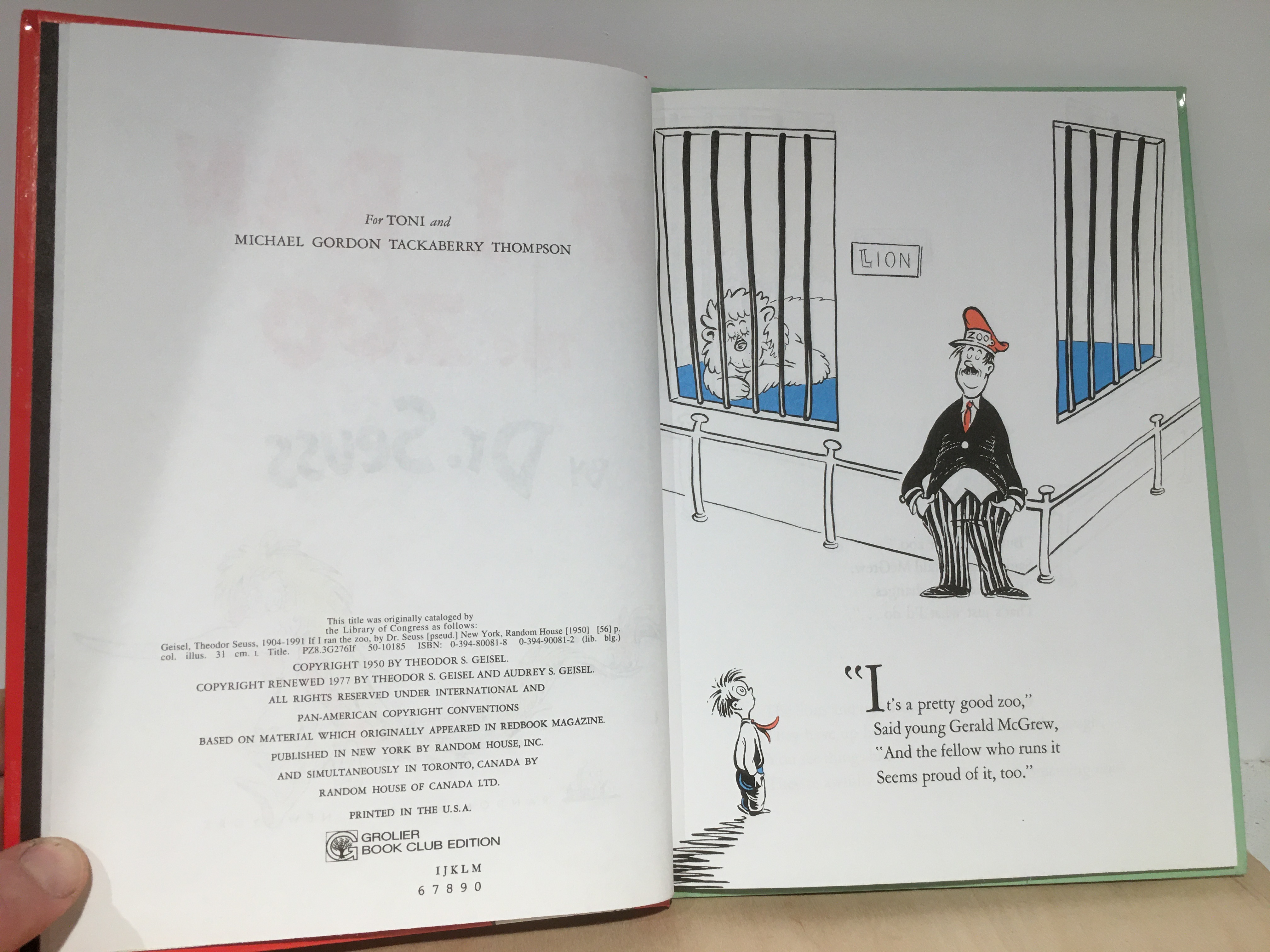
Published in 1950, If I Ran the Zoo was one of Theodor Geisel’s (Dr. Seuss) most popular works for decades. The story follows a young boy named Gerald McGrew, who imagines transforming a traditional zoo into an exotic menagerie filled with fantastical creatures from far-flung corners of the globe. At the time of its release, the book was praised for its rhythmic verse and imaginative illustrations, typical of the Seuss brand.
However, the "far-flung corners" McGrew visits are not merely inhabited by fictional beasts. They are populated by human characters that Geisel drew using the racial tropes common in mid-20th-century American media. In the context of 1950, these depictions were often ignored by the white majority, but as the 21st century progressed, the pedagogical and ethical implications of these images became impossible for educators and the publisher to overlook.
By 2026, the book has been out of print for five years. This hiatus has allowed for a more objective historical analysis of the work, shifting it from a staple of the nursery to a case study in how cultural standards evolve and how legacy media handles its own problematic history.
Examining the Specific Imagery and Text
To understand why If I Ran the Zoo is classified as racist in theory and practice, one must examine the specific pages that led to its discontinuation. The controversy is not rooted in the plot itself, but in the visual execution of the "helpers" Gerald McGrew employs to gather his animals.
Depictions of African Individuals
One of the most cited passages involves the "African island of Yerka." The illustration depicts two men from the island carrying a caged animal. The men are drawn with dark skin, wearing only grass skirts, and are barefoot. Their facial features are exaggerated in a manner consistent with "pickaninny" or "minstrel" caricatures of the era. Critically, the text and imagery equate these individuals with the animals they are transporting, portraying them as primitive servants to the young white protagonist.
Depictions of Asian Individuals
The book also features characters from "mountains" in Asia. These individuals are depicted with slanted lines for eyes and are shown carrying a "Tizzy" on a pole. The text refers to them as "helpers who all eat with sticks." While "eating with sticks" is a factual reference to chopsticks, the visual representation—yellow-tinted skin and stereotypical headwear—aligns with the "Orientalist" tropes that characterized Asian people as a monolithic, exotic "Other" rather than as diverse human beings.
The "Racist in Theory" Framework: Impact vs. Intent
When critics discuss the book as being "racist in theory," they are often applying frameworks from Critical Race Theory (CRT), Post-Colonialism, and Child Development Psychology. These theories prioritize the impact of the material over the intent of the author.
The Theory of the "White Savior"
In the narrative of If I Ran the Zoo, Gerald McGrew (a white child) is the central authority figure. He travels to foreign lands, extracts their "resources" (the animals), and enlists the local populations as laborers. Theoretically, this mirrors the colonial mindset where Westerners viewed the Global South as a playground for extraction. The non-white characters have no agency; they exist solely to facilitate McGrew’s whims.
The Mirror and Window Theory
Educational theorists often use the "Mirrors, Windows, and Sliding Glass Doors" framework developed by Rudine Sims Bishop. Children’s books should act as mirrors (reflecting the child’s own life) and windows (offering a view into the lives of others). When a book like If I Ran the Zoo provides a "window" into Africa or Asia that is distorted by caricature, it plants seeds of bias in young readers. It teaches white children that they are the "default" or "superior" race, while teaching children of color that they are objects of ridicule or curiosity.
The Concept of "Othering"
Theoretical analysis focuses heavily on "Othering"—the process of casting a group of people as fundamentally different from and subordinate to the dominant group. By giving his fictional creatures complex, imaginative names but reducing real human cultures to visual shorthand and stereotypes, Geisel effectively "othered" billions of people.
The 2021 Discontinuation and Its Lasting Effects
In March 2021, Dr. Seuss Enterprises—the organization that manages the author’s legacy—announced it would stop publishing six titles: And to Think That I Saw It on Mulberry Street, McElligot’s Pool, On Beyond Zebra!, Scrambled Eggs Super!, The Cat’s Quizzer, and If I Ran the Zoo.
The organization stated that these books "portray people in ways that are hurtful and wrong." This was a significant moment in the "cancel culture" debate, though proponents argued it was actually an act of "curation." By 2026, the move is largely seen as a proactive brand-protection strategy. Dr. Seuss Enterprises recognized that to keep the brand relevant for future generations, they had to remove the elements that contradicted modern values of inclusivity.
Comparison of Discontinued Dr. Seuss Titles
| Book Title | Year Published | Primary Concern | Status in 2026 |
|---|---|---|---|
| If I Ran the Zoo | 1950 | Caricatures of African and Asian people. | Out of print; collector's item. |
| And to Think That I Saw It on Mulberry Street | 1937 | Stereotypical imagery of a Chinese man. | Out of print; removed from many libraries. |
| McElligot's Pool | 1947 | Depictions of "Eskimo" fish/indigenous tropes. | Out of print; limited availability. |
| On Beyond Zebra! | 1955 | Subtle stereotypical depictions of Middle Easterners. | Out of print. |
| Scrambled Eggs Super! | 1953 | Images of indigenous people in "primitive" attire. | Out of print. |
| The Cat's Quizzer | 1976 | Stereotypical depictions of Japanese people. | Out of print. |
The Pedagogical Debate: Preservation vs. Protection
The removal of If I Ran the Zoo from active publication has sparked a debate between those who believe in preserving historical artifacts and those who believe in protecting children from developmental harm.
- The Case for Curation: Proponents argue that children’s books are not just historical documents; they are teaching tools. If a tool is found to be toxic to a child’s self-esteem or their perception of others, it should be retired. They argue that Geisel himself recognized his earlier biases later in life, as evidenced by his more inclusive themes in Horton Hears a Who! and The Sneetches.
- The Case for Preservation: Opponents of the decision argue that removing the books constitutes a "whitewashing" of history. They suggest that the books should remain available with forewords or annotations that explain the historical context, allowing parents to use them as "teachable moments" about the history of prejudice.
As of 2026, the consensus in most public school districts and major retailers has leaned toward curation. While the books are not "banned" by the government, they are no longer actively marketed or sold by the copyright holder, effectively moving them into the realm of academic study rather than bedtime reading.
Market Value and Accessibility in 2026
Since the announcement in 2021, the physical copies of If I Ran the Zoo have seen a surge in value on the secondary market. Collectors and bibliophiles often seek out early editions as historical curiosities. However, major digital platforms and library systems have largely phased out digital access to ensure they are not inadvertently distributing content that violates modern DEI (Diversity, Equity, and Inclusion) standards.
For researchers, the book remains accessible through university archives and the Library of Congress. This ensures that the work can still be studied for its artistic merits and its failures, without it being used as a primary developmental resource for toddlers.
Frequently Asked Questions
Is "If I Ran the Zoo" banned in the United States?
No, it is not banned by any government agency. The decision to stop printing the book was made voluntarily by the publisher, Dr. Seuss Enterprises. Individuals are still free to own, sell, or read existing copies.
Did Dr. Seuss regret his earlier racist drawings?
There is evidence that Theodor Geisel’s views evolved. In his later years, he revised some illustrations (such as changing a "Chinaman" to a "Chinese man" and removing a pigtail in Mulberry Street). His later works, like The Lorax and The Sneetches, focus heavily on themes of tolerance and environmentalism, which many biographers see as an atonement for his earlier caricatures.
Can I still find the book in libraries?
Many public libraries have moved the discontinued Seuss titles to "Reference Only" sections or removed them from the children’s wing entirely. Policies vary by municipality, but as of 2026, most libraries prioritize current, inclusive literature for active circulation.
What are the specific racist parts of the book?
The most problematic sections are the illustrations of the "helpers" from the Island of Yerka (Africa) and the men from the mountains of Asia. These characters are drawn with features that mimic 19th-century minstrelsy and anti-Asian propaganda.
Why was "If I Ran the Zoo" singled out specifically?
It was singled out because its imagery was deemed particularly egregious compared to other Seuss books. The depictions of African people being treated as sub-human laborers for a white child were considered incompatible with the values of a modern educational publisher.
Moving Forward: Next Steps for Parents and Educators
For those who own a copy of If I Ran the Zoo or are navigating these topics with children, the best course of action is transparency. If a child encounters these images, it provides an opportunity to discuss how artists reflect the biases of their time and why it is important to treat all people with dignity and individuality.
In the classroom, educators are encouraged to focus on the vast majority of the Dr. Seuss catalog that remains in print, such as Green Eggs and Ham or The Cat in the Hat, while using the "discontinued six" as examples for older students in media literacy or history courses. The goal is not to erase the history of Dr. Seuss, but to ensure that the "magic" of his work does not come at the expense of any child’s humanity.
Image Gallery