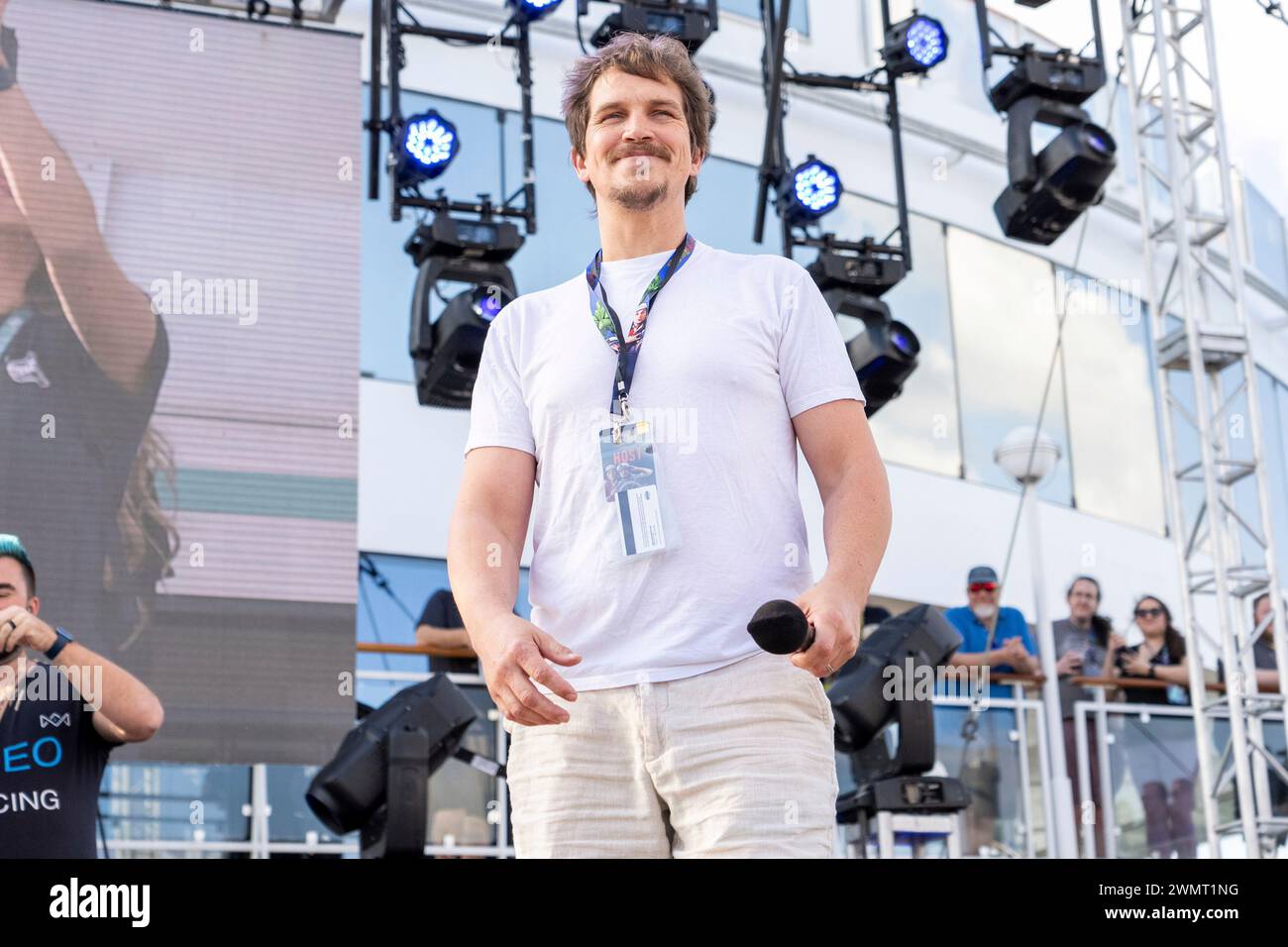
The Cultural Footprint of Jason Edward Mewes: How Independent Film, Podcasting, and Recovery Culture Shaped Modern Living
Jason Edward Mewes altered modern entertainment and digital lifestyle culture through his portrayal of "Jay" in Kevin Smith’s View Askewniverse, pioneering live podcasting business models, and publicly reframing addiction recovery. His...
Jason Edward Mewes altered modern entertainment and digital lifestyle culture through his portrayal of "Jay" in Kevin Smith’s View Askewniverse, pioneering live podcasting business models, and publicly reframing addiction recovery. His transition from 1990s indie cinema icon to podcasting pioneer and recovery advocate provides a practical blueprint for creator independence and transparency in contemporary media.
Contents
- JASON EDWARD MEWES' INFLUENCE
- INDIE FILM & POP VERNACULAR
- View Askew cinematic universe
- Pre-internet viral catchphrases
- Slacker comedy archetypes
- CREATOR ECONOMY & PODCASTING
- Early live podcast tours
- Direct-to-fan monetization
- IP ownership frameworks
- RECOVERY CULTURE & MENTAL HEALTH
- Radical transparency
- Public accountability
- De-stigmatization of addiction
- INDIE FILM & POP VERNACULAR
From Counterculture Icon to Pop Culture Mainstream: The View Askewniverse Effect
When writer-director Kevin Smith cast his long-time friend Jason Edward Mewes as the fast-talking, hyperactive drug dealer Jay in the 1994 low-budget black-and-white comedy Clerks, few predicted the character would become a defining fixture of 1990s American cinema. Mewes brought an unvarnished, authentic energy to the screen that contrast sharply with the polished, rehearsed performances traditional Hollywood studios produced at the time.
Alongside Smith’s silent, observant persona ("Silent Bob"), Mewes created an archetype that bridged counterculture street life with suburban youth culture. The duo appeared across a interconnected cinematic universe—known as the View Askewniverse—spanning films such as Mallrats (1995), Chasing Amy (1997), Dogma (1999), and Jay and Silent Bob Strike Back (2001).
Redefining the 1990s Indie Film Archetype
Mewes’ performance style inverted the typical Hollywood sidekick trope. Rather than serving purely as plot devices or quiet comic relief, Mewes' character dominated scenes through kinetic body language and non-stop vocal improvisations. Film theorists and pop culture historians note that this dynamic reflected the shifting social landscape of the 1990s, where suburban youth culture began embracing underground hip-hop, skate culture, and street vernacular.
By grounding his performance in authentic personal mannerisms rather than formal theatrical training, Mewes helped normalize naturalistic, hyper-specific comedic performances in independent film. Directors across the indie film circuit began seeking non-traditional actors who could deliver rhythmic, dialogue-dense scripts without losing their organic raw edge.
Linguistic Impact and Subculture Vernacular
Long before social media algorithms accelerated the spread of viral catchphrases, Mewes’ delivery popularized specific slang across Gen X and Millennial populations. Phrases like "Snoochie boochies" and "Snoogans" entered the high school and college lexicons of the late 1990s, functioning as social handshakes among fans of alternative media.
This linguistic footprint extended into print and retail media. The Jay and Silent Bob characters transitioned into comic books published by Oni Press and Marvel Comics, animated television series, and physical merchandise sold through Smith’s comic shop, Jay and Silent Bob's Secret Stash. Mewes demonstrated how a unique screen persona could be decoupled from single feature films and expanded into an enduring lifestyle brand.
Pioneering the Independent Podcast and Fan Engagement Blueprint
Beyond his contributions to feature films, Mewes played a central role in establishing the economic and operational templates of the modern creator economy, particularly within the podcasting landscape.
- Traditional Hollywood Model
- Studio Gatekeepers
- Delayed Box Office / Cable
- Mewes Creator Model
- Live Touring / Podcasting
- Direct-to-Fan Community
Live Podcasting and Direct-to-Fan Monetization
In August 2010, Mewes and Kevin Smith launched Jay & Silent Bob Get Old, a weekly audio podcast recorded in front of live theater audiences. At a time when major broadcast networks and media conglomerates dominated audio entertainment, Jay & Silent Bob Get Old proved that independent creators could build sustainable, direct-to-consumer digital media businesses without reliance on traditional radio or television gatekeepers.
The show utilized a hybrid revenue model that became standard across the podcast industry:
- Ticketed Live Events: Converting digital listeners into paying attendees for live studio recordings at comedy clubs and theaters worldwide.
- Direct Merchandising: Integrating physical product sales directly into event tours and digital feeds.
- Sponsor Integration: Replacing scripted radio commercials with organic, host-read audio advertisements tailored directly to the audience demographic.
This model established an early blueprint for modern platforms like Patreon, Substack, and YouTube Membership programs, proving that niche, dedicated fanbases could generate sustainable revenue through recurring engagement.
The SModcast Network Ecosystem
Jay & Silent Bob Get Old served as a flagship title for the broader SModcast Podcast Network (later SModCo), an early digital audio network founded by Smith and business partner Scott Mosier. Mewes’ participation in this network demonstrated how digital media personalities could diversify their media footprints.
By taking ownership of their audio feeds, RSS distribution, and live event touring rights, Mewes and his collaborators bypassed conventional talent agency and studio structures. This direct control over intellectual property and audience access anticipated the contemporary era of creator-led media companies.
Redefining Modern Addiction and Recovery Narratives
Perhaps the most profound influence Jason Edward Mewes has had on modern living resides outside of pure entertainment: his public, long-term transparency regarding substance use disorder (SUD) and recovery.
Public Vulnerability as Accountability
Mewes fought a well-documented, multi-year battle with severe opioid and heroin addiction throughout the late 1990s and 2000s, leading to legal troubles, probation violations, and career interruptions. On July 20, 2010, Mewes achieved sobriety—a milestone that became the founding premise of Jay & Silent Bob Get Old.
Kevin Smith intentionally structured the podcast as a public accountability system. During every episode, Mewes candidly tracked his days of sobriety, detailed his past relapses, analyzed emotional triggers, and discussed his ongoing recovery process.
- THE PODCAST ACCOUNTABILITY MODEL
- Public Sobriety Tracking: Shares exact clean-time milestones
- Honest Relapse Analysis: Removes shame around slip-ups
- Peer & Audience Support: Builds community-driven maintenance
- De-stigmatized Dialogue: Replaces secrecy with vulnerability
This open framework transformed the podcast from a pure comedy show into a support platform for thousands of listeners facing similar struggles with dependency.
De-stigmatizing Substance Use Disorder in Popular Media
Historically, public figures facing addiction were managed through restrictive studio public relations strategies, which obscured relapses or presented recovery as a swift, linear process. Mewes rejected this convention, providing an unvarnished view of addiction recovery as a lifelong, complex process.
Mewes’ willingness to discuss the unglamorous realities of addiction—such as court-ordered rehab, medical interventions, and emotional repairs within personal relationships—helped break down societal stigmas surrounding addiction:
- Normalization of Relapse Discussion: By explaining the triggers behind past relapses, Mewes helped reframe addiction as a chronic medical condition rather than a moral failure.
- Community-Driven Sobriety: The podcast format demonstrated that peer support networks can extend beyond physical meeting rooms into digital and live performance spaces.
- Media Precedent: Mewes opened the door for future public figures, actors, and digital creators to speak openly about mental health and substance abuse without fearing total professional cancellation.
Historical Evolution of Jason Mewes' Cultural Impact
The table below outlines the major phases of Jason Mewes' career, highlighting his evolution from an independent film performer to a podcast pioneer, director, and recovery advocate.
| Era | Primary Roles & Projects | Cultural & Industry Contributions | Impact on Modern Living & Media |
|---|---|---|---|
| 1994–1999 | Clerks, Mallrats, Chasing Amy, Dogma | Established the iconic "Jay" slacker archetype; introduced pre-internet viral catchphrases into subcultural speech. | Normalized unpolished, naturalistic performances in indie film; influenced 1990s youth vernacular. |
| 2000–2009 | Jay and Silent Bob Strike Back, Clerks II, Guest appearances | Expanded View Askew IP into mainstream studio releases while publicly navigating severe addiction battles. | Highlighted the human realities of substance abuse behind Hollywood celebrity culture. |
| 2010–2018 | Jay & Silent Bob Get Old, SModcast Network, Voice Acting | Launched live accountability podcasting; maintained public record of sobriety; built direct-to-fan tour models. | Pioneered creator monetization templates; de-stigmatized open conversations around addiction recovery. |
| 2019–2026 | Madness in the Method (Directorial debut), Jay and Silent Bob Reboot, Clerks III, Podcasting | Expanded into directing and executive producing; celebrated 15+ years of continuous sobriety; sustained legacy IP. | Serves as a long-term operational model for creator longevity, self-owned IP management, and sustainable recovery. |
The Modern Creator Economy: Lessons from the Mewes Operating Model
Analyzing Mewes’ career offers key operational insights for contemporary digital media producers, podcasters, and creative entrepreneurs.
- THE CREATOR DIVERSIFICATION CYCLE
- AUTHENTIC CORE: Rely on genuine personality and transparent self-presentation.
- DIRECT ENGAGEMENT: Tour live, stream directly, and own audience relationships.
- IP DIVERSIFICATION: Transition from acting to podcasts, directing, and merchandise.
1. Radical Authenticity Builds Audience Resilience
Mewes built an audience that remained loyal across three decades by refusing to adopt an artificial public image. Whether speaking to audiences while struggling with addiction or celebrating years of sobriety, his refusal to project a sanitized persona built long-term fan equity that studio marketing budgets cannot replicate.
2. Multi-Channel Monetization Protects Creative Independence
Mewes and Kevin Smith demonstrated early on that reliance on a single distributor (such as a film studio or broadcast network) leaves creators vulnerable to market shifts. By combining live performance tours, digital audio downloads, physical retail sales, and feature film production, they created a diversified economic model that protected their creative autonomy.
3. Vulnerability Functions as a Modern Leadership Tool
In contemporary digital media, public figures who share their personal challenges—including mental health, recovery, and career setbacks—often establish deeper connections with their communities than those who present a perfect image. Mewes proved that sharing personal recovery journeys can simultaneously save lives and sustain a creative career.
Frequently Asked Questions
How did Jason Mewes influence the early podcasting industry?
Jason Mewes was an early pioneer of live, ticketed podcast tours through Jay & Silent Bob Get Old, which began in 2010. By performing recorded podcasts in front of live theater audiences worldwide, Mewes and Kevin Smith established a direct-to-fan revenue model that integrated ticket sales, sponsor messaging, and merchandise, setting a template for modern digital audio creators.
What role did podcasting play in Jason Mewes’ addiction recovery?
Kevin Smith launched the podcast Jay & Silent Bob Get Old specifically as a weekly accountability tool to support Mewes’ sobriety after July 20, 2010. During each episode, Mewes publicly counted his days of continuous sobriety and discussed his personal triggers, turning his recovery into an open, community-supported effort that helped him maintain long-term recovery.
What is the View Askewniverse and why is it culturally significant?
The View Askewniverse is an interconnected fictional universe created by Kevin Smith, featuring recurring characters like Jay (Jason Mewes) and Silent Bob (Kevin Smith). It is culturally significant because it demonstrated that low-budget independent films could build a shared cinematic universe across movies, comic books, and merchandise long before superhero franchises popularized the concept.
How has Jason Mewes expanded his career beyond acting?
In addition to acting, Mewes expanded his portfolio into live audio production, voice acting, comic book creation, and film directing. He made his feature film directorial debut with the 2019 comedy Madness in the Method, in which he also starred, proving his ability to manage production behind the camera.
Why is Jason Mewes’ public recovery relevant to modern mental health discussions?
Mewes helped normalize open, honest conversations about substance use disorder, relapse, and long-term recovery in popular media. By rejecting traditional celebrity public relations tactics and discussing his struggles directly on public platforms, he helped reduce the shame and stigma surrounding addiction, inspiring fans and fellow creators to seek help and practice open accountability.
Practical Takeaways for Creators and Advocates
For media professionals, content creators, and individuals navigating personal recovery, Jason Mewes’ journey offers actionable lessons:
- Establish Intentional Accountability Systems: If you are working toward personal goals or health milestones, create structured accountability mechanisms—whether through public tracking, peer groups, or professional support networks.
- Own Your Audience Relationships: Build direct channels to your community via email lists, live events, or self-hosted audio channels, reducing dependence on third-party platform algorithms.
- Embrace Multidisciplinary Skill Sets: Diversify your creative output across multiple mediums (such as voice work, live performance, directing, and audio hosting) to protect career stability against industry shifts.
- Prioritize Sustained Health Over Short-Term Gain: Mewes' career rebounded strongest only after he fully prioritized his health and physical recovery, proving that personal wellness forms the foundation of long-term professional success.
Image Gallery