The Rise of Female Producers in Music: History, Tech Innovation, and Industry Impact
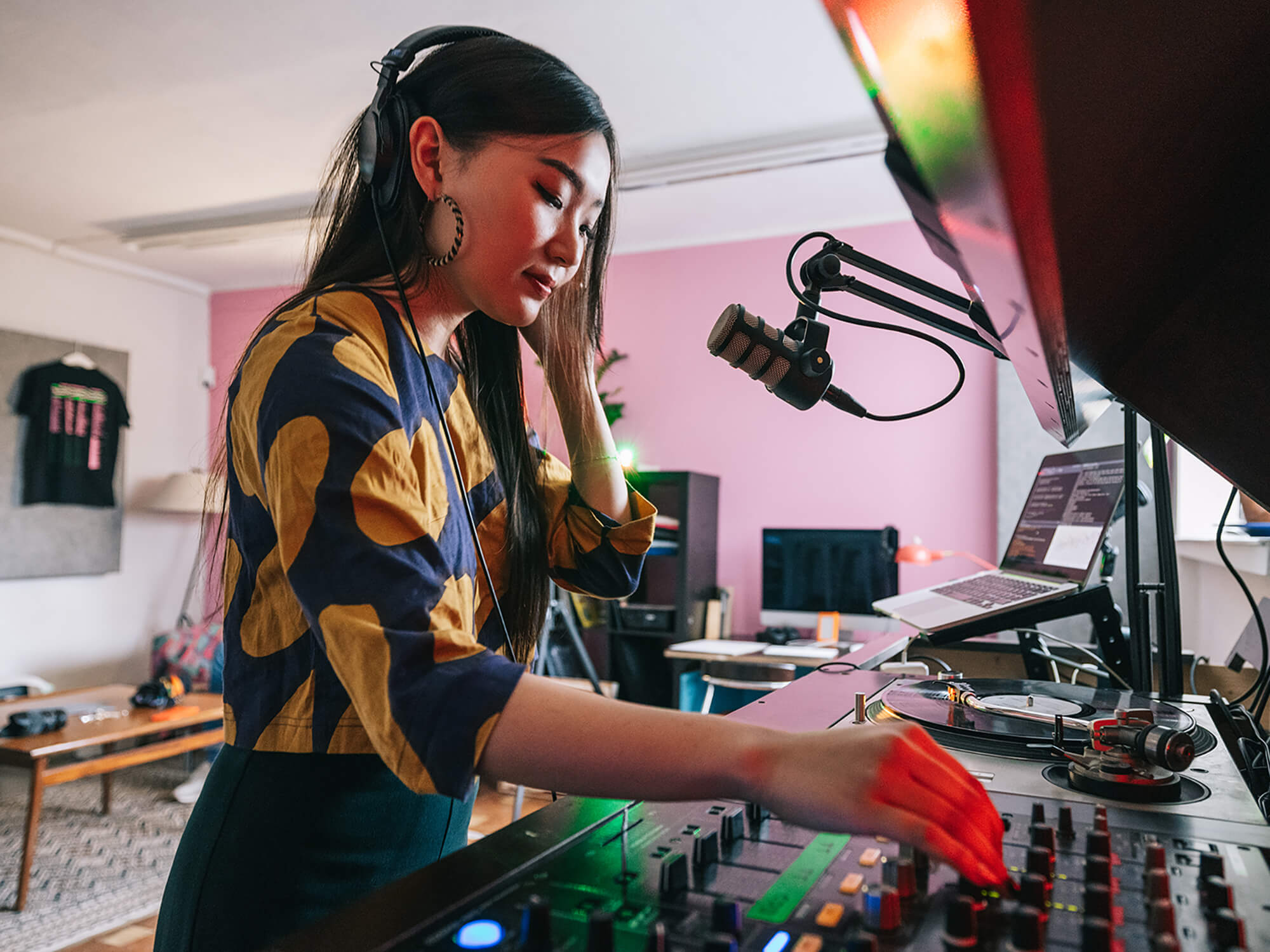
The rise of female music producers reflects a major transformation in audio engineering, sound design, and record production. Historically restricted by studio gatekeeping and industry bias, women are increasingly shaping modern sounds...
The rise of female music producers reflects a major transformation in audio engineering, sound design, and record production. Historically restricted by studio gatekeeping and industry bias, women are increasingly shaping modern soundscapes through accessible digital audio workstations (DAWs), targeted mentorship initiatives, self-publishing platforms, and persistent advocacy that challenges long-standing gender disparities behind the mixing console.
Contents
Historical Context and the Studio Gender Gap
For decades, commercial recording studios functioned as high-barrier environments dominated by male engineers, tape operators, and executive producers. The traditional apprentice model—where an aspirant worked up from studio runner to assistant engineer and finally to head producer—often excluded women through informal networks, discriminatory hiring practices, and unsafe or exclusionary studio cultures.
Despite these barriers, early female pioneers made foundational contributions to sound recording and electronic music:
- Sylvia Robinson: Known as the "Mother of Hip-Hop," Robinson co-founded Sugar Hill Records, produced the seminal 1979 track "Rapper's Delight," and arranged Grandmaster Flash & the Furious Five's "The Message," establishing the commercial viability of hip-hop production.
- Delia Derbyshire: Working at the BBC Radiophonic Workshop in the 1960s, Derbyshire realized the iconic Doctor Who theme song using tape manipulation, electronic oscillators, and concrete sound techniques long before modern synthesizers existed.
- Sylvia Massy: Renowned for her work with Tool, System of a Down, and Prince, Massy redefined alternative rock sound design by combining aggressive vintage analog tracking with unconventional experimental acoustics.
- Trina Shoemaker: In 1998, Shoemaker became the first woman to win the Grammy Award for Best Engineered Album (Non-Classical) for her work on Sheryl Crow's Globe Sessions.
Statistical Disparities in Modern Record Production
Despite historical precedent, quantitative research highlights a persistent gender gap in commercial music production. Data compiled by the USC Annenberg Inclusion Initiative across top-performing Billboard Hot 100 year-end charts reveals that female producers historically accounted for fewer than 3% to 5% of all credited production roles on popular tracks.
| Producer Gender | Billboard Hot 100 Share |
|---|---|
| Male Producers | 96.5% |
| Female Producers | 3.5% |
The discrepancy stems from systemic factors:
- A&R Networking Loops: Artist and Repertoire (A&R) executives frequently rely on established, male-dominated referral networks when assigning producers to major-label projects.
- Credit Attribution Bias: Female artists who write, arrange, and produce their own tracks have historically been mislabeled by press and liner notes solely as "vocalists" or "performers," obscuring their technical contributions.
- Lack of Early Studio Exposure: Access to high-end recording environments, specialized audio hardware, and audio engineering hardware has traditionally favored demographics with greater access to capital and institutional studio internships.
Key Catalysts Accelerating Change
The expanding presence of female producers across pop, hip-hop, electronic, indie, and film scoring is driven by technological shifts, educational democratization, and active organizational intervention.
- Technical & Systemic Catalysts
- DAW & Hardware Democratization (Ableton/Logic)
- Non-Profit Advocacy & Tech (WAM / SITM)
- Independent Publishing & Distribution
Technological Democratization via Home Studios
The transition from multi-million-dollar commercial studios requiring large-format analog consoles (such as SSL or Neve) to software-based home studios significantly lowered entry barriers. Digital Audio Workstations (DAWs) like Ableton Live, Apple Logic Pro, Avid Pro Tools, and Image-Line FL Studio enabled independent creators to produce, mix, and master radio-ready tracks without needing external studio approval or capital-intensive hardware.
Software instruments, high-fidelity audio interfaces, and digital signal processing (DSP) plugins have allowed self-taught producers to experiment freely. Female creators can build complete discographies independently, building direct-to-fan audiences on digital streaming platforms and social media before engaging with traditional record labels.
Targeted Industry Advocacy and Mentorship
Grassroots and non-profit organizations have built structured pipelines to educate, recruit, and retain female and gender-expansive audio professionals:
- Women's Audio Mission (WAM): Operating dedicated, world-class recording facilities run entirely by women, WAM provides hands-on training in audio engineering, acoustics, and digital music production for women and non-binary creators.
- She Is The Music (SITM): Founded by industry leaders including Alicia Keys and sound engineer Ann Mincieli, SITM maintains an international database of female creators, hosts all-female writing and production camps, and provides direct mentorship programs.
- SoundGirls: Founded by live sound engineers Karrie Keyes and Michelle Sabolchick Pettinato, SoundGirls focuses on career development, technical workshops, and job placement across live sound, studio engineering, and post-production.
- Gender Amplified: Founded by producer Ebonie Smith, this organization aims to celebrate and support girls and women in music production through studio camps and technical skill-building events.
Key Figures Shaping Contemporary Sound Design
Modern music production features prominent female producers across diverse genres, operating both as independent sound architects and hitmakers for global artists.
- Prominent Female Music Producers
- Pop & Urban
- Missy Elliott
- WondaGurl
- Rosalía
- Electronic & Dance
- TOKiMONSTA
- REZZ
- Grimes
- Rock, Alternative & Film Scoring
- Sylvia Massy
- Hildur Guðnadóttir
- Pop & Urban
WondaGurl (Ebony Oshunrinde)
Canadian producer WondaGurl gained international prominence at age 16 after producing Jay-Z's "Crown" in 2013. Known for her heavy low-end processing, intricate drum programming, and dark harmonic sampling, she has produced tracks for Travis Scott, Drake, Rihanna, and Kanye West. Beyond her own discography, she operates her own imprint, Wonderchild Music, signing and mentoring new production talent.
TOKiMONSTA (Jennifer Lee)
As a producer, multi-instrumentalist, and label founder (Young Art Records), TOKiMONSTA is a major figure in electronic music and beat-making. Blending live instrumentation, vocal manipulation, and complex synth arrangements, she became the first Asian-American female producer nominated for a Grammy in the Best Dance/Electronic Album category for her album Lune Rouge.
Rosalía
While known globally as a vocalist, Rosalía acts as the primary producer and arranger on her critically acclaimed albums, including El Mal Querer and Motomami. Her technical approach combines traditional Flamenco rhythms with aggressive electronic sub-bass, experimental sampling, dynamic gain automation, and vocal pitching, demonstrating complete sound design control over her sound.
Hildur Guðnadóttir
Cellist and composer-producer Hildur Guðnadóttir reshaped modern cinematic scoring through her Academy Award- and Grammy-winning work on Joker and HBO's Chernobyl. Guðnadóttir utilizes microtonal acoustics, custom cello processing, dynamic drone layering, and specialized ambient recording techniques to craft immersive soundtracks.
Technical Workflows and Studio Practices
Understanding the technical demands of contemporary audio production clarifies how modern producers manage signal chains, arrange compositions, and prepare sessions for commercial delivery.
Typical Production Signal Flow:
- Source Mic / Instrument
- Audio Interface (Preamp)
- DAW Gain Staging
- DSP Plugins (EQ/Comp)
- Stereo Master Output
Digital Audio Workstation Selection
Producers select DAWs based on specific creative workflows and performance needs:
- Ableton Live: Preferred for electronic music, beat production, sound design, and live performance triggering. Its session view facilitates real-time loop manipulation, non-linear clip arrangement, and advanced MIDI processing.
- Logic Pro: Popular for pop, indie, and film composition. Offers an extensive built-in library of virtual instruments, spatial audio editing capabilities, and deep MIDI sequencing tools.
- Avid Pro Tools: The global studio standard for audio recording, multi-track vocal editing, mixing, and dubbing. Essential for signal routing, precise clip alignment, and large-format console integration.
- FL Studio: Widely used in hip-hop, trap, and pop beat creation due to its step sequencer, pattern-based workflow, and flexible pitch-bending and piano roll architecture.
Signal Chain and Mixing Fundamentals
A professional production workflow requires strict attention to audio engineering principles:
- Gain Staging: Managing audio signal levels at every stage of production to prevent unwanted digital clipping while maintaining optimal signal-to-noise ratios. Standard digital gain staging aims for nominal channel peaks between -18 dBFS and -12 dBFS to allow sufficient headroom for mixing and mastering plugins.
- Equalization (EQ): Carving out distinct frequency bands to clear spectral space. High-pass filters (HPF) eliminate rumble below 30–80 Hz on non-bass instruments, while dynamic EQs control problematic resonant frequencies without flattening the performance.
- Dynamic Range Compression: Controlling transient peaks and shaping sound envelopes using parameters such as threshold, ratio, attack, release, and knee. Parallel compression (blending an uncompressed signal with a heavily compressed version) is frequently applied to drums and vocals to add punch and body while retaining natural micro-dynamics.
- Vocal Processing: Modern vocal production often chains dynamic microphones or large-diaphragm condensers through high-end preamps, followed by pitch correction (such as Celemony Melodyne or Antares Auto-Tune), de-essing to control sibilance, saturation for harmonic enhancement, and spatial effects (stereo delay, algorithmic or convolution reverb).
Comparison of Key Industry Organizations and Initiatives
Organizations supporting female audio professionals vary in target audience, curriculum focus, and operational models:
| Organization | Primary Focus | Key Initiatives & Programs | Target Audience | Key Technical Skills Covered |
|---|---|---|---|---|
| Women's Audio Mission (WAM) | Audio engineering, music production, STEM education | Hands-on studio training, youth programs, WAM Academy | Women, non-binary individuals, young girls | Microphones, mixing consoles, Signal routing, Pro Tools, sound design |
| She Is The Music (SITM) | Industry equity, networking, songwriting/production | Writing camps, global talent database, executive mentorship | Female producers, songwriters, engineers, executives | Commercial songwriting, vocal production, DAW collaboration |
| SoundGirls | Live audio, studio production, career placement | Technical workshops, equipment scholarships, directory | Women and non-binary audio professionals | Live sound mixing, FOH operations, studio engineering, acoustics |
| Gender Amplified | Producer empowerment, hip-hop/pop beat-making | CTRL Room production camps, peer showcases, educational panels | Female and non-binary beatmakers and producers | Beat production, sampling, synthesizer programming, arrangement |
Actionable Steps for Emerging Female Producers
Navigating the music industry as a producer requires technical fluency, business preparation, and strategic portfolio management.
Producer Professional Growth Pipeline:
- Master Core Technical DAW & Acoustics
- Build Portable Studio Portfolio (3-5 Tracks)
- Establish Clear Contract Terms (Split Sheets)
- Pitch & Expand Professional Network
1. Build Technical Mastership in Core Tools
Select one primary DAW and gain deep familiarity with its stock plugins, keyboard shortcuts, and routing routing architectures before investing heavily in third-party software. Understand acoustic principles—including room node reflections, sound treatment, and studio monitor placement—to ensure accurate mixing decisions that translate across consumer playback systems.
2. Develop a Focused Producer Reel
Create a streamlined, easily accessible portfolio (such as a clean web page or private audio playlist) featuring 3 to 5 fully produced, mixed, and arranged tracks. Ensure the portfolio displays genre versatility while demonstrating a clear, recognizable sonic signature.
3. Formalize Legal and Business Structures
Protect creative output by executing clear administrative and legal agreements for every recording session:
- Split Sheets: Document ownership percentages for composition (publishing) and master recording credits among all collaborators immediately after a session concludes.
- Producer Agreements: Define producer fees, advance payments, royalty percentages (typically 3% to 4% of retail/net receipts for commercial releases), and credit formatting (e.g., "Produced by [Name]").
- Performing Rights Organization (PRO) Registration: Register with a PRO (such as ASCAP, BMI, PRS for Music, or SOCAN) to ensure collection of performance and mechanical royalties.
4. Leverage Mentorship and Inclusion Databases
Register with public-facing databases like the She Is The Music directory, SoundGirls directory, and Keychange talent hubs. Participate in local and virtual audio engineering masterclasses, production challenges, and community workshops to build professional peer networks.
Frequently Asked Questions
What is the percentage of female music producers in the commercial music industry?
While historical data from sources such as the USC Annenberg Inclusion Initiative show female producers accounting for roughly 2% to 5% of credited roles on top chart tracks, recent industry studies reflect gradual increases due to independent releasing, home studio access, and advocacy campaigns.
What is the difference between a music producer and an audio engineer?
A music producer oversees the creative, structural, and artistic direction of a record, guiding song arrangement, instrument choice, sound selection, and vocal delivery. An audio engineer focuses on the technical execution of sound, including microphone setup, gain staging, signal path management, tracking, mixing, and audio mastering. Many modern female creators perform both roles simultaneously as self-producing engineers.
Which DAWs are most popular among professional female producers?
Choice of DAW depends on genre and workflow preferences. Ableton Live and FL Studio are popular for electronic music, dance, and hip-hop beat-making due to their fast sample manipulation and step sequencers. Apple Logic Pro is widely used for pop arranging and songwriting, while Avid Pro Tools remains standard for high-end recording, vocal tuning, dynamic mixing, and commercial post-production.
How can record labels and studio managers actively hire more female producers?
Labels and studio management can foster gender equity by updating internal A&R producer databases to include female and non-binary creators, enforcing diverse producer hiring policies for major-label releases, commissioning all-female writing and production sessions, and actively hiring female engineers for in-house studio positions.
Are there dedicated grants or scholarships available for female music producers?
Yes, multiple organizations offer financial support, studio time access, and equipment grants. Groups like the Women's Audio Mission, SoundGirls, the Recording Academy's MusiCares, and international initiatives like Keychange routinely offer educational scholarships, mentorship grants, and technology bursaries specifically for women and gender-expansive audio creators.
Strategic Recommendation
To build a sustainable career in modern music production, emerging female producers should prioritize technical proficiency and business ownership over reliance on traditional studio gatekeepers.
Master a chosen DAW's signal processing tools, establish dynamic acoustic environments for accurate monitoring, and consistently maintain clear legal records (split sheets and producer contracts) for all creative work. Joining established advocacy platforms—such as the Women's Audio Mission or She Is The Music—provides critical mentorship networks, collaborative opportunities, and industry visibility necessary to secure commercial credits and long-term production careers.
Image Gallery