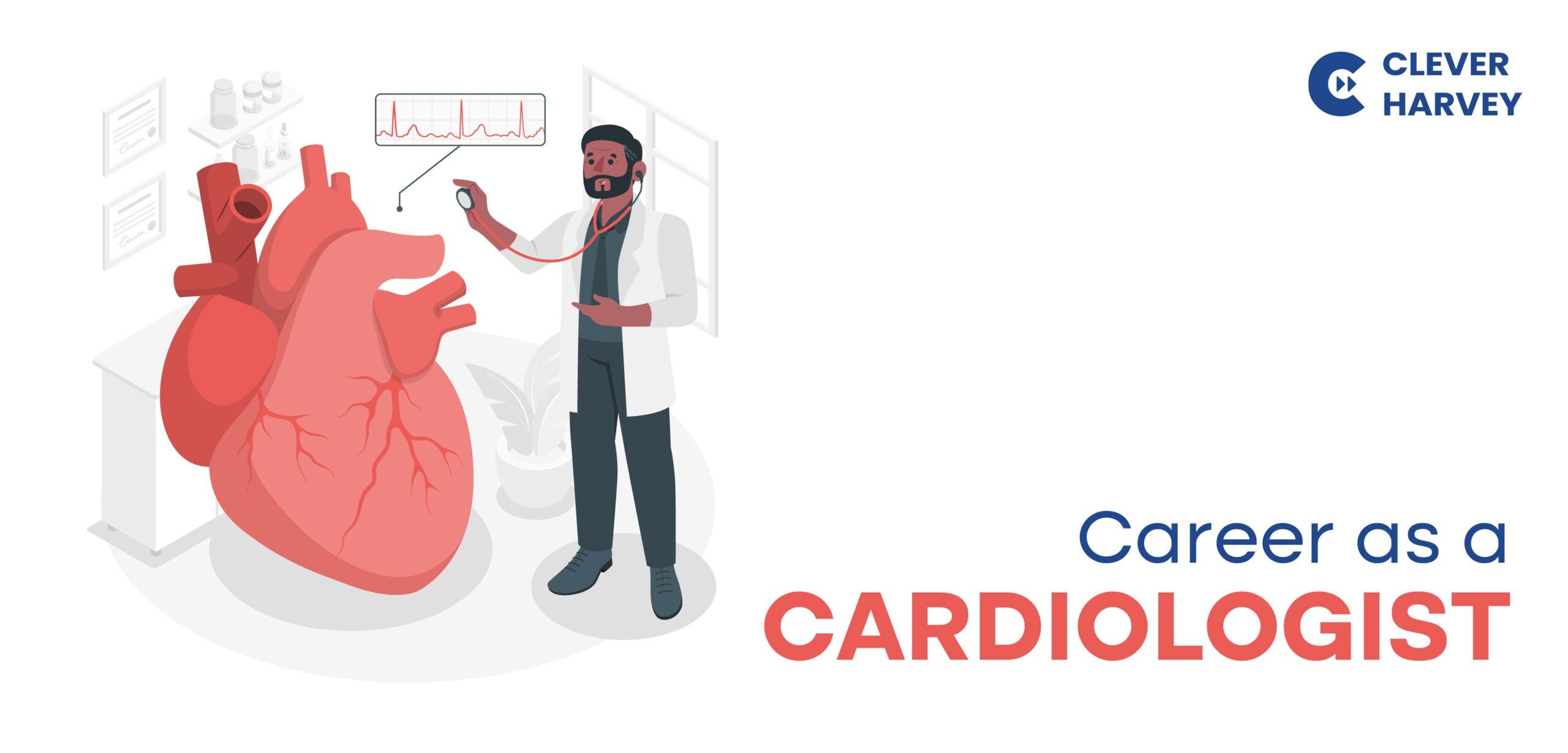
The Cardiologist Career Path: Education, Residency, Fellowships, and Specialization
The cardiologist career path requires approximately 13 to 15 years of higher education and clinical training. Candidates must earn a four-year bachelor's degree, complete four years of medical school (MD or DO), complete a three-year i...
The cardiologist career path requires approximately 13 to 15 years of higher education and clinical training. Candidates must earn a four-year bachelor's degree, complete four years of medical school (MD or DO), complete a three-year internal medicine residency, and finish a three-year cardiovascular disease fellowship, with optional subspecialty training following initial board certification.
Contents
Overview of the Cardiology Training Pathway
Becoming a cardiologist is one of the most rigorous educational trajectories in medicine. Cardiology is a specialized branch of internal medicine focused on diagnosing, treating, and preventing disorders of the cardiovascular system, including heart failure, coronary artery disease, valvular heart disease, and cardiac arrhythmias.
Because cardiovascular conditions are often acute and complex, physicians in this field must develop extensive clinical acumen, procedural competence, and scientific knowledge. In the United States, the training model is governed by accredited institutions such as the Accreditation Council for Graduate Medical Education (ACGME) and certified by the American Board of Internal Medicine (ABIM). While international medical systems—such as the United Kingdom's National Health Service (NHS) or Canada's Royal College of Physicians and Surgeons—have distinct administrative structures, the core duration and clinical expectations remain broadly comparable worldwide.
Step 1: Undergraduate Education and Pre-Medical Prerequisites (Years 1–4)
The journey begins with an undergraduate degree from an accredited college or university. Aspiring cardiologists do not need a specific major in "pre-med," though most choose disciplines in the natural sciences such as biology, chemistry, biochemistry, or neuroscience to satisfy medical school admission requirements naturally.
Core Academic Prerequisites
Medical school admissions committees require foundational coursework in the biological and physical sciences. Standard course requirements typically include:
- Biological Sciences: Two semesters with laboratory components covering cellular biology, genetics, and anatomy.
- General and Organic Chemistry: Four semesters total (two of general chemistry, two of organic chemistry) with accompanying laboratory sessions.
- Physics: Two semesters with laboratory components covering mechanics, electricity, and optics.
- Biochemistry and Mathematics: One semester of biochemistry, along with calculus or statistics.
- Humanities and Social Sciences: Coursework in psychology, sociology, and English composition to ensure strong communication skills and behavioral science understanding.
The MCAT and Clinical Exposure
During the junior or senior year of undergraduate study, students must take the Medical College Admission Test (MCAT). The MCAT evaluates critical analysis, biological systems, physical science principles, and psychological concepts. Successful applicants to competitive medical programs generally maintain a high cumulative Grade Point Average (GPA)—typically 3.7 or higher—and achieve strong MCAT scores.
In addition to academics, pre-medical candidates must build a competitive application profile through:
- Clinical Shadowing: Observing cardiologists and primary care physicians in clinical settings to understand daily workflow and patient interactions.
- Medical Volunteering: Direct patient care experience as a certified nursing assistant (CNA), emergency medical technician (EMT), or hospice volunteer.
- Basic or Clinical Research: Participating in scientific research laboratories, authoring abstract posters, or contributing to peer-reviewed literature.
Step 2: Medical School Education (Years 5–8)
Upon admission to an accredited medical school, students spend four years working toward either a Doctor of Medicine (MD) or Doctor of Osteopathic Medicine (DO) degree. Both degree paths allow full licensure to practice cardiology, provided the student completes the standard graduate medical training requirements.
- Undergrad Degree (4 Years)
- Medical School (4 Years)
- Residency: Internal Medicine (3 Years)
- Fellowship: Cardiovascular Disease (3 Years)
- Advanced Fellowship (Optional) (1-2 Years)
Pre-Clinical Training (Years 1 and 2)
The first two years of medical school emphasize classroom instruction and laboratory work in the basic medical sciences. Students complete coursework in pathology, pharmacology, microbiology, immunology, gross anatomy, and physiology.
During this phase, organ system blocks cover cardiovascular physiology in depth, detailing electrophysiology, hemodynamics, cardiac histology, and pathology. Students learn to interpret electrocardiograms (ECGs), understand cardiac murmurs, and evaluate cardiovascular pharmacology, such as antiarrhythmics, beta-blockers, and antihypertensives. Near the end of Year 2, students take the United States Medical Licensing Examination (USMLE) Step 1 or the Comprehensive Osteopathic Medical Licensing Examination (COMLEX-USA) Level 1.
Clinical Clerkships (Years 3 and 4)
The final two years transition students from the classroom to hospital wards and outpatient clinics. Students complete core clinical rotations in major medical specialties:
- Internal Medicine
- General Surgery
- Pediatrics
- Obstetrics and Gynecology
- Psychiatry
- Neurology
During the internal medicine clerkship, students manage inpatient medical floors, write admission notes, present clinical cases to attending physicians, and assist in formulated treatment plans. Fourth-year students take elective rotations, often spending dedicated time in Cardiology Consult services, Cardiac Intensive Care Units (CICU), and cardiac catheterization laboratories. During Year 4, students complete USMLE Step 2 Clinical Knowledge (CK) or COMLEX Level 2 CE and participate in the National Resident Matching Program (NRMP) to secure an internal medicine residency position.
Step 3: Internal Medicine Residency (Years 9–11)
Cardiology is a subspecialty of internal medicine; direct entry into a cardiology fellowship straight from medical school is not available in North America. Physicians must first complete a three-year residency in ACGME-accredited Internal Medicine.
Internal Medicine Residency Timeline:
- Year 1 (Internship): Core Inpatient Medicine, ICU, & Basic Diagnostic Skills
- Year 2 (Junior Res.): Subspecialty Rotations (Cardiology, GI, Nephrology) & Leadership
- Year 3 (Senior Res.): Chief Resident Duties, Research, Cardiology Fellowship Application
Residency Workflow and Responsibilities
As internal medicine residents (often called house staff), physicians assume primary responsibility for patient care under the supervision of attending faculty. Key responsibilities include:
- Inpatient Care: Managing complex adult patients presenting with acute illnesses, such as myocardial infarction, acute decompensated heart failure, sepsis, and diabetic ketoacidosis.
- Intensive Care Unit (ICU) Rotations: Managing critically ill patients requiring mechanical ventilation, vasopressor support, and invasive hemodynamic monitoring (e.g., central lines and arterial lines).
- Outpatient Clinics: Managing continuous patient panels in primary care clinics to track chronic conditions over time.
- Subspecialty Rotations: Spending dedicated rotation blocks in cardiology services, heart failure services, and cardiac electrophysiology consults.
During residency, physicians complete USMLE Step 3 or COMLEX Level 3. At the conclusion of the three years, residents sit for the ABIM Internal Medicine Board Examination to become board-certified internists.
Step 4: Cardiovascular Disease Fellowship (Years 12–14)
After completing internal medicine residency, physicians apply to competitive three-year Cardiovascular Disease Fellowships through the NRMP Specialties Matching Service. Fellowships provide comprehensive clinical and procedural training in all aspects of cardiovascular care.
Core Fellowship Curriculum
The three-year fellowship is divided between clinical rotations, procedural suites, diagnostic imaging, and research. According to recommendations from the American College of Cardiology (ACC), fellows acquire competencies in Core Cardiology Training (COCATS) across several domains:
- Inpatient Cardiology Services: Managing general ward patients with complex cardiovascular illnesses and overseeing the Cardiac Intensive Care Unit (CICU).
- Echocardiography: Performing and interpreting transthoracic echocardiograms (TTE), transesophageal echocardiograms (TEE), and stress echocardiograms.
- Cardiac Catheterization (Invasive Cardiology): Performing diagnostic coronary angiography, measuring intracardiac pressures, and evaluating coronary anatomy via femoral or radial artery access.
- Nuclear Cardiology and Advanced Imaging: Interpreting single-photon emission computed tomography (SPECT) myocardial perfusion imaging, cardiac computed tomography (CT), and cardiac magnetic resonance imaging (CMR).
- Electrophysiology: Interpreting complex arrhythmia strips, managing pacemakers and implantable cardioverter-defibrillators (ICDs), and performing diagnostic electrophysiology studies.
Upon completion of the general cardiology fellowship, fellows are eligible to sit for the ABIM Cardiovascular Disease Board Examination to become certified non-invasive (general) cardiologists.
Step 5: Advanced Subspecialty Fellowships (Optional Years 15+)
Many cardiologists choose to further specialize by completing an additional one to two years of subspecialty fellowship training. Advanced subspecialties allow physicians to focus on specific patient populations, complex surgical/interventional procedures, or advanced diagnostics.
- General Cardiology (3-Year Fellowship)
- Interventional Cardiology (1-2 Years)
- Clinical Cardiac Electrophysiology (2 Years)
- Advanced Heart Failure & Transplant (1 Year)
- Adult Congenital Heart Disease (2 Years)
- Advanced Cardiac Imaging (1 Year)
1. Interventional Cardiology
- Duration: 1 to 2 years after general cardiology.
- Focus: Performing catheter-based treatments for structural and vascular heart diseases.
- Procedures: Percutaneous coronary interventions (PCI / angioplasty and stenting), coronary atherectomy, transcatheter aortic valve replacement (TAVR), percutaneous mitral valve repair (e.g., MitraClip), and left atrial appendage closure (LAAC).
2. Clinical Cardiac Electrophysiology (CCEP)
- Duration: 2 years after general cardiology.
- Focus: Diagnosing and treating complex electrical disorders and rhythm disturbances of the heart.
- Procedures: Catheter ablation of atrial fibrillation, atrial flutter, and ventricular tachycardia; implantation and management of pacemakers, defibrillators, and cardiac resynchronization therapy (CRT) devices.
3. Advanced Heart Failure and Transplant Cardiology
- Duration: 1 year after general cardiology.
- Focus: Managing patients with end-stage heart failure, pulmonary hypertension, and cardiac allografts.
- Procedures & Management: Evaluating patients for mechanical circulatory support (e.g., Left Ventricular Assist Devices or LVADs), post-transplant immunosuppression, and end-stage medical therapy.
4. Adult Congenital Heart Disease (ACHD)
- Duration: 2 years after general cardiology (or pediatric cardiology).
- Focus: Caring for adult patients born with structural cardiac defects who have undergone prior surgical repairs or require lifelong specialized monitoring.
5. Advanced Cardiac Imaging
- Duration: 1 year after general cardiology.
- Focus: Advanced diagnostic modalities including high-level cardiac MRI, structural cardiac CT, and advanced 3D transesophageal echocardiography for procedural guidance.
Career Path Summary Matrix
The following table summarizes the complete educational progression, typical duration, core qualifications, and training milestones for each stage of the cardiologist career path.
| Training Stage | Typical Duration | Minimum Prerequisites | Primary Milestone / Certification | Primary Responsibilities |
|---|---|---|---|---|
| Undergraduate Education | 4 Years | High School Diploma / GED | Bachelor's Degree (BS/BA), MCAT Score | Science prerequisites, clinical shadowing, research. |
| Medical School | 4 Years | Bachelor's Degree, MCAT | MD or DO Degree, USMLE/COMLEX Step 1 & 2 | Classroom science, core hospital clerkships. |
| Internal Medicine Residency | 3 Years | MD/DO, USMLE/COMLEX Pass | ABIM Internal Medicine Board Eligibility, USMLE Step 3 | Direct patient care, ICU rotations, general medicine. |
| General Cardiology Fellowship | 3 Years | Completed IM Residency, Board Eligibility | ABIM Cardiovascular Disease Certification | Diagnostic catheterization, echocardiography, CICU. |
| Subspecialty Fellowship (Optional) | 1–2 Years | Completed General Cardiology Fellowship | ABIM Subspecialty Board Certification (e.g., Interventional, CCEP) | Advanced procedural focus (PCI, ablations, transplants). |
| Attending Cardiologist | Career | Board Certification, State Medical License | Maintenance of Certification (MOC), State Licensure | Independent clinical practice, clinical administration. |
Licensing, Board Certification, and Regulatory Requirements
To practice independently, a cardiologist must navigate multiple regulatory requirements established by state licensing boards and specialty associations.
Medical Licensure
After passing USMLE Step 3 or COMLEX Level 3 and completing at least one to two years of postgraduate residency, physicians apply for an unrestricted state medical license. Licensure must be renewed periodically according to individual state medical board regulations.
ABIM Board Certification
Cardiologists typically hold dual or triple board certifications:
- ABIM Internal Medicine Certification (achieved post-residency).
- ABIM Cardiovascular Disease Certification (achieved post-fellowship).
- Subspecialty Certification (e.g., Interventional Cardiology, Electrophysiology, or Heart Failure).
In addition, cardiologists often obtain subspecialty certification from independent credentialing bodies, such as the National Board of Echocardiography (NBE) or the Certification Board of Nuclear Cardiology (CBNC).
Maintenance of Certification (MOC)
Physicians must maintain board status by completing Continuing Medical Education (CME) credits, participating in quality improvement initiatives, and passing periodic assessment modules or examinations designated by the ABIM MOC framework.
Practice Environments, Compensation, and Professional Outlook
Practice Models
Cardiologists practice in various clinical settings, each offering distinct lifestyle dynamics and clinical focus:
- Hospital-Employed Practice: Cardiologists work directly for major healthcare networks or academic medical centers. This setting offers stable base salaries and structured administration but may involve higher call burdens.
- Private Group Practice: Physicians are partners or employees in physician-owned clinics. This model offers greater operational autonomy and potential profit-sharing, though administrative overhead must be managed directly.
- Academic Medicine: Based at university teaching hospitals, academic cardiologists split time between clinical care, teaching residents and fellows, and conducting clinical trials or scientific research funded by organizations like the National Institutes of Health (NIH).
Compensation and Job Outlook
Cardiology remains one of the highest-compensated medical specialties due to the procedural nature of the work and the high demand for cardiovascular services driven by an aging population.
According to national physician compensation studies, general cardiologists earn a median annual income of approximately $500,000 to $550,000, while surgical and procedural subspecialists—such as interventional cardiologists and electrophysiologists—frequently earn between $600,000 and $750,000 annually depending on geographic location, RVU (Relative Value Unit) productivity, and practice structure.
Demand for cardiologists remains robust due to the prevalence of chronic cardiovascular conditions, such as hypertension, diabetes, ischemic heart disease, and heart failure.
Frequently Asked Questions
How long does it take to become a cardiologist from start to finish?
From the beginning of undergraduate study, it takes a minimum of 14 years to become a general non-invasive cardiologist: 4 years of college, 4 years of medical school, 3 years of internal medicine residency, and 3 years of general cardiology fellowship. Adding a subspecialty fellowship (such as interventional cardiology or electrophysiology) extends the total time to 15 or 16 years.
What is the difference between a general cardiologist and an interventional cardiologist?
A general (non-invasive) cardiologist focuses on diagnosing heart disease, managing chronic cardiovascular conditions medically, reading echocardiograms, and performing diagnostic tests. An interventional cardiologist undergoes 1 to 2 additional years of training to perform invasive, catheter-based procedures inside the heart, such as placing stents to open blocked arteries or repairing heart valves via percutaneous methods.
Can a Doctor of Osteopathic Medicine (DO) become a cardiologist?
Yes. DOs follow the exact same residency and fellowship training pathways as MDs. They must complete an ACGME-accredited internal medicine residency and an accredited cardiovascular disease fellowship. Both MD and DO physicians are eligible for ABIM board certification in cardiology.
What is the hardest part of the cardiology career path?
Most physicians identify the length of training, intense competition for ACGME-accredited cardiology fellowships, and high clinical workload as the primary challenges. During fellowship and early attending practice, managing emergency call rotations for acute cardiac events (such as active heart attacks or severe arrhythmias) requires significant time commitment and resilience.
How competitive is the cardiology fellowship match?
Cardiovascular disease fellowship is one of the most competitive internal medicine subspecialty matches managed by the NRMP. Applicants generally need strong internal medicine residency performance, compelling letters of recommendation from cardiologists, a solid track record of cardiovascular research publications, and high board examination scores.
Recommended Next Steps for Prospective Cardiologists
For candidates considering a career in cardiology, early strategic planning is essential:
- For High School and Undergraduate Students: Focus on achieving a strong science GPA, preparing for the MCAT, and gaining early clinical exposure by shadowing cardiologists or working in hospital environments.
- For Medical Students: Prioritize strong clinical performance during Year 3 internal medicine rotations, secure faculty mentors in cardiology departments, and publish original research or case reports in peer-reviewed cardiovascular journals.
- For Internal Medicine Residents: Plan early for the fellowship match by completing cardiology electives in Year 1, serving as chief resident if possible, and connecting with fellowship program directors through clinical conferences such as the ACC Scientific Sessions.
Image Gallery