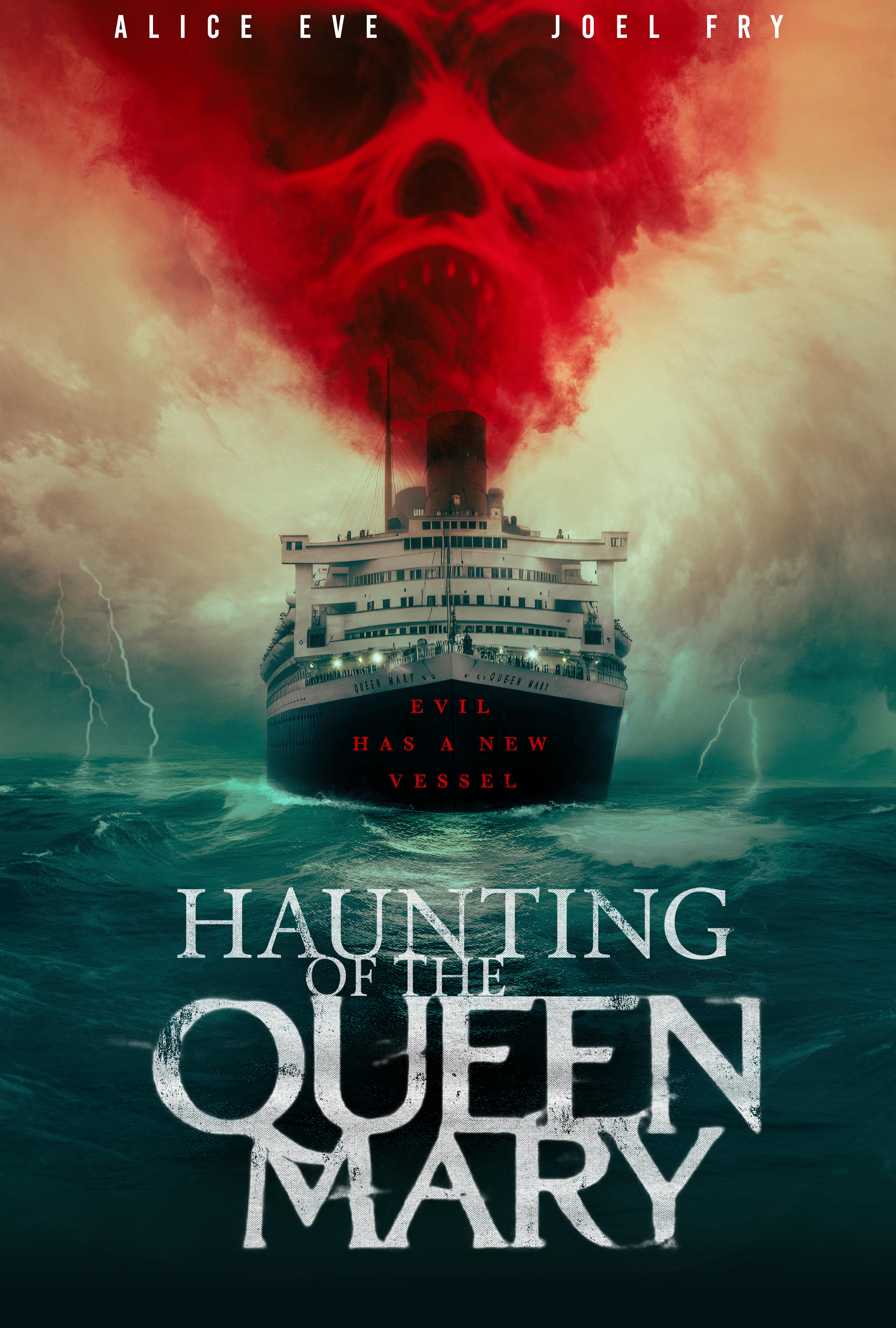
The Queen Mary Hotel Haunted Reputation Explained
The Queen Mary’s haunted reputation stems from a confluence of tragic historical events—including wartime accidents and untimely deaths at sea—coupled with decades of reported paranormal sightings by guests and crew. These legends, pop...
The Queen Mary’s haunted reputation stems from a confluence of tragic historical events—including wartime accidents and untimely deaths at sea—coupled with decades of reported paranormal sightings by guests and crew. These legends, popularized by paranormal television and themed tours, center on specific "hotspots" like the First Class Pool and Stateroom B340.
Contents
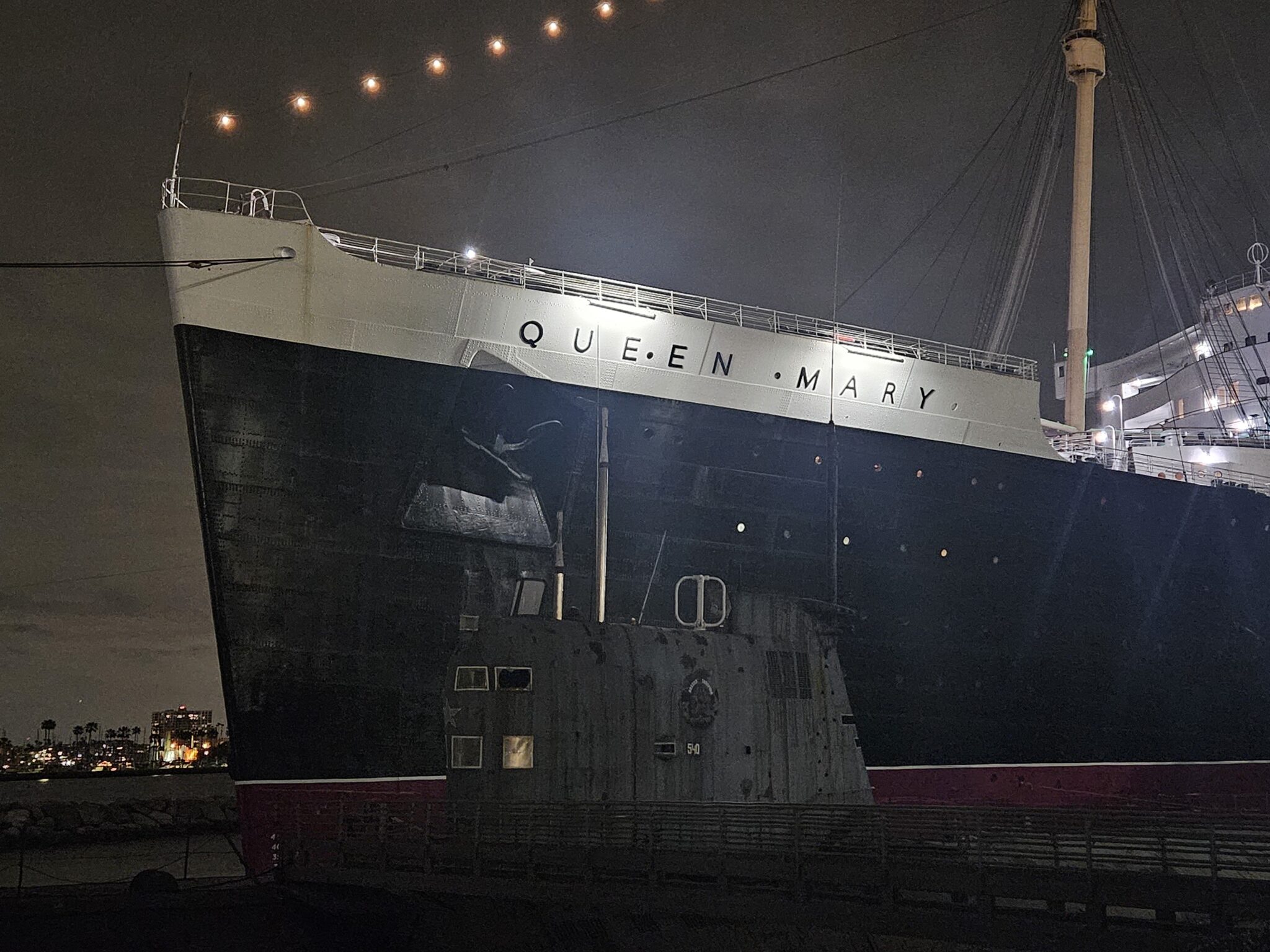
Permanently docked in Long Beach, California, the RMS Queen Mary is more than just a retired ocean liner; it is a monumental piece of maritime history that has transitioned into a world-renowned hotel and "paranormal laboratory." For decades, it has topped lists of the world’s most haunted places. However, understanding why this ship carries such a heavy reputation requires looking past the ghost stories to the actual events that occurred within its steel hull and how those events were transformed into modern folklore.
The Historical Foundation of the "Grey Ghost"
To understand the hauntings, one must first understand the ship’s dual identity. Launched in 1936, the Queen Mary was the pinnacle of transatlantic luxury. However, with the onset of World War II, she was stripped of her finery, painted stark grey, and dubbed the "Grey Ghost" due to her stealth and speed.
During her service as a troopship, the Queen Mary carried nearly 800,000 personnel. The sheer volume of human experience—anxiety, hope, and grief—is often cited by paranormal researchers as "residual energy" left behind. More concretely, the ship’s wartime history includes a genuine tragedy: the collision with the HMS Curacoa.
In 1942, while performing zig-zag maneuvers to evade U-boats, the Queen Mary accidentally sliced through its escort ship, the HMS Curacoa. Due to strict orders not to stop for fear of submarine attacks, the Queen Mary continued on, leaving hundreds of men to perish in the water. While this event happened outside the ship, many believers suggest the trauma of the event is psychically linked to the vessel, particularly in the lower decks and engine rooms where the impact was felt.
Specific Haunted Hotspots Explained
The reputation of the Queen Mary is not a generalized "spookiness" but is instead anchored to specific locations on the ship. Each of these "hotspots" has a dedicated backstory that mixes historical fact with urban legend.
Stateroom B340: The Infamous Room
Stateroom B340 is arguably the most famous haunted location on the ship. For years, it was not available for booking, which fueled rumors that it was "too dangerous" or "too active" for guests. The legends claim a passenger was murdered in the room, or that a staff member died there under mysterious circumstances.
In reality, the room was often used for storage during the ship's mid-century operations. When the ship transitioned into a hotel, the room was eventually reopened to the public in 2018. Guests frequently report:
- Knocking on the door when no one is there.
- The bathroom lights or faucets turning on and off independently.
- The bedcovers being pulled off while they sleep.
From a technical perspective, B340’s layout and its proximity to the ship’s central plumbing and electrical hubs may contribute to the reported mechanical anomalies, but for the paranormal enthusiast, it remains the "holy grail" of overnight stays.
The First Class Swimming Pool
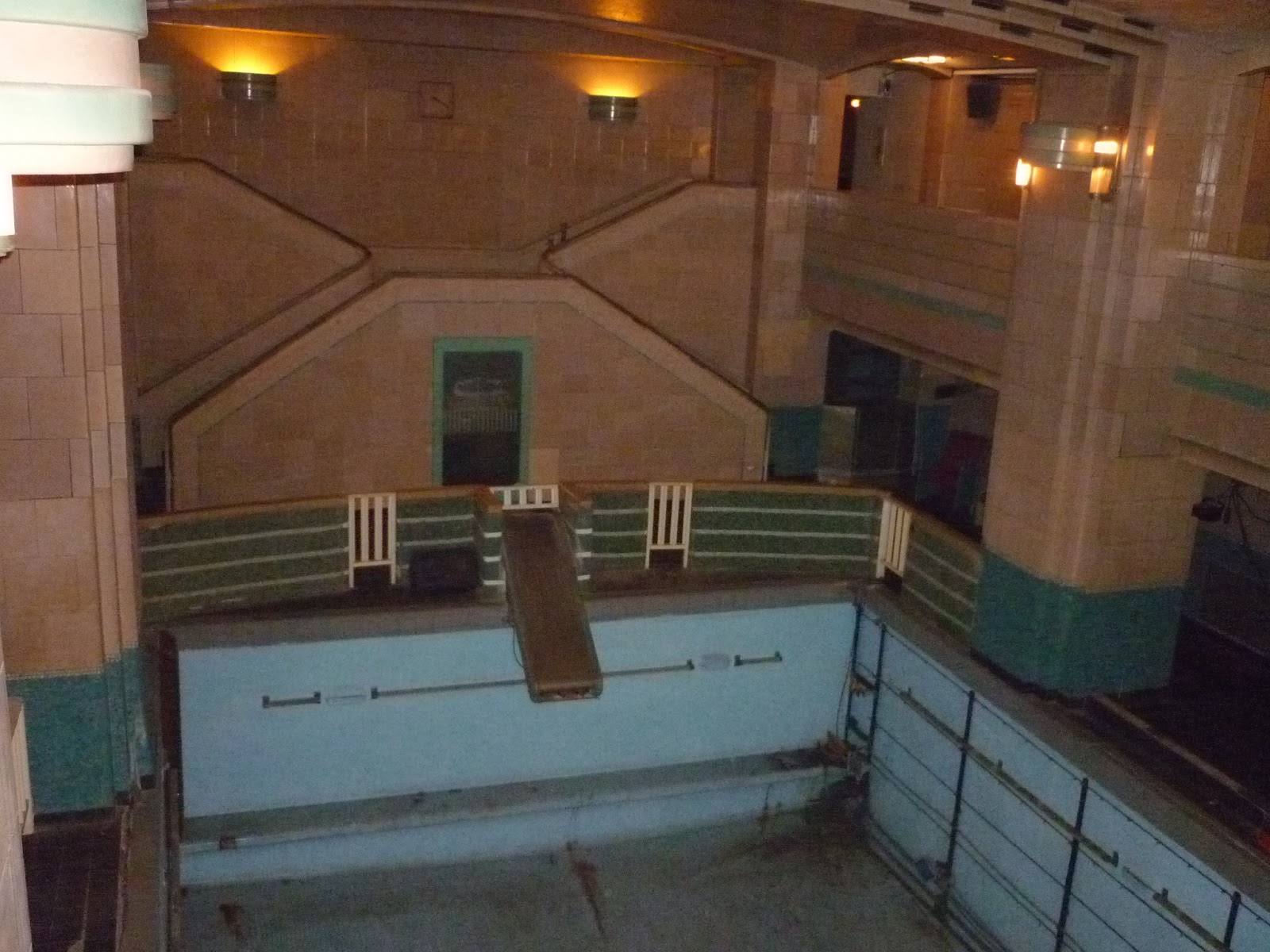
Though it has been empty of water for many years, the First Class Swimming Pool is frequently cited as the most active area for sightings. The primary entity reported here is the "Lady in White," a woman in a flowy dress often seen pacing the upper balcony.
More chilling are the reports of "Jackie," a young girl believed to have drowned in the second-class pool (which no longer exists in its original form). Witnesses claim to hear the sound of a child’s laughter or splashes coming from the dry basin. Paranormal investigators often use "trigger objects" like balls or dolls in this area, claiming to capture evidence of them moving on their own.
Door 13 in the Engine Room
Deep in the bowels of the ship lies the Engine Room and the infamous Door 13. This was the site of a documented tragedy. During a routine "watertight door" drill in 1966, an 18-year-old crew member named John Pedder was crushed to death by the door.
Visitors and staff have reported seeing a young man in blue coveralls walking near the door or disappearing into the shadows. This specific haunting is often categorized as an "intelligent haunting," where the spirit appears to be aware of its surroundings, rather than a "residual haunting," which is more like a recording playing back.
The Role of Media and Tourism
It is impossible to explain the Queen Mary’s haunted reputation without acknowledging the role of the media. The ship has been featured on nearly every major paranormal television show, including Ghost Hunters, Most Haunted, and Ghost Adventures. These programs use high-tech equipment—such as Thermal Imaging, EVP (Electronic Voice Phenomenon) recorders, and Rem-Pods—to provide "proof" of the afterlife.
The commercial aspect of the ship also plays a role. Since its arrival in Long Beach in 1967, the Queen Mary has struggled with the high costs of maritime maintenance. Embracing the "haunted" brand has been a successful business strategy. The ship offers:
- Haunted Encounters Tours: Focused on the history of the sightings.
- Paranormal Shipwalks: Late-night explorations led by guides.
- Grey Ghost Project: Occasional public investigations using professional equipment.
While skeptics argue that these tours "prime" visitors to interpret natural sounds as supernatural, the tours provide the revenue necessary to keep the historic vessel afloat.
Scientific and Skeptical Explanations
To provide a balanced view, one must consider the environmental factors that contribute to the "feeling" of a haunting. Large metal structures like the Queen Mary are subject to various physical phenomena that can trick the human senses.
- Infrasound: This involves sound frequencies below the range of human hearing (typically below 20 Hz). Research has shown that infrasound can cause feelings of unease, dread, and even visual hallucinations (vibrating the fluid in the human eye). The ship’s massive old machinery and the movement of air through its vast ventilation shafts are prime sources of infrasound.
- Electromagnetic Fields (EMF): High levels of EMF, often found in old buildings and ships with complex wiring, have been linked to the sensation of being watched or "the creeps." Paranormal investigators look for "spikes" in EMF as evidence of ghosts, while skeptics point to the ship’s electrical grid as the culprit.
- The Power of Suggestion: Psychological studies suggest that when people are told a place is haunted, they are significantly more likely to interpret ambiguous stimuli—like a creaking floorboard or a draft—as paranormal activity.
| Location | Primary Reported Entity | Historical Basis | Common Reports |
|---|---|---|---|
| Room B340 | Unnamed Passenger | Conflicting reports of a 1948 death | Footsteps, faucets turning on, bed shaking |
| First Class Pool | Jackie / Lady in White | No documented child drownings in this pool | Wet footprints, child's laughter, splashing sounds |
| Door 13 | John Pedder | Crushed during a drill in 1966 | Young man in blue overalls, whistling |
| The Bow | Ghostly voices | 1942 collision with HMS Curacoa | Sound of metal tearing, muffled cries for help |
| Queen's Salon | Woman in White | 1930s high society era | A woman dancing alone in the corner of the room |
The Queen Mary in 2026: Status and Experience
As of 2026, the Queen Mary continues to operate as a premier destination for both history buffs and ghost hunters. Following extensive renovations between 2022 and 2025 by the City of Long Beach, many of the "haunted" areas have been preserved and even highlighted. The ship remains a unique intersection of authentic maritime engineering and modern folklore.
For those planning to visit or stay overnight, the experience is a mix of luxury and mystery. The ship’s original Art Deco woodwork and portholes remain intact, providing an atmosphere that feels frozen in time. Whether the sightings are the result of spirits or the byproduct of a massive, aging iron hull, the Queen Mary’s reputation is firmly cemented in the American cultural landscape.
Frequently Asked Questions
Has anyone actually died on the Queen Mary?
Yes, there are at least 47 documented deaths that occurred on the ship during its service as a luxury liner and troopship. These include deaths from natural causes (heart attacks), accidents (like John Pedder in the engine room), and infectious diseases. These documented events provide the factual foundation for many of the ship’s ghost stories.
Is Room B340 safe to stay in?
From a physical standpoint, yes. The room has been fully renovated to meet modern hotel standards and safety codes. While many guests report "spooky" experiences, there have been no reports of physical harm. It is one of the most requested rooms on the ship, so early booking is essential.
Can you go on a ghost hunt on the Queen Mary?
The Queen Mary offers several official paranormal tours that allow guests to explore the most active areas of the ship after dark. While the ship does not generally allow unauthorized professional investigations with heavy equipment during normal hotel hours, they do host special "investigation nights" for the public several times a year.
What is the "Grey Ghost" and why is it called that?
The "Grey Ghost" was the ship's nickname during World War II. To camouflage the ship from German U-boats, her bright colors were painted over with a dull grey. The nickname also referred to her incredible speed, which allowed her to "haunt" the Atlantic, appearing and disappearing before enemy ships could strike.
Is the First Class Pool still used for swimming?
No, the First Class Swimming Pool is no longer operational for swimming due to safety and preservation concerns. It remains one of the primary stops on the ship's tours, as it is considered one of the most paranormally active locations on board.
Practical Advice for Visitors
If you are visiting the Queen Mary to explore its haunted reputation, it is recommended to book a "Haunted Encounters" tour first to learn the history and context of each location. For the best experience, stay overnight in an original stateroom. Even if you don't encounter a ghost, the 1930s craftsmanship and the sheer scale of the vessel are worth the visit. Be sure to check the official Queen Mary website for the current 2026 tour schedule and any seasonal "Dark Harbor" events during the Halloween period.
Image Gallery