Patience Meaning in English: Definitions, Synonyms, and Practical Usage
In English, patience is a noun that describes the capacity to accept or tolerate delay, trouble, or suffering without getting angry or upset. It represents a fundamental virtue of self-control and emotional endurance, allowing individu...
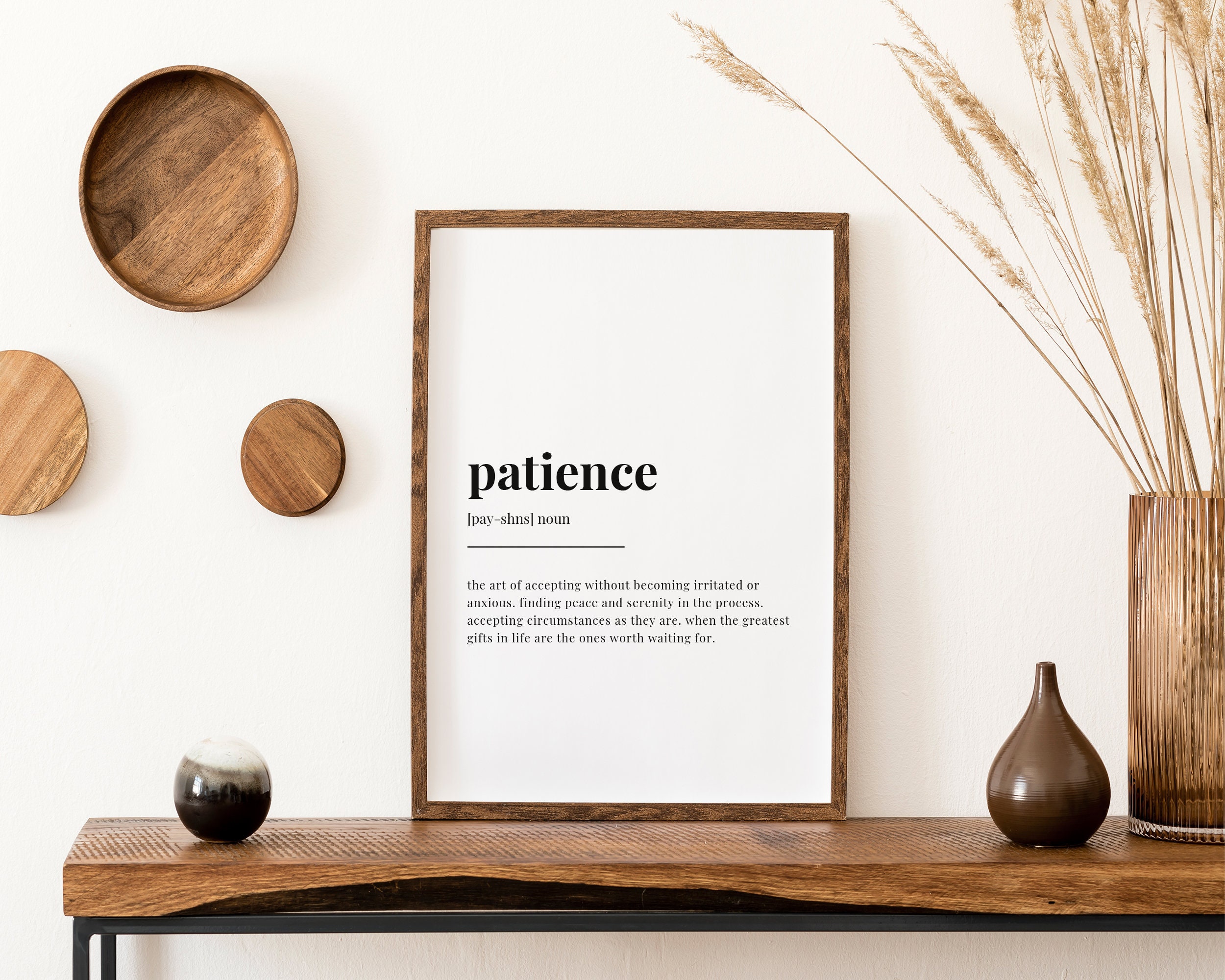
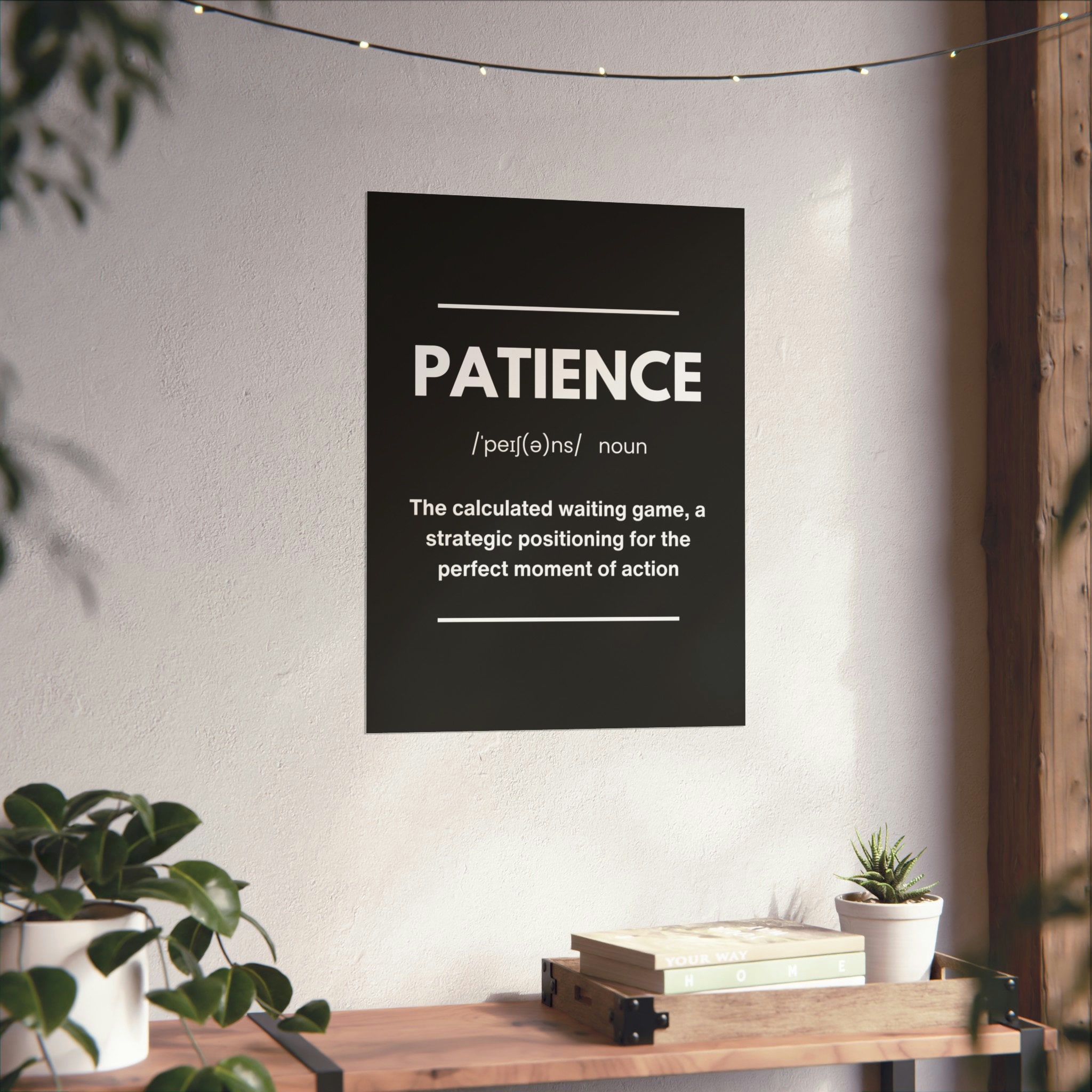
In English, patience is a noun that describes the capacity to accept or tolerate delay, trouble, or suffering without getting angry or upset. It represents a fundamental virtue of self-control and emotional endurance, allowing individuals to remain calm when facing adversity or waiting for long-term goals to manifest.
Contents
The Linguistic Foundation of Patience
To understand the meaning of patience in English, one must first look at its grammatical function and basic definitions. As a non-count noun, patience refers to a quality or state of being. According to the Merriam-Webster Dictionary, it is defined as the "ability or willingness to suppress restlessness or annoyance when confronted with delay."
In practical English usage, the word is often paired with verbs such as "to have," "to exercise," or "to lose." For example, "She has the patience of a saint" suggests an extraordinary level of endurance, while "I am losing my patience" indicates a nearing end to one's emotional restraint. In 2026, linguists continue to observe how the term has evolved from a purely passive state of waiting to an active psychological tool used for navigating high-pressure environments.
The adjective form of the word is "patient." While "patience" is the abstract concept, being "patient" is the application of that concept. Understanding this distinction is vital for non-native speakers who may confuse the noun and adjective in sentence construction. For instance, you "show patience" (noun) because you are a "patient person" (adjective).
Etymology: The History of Suffering and Endurance
The English word "patience" entered the language through Middle English, derived from the Old French patience, which in turn originated from the Latin patientia. The Latin root is pati, a verb meaning "to suffer," "to endure," or "to bear."
Historically, this etymological link to suffering is significant. In ancient and medieval contexts, patience was not merely about waiting for a bus or a slow website to load; it was about the fortitude required to endure physical pain or religious persecution without losing one's faith or composure. This "suffering" aspect remains embedded in the word today, even if our modern "sufferings" are often minor inconveniences.
By the time of the Renaissance, the meaning of patience in English expanded to include the idea of "quiet perseverance." It became a scholarly and gentlemanly virtue, associated with the pursuit of knowledge and the stoic management of one's emotions. As we look at the term in 2026, the historical weight of patientia serves as a reminder that true patience requires a level of internal strength that goes beyond simple passivity.
The Three Dimensions of Patience
Psychologists and linguists often categorize patience into three distinct types based on the nature of the challenge being faced. Understanding these nuances helps clarify the meaning of patience in different English-speaking contexts.
1. Interpersonal Patience
This involves dealing with difficult people without responding with anger or frustration. In an English-speaking workplace or social setting, interpersonal patience is seen as a key component of emotional intelligence. It is the ability to remain calm when a colleague is slow to understand a concept or when a family member is being provocative. It requires a high degree of empathy and the suppression of the immediate urge to criticize.
2. Life Hardship Patience
This dimension refers to the endurance of significant life obstacles. This could include waiting for a medical recovery, navigating a long-term career transition, or enduring a period of financial instability. In 2026, as global economic shifts continue to demand adaptability, this form of patience is increasingly recognized as a form of "grit" or resilience. It is the "long game" version of the word’s meaning.
3. Daily Hassles Patience
This is the most common form of patience discussed in everyday English. It refers to the ability to stay composed during minor setbacks, such as traffic jams, long checkout lines, or technological glitches. While these events are trivial compared to life hardships, the ability to manage "daily hassles" is often the most visible indicator of a person's temperament.
Synonyms and Semantic Nuances
While "patience" is the most common term, English offers several synonyms that carry specific shades of meaning. Selecting the right word depends on the intensity of the situation and the desired tone.
- Forbearance: This term implies a deliberate restraint from responding to provocation. It is often used in legal or formal contexts, such as "debt forbearance," where a creditor refrains from enforcing a debt.
- Endurance: Unlike the sometimes passive connotation of patience, endurance suggests a physical or mental toughness required to survive a prolonged ordeal. You have the "patience" to wait for a result, but you have the "endurance" to run a marathon.
- Fortitude: This synonym adds a layer of courage. Fortitude is patience in the face of adversity or danger. It suggests a moral strength that supports the individual through a trial.
- Tolerance: Often used interchangeably with patience, tolerance specifically refers to the capacity to endure something that one dislikes or disagrees with without interference.
Comparison of Related Terms
The following table distinguishes between patience and its most closely related concepts to help clarify its specific meaning in English.
| Term | Focus | Core Action | Context |
|---|---|---|---|
| Patience | Time and Delay | Waiting without agitation | General daily use; waiting for outcomes. |
| Tolerance | Difference/Discomfort | Enduring something disliked | Social, religious, or sensory differences. |
| Resilience | Recovery/Bounce-back | Recovering from a setback | Psychological strength after a failure. |
| Forbearance | Restraint/Mercy | Choosing not to react | Legal, financial, or high-conflict social situations. |
| Perseverance | Goal Orientation | Continuing despite obstacles | Career, education, and long-term projects. |
Common Idioms and Phrases Involving Patience
To truly master the meaning of patience in English, one must understand how the word is used in idiomatic expressions. These phrases are common in both spoken and written English as of 2026.
- "Patience is a virtue": A proverb suggesting that the ability to wait for something without getting upset is a valuable quality.
- "The patience of Job": A biblical reference to a man who endured extreme suffering without losing his faith. It describes someone with an incredible capacity for endurance.
- "Run out of patience": To reach a point where one can no longer remain calm or wait.
- "Try someone’s patience": To behave in a way that makes it very difficult for someone else to remain patient.
- "Wait it out": While not using the word "patience," this phrasal verb is the active application of the concept, meaning to wait until a situation resolves itself.
The Psychological Perspective of Patience in 2026
In 2026, the meaning of patience has taken on a new level of importance within the field of mental health. The American Psychological Association (APA) and other health organizations highlight patience as a protective factor against stress and burnout.
Biologically, exercising patience is linked to the regulation of the parasympathetic nervous system. When an individual chooses patience over anger, they prevent the "fight or flight" response from overwhelming their cognitive functions. This leads to lower levels of cortisol (the stress hormone) and improved long-term cardiovascular health.
Furthermore, patience is intrinsically linked to "delay of gratification." The ability to forego an immediate, smaller reward in favor of a later, larger reward is a hallmark of patience. In a world of instant digital feedback, the English definition of patience increasingly emphasizes this cognitive ability to prioritize long-term success over short-term impulses.
Practical Ways to Exercise Patience
Understanding the meaning of patience is the first step; practicing it is the second. In an English-speaking professional environment, demonstrating patience can be a significant career asset.
- Practice Active Listening: In conversations, patience means waiting for the other person to finish their thought before formulating a response. This reduces misunderstandings and builds rapport.
- Reframe the Situation: Instead of viewing a delay as a waste of time, reframe it as an opportunity for reflection or a break from a busy schedule.
- Identify Triggers: Recognize the specific situations that cause you to lose your patience. By identifying these "hot spots," you can prepare a calm response in advance.
- Mindfulness and Breathing: Short, intentional pauses and deep breathing can physically reset the body’s agitation levels, making it easier to maintain a patient mindset.
Frequently Asked Questions
Is patience a skill or a personality trait?
Patience is considered both. While some individuals may have a naturally calm temperament (a trait), patience is also a cognitive skill that can be developed through practice, mindfulness, and emotional regulation techniques. In 2026, many corporate training programs include patience and "emotional agility" as learnable skills for leadership.
What is the opposite of patience?
The direct antonym of patience is "impatience." Other related opposites include irritability, hastiness, restlessness, and intolerance. Impatience is characterized by an urgent need for immediate results and a lack of emotional control when those results are delayed.
How do you use the word "patience" in a formal sentence?
In formal writing, "patience" is often used to acknowledge someone else's cooperation. For example: "We appreciate your patience while our technical team resolves the server issues." This usage serves as a polite way to manage expectations during a delay.
Does patience mean being passive?
No. Patience is not the same as passivity or apathy. Passivity involves a failure to act when action is required. Patience, conversely, is a conscious choice to wait for the right time to act or to endure a situation that cannot be changed. It is an active state of self-regulation.
What is the "patience of a saint"?
This is a common English hyperbole used to describe someone who is exceptionally patient, far beyond what is expected of an average person. It is usually used as a high compliment for someone dealing with an extremely annoying or difficult situation.
Why is patience important in language learning?
For those learning English, patience is essential because language acquisition is a slow, non-linear process. Having patience with oneself allows the learner to accept mistakes as part of the journey rather than a reason to give up.
Recommendation for Further Growth
To deepen your understanding of the meaning of patience in English, observe its use in high-quality literature or long-form journalism. Pay attention to how authors use synonyms like "forbearance" or "fortitude" to describe their characters' internal states. For practical application, consider keeping a journal to track instances where you successfully exercised patience and those where you struggled. As of 2026, developing this "meta-awareness" of your emotional states remains one of the most effective ways to turn the abstract definition of patience into a lived reality.
Image Gallery