Comprehensive Guide to What a Corporate Credit Card Policy Covers in 2026
A corporate credit card policy defines the legal and operational framework for employee spending, specifically detailing authorized expense categories, individual spending limits, and mandatory documentation procedures. It serves as a...
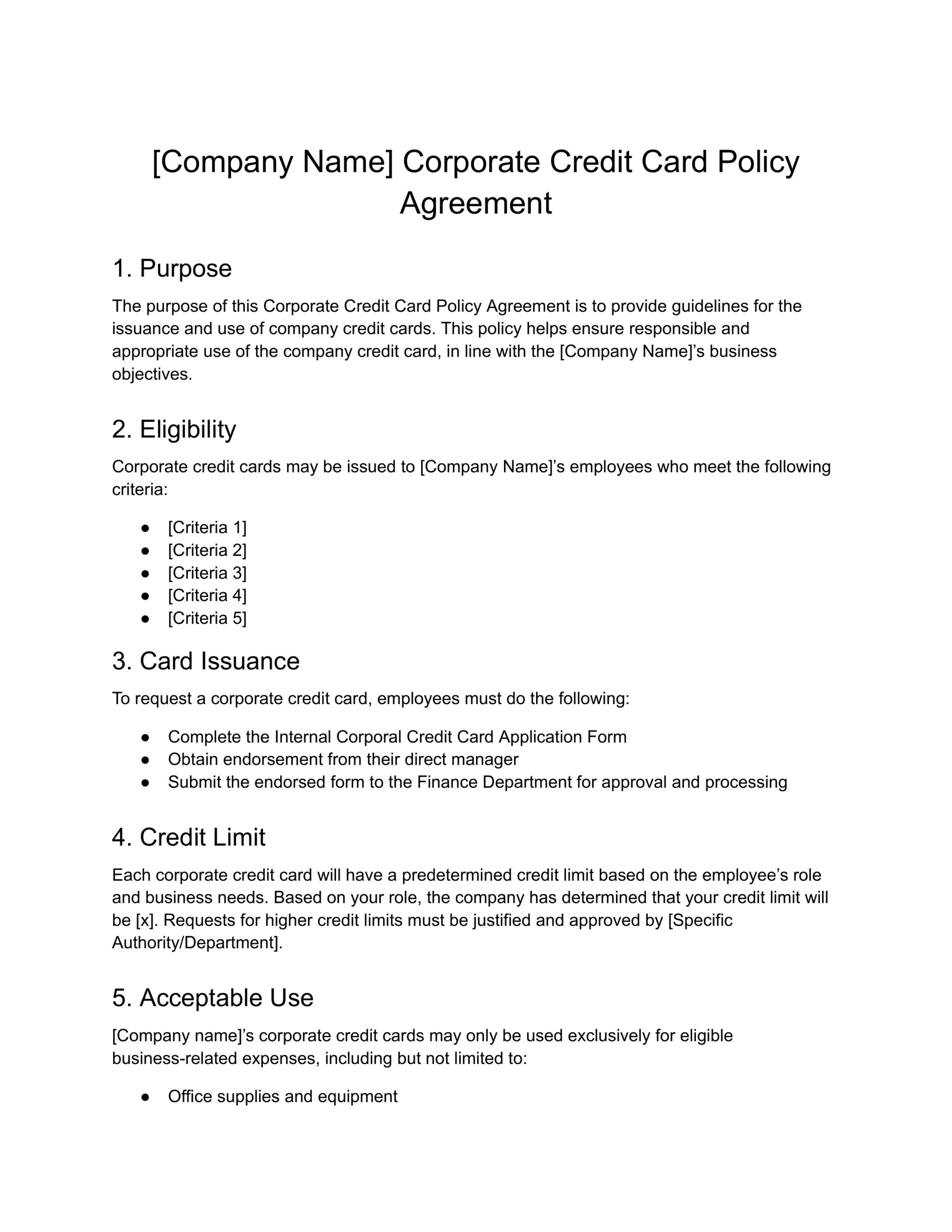
A corporate credit card policy defines the legal and operational framework for employee spending, specifically detailing authorized expense categories, individual spending limits, and mandatory documentation procedures. It serves as a binding agreement that outlines the company’s expectations for fiscal responsibility, the process for expense reconciliation, and the disciplinary consequences for policy violations or personal use of corporate funds.
Contents
As we navigate the business landscape of 2026, the complexity of corporate spending—ranging from decentralized SaaS subscriptions to global hybrid work expenses—demands a robust and transparent credit card policy. Without a clearly defined policy, organizations risk financial leakage, tax non-compliance, and internal friction. A well-crafted policy does more than just restrict spending; it empowers employees by providing clear boundaries and streamlines the work of finance teams through automated reconciliation and real-time oversight.
Core Components of an Effective Corporate Credit Card Policy
A comprehensive policy must address the lifecycle of a transaction, from the moment a card is swiped to the final audit. In 2026, these policies have evolved to include not just physical plastic cards but also virtual cards used for recurring digital payments.
Authorized Expense Categories
The primary function of the policy is to state exactly what the card can be used for. Most corporate policies focus on Travel and Entertainment (T&E), but modern versions have expanded to include:
- Travel Costs: Airfare, rail, car rentals, and ride-sharing services.
- Lodging: Hotel stays, including limits on nightly rates based on the city or region.
- Meals: Daily per diem rates or specific limits for client entertainment.
- Professional Development: Certification fees, industry conference registrations, and approved educational materials.
- Operational Supplies: Urgent office supplies or hardware needed for remote work setups.
- Software and Subscriptions: One-off or recurring payments for team-specific SaaS tools.
The policy should provide specific examples of "gray area" expenses to reduce ambiguity. For instance, it should clarify whether in-flight Wi-Fi is a reimbursable business necessity or a personal luxury.
Spending Limits and Transaction Caps
To manage cash flow and mitigate risk, policies define specific spending thresholds. These are rarely "one size fits all" and are typically tiered based on the employee's role, department, and frequency of travel.
- Single Purchase Limits: The maximum amount an employee can spend in one transaction without prior senior management approval.
- Monthly Credit Limits: The total credit available to the user per billing cycle.
- Daily Velocity Controls: Limits on the number of transactions allowed within a 24-hour period to flag potential card skimming or theft.
By setting these limits, a company ensures that a single lost card or a rogue spending spree cannot result in catastrophic financial loss. In 2026, many companies utilize smart card platforms that allow finance managers to adjust these limits instantly via mobile apps.
Documentation and Reconciliation Requirements
Even if a purchase is authorized, it must be documented to satisfy internal audits and tax regulations, such as those overseen by the Internal Revenue Service (IRS).
Receipt Management and Digital Logging
Modern policies emphasize digital-first documentation. Employees are typically required to:
- Capture Images: Use a mobile expense app to photograph physical receipts immediately.
- Forward Digital Invoices: Send email receipts directly to the company’s expense management system.
- Provide Descriptions: Each transaction must be categorized (e.g., "Client Dinner - Project X") to ensure accurate bookkeeping.
The policy should specify the deadline for submission—usually within 30 days of the transaction. Failure to provide documentation can lead to the expense being flagged as a personal "taxable benefit" to the employee, which has significant payroll tax implications.
The Role of Automated Reconciliation
In 2026, many corporate card policies are integrated with AI-driven accounting software. The policy should explain how the system automatically matches card swipes with uploaded receipts. This section of the policy should also guide employees on how to handle "split transactions," where a single bill might contain both business and personal items (e.g., a hotel bill that includes a personal movie rental).
Prohibited Uses and Ethical Conduct
A critical section of the policy is the "Negative List"—the explicit list of what the card must never be used for. Clarity here is the best defense against accidental misuse.
- Personal Expenses: Under no circumstances should the card be used for personal groceries, clothing, or household bills, even if the employee intends to "pay the company back" later.
- Cash Advances: Most policies prohibit withdrawing cash from ATMs using a corporate card due to the high fees and the difficulty of tracking the ultimate use of those funds.
- Unauthorized Vendors: Restrictions may be placed on specific Merchant Category Codes (MCCs), such as gambling establishments, jewelry stores, or liquor stores.
- Political Contributions: To maintain corporate neutrality and comply with campaign finance laws, using corporate funds for political donations is strictly forbidden.
The policy must clearly state that "ignorance of the rules" is not a valid defense. It should outline a progressive disciplinary scale, ranging from a formal warning for a first-time receipt error to immediate termination and legal action for intentional fraud.
Liability, Security, and Cardholder Responsibilities
One of the most misunderstood aspects of corporate credit cards is the question of who is legally responsible for the debt.
Corporate vs. Individual Liability
Most large organizations use Corporate Liability, where the company is responsible for paying the card issuer directly. However, some smaller firms use Individual Liability, where the employee pays the bill and is reimbursed by the company. The policy must explicitly state which model is in use. Furthermore, it should clarify that the company is not responsible for any late fees or interest charges incurred due to the employee's failure to submit reports on time.
Security Protocols
Cardholders are the first line of defense against fraud. The policy should mandate:
- Immediate Reporting: Cards must be reported lost or stolen within a specific timeframe (e.g., 24 hours).
- Secure Storage: Requirements for keeping physical cards safe and virtual card details encrypted.
- No Sharing: A strict prohibition against sharing card details with colleagues or family members.
| Feature | Strict Policy Approach | Flexible Policy Approach |
|---|---|---|
| Spending Limits | Hard caps by role; no overages allowed. | Manager-override available for emergencies. |
| Receipts | Required for all transactions > $5. | Required for all transactions > $75 (IRS minimum). |
| Vendor Choice | Use of preferred partners only (e.g., Delta, Marriott). | Any reputable vendor within budget. |
| Reconciliation | Weekly submission required. | Monthly submission required. |
| Audit Frequency | 100% of transactions reviewed by AI. | Spot checks and high-value transaction reviews. |
Why a Written Policy is Legally Essential
Beyond internal organization, a written credit card policy is a vital legal document. If a company ever needs to terminate an employee for financial misconduct, having a signed policy that the employee violated provides the necessary evidence for "just cause."
Additionally, for companies operating in multiple jurisdictions, the policy must reflect local labor laws. For example, in some regions, a company cannot legally deduct a disputed credit card charge from an employee’s final paycheck without a prior written agreement. The Department of Labor (DOL) provides guidelines on wage deductions that businesses must consider when drafting their repayment clauses.
Frequently Asked Questions
Does using a corporate credit card affect my personal credit score?
In most cases, if the card is under a "Corporate Liability" agreement, it will not appear on your personal credit report or affect your score. However, if the company uses "Individual Liability" or if you are a "Joint Guarantor" (common in small businesses), late payments can negatively impact your personal credit. Always check the specific liability clause in your company's policy.
Can I keep the frequent flyer miles or rewards earned on the card?
This depends entirely on the company's policy. Many organizations allow employees to link their personal loyalty programs (like Delta SkyMiles or Hilton Honors) to the corporate card as a "perk" of business travel. Other companies choose to have the rewards points accrue to a central corporate account to offset future travel costs.
What happens if I accidentally use my corporate card for a personal purchase?
Accidents happen. Most policies require you to report the error to the Finance Department immediately. Usually, you will be asked to reimburse the company via a check or a payroll deduction. Frequent "accidents," however, are often flagged as a red flag for potential fraud and may lead to the revocation of your card privileges.
Are there limits on "Entertainment" spending for clients?
Yes, most policies include "Business Entertainment" guidelines that require a specific ratio of employees to clients and a clear business purpose for the event. In 2026, many policies also require the names and titles of all attendees to be listed in the expense report to comply with anti-bribery and transparency regulations.
How are virtual cards different in the company policy?
Virtual cards are typically issued for specific purposes, such as a one-time purchase or a recurring subscription. The policy treats them similarly to physical cards regarding authorization and documentation, but they often have stricter "single-use" or "vendor-locked" controls that make them inherently more secure.
Strategic Recommendations for Implementation
To ensure a corporate credit card policy is effective, it should be treated as a living document. Finance leaders should review the policy annually to adjust for inflation, changing travel costs, and new tax laws.
- Mandatory Training: Do not just hand over a card. Require employees to complete a 15-minute digital training module on the policy before the card is activated.
- Clear Communication: Use simple, non-legalistic language. If an employee has to call the finance department to understand a rule, the policy is not clear enough.
- Leverage Technology: Move away from spreadsheets. Utilize integrated expense management platforms that bake the policy rules directly into the software, flagging non-compliant spend in real-time.
- Signed Acknowledgement: Ensure every cardholder signs a physical or digital copy of the policy. This protects the company legally and ensures the employee acknowledges their personal responsibility.
Image Gallery