Are Chick-fil-A Fries Gluten and Dairy Free? Allergen and Kitchen Safety Guide
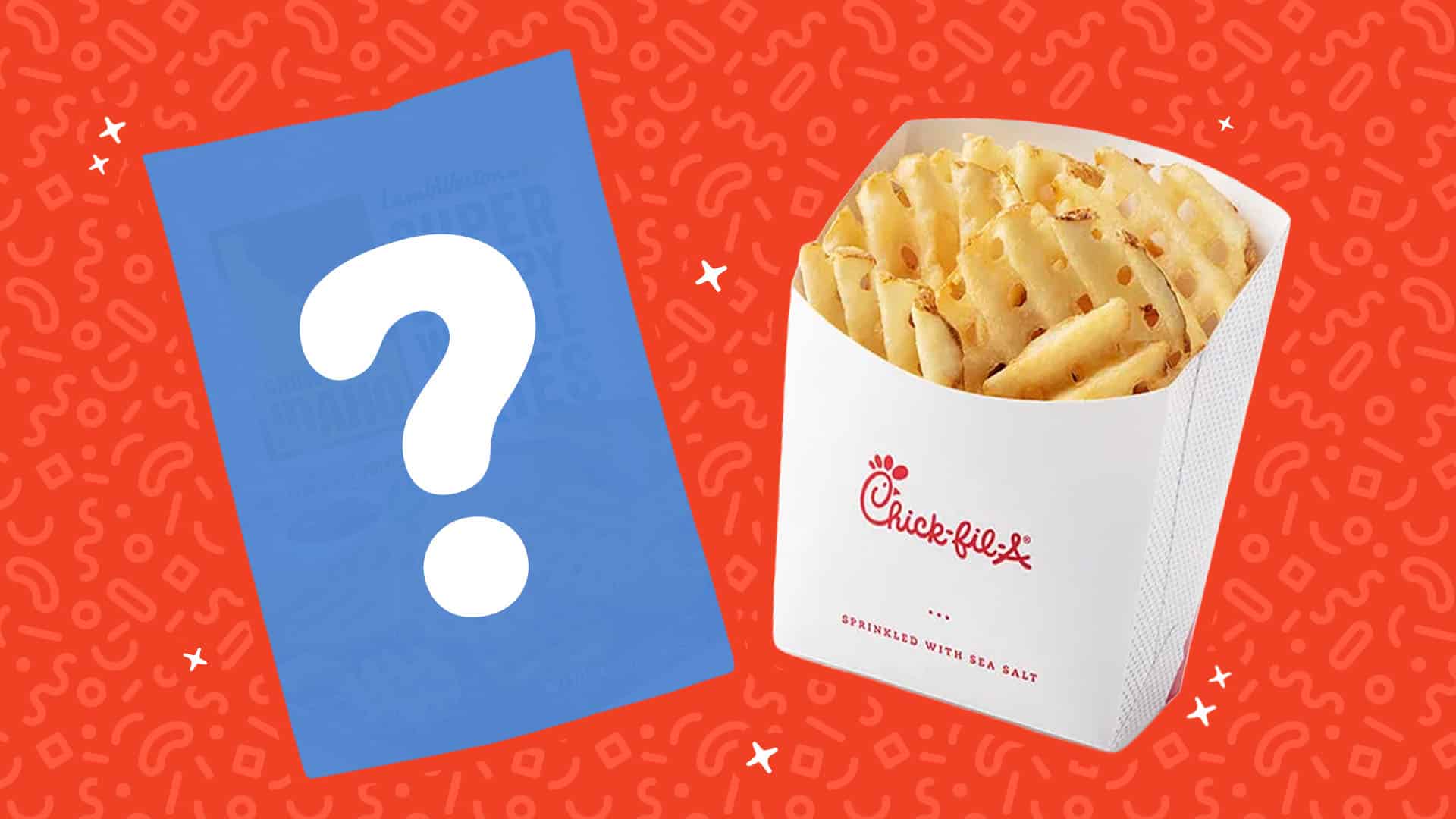
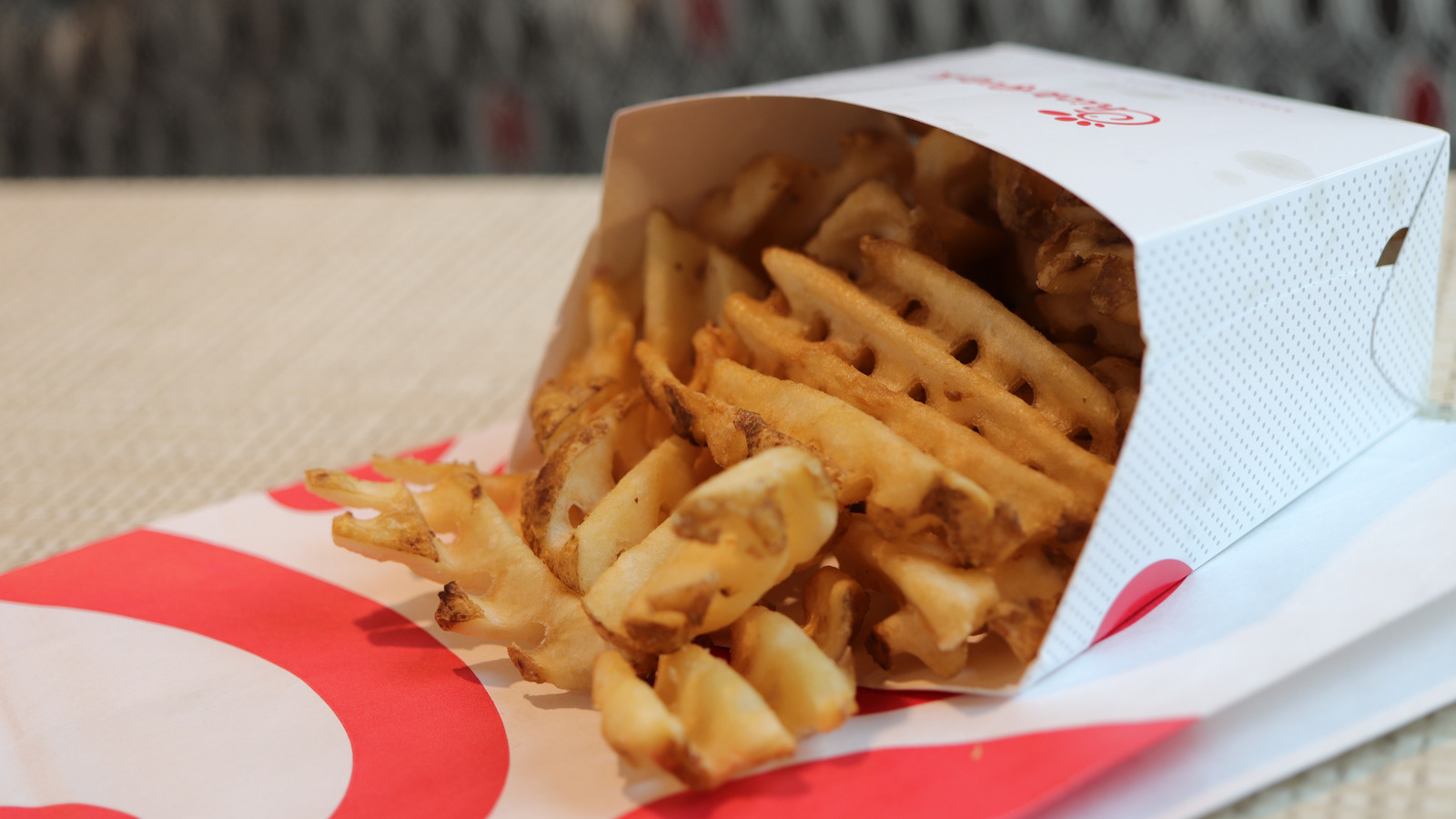
Chick-fil-A Waffle Potato Fries are naturally free of both gluten and dairy ingredients based on their standard recipe. Prepared using real potatoes, canola oil, sea salt, and a color-retention agent, the fries contain no wheat, barley...
Chick-fil-A Waffle Potato Fries are naturally free of both gluten and dairy ingredients based on their standard recipe. Prepared using real potatoes, canola oil, sea salt, and a color-retention agent, the fries contain no wheat, barley, rye, milk, butter, or whey. Additionally, Chick-fil-A prepares its fries in dedicated fryers containing canola oil, which significantly minimizes the risk of cross-contact with breaded, gluten-containing chicken items cooked in separate fryers.
Contents
Navigating fast-food menus with celiac disease, a non-celiac gluten sensitivity, a wheat allergy, lactose intolerance, or a severe milk allergy requires careful consideration. While ingredient lists offer vital baseline information, kitchen protocols, equipment sharing, and food preparation environments determine whether a menu item is truly safe for your specific health needs.
This guide breaks down the complete ingredient profile of Chick-fil-A Waffle Potato Fries, examines the chain's fryer protocols, evaluates cross-contact risks, reviews condiment safety, and compares Chick-fil-A’s practices with other major fast-food chains.
Ingredient Breakdown of Chick-fil-A Waffle Potato Fries
To confirm whether a food item fits within a gluten-free or dairy-free lifestyle, the first step is analyzing its raw formulation. Chick-fil-A keeps the ingredient list for its signature Waffle Potato Fries straightforward and free from top major food allergens.
According to the official Chick-fil-A Nutrition and Allergen Guide, Waffle Potato Fries are composed of four basic components:
- Potatoes: Whole, skin-on potatoes sliced into the iconic lattice waffle shape. Potatoes are inherently gluten-free complex carbohydrates and naturally free of animal dairy proteins.
- Canola Oil: Fully refined canola oil used to fry the potatoes to a crisp finish. Pure vegetable oils do not contain milk solids, whey, lactose, or gluten proteins.
- Sea Salt: Standard mineral salt applied immediately after cooking to enhance flavor.
- Disodium Dihydrogen Pyrophosphate: A food-grade preservative salt commonly added to commercially processed potato products to maintain natural potato color and prevent graying or oxidation after harvesting and freezing. This compound is chemically synthesized and completely free of dairy derivatives and grain gluten.
| Ingredient | Contains Gluten? | Contains Dairy? |
|---|---|---|
| Sliced Potatoes | No | No |
| Refined Canola Oil | No | No |
| Sea Salt | No | No |
| Disodium Dihydrogen Pyrophosphate | No | No |
Unlike some competing fast-food fries that incorporate wheat flour, hydrolyzed wheat protein, or milk-derived flavor enhancers during pre-treatment, Chick-fil-A fries maintain a minimal ingredient profile. They do not contain any added dairy powders, lactose, casein, whey, wheat flour, or malted barley extracts.
Fryer Protocols: Dedicated Equipment vs. Cross-Contact Risks
For individuals with celiac disease or severe food allergies, raw ingredients represent only half of the safety equation. Cooking equipment and oil management are equally critical factors.
The Role of Dedicated Fryers
A common issue in fast-food kitchens is shared oil. When a restaurant fries wheat-breaded chicken, milk-battered items, and potato fries in the exact same vat of oil, gluten proteins and dairy residues float freely throughout the oil batch. This shared oil contaminates otherwise gluten-free or dairy-free foods with trace allergens.
Chick-fil-A implements a strict separation of frying equipment:
- Waffle Potato Fries Fryers: Chick-fil-A uses open fryers filled exclusively with 100% canola oil dedicated solely to cooking Waffle Potato Fries (and Hash Browns during breakfast service). No breaded chicken, cheese bites, or gluten-containing food items enter these fryers.
- Chicken Fryers: Chick-fil-A cooks its traditional breaded chicken fillets, nuggets, and Chick-n-Strips in pressure cookers and fryers filled with 100% refined peanut oil. These chicken items contain a batter made with wheat flour, nonfat milk, and egg wash.
Because the canola oil vats are designated exclusively for potato products, the risk of oil-borne gluten or dairy contamination is exceptionally low compared to fast-food establishments that share fry oil across their entire menu.
Environmental Cross-Contact Considerations
Despite dedicated cooking oil, fast-food kitchens operate at high speed, creating secondary cross-contact possibilities that sensitive diners must consider:
- Warming Stations and Heat Lamps: After frying, fries are dumped into holding bays to stay warm. If kitchen staff handle breaded chicken nuggets over or near the fry bay, small crumbs of gluten-containing breading could inadvertently drop into the fries.
- Serving Scoops and Containers: Food handlers use metal scoops to place fries into paper boxes or cartons. If a worker handles a wheat-bun sandwich or breaded nugget box and then touches the fry scoop or container without changing gloves, trace allergens can transfer.
- Breakfast Menu Transitions: During morning service, Chick-fil-A serves Hash Browns, which are also prepared in the dedicated canola oil fryers. However, breakfast items like mini yeast rolls or biscuit dough are handled nearby, increasing ambient flour dust in the kitchen prep zone.
Under FDA Food Allergen Regulations, major food allergens including milk and wheat must be disclosed on packaged foods. While restaurant menus are exempt from retail packaging labels, understanding kitchen workflows helps consumers judge their personal exposure risks.
Medical Perspectives: Celiac Disease, Wheat Allergy, and Lactose Intolerance
Whether Chick-fil-A fries are safe for you depends heavily on your specific medical condition and sensitivity threshold.
| Health Condition | Dairy-Free Compliant? | Gluten-Free Compliant? | Primary Concern / Risk Level |
|---|---|---|---|
| Lactose Intolerance | Yes | Yes | Zero risk (no lactose present) |
| IgE Milk Protein Allergy | Yes | Yes | Very Low (trace kitchen cross-contact) |
| Non-Celiac Gluten Sensitivity | Yes | Yes | Very Low (well within tolerance) |
| Celiac Disease (Autoimmune) | Depends on tolerance | Yes (Ingredients) | Low-to-Moderate (airborne/prep contact) |
| Wheat Allergy (IgE Mediated) | Yes | Yes (Ingredients) | Low-to-Moderate (crumb transfer risk) |
Celiac Disease vs. Non-Celiac Gluten Sensitivity
For individuals with Non-Celiac Gluten Sensitivity (NCGS), trace amounts of gluten under 20 parts per million (ppm)—the legal threshold established by the FDA for "gluten-free" labeling—rarely trigger symptoms. Chick-fil-A Waffle Potato Fries generally fall well below this threshold due to dedicated fryers, making them suitable for most people with NCGS.
For those diagnosed with Celiac Disease, an autoimmune reaction triggered by even microscopic amounts of gluten can cause intestinal villous atrophy. While the ingredients themselves contain zero gluten, the Celiac Disease Foundation notes that eating out at any fast-food restaurant carries inherent cross-contact risks due to high turnover, shared prep tables, and flour dust. Celiac diners should always request that team members change gloves and use fresh tongs or scoops when preparing their order.
Milk Allergy vs. Lactose Intolerance
Lactose intolerance is a digestive inability to break down milk sugars, whereas a milk allergy is an immune reaction to proteins like casein and whey.
Because Chick-fil-A fries contain no milk derivatives, butter, or whey, they are 100% safe for lactose-intolerant individuals. For individuals with a severe IgE-mediated milk allergy, dedicated fryers protect against oil-borne dairy exposure, but standard precautions regarding kitchen cross-contact apply.
Disclaimer: This information is intended for educational purposes and should not replace individual medical advice from a board-certified allergist or gastroenterologist.
Evaluating Dipping Sauces and Side Pairings
Fries are rarely eaten alone, making it vital to check that your dipping sauces, beverages, and accompanying sides are also free of gluten and dairy.
Chick-fil-A offers a wide selection of signature sauces. However, while many are gluten-free, several popular options contain dairy or egg ingredients.
| Sauce / Condiment | Gluten-Free Status | Dairy-Free Status | Key Allergen Notes |
|---|---|---|---|
| Barbeque Sauce | Yes | Yes | Free of gluten and dairy |
| Polynesian Sauce | Yes | Yes | Free of gluten and dairy |
| Honey Mustard Sauce | Yes | Yes | Contains egg; no dairy/gluten |
| Zesty Buffalo Sauce | Yes | Yes | Contains soybean oil; no dairy/gluten |
| Sweet & Spicy Sriracha Sauce | Yes | Yes | Free of gluten and dairy |
| Chick-fil-A® Sauce | Yes | Yes | Contains egg, mustard; no dairy |
| Garden Herb Ranch Sauce | Yes | NO | Contains Cultured Buttermilk (Dairy) |
| Cheese Sauce (Select Locations) | Yes | NO | Contains Milk & Cream (Dairy) |
Sauce Allergen Highlights
- Chick-fil-A® Sauce: A custom blend of honey mustard, barbecue, and ranch flavors. While it contains egg, soybean oil, and mustard, it is formulated without dairy ingredients and contains no gluten.
- Garden Herb Ranch: Contains cultured buttermilk, sour cream, and egg yolk. It is gluten-free, but not dairy-free.
- Warm Cheese Sauce: Offered as a side dip in select regional markets, this sauce is made with real cheddar cheese, milk, and cream. It is gluten-free but contains high levels of dairy.
Complementary Gluten-Free and Dairy-Free Entrées
If you want to pair your Waffle Potato Fries with a complete meal that avoids both gluten and dairy, consider these menu items:
- Grilled Nuggets: Chick-fil-A Grilled Nuggets are marinated chicken breast pieces cooked on a dedicated grill. They contain no wheat breading and no dairy products.
- Market Salad (with Modifications): Request the Market Salad without blue cheese crumbles. Pair it with Light Italian Dressing or Zesty Apple Cider Vinaigrette for a allergen-safe meal.
- Fruit Cup: A simple side featuring chilled mandarin oranges, fresh strawberries, blueberries, and red and green apple pieces.
Comparing Chick-fil-A Fries to Other Fast-Food Chains
Not all fast-food fries are created equal. Frying practices, oil choices, and ingredient formulations vary dramatically across major quick-service restaurant chains. Understanding how Chick-fil-A compares to its competitors highlights why dedicated fryers matter.
| Fast-Food Chain | Gluten-Free Recipe? | Dairy-Free Recipe? | Dedicated Fryers? | Safety Summary for Sensitive Diners |
|---|---|---|---|---|
| Chick-fil-A | YES | YES | YES | Safe from ingredients & dedicated oil |
| McDonald's (US) | NO | NO | YES (Potato Only) | Contains hydrolyzed wheat & milk derivatives |
| Five Guys | YES | YES | YES (Peanut Oil Only) | Safe ingredients; dedicated peanut oil fryers |
| Wendy's | YES | YES | NO | Gluten-free recipe, but high cross-contact oil |
| Burger King | YES | YES | NO | Shared fryers with breaded chicken & onion rings |
Detailed Competitor Insights
- McDonald's (United States): Unlike Chick-fil-A, McDonald's French Fries in the U.S. are not gluten-free or dairy-free. During potato processing, suppliers add a "Natural Beef Flavor" that contains hydrolyzed wheat and hydrolyzed milk proteins as starting ingredients.
- Five Guys: Five Guys cuts fresh potatoes in-house and cooks them exclusively in 100% peanut oil in dedicated fryers. They do not serve breaded products, making their fries virtually free from gluten and dairy cross-contact (though peanut allergy warnings apply).
- Wendy's & Burger King: While the potato cuts themselves generally do not list wheat or milk ingredients, most franchise locations cook fries in shared oil vats alongside breaded chicken tenders, mozzarella sticks, and onion rings. This creates substantial cross-contact risks.
How to Order Safely at Chick-fil-A
If you have celiac disease, a severe wheat allergy, or an IgE milk allergy, follow these practical steps when placing an order to minimize cross-contact risks:
1. Communicate Clearly at the Register or Drive-Thru
Inform the team member that you are ordering due to an allergy or celiac disease, not a casual lifestyle choice. Ask the worker to flag your order with an "Allergy Alert" in the Point of Sale (POS) system. This alerts the kitchen staff to take extra precautions.
2. Request a Glove Change and Fresh Tools
Ask the kitchen staff to put on clean disposable gloves before assembling your meal. Request that they use a freshly sanitized fry scoop or pour your fries directly into a clean bag to prevent contact with surfaces exposed to wheat breading or cheese.
3. Use the Chick-fil-A Mobile App
When ordering through the official Chick-fil-A mobile app, navigate to the item customization menu. You can view detailed ingredient lists, filter by major allergens, and leave specialized prep notes depending on location capabilities.
4. Visit During Non-Peak Hours
Fast-food kitchens experience high stress during peak lunch (11:30 AM – 1:30 PM) and dinner hours. Ordering during off-peak times gives staff more opportunity to carefully sanitize prep surfaces, change gloves, and dedicatedly manage your allergen request without rushing.
Frequently Asked Questions
Are Chick-fil-A Waffle Potato Chips gluten and dairy free?
Yes. Chick-fil-A Waffle Potato Chips (served in catering trays and packaged bags) are made with potatoes, canola oil, and sea salt. They do not contain gluten or dairy ingredients and are produced in a facility that manages allergen cross-contact.
Are Chick-fil-A Hash Browns gluten and dairy free?
Yes. Hash Browns served during breakfast hours use the same basic ingredients as Waffle Potato Fries (potatoes, canola oil, salt, and disodium dihydrogen pyrophosphate). They are fried in the same dedicated canola oil fryers as the lunch waffle fries.
Does Chick-fil-A fry its fries in peanut oil?
No. Chick-fil-A uses 100% refined canola oil for its Waffle Potato Fries and Hash Browns. Refined peanut oil is reserved exclusively for cooking pressure-fried breaded chicken products and grilled chicken items in separate equipment.
Can someone with a severe milk allergy safely eat Chick-fil-A fries?
Chick-fil-A fries contain zero milk ingredients and are fried separately from dairy-containing chicken batter. However, because milk products (like cheese slices, milkshakes, and buttermilk ranch) are present in the kitchen, individuals with life-threatening milk allergies should inform staff to ensure fresh gloves and sanitized handling tools are used.
Are Chick-fil-A fries vegan and vegetarian?
Yes. Because Chick-fil-A Waffle Potato Fries contain no meat, dairy, eggs, or animal-derived fats, and are cooked in 100% vegetable canola oil dedicated exclusively to potato products, they are suitable for both vegan and vegetarian diets.
Final Recommendation
Chick-fil-A Waffle Potato Fries are a reliable, accessible menu choice for anyone maintaining a strict gluten-free or dairy-free diet. Thanks to a clean ingredient list—free of milk solids, wheat fillers, and hidden animal fats—and dedicated canola oil fryers, the fries present a low risk of cross-contact compared to most major fast-food competitors.
For optimal safety, pair your fries with verified gluten-free and dairy-free dipping options like Polynesian Sauce or Barbeque Sauce. If you have celiac disease or a severe food allergy, always ask the team member to add an "Allergy Alert" to your order, request a fresh glove change, and verify that your fries are bagged separately from breaded chicken sandwiches.
Image Gallery