Christopher Reeve: What Happened After His Paralysis and Life-Changing Accident
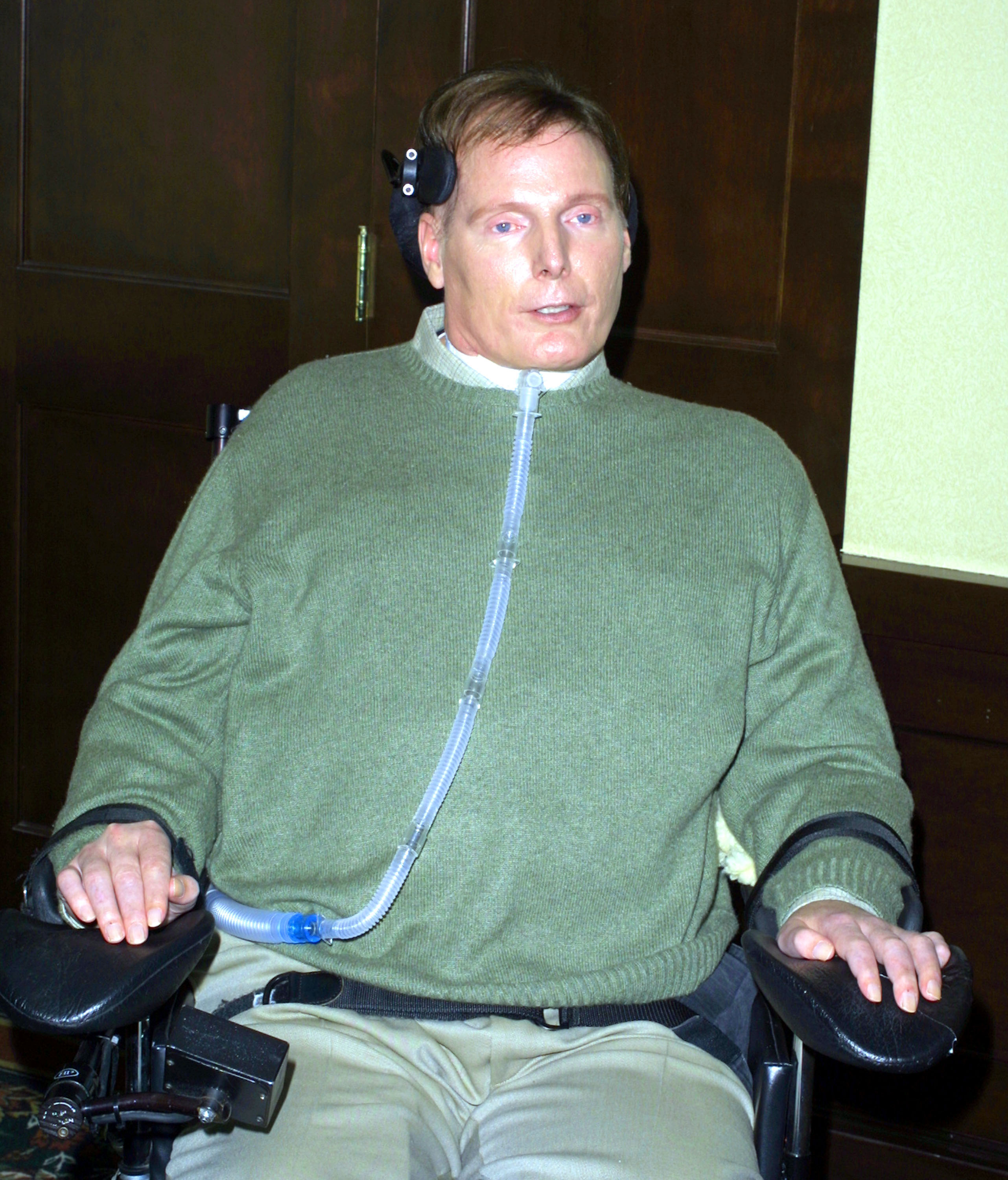
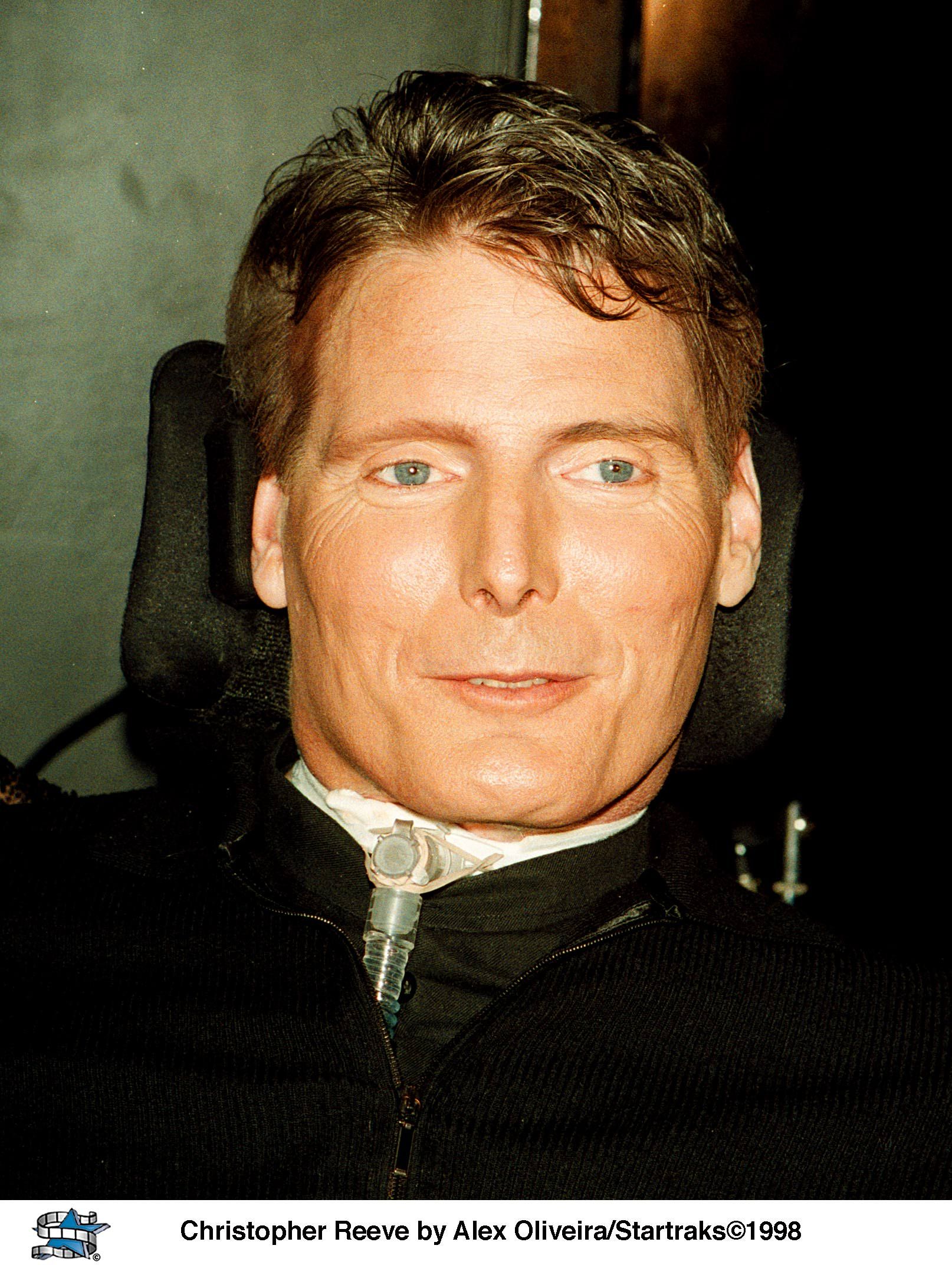
Following his 1995 equestrian accident, Christopher Reeve became a quadriplegic, requiring a ventilator to breathe. He spent the remainder of his life as a high-profile advocate for spinal cord injury research and stem cell funding. Th...
Following his 1995 equestrian accident, Christopher Reeve became a quadriplegic, requiring a ventilator to breathe. He spent the remainder of his life as a high-profile advocate for spinal cord injury research and stem cell funding. Through the Christopher & Dana Reeve Foundation, he transformed the medical landscape for paralysis before his death in 2004.
Contents
The trajectory of Christopher Reeve’s life changed irrevocably on May 27, 1995. Known globally as the definitive cinematic "Superman," Reeve was an accomplished athlete and equestrian. During a cross-country event in Culpeper, Virginia, his horse, Buck, balked at a jump. Reeve was thrown forward, his hands entangled in the bridle, preventing him from breaking his fall. He landed squarely on his head, shattering his first and second cervical vertebrae.
This injury, colloquially known as a "hangman’s break," is often fatal. Reeve survived, but the damage to his spinal cord resulted in a complete loss of motor function and sensation from the neck down. Looking back from 2026, the medical community still cites Reeve’s subsequent decade of life as a turning point in how society views disability and how science approaches regenerative medicine.
The Immediate Medical Crisis and Rehabilitation
In the days following the fall, Reeve’s survival was uncertain. He was airlifted to the University of Virginia Medical Center, where surgeons performed a complex operation to reattach his skull to his spinal column using a titanium rod and wire. This surgery, led by Dr. John Jane, was a stabilization effort rather than a cure.
Once stabilized, Reeve was transferred to the Kessler Institute for Rehabilitation in West Orange, New Jersey. It was here that the psychological weight of his condition initially took hold. Reeve famously recounted a moment where he considered "letting go," but his wife, Dana Reeve, anchored him with the words: "You’re still you. And I love you."
Rehabilitation for a C1-C2 injury is grueling. Reeve had to learn how to live with a ventilator, which was initially required 24/7. He also faced the constant threat of autonomic dysreflexia—a dangerous spike in blood pressure caused by the body’s inability to process sensory input below the site of the injury. Despite these hurdles, Reeve’s presence at Kessler brought unprecedented media attention to the realities of spinal cord injuries (SCI), shifting the focus from "coping" to "curing."
Redefining the Possibilities of Recovery
One of the most significant aspects of what happened to Christopher Reeve after his accident was his refusal to accept the then-standard medical prognosis. At the time, the prevailing wisdom in neurology was that the central nervous system could not repair itself. Doctors typically told patients that any function not regained within the first six months to a year was lost forever.
Reeve disagreed. He committed to an intensive, five-day-a-week exercise regimen that included Functional Electrical Stimulation (FES). This technology uses electrical pulses to stimulate paralyzed muscles, causing them to contract and perform a rhythmic motion, such as pedaling a stationary bike.
By 2000, five years after his injury, Reeve began to defy medical expectations:
- He regained the ability to move his left index finger.
- He regained sensation in various parts of his body, including his legs and trunk.
- He developed the ability to breathe for up to 90 minutes without the assistance of a respirator.
These developments were more than personal victories; they were scientific proof that the spinal cord possessed more plasticity than previously understood. His progress encouraged researchers to reconsider long-held dogmas regarding chronic SCI.
The Christopher & Dana Reeve Foundation and Advocacy
Perhaps Reeve’s most enduring legacy is the creation of the Christopher & Dana Reeve Foundation. By merging his own foundation with the American Paralysis Association, Reeve created a powerhouse for funding and advocacy.
Reeve used his celebrity to lobby for increased federal funding for medical research. He was particularly vocal regarding embryonic stem cell research, which was a highly controversial topic in the late 1990s and early 2000s. Reeve argued that science should not be hindered by political or ideological barriers when lives were at stake. He testified before the Senate and spoke at the 1996 Democratic National Convention, challenging the nation to "be a country that does not just talk about family values, but a country that actually values families."
The foundation focused on a "dual-track" mission:
- Today’s Care: Providing grants for quality-of-life projects, such as accessible playgrounds and adaptive sports programs.
- Tomorrow’s Cure: Funding laboratory research aimed at spinal cord regeneration.
Timeline of Key Events Post-Accident
| Year | Event | Significance |
|---|---|---|
| 1995 | The Accident | C1-C2 fracture results in quadriplegia. |
| 1996 | DNC Speech | Brought disability rights to a national political stage. |
| 1997 | Directorial Debut | Directed the Emmy-nominated film In the Gloaming. |
| 1998 | Rear Window | Starred in a remake of the Hitchcock classic, using his injury in the role. |
| 1999 | Foundation Merger | Created the Christopher & Dana Reeve Foundation. |
| 2000 | Sensation Recovery | Regained sensation and minor motor control, shocking doctors. |
| 2004 | Death | Died at age 52 due to complications from an infected pressure sore. |
Creativity and Career After the Injury
Many assumed Reeve’s career in the entertainment industry was over in 1995. However, he transitioned into directing and continued to act, proving that physical limitations did not diminish his creative intellect.
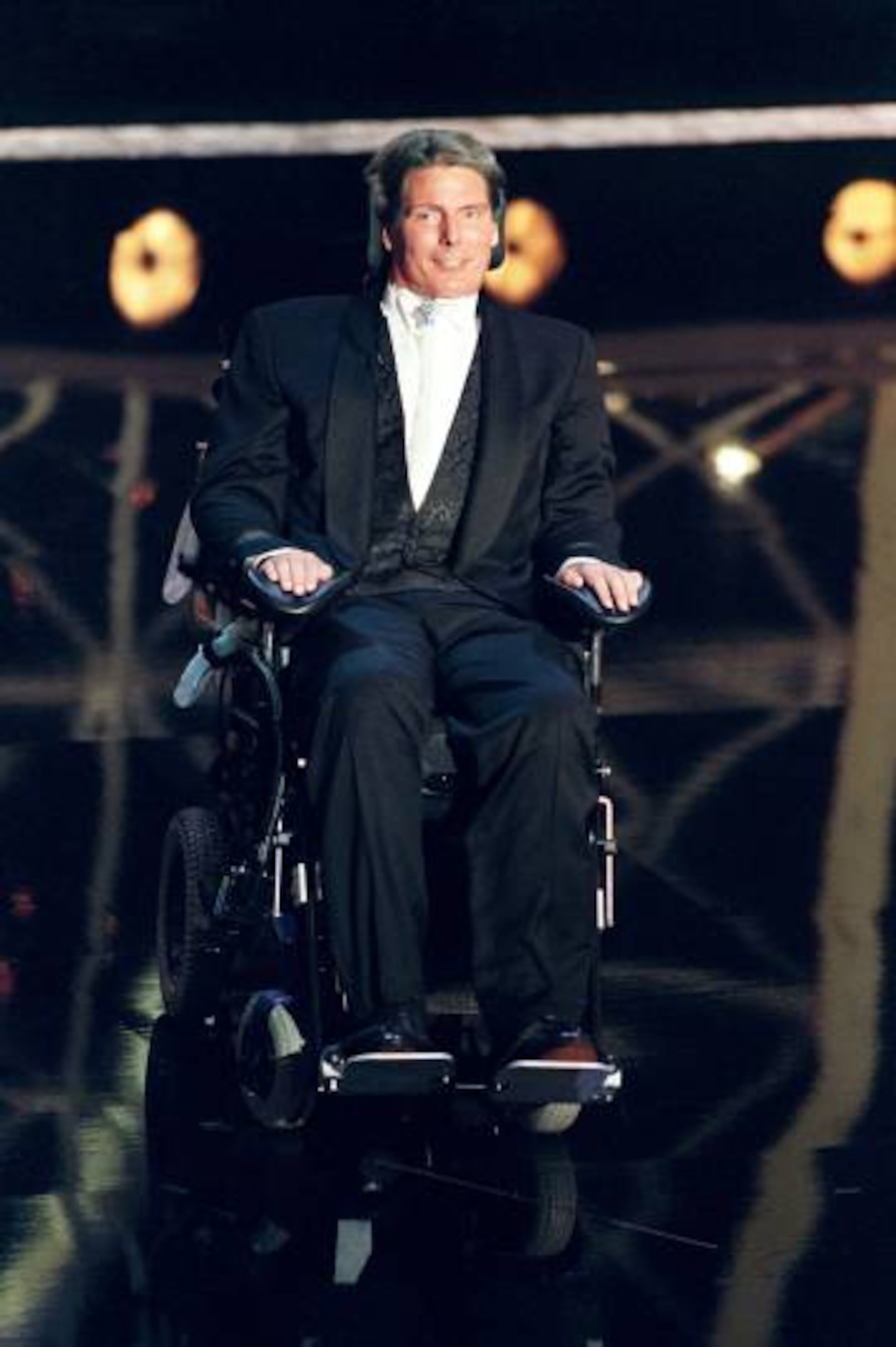
In 1997, he directed In the Gloaming, a film starring Glenn Close about a man dying of AIDS. Reeve directed from a wheelchair using a monitor and voice-activated technology, earning five Emmy nominations for the project. In 1998, he starred in a television remake of Alfred Hitchcock's Rear Window. His performance was widely praised for its authenticity, as he played a character whose paralysis mirrored his own.
He also made guest appearances on the television series Smallville, which explored the origins of Clark Kent. His role as Dr. Virgil Swann served as a symbolic "passing of the torch" to a new generation of Superman actors and writers. These roles were instrumental in normalizing the presence of disabled actors in Hollywood, a movement that continues to grow as of 2026.
The Final Years and Medical Complications
Despite his physical progress and high spirits, living with quadriplegia involves a constant battle against secondary complications. The body’s inability to move or feel makes it susceptible to infections and skin breakdowns.
In October 2004, Reeve was being treated for a pressure sore—a common but dangerous condition for individuals with paralysis. The wound became severely infected, leading to a systemic infection known as sepsis. On October 9, he attended his son Will’s hockey game, but later that evening, he went into cardiac arrest after receiving an antibiotic for the infection. He slipped into a coma and passed away on October 10, 2004, at the age of 52.
The loss was felt globally. His death underscored the fragility of life for those with high-level spinal cord injuries and served as a somber reminder of why his advocacy for faster medical breakthroughs was so urgent.
The Legacy of Dana Reeve
It is impossible to discuss what happened to Christopher Reeve without acknowledging Dana Reeve. She was his primary support system and eventually the chair of the foundation. Tragically, in August 2005, less than a year after Christopher’s death, Dana announced she had been diagnosed with lung cancer, despite having never smoked.
Dana Reeve passed away on March 6, 2006, at the age of 44. Her death was a second devastating blow to the SCI community, but her children and the foundation board ensured that the Reeves' mission continued. Today, in 2026, the foundation remains the leading non-profit organization dedicated to curing spinal cord injury and improving the lives of those living with paralysis.
The Impact on Modern Medicine in 2026
The "Reeve Effect" describes the surge in public interest and research funding that followed his accident. His insistence that paralysis was a solvable problem changed the culture of the National Institutes of Health (NIH) and other global research bodies.
Because of the work started by Reeve, researchers in 2026 are making significant strides in:
- Epidural Stimulation: Using implanted electrodes to bridge the gap in the spinal cord, allowing some individuals to stand and walk again.
- Exoskeleton Technology: Advanced wearable robotics that provide mobility to paralyzed individuals.
- Gene Therapy: Targeting specific proteins that inhibit nerve growth to encourage the spinal cord to repair itself.
Reeve’s life post-accident was not a tragedy of what was lost, but a blueprint for what could be achieved through sheer will and scientific pursuit.
Frequently Asked Questions
Did Christopher Reeve ever walk again? No, Christopher Reeve did not walk again before his death in 2004. However, he did regain some sensation and the ability to move a finger and his limbs slightly in a swimming pool, which was considered a medical miracle given the severity of his C1-C2 injury. His progress challenged the "plateau" theory of spinal cord recovery.
What was the cause of Christopher Reeve's death? Christopher Reeve died of cardiac arrest caused by a systemic infection (sepsis). The infection originated from a pressure sore, which is a frequent complication for people with paralysis. He had a severe reaction to the antibiotic prescribed to treat the infection, which led to heart failure.
How did Christopher Reeve breathe after his accident? Initially, Reeve was entirely dependent on a mechanical ventilator. Over several years of training and strengthening his diaphragm through "frog breathing" (glossopharyngeal breathing) and physical therapy, he was able to spend short periods (up to 90 minutes) off the ventilator, though he remained dependent on it for most of the day and night.
Is the Christopher Reeve Foundation still active? Yes, the Christopher & Dana Reeve Foundation is highly active and remains a leader in paralysis research and support. It has invested tens of millions of dollars into research and has provided thousands of grants to improve the quality of life for disabled individuals worldwide.
What happened to Christopher Reeve's children? Christopher Reeve had three children: Matthew and Alexandra from his previous relationship with Gae Exton, and Will from his marriage to Dana Reeve. All three remain involved in the foundation's work. Will Reeve, in particular, has become a well-known journalist and continues to serve as a public face for his parents' legacy.
Practical Recommendations for Supporting SCI Research
For those looking to honor Christopher Reeve’s legacy or assist someone with a spinal cord injury, consider the following actions:
- Support Peer Mentoring: Organizations like the Reeve Foundation offer peer-to-peer support for newly injured individuals, which is vital for mental health.
- Advocate for Accessibility: Ensure local businesses and public spaces exceed ADA (Americans with Disabilities Act) requirements.
- Fund Research: Direct contributions to reputable organizations like the Mayo Clinic or the Reeve Foundation ensure that "Tomorrow's Cure" remains a priority for the scientific community.
Image Gallery