Understanding Arizona December Temps: A Guide to Winter Climate Variations
Arizona in December offers a distinct range of temperatures depending on the state’s extreme elevation gradients, varying from mild, sunny conditions in the Sonoran Desert to sub-freezing, snowy environments in the high-altitude mounta...
Arizona in December offers a distinct range of temperatures depending on the state’s extreme elevation gradients, varying from mild, sunny conditions in the Sonoran Desert to sub-freezing, snowy environments in the high-altitude mountain ranges. Travelers and residents can expect daytime highs in the low 60s to mid-70s Fahrenheit in the southern basins, while northern regions often experience temperatures well below freezing, necessitating vastly different preparation strategies for travel and outdoor activities.
Contents
The Geography of Arizona’s Climate Zones
To understand December temperatures in Arizona, one must first recognize the state’s diverse topography. Arizona is not a monolith of heat; it is defined by the contrast between the Basin and Range Province in the south and the Colorado Plateau in the north.
The southern region, which includes Phoenix, Tucson, and Yuma, sits at a lower elevation—generally between 1,000 and 2,500 feet. Here, December is characterized by "Goldilocks" weather: cool, crisp mornings followed by mild, sun-drenched afternoons. This is the peak tourism season for those seeking to escape the harsh winters of the northern United States or Canada.
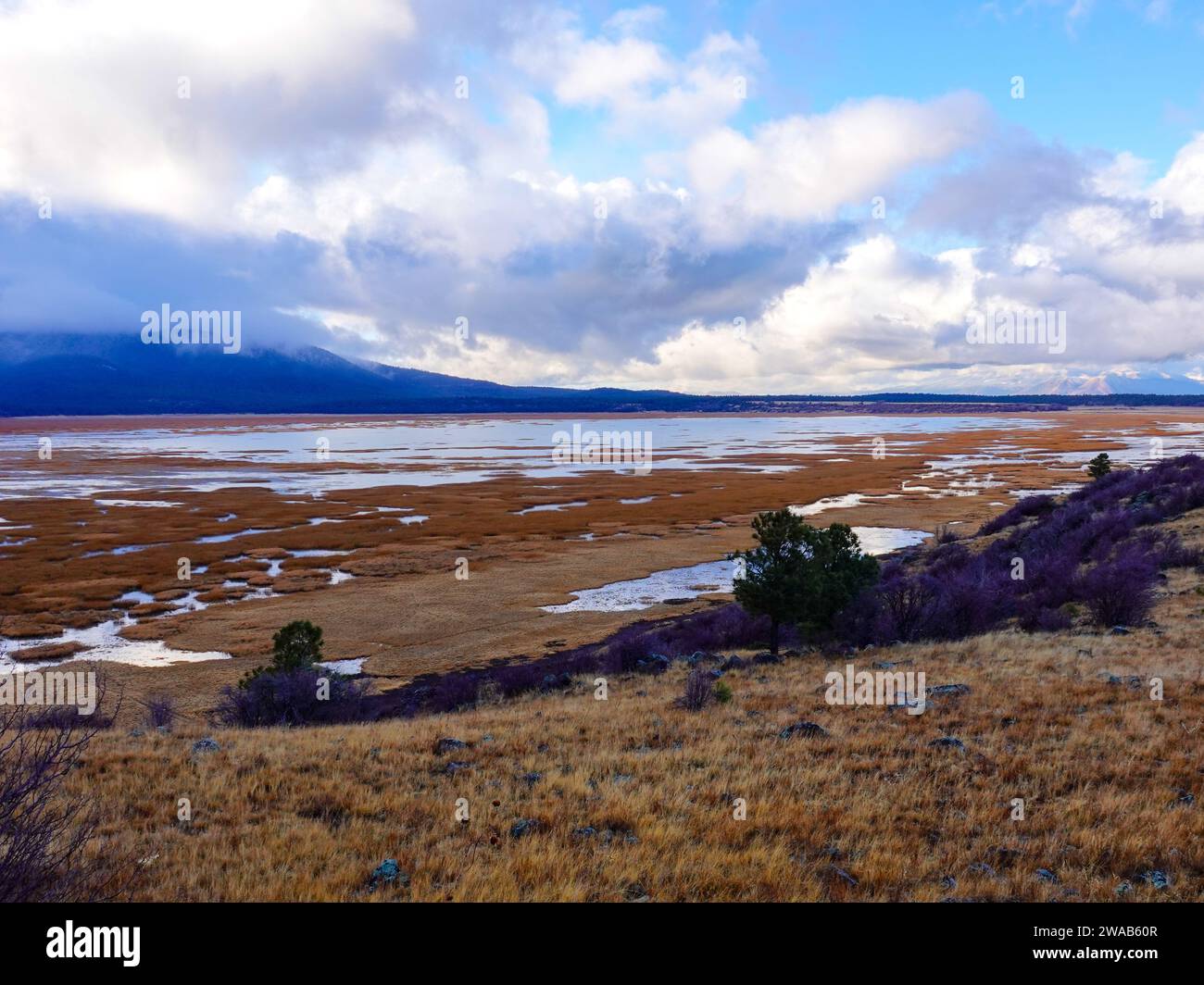
Conversely, the northern half of the state, including cities like Flagstaff, Prescott, and the Grand Canyon, sits at elevations ranging from 5,000 to over 7,000 feet. In these regions, December is mid-winter. The sun, while still present, does little to mitigate the biting cold caused by thin, high-altitude air. Snow is common, and nocturnal temperatures frequently drop into the teens and single digits.
Decoding Temperature Averages by Region
When planning activities in Arizona during the final month of the year, it is vital to distinguish between the desert floor and the high country. The following table provides a general reference for typical temperature ranges during December.
| Region / City | Average High (°F) | Average Low (°F) | Typical Conditions |
|---|---|---|---|
| Phoenix (Low Desert) | 67° | 43° | Sunny, mild, dry |
| Tucson (High Desert) | 66° | 40° | Clear skies, cool nights |
| Flagstaff (High Country) | 44° | 18° | Snow, freezing nights |
| Grand Canyon (South Rim) | 43° | 19° | Potential ice, snowpack |
| Yuma (Low Desert) | 70° | 46° | Warmest, very dry |
Note: These figures represent historical climatic averages. Localized weather patterns, such as arctic cold fronts or stationary high-pressure systems, can cause significant deviations.
The Low Desert Experience: Phoenix and Tucson
In the low desert, December is arguably the most comfortable time of year. Daytime temperatures usually peak in the mid-to-high 60s. The primary environmental factor to track is the "diurnal range"—the difference between high and low temperatures. Because the desert air is extremely dry, heat radiates away from the ground quickly once the sun sets.
A day that starts at 40°F can climb to 70°F by 2:00 PM and plummet back down to 45°F by sunset. For those visiting these areas, dressing in layers is the standard local recommendation. A lightweight jacket is essential for the morning commute or evening dining, even if the afternoon necessitates only a short-sleeved shirt.
High Country Winter Realities
For travelers heading north to visit the Grand Canyon or engage in winter sports near Flagstaff, preparation for true winter weather is mandatory. December in Northern Arizona is frequently characterized by "mountain weather," where conditions can change within minutes.
Visibility can drop significantly during snowstorms, and road surfaces on highways like I-40 or I-17 can become treacherous with black ice. If your travel plans involve driving through the high country in December, ensure your vehicle is equipped with appropriate tires. In many parts of Northern Arizona, carrying tire chains is recommended or even required by the Arizona Department of Transportation during severe winter storm warnings.
Impacts on Outdoor Activities and Safety
The vast temperature disparity dictates the type of gear and preparation required for outdoor recreation.
Desert Hiking Safety
In the southern part of the state, December is prime hiking season. The lack of extreme heat allows for longer trail times. However, the short duration of daylight hours in December is a critical safety factor. Sunset often occurs shortly after 5:00 PM. Hikers who underestimate the duration of a trail can find themselves navigating rocky, technical terrain in total darkness with temperatures dropping rapidly. Always carry a headlamp and extra layers even if the hike begins in pleasant 70-degree weather.
Mountain Winter Sports
For the high country, December provides the early-season base for skiing and snowshoeing. When engaging in these activities, the primary risk is hypothermia and wind chill. The combination of high altitude and December winds can create "feels-like" temperatures well below zero, even if the thermometer registers in the 20s. Moisture-wicking base layers, insulating mid-layers, and windproof outer shells are the industry-standard requirements for safety in these conditions.
Managing Weather-Related Variables
Beyond the standard regional averages, several factors can influence your experience:
- Air Stagnation: In the valleys surrounding Phoenix, light winds and cold nights can occasionally trap particulate matter, leading to air quality alerts. While this does not affect temperature directly, it can impact those with respiratory sensitivities.
- Humidity Levels: Arizona has very low relative humidity. This helps make the heat feel less oppressive in summer, but in December, it can lead to rapid dehydration and dry skin. Regardless of the temperature, maintaining hydration is a critical health requirement.
- Solar Exposure: Due to the thin atmosphere and high clear-day frequency, UV radiation remains significant even in December. Sunscreen and sunglasses are necessary for high-altitude snow glare and long days in the southern desert.
Frequently Asked Questions
Is it warm enough to swim in Arizona in December?
In the low desert regions like Phoenix and Tucson, it is generally too cold for unheated outdoor pools, as water temperatures will mirror the cool nighttime ambient air. However, many resorts and hotels offer heated pools and spas that remain open throughout the month.
Do I need a heavy winter coat for Phoenix?
For most visitors coming from colder climates, a heavy winter coat is unnecessary in Phoenix. A medium-weight jacket or a fleece is typically sufficient to handle the morning and evening chill. However, if you plan to travel north to Flagstaff, a heavy, insulated coat, gloves, and a hat are absolutely required.
What is the likelihood of snow in Southern Arizona?
Snow in the Phoenix or Yuma metropolitan areas is extremely rare. While higher elevations near Tucson—such as Mount Lemmon—frequently receive snow, the low desert valleys typically only experience frost during exceptionally cold nights.
How do I check road conditions for Northern Arizona in December?
The Arizona Department of Transportation maintains a real-time traveler information website known as AZ511. This service provides updates on road closures, accidents, and chain requirements, which should be consulted immediately before any travel into the high country during winter months.
Can I camp in Arizona during December?
Yes, camping is highly popular in December. However, you must choose your location based on the temperature. Camping in the low-elevation deserts (such as Organ Pipe Cactus National Monument) is ideal for those who prefer mild nights. Camping at the Grand Canyon or in the White Mountains requires high-quality, four-season gear rated for sub-freezing temperatures.
How early does the sun set in December?
The winter solstice, occurring late in the month, marks the shortest day of the year. In Phoenix, the sun typically sets around 5:20 PM. This short window of daylight is the most important planning constraint for any outdoor activity in the state.
Final Recommendation
When planning your time in Arizona during December, define your itinerary by elevation. If your primary goal is warmth, focus your travel on the southern corridors (Phoenix, Tucson, Yuma) and plan your outdoor activities for the middle of the day to maximize the sun. If your goal is to experience a traditional winter with snow and crisp alpine air, commit to the northern regions with the understanding that you must prepare for genuine freezing conditions. Always verify local weather forecasts through the National Weather Service offices in Phoenix or Flagstaff 24 to 48 hours before your arrival to account for specific storm systems.
Image Gallery