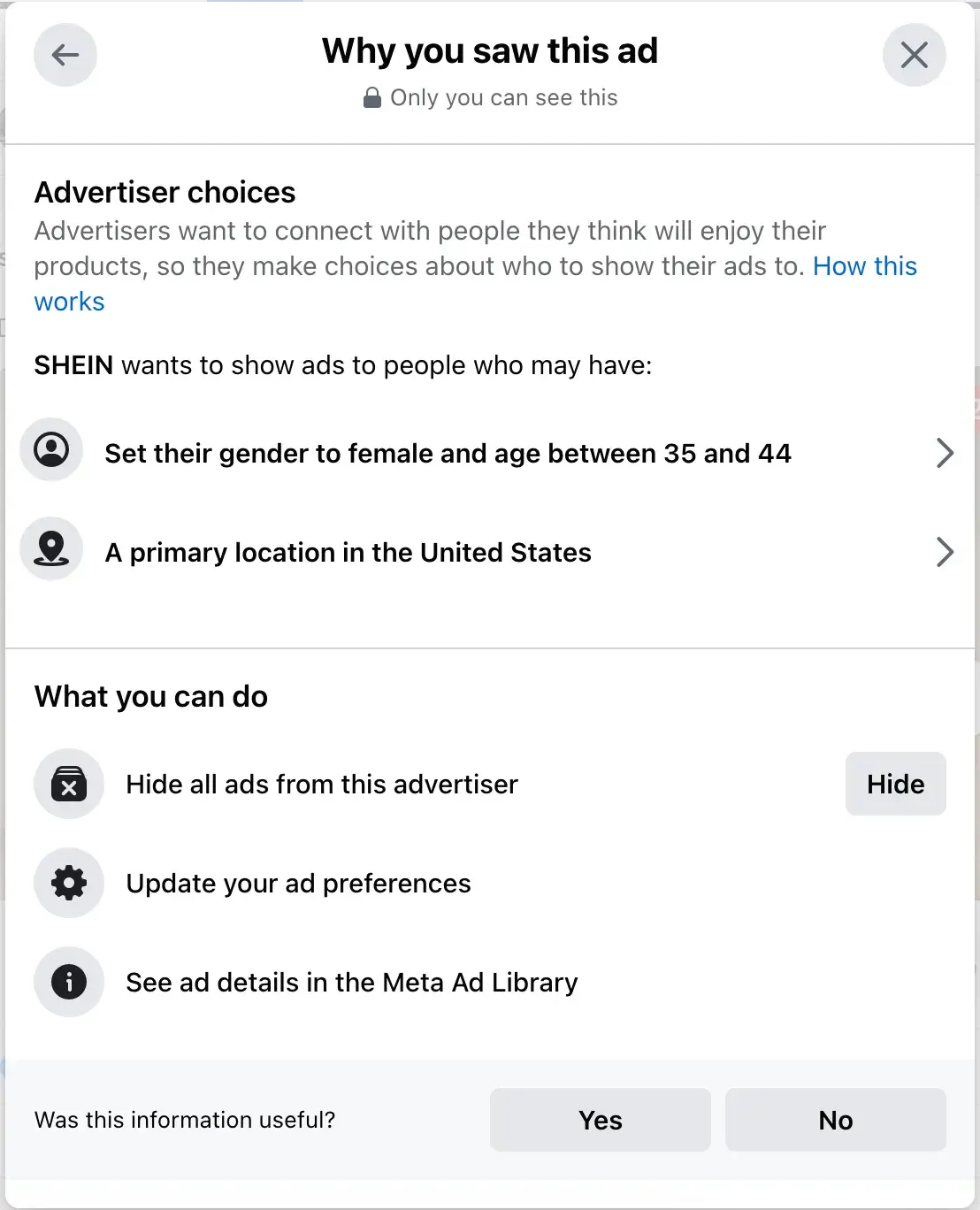
Why You Are Seeing Ads: Understanding Digital Advertising Mechanisms in 2026
You see ads because digital platforms collect and analyze your browsing habits, location data, and personal preferences to create a targeted profile. Advertisers use this data to deliver personalized content through sophisticated algor...
You see ads because digital platforms collect and analyze your browsing habits, location data, and personal preferences to create a targeted profile. Advertisers use this data to deliver personalized content through sophisticated algorithms, tracking technologies like pixels, and identity-resolution services, ensuring marketing messages reach the audiences most likely to convert.
Contents
The digital advertising landscape of 2026 is a complex ecosystem where data privacy regulations and advanced machine learning intersect. While the era of the traditional third-party cookie has largely concluded, the methods used to track user behavior have become more integrated into the core infrastructure of the internet. Understanding why an ad appears on your screen requires looking at the technical "plumbing" of the web, the economic incentives of "free" platforms, and the psychological modeling used by modern marketing suites.
The Foundation of Modern Ad Targeting: Data Collection
At the core of every advertisement you encounter is a set of data points that categorize you. In 2026, this data is primarily divided into three categories: first-party, second-party, and zero-party data. Understanding these distinctions is the first step in recognizing how you became a target for a specific brand.
First-party data is the information you provide directly to a website or app while using it. This includes your search history on a specific retail site, the videos you watch on a streaming platform, or the items you leave in a digital shopping cart. Because this data is owned by the platform you are interacting with, it remains the most reliable and legally robust way for companies to understand your intent. When you see an ad for a product on the same website where you previously viewed it, you are seeing first-party targeting in action.
Zero-party data has grown significantly in importance. This is data that you intentionally and proactively share with a brand. Examples include your preferences in a "style quiz," your communication preferences, or the "interests" you select when setting up a social media profile. Brands favor this data because it eliminates the guesswork of algorithms, allowing for highly accurate ad delivery based on your explicit statements.
Second-party data involves data sharing between trusted partners. For instance, an airline might share its frequent flyer list with a high-end hotel chain. If you see an ad for a resort in the Maldives shortly after booking a flight to Male, it is often the result of these strategic data alliances.
Behavioral vs. Contextual Advertising
When you wonder why an ad appears, the answer usually falls into one of two strategic buckets: behavioral or contextual.
Behavioral Targeting
Behavioral targeting is based on what you have done in the past. It uses your historical actions across various platforms to predict what you might want next. If you spent the last week researching "home gym equipment" on various blogs and forums, behavioral targeting ensures that even when you are reading a news article about global politics, you see ads for dumbbells or treadmills. The ad is following you, not the content of the page.
Contextual Targeting
Contextual targeting has seen a massive resurgence due to increased privacy restrictions on tracking individuals. This method delivers ads based on the content you are currently viewing. If you are reading an article about the best hiking trails in the Pacific Northwest, you will likely see ads for hiking boots or hydration packs. In this scenario, the advertiser doesn't necessarily know who you are or what your past behavior was; they simply know that anyone reading that specific article is a high-value prospect for outdoor gear.
The Role of Tracking Technologies: Beyond Cookies
By 2026, the technical methods used to "identify" users have shifted away from the easily erasable third-party cookies of the past toward more persistent and integrated technologies.
- Tracking Pixels and SDKs: Small snippets of code embedded in websites (pixels) or mobile apps (Software Development Kits) send signals back to advertising servers when you perform a specific action, such as clicking "Add to Cart" or staying on a page for more than 30 seconds.
- Device Fingerprinting: This technique collects technical details about your device—such as your screen resolution, operating system version, battery level, and installed fonts—to create a unique "fingerprint" that identifies you without needing a specific ID.
- Identity Resolution: Platforms now use "deterministic" matching (like your email address used to log into multiple sites) to link your behavior on a laptop, a smartphone, and a smart TV. This ensures a seamless ad experience across all your devices.
The World Wide Web Consortium (W3C) and other standards bodies have worked to mitigate the most intrusive forms of these technologies, but the fundamental need for advertisers to measure "conversion"—whether an ad led to a sale—keeps these technologies evolving.
Why Ads Follow You: The Mechanics of Retargeting
We have all experienced the phenomenon of an item "following" us around the internet. This is known as retargeting (or remarketing). From a technical standpoint, it is a high-ROI strategy for brands because it focuses on users who have already shown interest.
When you visit a website, a signal is sent to an ad exchange identifying you as a "visitor." If you leave without purchasing, the brand’s ad server looks for you as you move to other websites that sell ad space through the same network. When a match is found, the brand bids in real-time—often in milliseconds—to show you that specific product again.
In 2026, retargeting has become more sophisticated through "Dynamic Creative Optimization" (DCO). Instead of showing the same static image, the ad might change its color, call-to-action, or price based on the time of day or the specific page you are currently visiting.
The Impact of Geofencing and Location Data
Your physical location is one of the most powerful triggers for the ads you see. Your smartphone's GPS, the Wi-Fi networks you connect to, and even your IP address provide a geographic context to advertisers.
Geofencing allows advertisers to draw a virtual perimeter around a specific location—like a shopping mall, a stadium, or a competitor’s store. When your device enters that perimeter, you may be triggered to receive a notification or see a display ad for a nearby business.
IP-based targeting is less precise but highly effective for localized services. It ensures that you see ads for "Plumbers in [Your City]" rather than services three states away. While the Federal Trade Commission (FTC) continues to refine rules on the sale of precise location data, the use of generalized location for ad delivery remains a standard industry practice.
How Machine Learning Influences Your Ad Experience
In 2026, the "why" behind an ad is increasingly determined by an Artificial Intelligence (AI) model rather than a human marketer. Platforms like Google, Meta, and Amazon use predictive modeling to determine not just what you did, but what you are likely to do next.
These models analyze billions of data points across millions of users to find patterns. If the AI determines that users who watch 10 minutes of cooking videos and then search for "cast iron pans" are 80% more likely to buy a specific brand of olive oil, it will start showing you olive oil ads as soon as you hit those first two triggers. This "lookalike modeling" is why you may sometimes see an ad for something you haven't even searched for yet—the algorithm has predicted your next interest based on the behavior of people similar to you.
Comparison of Ad Targeting Methods
| Method | Primary Data Source | Accuracy | User Privacy Impact | Typical Use Case |
|---|---|---|---|---|
| Contextual | Current webpage content | Medium | Low | Showing life insurance ads on a financial blog. |
| Behavioral | Historical browsing data | High | High | Showing shoe ads after you visited a footwear site. |
| Geographic | GPS, IP Address, Wi-Fi | High | Medium | Promoting a local restaurant's lunch special. |
| Retargeting | Specific site interactions | Very High | High | Reminding you about an abandoned shopping cart. |
| Predictive | AI/Machine Learning patterns | High | High | Showing ads for baby clothes before you've announced a pregnancy. |
Managing Your Ad Experience and Privacy
While ads are a fundamental part of the modern internet economy, users have more tools in 2026 to manage them than ever before. If you find the ads you are seeing to be too intrusive or irrelevant, several steps can be taken to reset your digital profile.
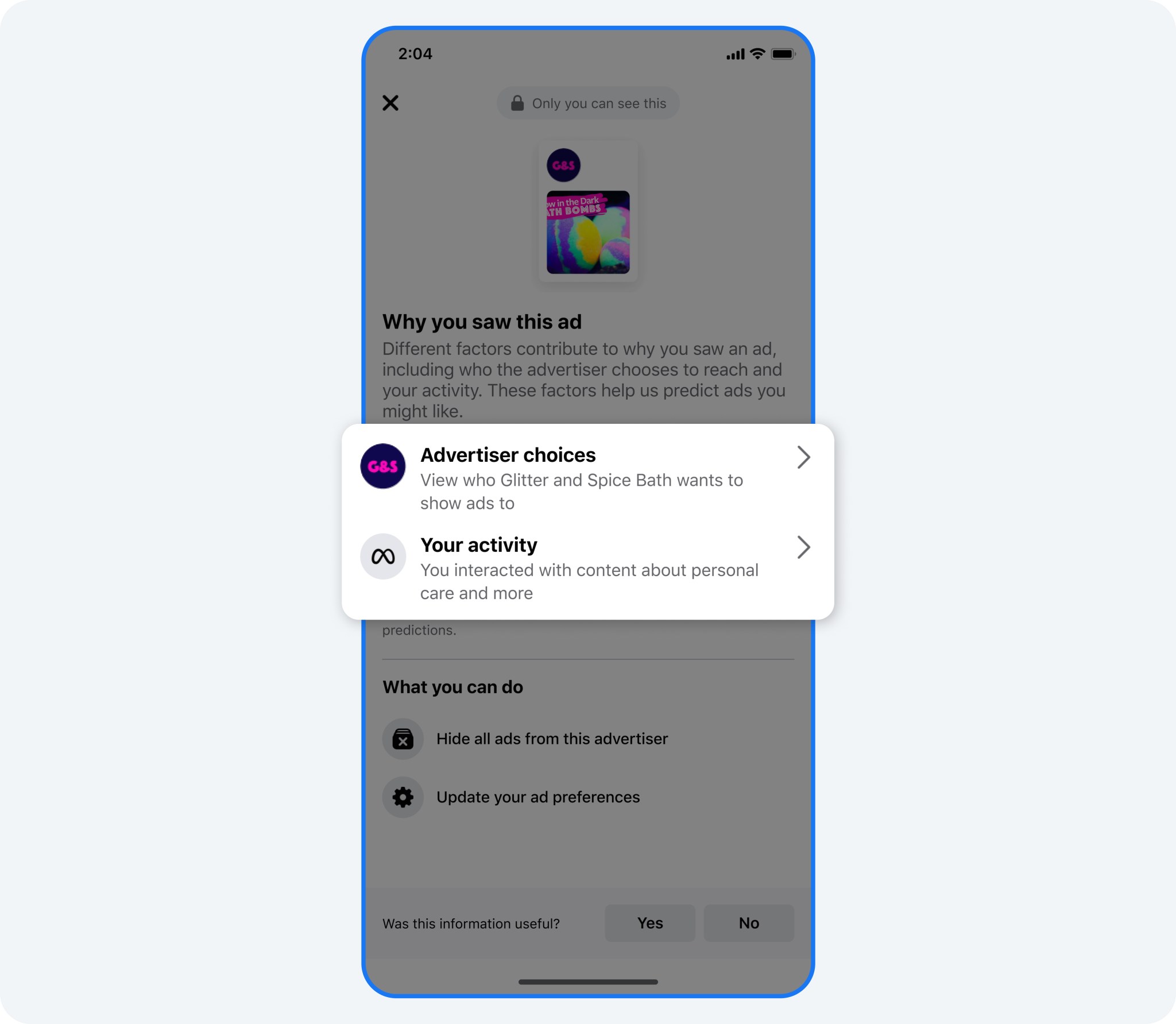
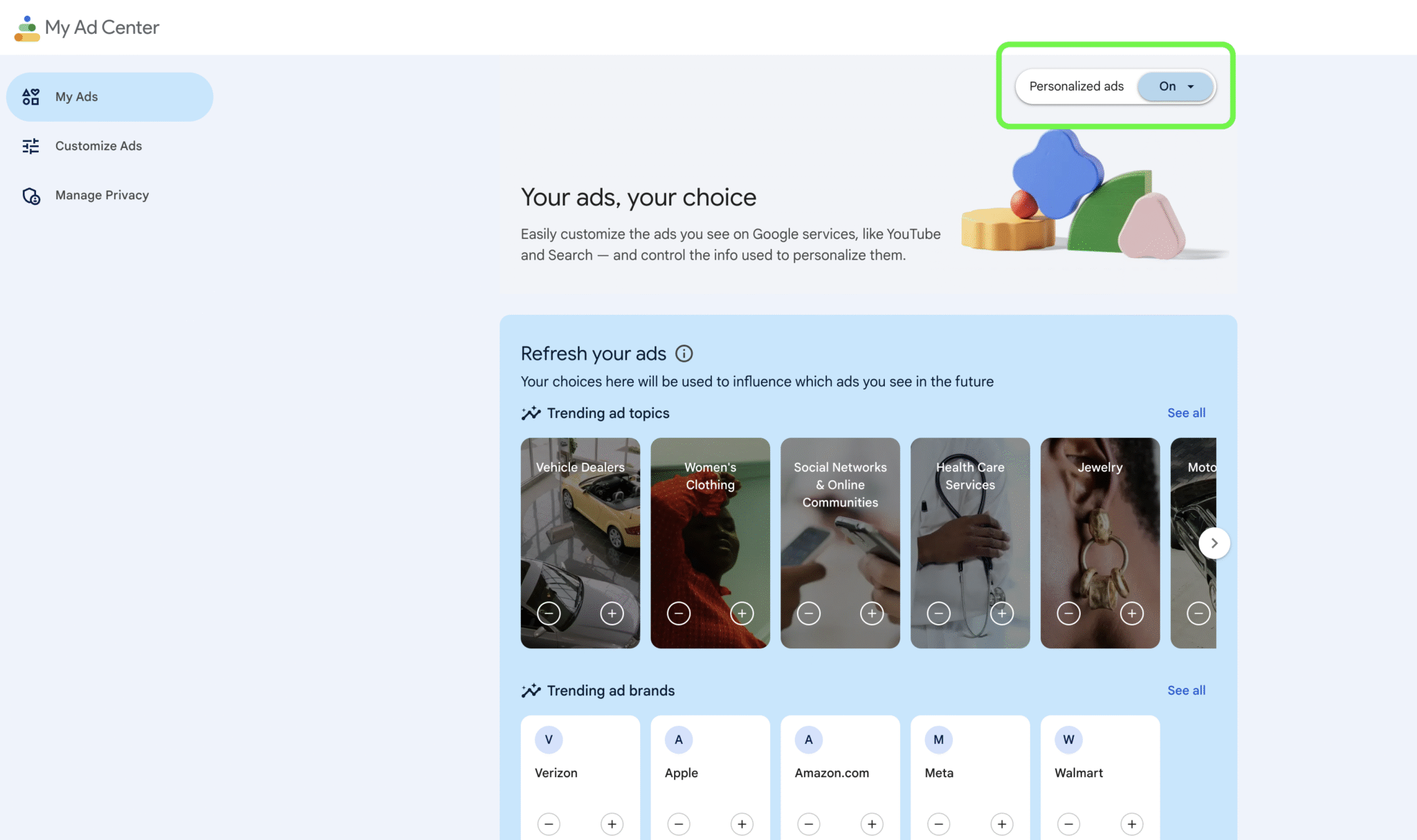
- Platform-Level Controls: Major platforms now offer "My Ad Center" or "Privacy Center" dashboards. Here, you can see the specific "interests" the platform has assigned to you and delete the ones that are no longer relevant.
- Opt-Out Mechanisms: In the United States and Europe, regulations like the CCPA and GDPR require companies to provide a clear "Do Not Sell or Share My Personal Information" link.
- Privacy-Focused Browsing: Using browsers that block cross-site trackers by default can significantly reduce the "stalker ad" effect. Additionally, many users employ "Global Privacy Control" (GPC) signals that automatically tell websites not to track them.
- Resetting Advertising IDs: On mobile devices (iOS and Android), you can reset your Advertising ID. This doesn't stop ads from appearing, but it disconnects your past behavior from your future activity, essentially giving you a "fresh start" in the eyes of ad servers.
Frequently Asked Questions
Is my phone listening to my conversations to show me ads?
Despite popular belief, there is no technical evidence that major platforms "listen" to your ambient conversations through the microphone to serve ads. The reality is that the predictive algorithms mentioned earlier are simply so accurate—combining your location, your friends' interests, and your browsing history—that the resulting ads can feel like a result of eavesdropping.
Why do I see ads for things I only thought about or talked about offline?
This is often a result of "Environmental Data." If your phone is frequently in the same location as a friend's phone, and that friend just bought a new coffee machine, the ad networks assume you share similar interests and will show you the same coffee machine ad. This is known as "co-location targeting."
Why am I seeing ads for products I already bought?
This occurs because of a disconnect in the "conversion loop." If the retailer does not successfully pass the "purchase" data back to the ad network, the network assumes you are still in the consideration phase. Most high-end advertisers use "exclusion lists" to prevent this, but the system is not perfect.
Do ad blockers stop all tracking?
No. While ad blockers can prevent the visual display of ads and block many common tracking scripts, they cannot stop first-party tracking (on the site you are currently visiting) or server-side tracking, where the data is processed on the company's own servers rather than in your browser.
Why do ads look different on my phone versus my computer?
Advertisers use "Responsive Design" to tailor the ad format to your device. On a phone, you might see a "Vertical Video" ad designed for quick scrolling, while on a computer, you might see a more detailed "Sidebar" ad. The goal is to match the creative to the user's current environment and attention span.
Can I completely stop seeing ads on the internet?
Technically, it is very difficult to remove 100% of advertisements. While blockers and premium "ad-free" subscriptions for specific services (like YouTube or news sites) can remove the majority, some form of sponsored content or native advertising is integrated into almost every digital platform as a means of funding the service.
Recommendation for Users
To improve your digital experience in 2026, take a proactive approach to your "Digital Identity." Every six months, visit the privacy settings of your most-used platforms (Google, Meta, Amazon) and clear your ad-preference history. This ensures that the ads you do see remain relevant to your current life stage and interests, while also limiting the amount of long-term behavioral data these companies store about you. For those seeking maximum privacy, adopting a "privacy-first" browser and utilizing a reputable VPN can help mask the location and device data that forms the basis of most modern ad targeting.
Image Gallery