How the Arlo Pro 3 Works for Modern Home Security
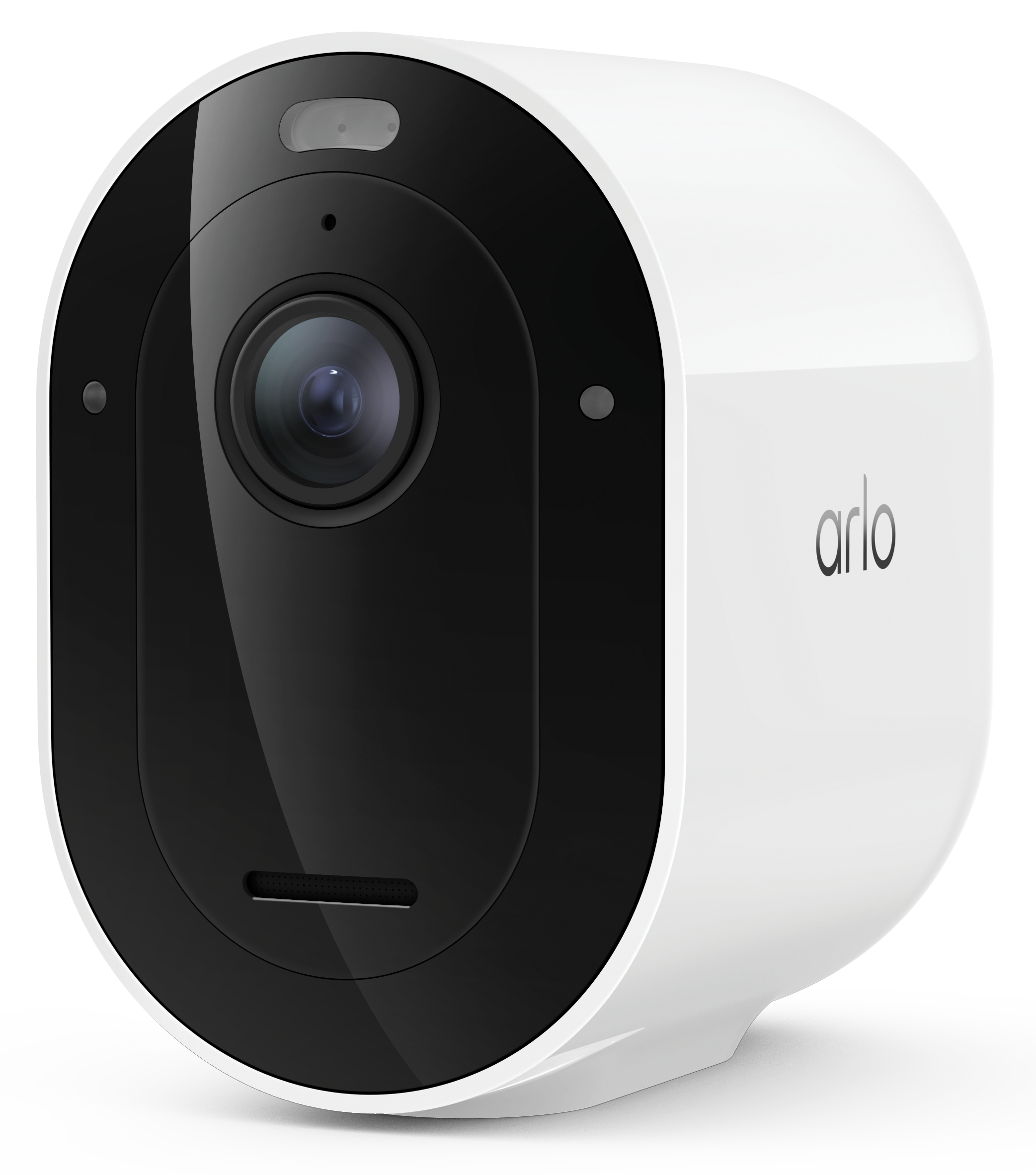
The Arlo Pro 3 functions as a high-definition, wire-free surveillance solution that integrates 2K HDR video, integrated spotlights, and smart AI detection to secure residential perimeters. By connecting to a dedicated Arlo SmartHub, th...
The Arlo Pro 3 functions as a high-definition, wire-free surveillance solution that integrates 2K HDR video, integrated spotlights, and smart AI detection to secure residential perimeters. By connecting to a dedicated Arlo SmartHub, the system provides low-latency alerts and local storage options, while its weather-resistant design and magnetic mounting allow for flexible placement without professional wiring.
Contents
As we evaluate home security options in 2026, the Arlo Pro 3 remains a significant benchmark in the evolution of smart surveillance. While newer iterations like the Pro 5S have entered the market, the Pro 3 continues to serve as a reliable workhorse for many households due to its balance of image clarity, intelligent software features, and robust build quality. Understanding how this specific model operates is essential for homeowners looking to build a scalable security ecosystem that prioritizes visual evidence and proactive deterrence.
The Core Hardware: 2K Video and Optical Engineering
At the heart of the Arlo Pro 3 is a sophisticated image sensor capable of capturing video at 2K resolution (2560x1440 pixels). In the context of modern home security, resolution is not merely about aesthetic quality; it is about the "forensic" capability of the footage. Higher resolution allows users to zoom into specific areas—such as a visitor's face or a vehicle's license plate—without the image immediately breaking down into a pixelated mess.
The camera incorporates High Dynamic Range (HDR) technology. This is critical for outdoor security because home environments often feature high-contrast lighting, such as a bright afternoon sun casting deep shadows under an entryway. HDR ensures that the camera can resolve details in both the brightest and darkest parts of the frame simultaneously. Coupled with a 160-degree diagonal field of view, the Pro 3 provides a wide-angle perspective that reduces "blind spots" without the extreme fish-eye distortion seen in lower-quality lenses.
Connectivity and the Role of the SmartHub
One of the defining technical aspects of the Arlo Pro 3 is its relationship with the Arlo SmartHub. Unlike some "Direct-to-Wi-Fi" cameras that connect directly to a home router, the Pro 3 is designed to communicate through a dedicated base station.
The Benefits of the SmartHub Architecture
- Battery Optimization: The SmartHub creates a dedicated, low-power sub-network for the cameras. This offloads the heavy lifting of network management from the camera itself, significantly extending the life of the rechargeable battery.
- Local Storage Backup: The SmartHub typically includes a slot for a USB drive or microSD card. This allows for local video recording, providing a redundant backup if the internet connection fails or if the user prefers not to rely entirely on cloud storage.
- Reduced Wi-Fi Congestion: By aggregating the camera traffic onto its own frequency management system, the SmartHub prevents multiple high-definition video streams from slowing down other devices on the home Wi-Fi network.
While some later firmware updates and specific bundles allowed for direct Wi-Fi connectivity, the Pro 3 is most effective when utilized with the hub, as it stabilizes the connection and enables advanced features like Auto-Track and Zoom, where the camera digitally follows a moving object within its frame.
Night Vision and Active Deterrence
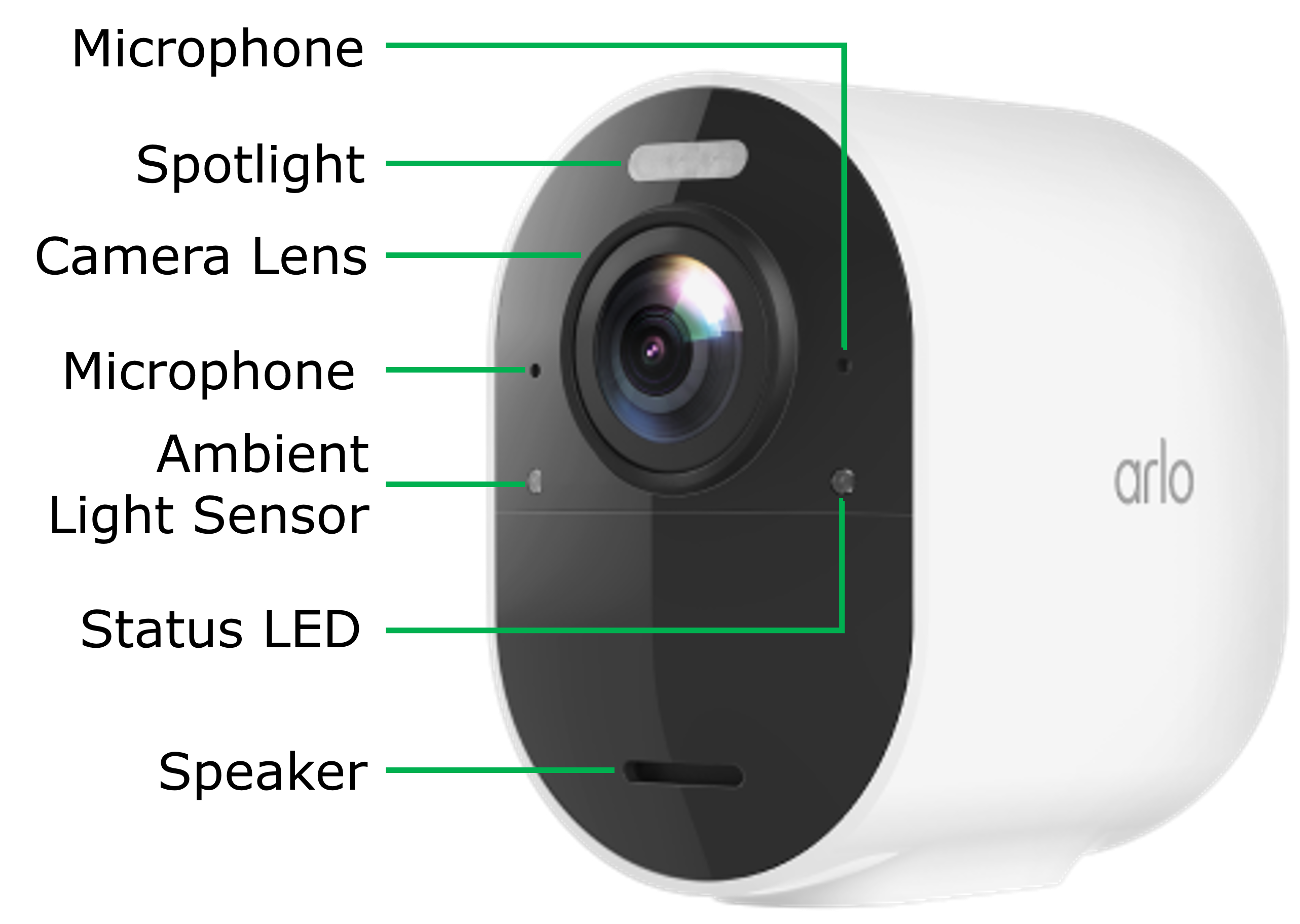
Modern security has moved beyond passive recording to active deterrence. The Arlo Pro 3 addresses this through two primary hardware features: the integrated spotlight and the built-in siren.
Traditionally, security cameras relied on infrared (IR) LEDs for night vision, resulting in grainy, black-and-white footage. The Arlo Pro 3 includes a powerful LED spotlight that can be triggered by motion. When this light activates, the camera can capture Color Night Vision. This is a vital security upgrade, as it allows homeowners to identify the color of a person’s clothing or a vehicle, details that are often lost in standard IR modes.
Furthermore, the system includes a siren that can be triggered automatically during a motion event or manually via the Arlo app. This provides a proactive way to scare off intruders before they reach a point of entry. The two-way audio system, featuring a noise-canceling microphone and speaker, further allows the homeowner to communicate with people on the property, whether it is giving instructions to a delivery driver or warning a trespasser.
The Software Layer: Arlo Secure and AI Intelligence
A camera is only as good as the alerts it generates. One of the common frustrations with older security systems is "false positives"—alerts triggered by a swaying tree branch or a passing shadow. The Arlo Pro 3 mitigates this through Arlo Secure (formerly Arlo Smart), the company’s subscription-based AI service.
The AI processing happens in the cloud, where the system analyzes the video feed in real-time to distinguish between different types of movement.
- Person Detection: Notifies you only when a human is detected.
- Package Detection: Specifically monitors the porch area and alerts you when a parcel is dropped off or moved.
- Vehicle Detection: Monitors driveways and identifies cars, helping to ignore pedestrians on the sidewalk.
- Animal Detection: Prevents your phone from blowing up with notifications every time a neighborhood cat crosses the yard.
Users can also define Cloud Activity Zones. By drawing specific boxes in the camera’s view, you can instruct the software to ignore motion in high-traffic areas (like a public street) and only trigger a recording if something moves within your actual property boundaries.
Installation and Power Versatility
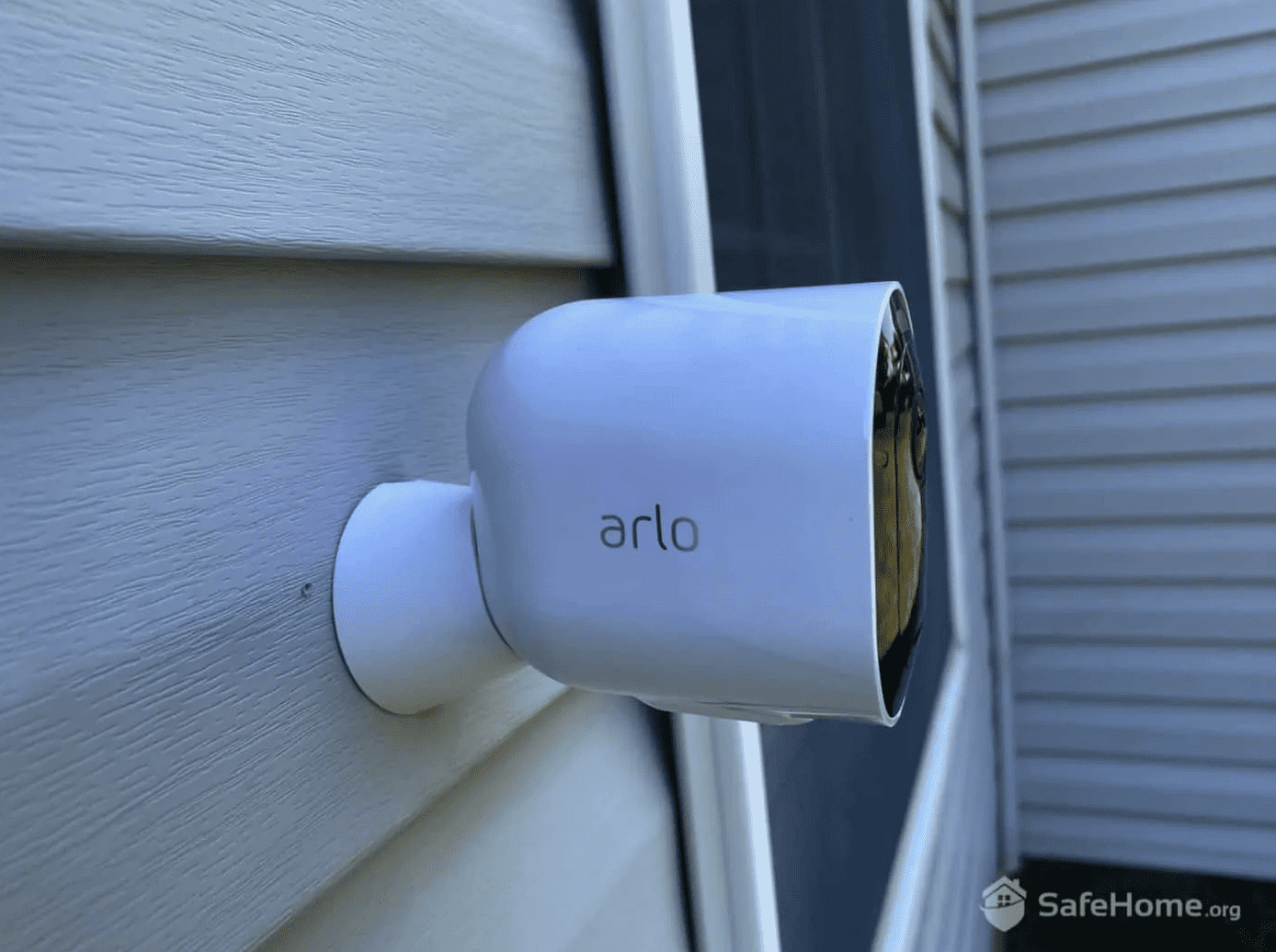
The Arlo Pro 3 is fundamentally a "wire-free" camera, meaning it operates on a rechargeable battery. This design removes the need for professional electricians and allows for installation in locations where power outlets are unavailable, such as on trees, fences, or high eaves.
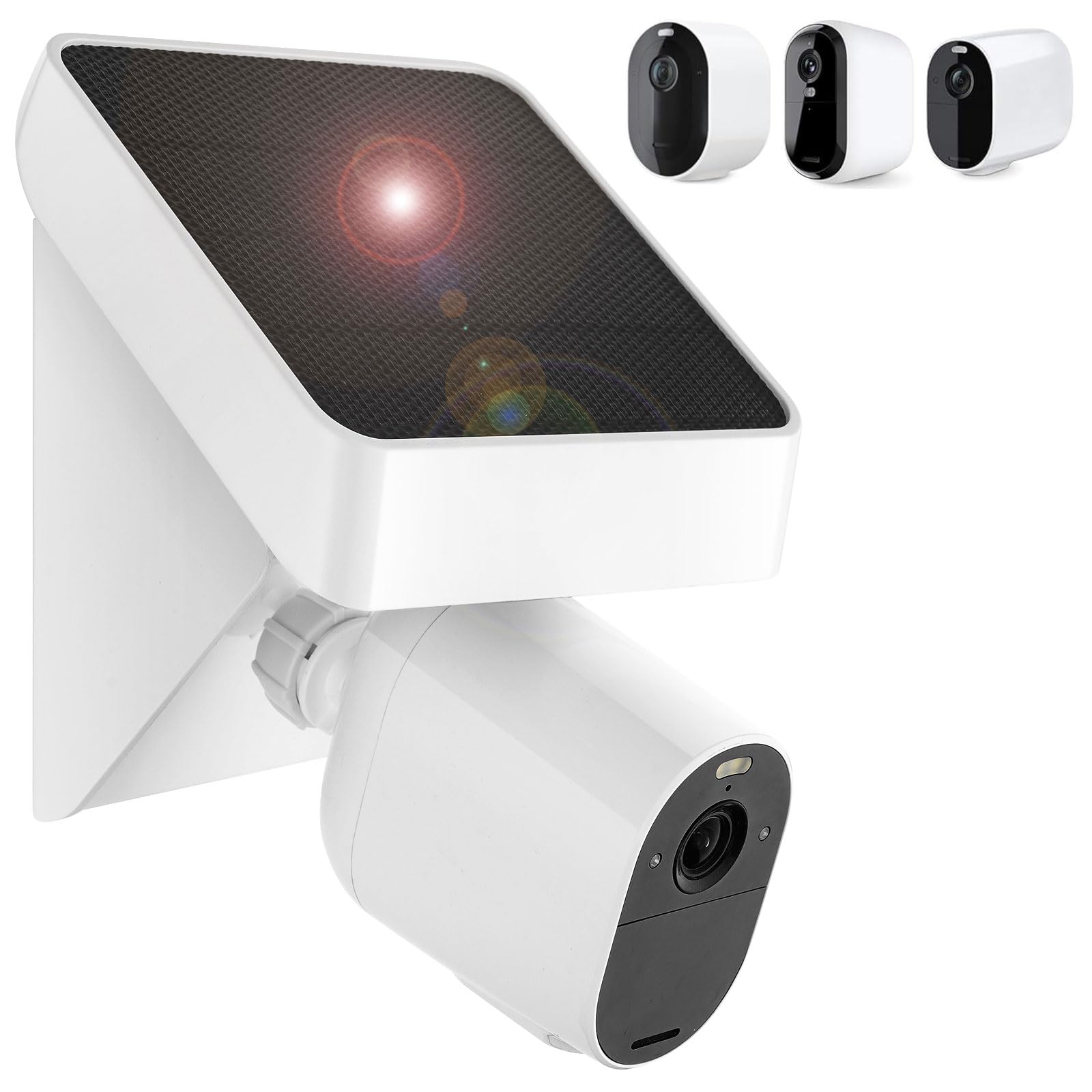
The camera uses a magnetic mounting system, which allows the unit to be snapped into place and adjusted at almost any angle. While this makes installation easy, it also means the camera can be easily removed for charging. For users who want a "set and forget" experience, the Pro 3 is compatible with Arlo Solar Panels. By connecting a small solar accessory, the battery can stay topped up indefinitely, provided the location receives a few hours of direct sunlight daily.
| Feature | Specification / Detail | Benefit for Security |
|---|---|---|
| Resolution | 2K with HDR | Enhanced facial recognition and detail capture. |
| Field of View | 160° Diagonal | Broad coverage of yards and driveways. |
| Night Vision | Color Night Vision via Spotlight | Identification of colors in low-light conditions. |
| Audio | Full Duplex Two-Way Audio | Real-time communication with visitors/intruders. |
| Storage | Cloud (Subscription) + Local (via Hub) | Redundant video evidence and remote access. |
| Power Source | Rechargeable Battery / Solar / Hardwired | Versatile placement in any outdoor environment. |
| Weather Resistance | IP65 Certified | Operates in rain, snow, and extreme heat. |
Integration with the Modern Smart Home
In 2026, a security camera cannot exist in a vacuum. The Arlo Pro 3 is designed to integrate seamlessly with major smart home platforms. It supports Amazon Alexa and Google Assistant, allowing users to stream their camera feeds to smart displays like an Echo Show or Google Nest Hub using voice commands.
For users within the Apple ecosystem, the Pro 3 supports Apple HomeKit (when used with a compatible SmartHub). This integration allows the cameras to appear in the "Home" app alongside lights, locks, and thermostats. HomeKit support also enables the use of "HomeKit Secure Video" for those who prefer Apple’s privacy-centric cloud storage, though this may limit some of Arlo's native 2K resolution features depending on the specific hub firmware.
Common Troubleshooting and Operational Limits
While the Arlo Pro 3 is a premium device, it is not without operational constraints. The most frequent issue users encounter is signal interference. Because the cameras communicate wirelessly with the SmartHub, thick masonry walls, metal siding, or competing 2.4GHz/5GHz signals can reduce the range. If a camera frequently goes offline, moving the SmartHub to a more central location is usually the required fix.
Another consideration is battery life latency. In very cold environments, lithium-ion batteries lose efficiency, and the "wake-up" time for the camera might increase. This means a fast-moving subject might be halfway across the yard before the camera begins recording. Ensuring a strong signal to the SmartHub and utilizing Arlo’s "Power Management" settings in the app can help optimize these trigger times.
Frequently Asked Questions
Does the Arlo Pro 3 require a monthly subscription?
The Arlo Pro 3 can function without a subscription for live streaming and basic motion notifications. However, to access cloud storage, AI-driven object detection (identifying people vs. cars), and activity zones, an Arlo Secure subscription is required. Without it, the camera serves primarily as a real-time monitor rather than a recorded evidence tool unless local storage is configured on the SmartHub.
Can I use the Arlo Pro 3 indoors?
Yes, the Arlo Pro 3 is versatile enough for indoor use. Its magnetic mount works just as well on a shelf as it does on an exterior wall. However, if using it through a window, the integrated spotlight and IR sensors may cause glare against the glass, making it less effective for night monitoring.
How long does the battery typically last?
Battery life varies significantly based on settings and activity levels. In a typical household with 5–10 motion events per day, the battery generally lasts between 3 and 6 months. High-traffic areas or extreme cold will deplete the battery much faster, necessitating more frequent charging or a solar panel attachment.
Is the Arlo Pro 3 compatible with 5GHz Wi-Fi?
The Arlo Pro 3 cameras communicate with the SmartHub via a proprietary connection. The SmartHub itself connects to your router via an Ethernet cable. This setup avoids the common issues of cameras struggling to connect to specific Wi-Fi bands (2.4GHz vs 5GHz) and provides a more stable dedicated link for high-bandwidth 2K video.
How secure is the footage?
Arlo uses industry-standard encryption to protect your data. Video is encrypted in transit using SSL/TLS and stored in the cloud with AES-128 encryption. Additionally, Arlo supports Two-Factor Authentication (2FA), which is a critical security layer to prevent unauthorized access to your camera feeds.
Final Recommendation
For those seeking to implement or upgrade a home security system in 2026, the Arlo Pro 3 remains a top-tier choice for its reliability and image performance. Its 2K resolution and color night vision provide the visual clarity necessary for actual security enforcement, while its wire-free nature ensures that even those in rental properties or complex architectural homes can achieve full coverage. To get the most out of the system, it is recommended to pair the cameras with a SmartHub and an Arlo Secure subscription, ensuring you have the AI tools and storage backups needed to turn simple video footage into an intelligent home defense network.
Image Gallery