How to Find Out Taxable Income: A Complete Step-by-Step Guide
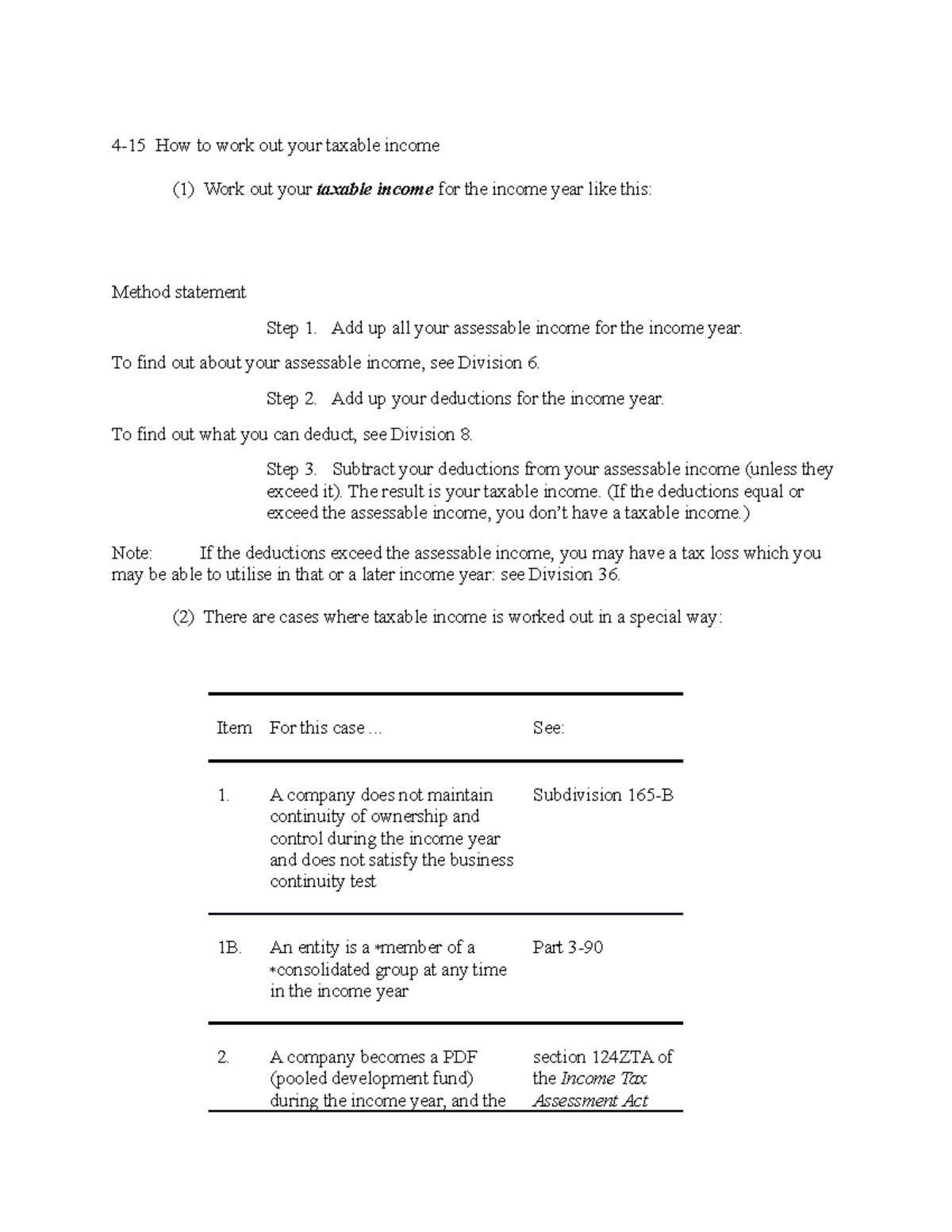
To find out your taxable income, subtract your "above-the-line" adjustments and your standard or itemized deductions from your total gross income. In 2026, the formula is: Gross Income - Adjustments to Income = Adjusted Gross Income (A...
To find out your taxable income, subtract your "above-the-line" adjustments and your standard or itemized deductions from your total gross income. In 2026, the formula is: Gross Income - Adjustments to Income = Adjusted Gross Income (AGI), followed by AGI - (Standard or Itemized Deductions + Qualified Business Income Deduction) = Taxable Income.
Contents
Understanding the difference between what you earn and what you are actually taxed on is fundamental to effective financial planning. While your gross salary might be the number you see on a job offer, your taxable income is the actual base the Internal Revenue Service (IRS) uses to determine your final tax bill. For the 2026 tax year, identifying this figure requires a meticulous review of all income sources, eligibility for specific adjustments, and a strategic choice between deduction methods.
The Core Components of Taxable Income
Taxable income is not a single figure found on a paystub. It is a calculated value derived through a multi-step process defined by the tax code. Navigating this process involves distinguishing between three primary categories: Gross Income, Adjusted Gross Income (AGI), and finally, Taxable Income.
Total Gross Income
Gross income serves as the starting point. This includes all the money, goods, property, and services you received during the calendar year that are not specifically excluded by law. Common sources include:
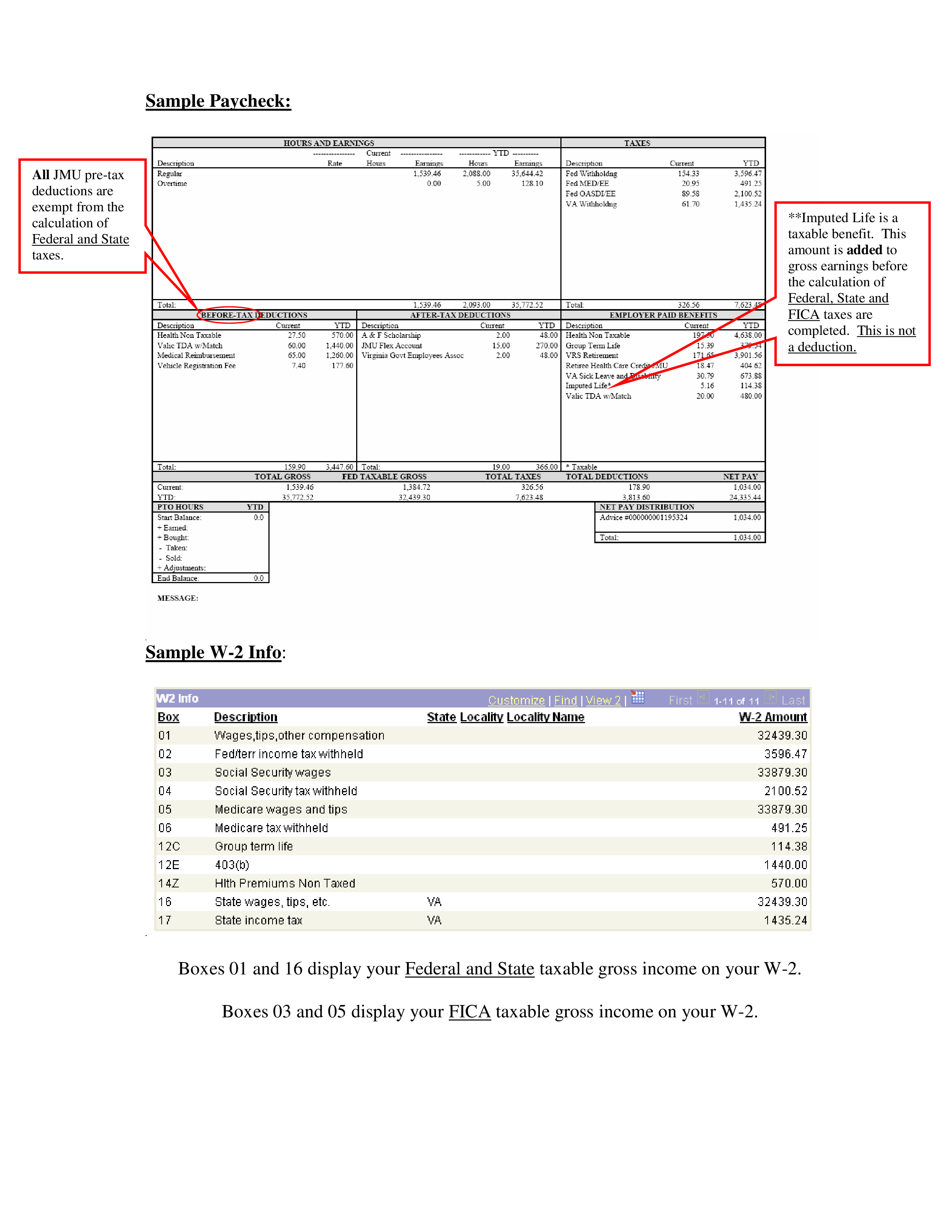
- Wages and Salaries: Reported on Form W-2 by your employer.
- Interest and Dividends: Earned from savings accounts, bonds, or stock investments (typically reported on 1099-INT or 1099-DIV).
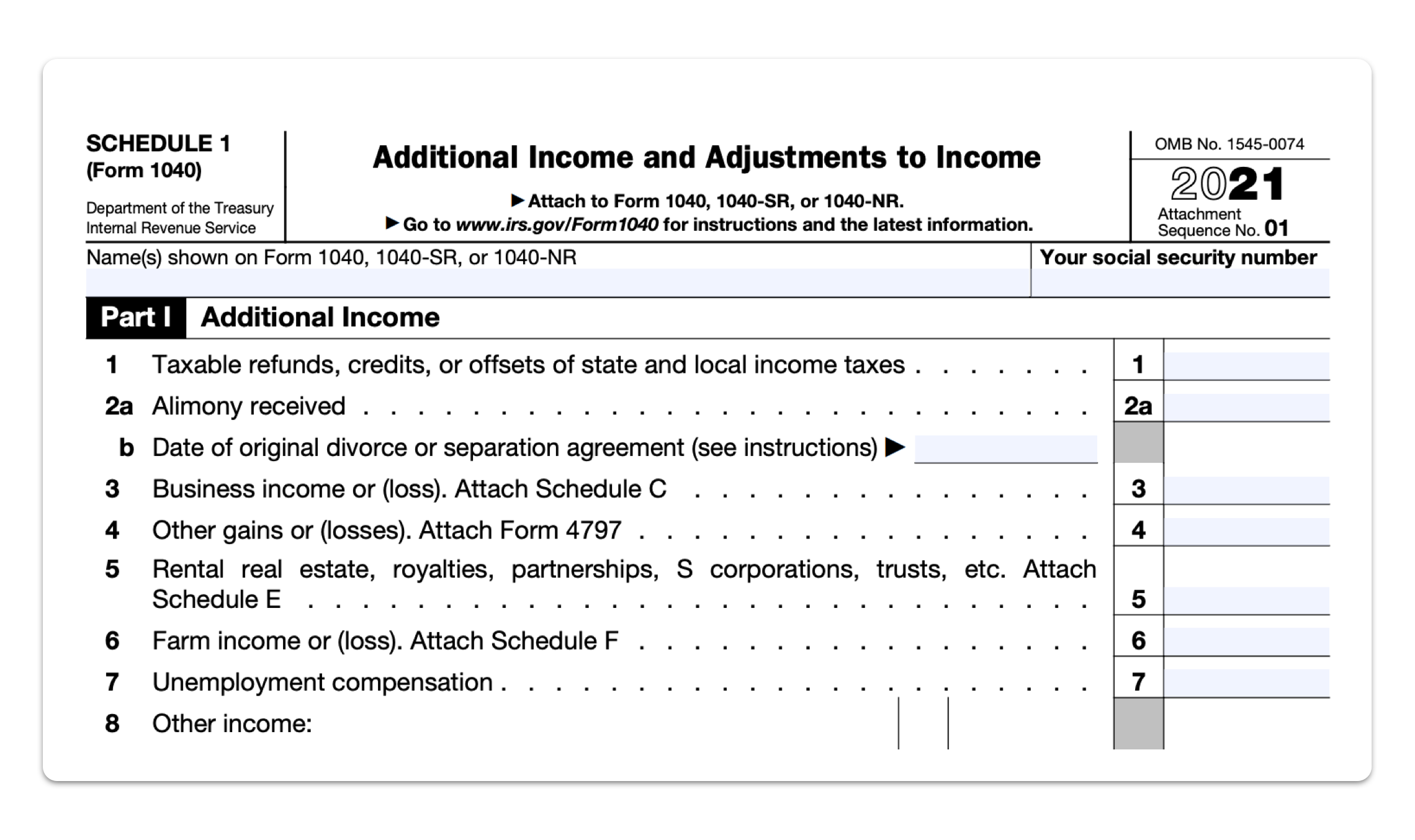
- Business Income: Revenue from a sole proprietorship or freelance work (reported on Schedule C).
- Capital Gains: Profits from the sale of assets like real estate or stocks.
- Retirement Distributions: Payments from pensions, IRAs, or 401(k) plans.
- Rental Income: Money received from leasing property.
It is a common mistake to assume gross income is only your "take-home pay." In reality, it includes many items that are not immediately visible in your bank account, such as certain employer-paid benefits or reinvested dividends.
Adjustments to Income (The Bridge to AGI)
Once you have your gross income, you apply "above-the-line" deductions. These are adjustments that reduce your total income regardless of whether you choose to itemize your deductions later. Common adjustments include:
- Educator Expenses: Up to a specific limit for K-12 teachers who buy classroom supplies.
- Student Loan Interest: A deduction for interest paid on qualified higher education loans.
- Health Savings Account (HSA) Deductions: Contributions made with after-tax dollars.
- Self-Employment Tax: The deductible portion of the self-employment tax paid by freelancers and business owners.
- IRA Contributions: Traditional IRA contributions may be deductible depending on your income level and workplace retirement plan status.
The resulting figure—Adjusted Gross Income (AGI)—is a critical metric. It often determines your eligibility for various tax credits and other financial benefits, such as financial aid for college or specific government programs.
Step-by-Step Calculation: Finding Your Taxable Income
To find your exact taxable income for 2026, follow these sequential steps. Ensure you have all relevant forms, including W-2s, 1099s, and receipts for deductible expenses, before you begin.
Step 1: Calculate Total Gross Income
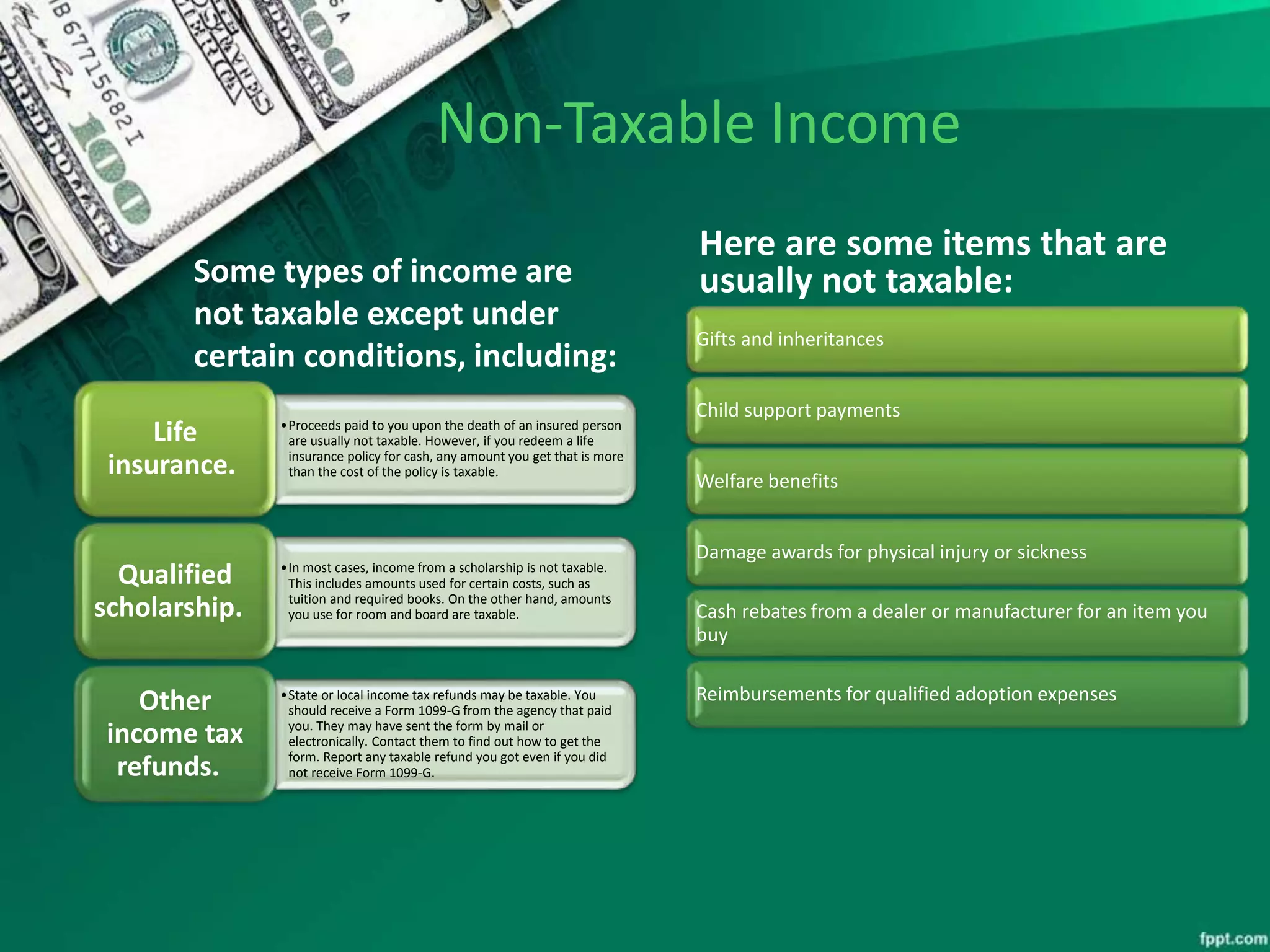
Aggregate every dollar earned from January 1 to December 31. This includes traditional employment, side hustles, and passive income. Note that some forms of income, such as child support payments or most life insurance payouts, are generally not taxable and should not be included in this sum.
Step 2: Determine Your Adjusted Gross Income (AGI)
Subtract your adjustments to income from your total gross income. For example, if your gross income is $85,000 and you contributed $3,000 to a traditional IRA and paid $1,000 in student loan interest, your AGI would be $81,000. This calculation is handled on the first page of Form 1040.
Step 3: Choose Between Standard or Itemized Deductions
This is where the calculation diverges for most taxpayers. You must choose the method that results in the lowest taxable income.
- Standard Deduction: A fixed dollar amount based on your filing status (Single, Married Filing Jointly, Head of Household). For 2026, these amounts have been adjusted for inflation and the sunsetting of prior tax legislation.
- Itemized Deductions: The sum of specific expenses you incurred throughout the year. You should itemize only if the total of these expenses exceeds the standard deduction amount for your filing status.
Common itemized deductions include:
- Medical and Dental Expenses: Only the portion that exceeds 7.5% of your AGI.
- State and Local Taxes (SALT): Includes property taxes and either state income or sales taxes.
- Home Mortgage Interest: Interest paid on up to a specific limit of mortgage debt.
- Charitable Contributions: Donations to qualified 501(c)(3) organizations.
- Casualty and Theft Losses: Generally only applicable in federally declared disaster areas.
Step 4: Final Subtractions
If you are a small business owner or a freelancer, you may also be eligible for the Qualified Business Income (QBI) Deduction, which allows you to deduct up to 20% of your qualified business income from your AGI. Subtract your chosen deduction (standard or itemized) and the QBI deduction (if applicable) from your AGI. The remaining figure is your Taxable Income.
Navigating the 2026 Tax Landscape
The 2026 tax year is particularly significant due to the expiration of many provisions from the Tax Cuts and Jobs Act (TCJA) of 2017. As of 2026, several major changes have reverted to previous standards, affecting how you find and calculate taxable income.
The Return of Personal Exemptions
Under previous rules (2018–2025), personal exemptions were set to zero. Starting in the 2026 tax year, personal exemptions have returned. This means that in addition to the standard or itemized deduction, you may be able to subtract a specific amount for yourself, your spouse, and each dependent from your AGI. This significantly lowers the final taxable income figure compared to the previous decade.
Changes to the Standard Deduction
During the TCJA era, the standard deduction was nearly doubled. With those provisions sunsetting, the standard deduction amounts for 2026 have decreased relative to 2025 (when adjusted for inflation). This shift makes it more likely that itemizing deductions on Schedule A will be the more beneficial choice for homeowners and those with high state tax liabilities.
The SALT Cap Reversion
The $10,000 cap on State and Local Tax (SALT) deductions, which limited many taxpayers in high-tax states, has expired as of the end of 2025. For the 2026 tax year, individuals can once again deduct the full amount of their state and local property and income taxes (or sales taxes) if they choose to itemize, provided there has been no new intervening legislation.
Comparison Table: Standard vs. Itemized Deductions in 2026
| Feature | Standard Deduction | Itemized Deductions (Schedule A) |
|---|---|---|
| Ease of Use | Very High; no receipts required. | Lower; requires detailed record-keeping. |
| Documentation | None required for the deduction itself. | Must provide receipts/statements if audited. |
| Typical Expenses | N/A (Fixed amount). | Mortgage interest, SALT, Charity, Medical. |
| 2026 Context | Lower than in 2025 due to TCJA sunset. | More attractive now that the SALT cap has expired. |
| Who Benefits? | Renters and those with low deductible costs. | Homeowners and those with high state taxes or medical bills. |
Common Mistakes When Calculating Taxable Income
Determining your taxable income is prone to errors, especially when distinguishing between gross receipts and taxable gains. Avoiding these common pitfalls ensures you do not overpay or trigger an IRS inquiry.
Confusing Gross Revenue with Taxable Business Income
For the self-employed, taxable income is not your total sales. You must first subtract ordinary and necessary business expenses (advertising, rent, equipment) on Schedule C. Only the net profit is carried over to your personal tax return as part of your gross income.
Forgetting "Above-the-Line" Adjustments
Many taxpayers jump straight to the standard deduction and forget that they can lower their AGI first. For example, if you are eligible for the student loan interest deduction, you should claim it even if you take the standard deduction. This lowers your AGI, which can potentially qualify you for other credits like the Earned Income Tax Credit (EITC).
Overlooking Tax-Exempt Interest
While most interest is taxable, interest from municipal bonds is generally exempt from federal income tax. While you must report this interest on your return for informational purposes, it should not be included in the calculation of your final taxable income.
FAQs
What is the difference between AGI and taxable income?
Adjusted Gross Income (AGI) is your total income minus specific "above-the-line" adjustments (like IRA contributions or student loan interest). Taxable income is what remains after you further subtract your standard or itemized deductions and personal exemptions from your AGI. AGI is the "middle" number, while taxable income is the "final" number used to look up your tax bracket.
How do I find my taxable income from a previous year?
The easiest way to find this is to look at your filed tax return for that year. On the 2026 Form 1040, taxable income is typically found on Line 15. If you do not have a copy of your return, you can request a Tax Transcript from the IRS website, which will provide a line-by-line summary of your filed return.
Does my taxable income include my 401(k) contributions?
If you contribute to a Traditional 401(k), those contributions are made "pre-tax," meaning they are excluded from your gross income from the start. Your employer will already have subtracted these amounts from the "Wages, tips, other compensation" box on your W-2. However, if you contribute to a Roth 401(k), that money is included in your taxable income for the current year.
Can my taxable income be zero?
Yes. If your total deductions and personal exemptions exceed your Adjusted Gross Income, your taxable income will be zero. In this scenario, you would not owe any federal income tax, though you may still be required to file a return to claim refundable tax credits or to refund any federal withholding paid throughout the year.
How does the Qualified Business Income (QBI) deduction work in 2026?
The QBI deduction allows eligible self-employed individuals and small business owners to deduct up to 20% of their qualified business income. This deduction is taken after calculating AGI but is available regardless of whether you itemize or take the standard deduction. Note that there are income thresholds and phase-outs that apply to high-income earners.
Next Steps for Taxpayers
Once you have calculated your taxable income, the next step is to apply the 2026 tax brackets to determine your total tax liability. Use your taxable income figure to identify which portions of your income are taxed at 10%, 15%, 25%, and so on (keeping in mind that tax rates have reverted following the TCJA sunset).
To ensure accuracy, it is highly recommended to use reputable tax software or consult a Certified Public Accountant (CPA). These resources can help identify less common deductions—such as those for moving expenses for active-duty military or specific energy-efficient home improvements—that can further reduce your taxable income and save you money.
Image Gallery