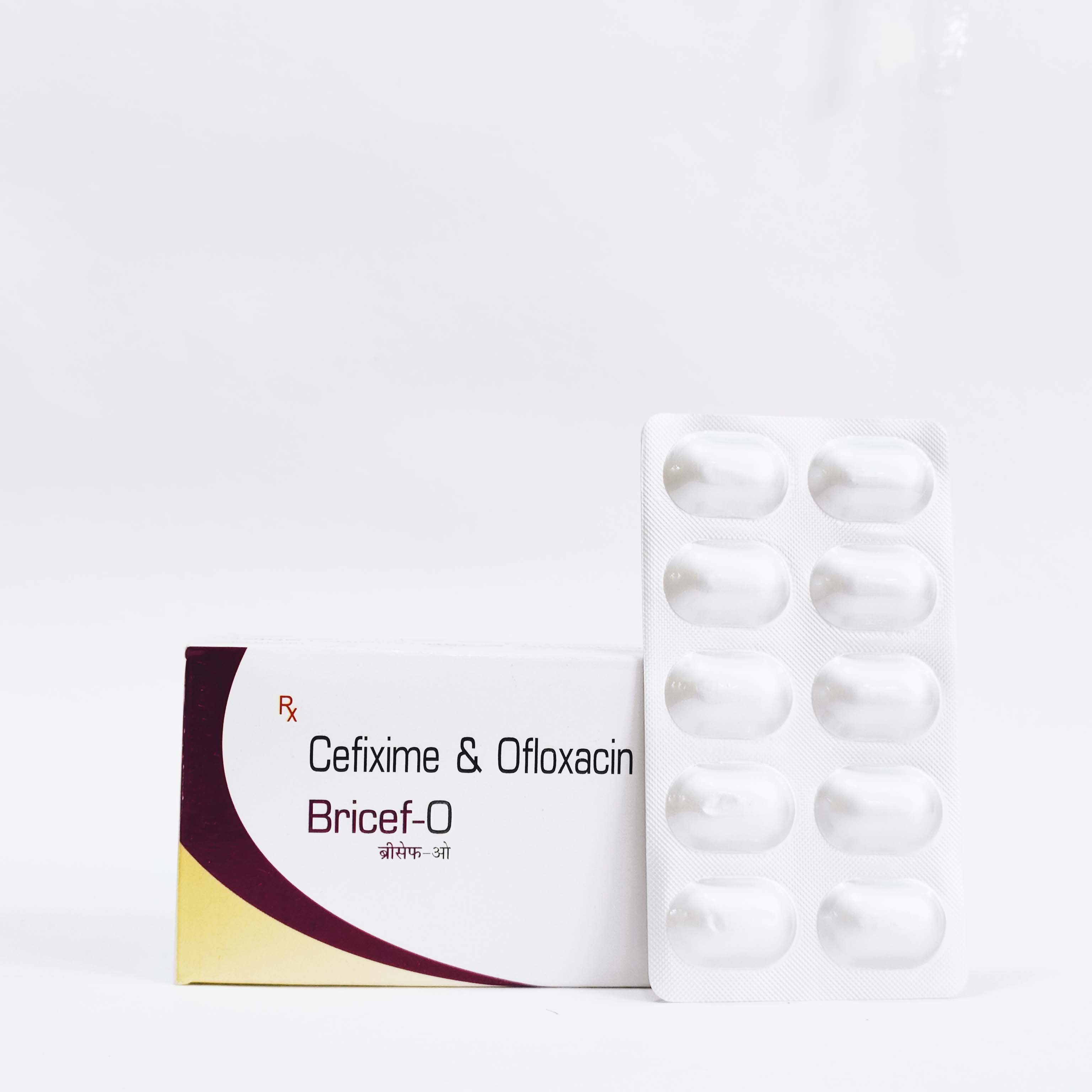
Common Uses of Cefixime: A Comprehensive Guide to This Antibiotic
Cefixime is a third-generation cephalosporin antibiotic primarily used to treat various bacterial infections, including urinary tract infections (UTIs), respiratory tract infections like bronchitis, and certain sexually transmitted inf...
Cefixime is a third-generation cephalosporin antibiotic primarily used to treat various bacterial infections, including urinary tract infections (UTIs), respiratory tract infections like bronchitis, and certain sexually transmitted infections such as gonorrhea. It works by inhibiting bacterial cell wall synthesis, effectively killing susceptible bacteria and preventing the spread of infection throughout the body.
Contents
Understanding Cefixime: Classification and Mechanism of Action
Cefixime, often recognized under the brand name Suprax, belongs to a class of drugs known as third-generation oral cephalosporins. To understand its common uses, one must first understand its pharmacological profile. Cephalosporins are beta-lactam antibiotics, similar to penicillin, but they are categorized into "generations" based on their spectrum of activity against different types of bacteria.
As a third-generation agent, cefixime offers broader coverage against Gram-negative bacteria compared to its first- and second-generation predecessors. However, it is generally less potent against Gram-positive bacteria like Staphylococcus aureus than earlier generations.
The mechanism of action is bactericidal. Cefixime binds to specific penicillin-binding proteins (PBPs) located inside the bacterial cell wall. This binding inhibits the final transpeptidation step of peptidoglycan synthesis. Without a stable cell wall, the internal osmotic pressure causes the bacterial cell to rupture and die. Because human cells do not have cell walls, cefixime targets the invading pathogens while leaving the host cells unharmed.
FDA-Approved and Common Clinical Uses of Cefixime
As of 2026, cefixime remains a vital tool in the outpatient management of bacterial infections. Its stability against many beta-lactamase enzymes—which are produced by bacteria to resist antibiotics—makes it an effective choice for several common conditions.
Respiratory Tract Infections
One of the most frequent applications of cefixime is the treatment of acute exacerbations of chronic bronchitis. This condition is often caused by bacteria such as Streptococcus pneumoniae and Haemophilus influenzae. Cefixime is particularly valued here because it reaches high concentrations in lung tissue and bronchial secretions. It is also used for community-acquired pneumonia in specific cases where the causative agent is known to be susceptible.
Urinary Tract Infections (UTIs)
Cefixime is highly effective against uncomplicated urinary tract infections. These infections are typically caused by Escherichia coli and Proteus mirabilis. Because the drug is excreted largely unchanged through the kidneys into the urine, it achieves very high concentrations in the urinary tract, making it lethal to pathogens residing there. It is often a preferred oral alternative when first-line treatments like nitrofurantoin or trimethoprim/sulfamethoxazole cannot be used due to allergy or resistance.
Ear, Nose, and Throat (ENT) Infections
In pediatric and adult medicine, cefixime is frequently prescribed for:
- Otitis Media: Middle ear infections, common in children, often caused by Moraxella catarrhalis or Haemophilus influenzae.
- Pharyngitis and Tonsillitis: While penicillin remains the gold standard for "Strep throat" (Streptococcus pyogenes), cefixime is a potent alternative for patients who require an oral cephalosporin.
Sexually Transmitted Infections (STIs)
Cefixime has historically been a cornerstone in the treatment of uncomplicated cervical, urethral, and rectal gonorrhea caused by Neisseria gonorrhoeae. While rising resistance has led many health organizations, such as the Centers for Disease Control and Prevention (CDC), to prioritize injectable ceftriaxone, cefixime remains the primary oral alternative. It is often used in a single-dose regimen of 400mg or 800mg, sometimes in combination with other antibiotics to ensure complete clearance of the infection.
Dosage Guidelines and Administration
The dosage of cefixime depends heavily on the type of infection being treated and the age of the patient. For most adult infections, the standard dosage is 400 mg daily. This can be taken as a single 400 mg dose or divided into two 200 mg doses taken 12 hours apart.
For children, the dosage is calculated based on body weight, typically 8 mg per kilogram of body weight per day. This is often administered as an oral suspension, which is easier for younger patients to swallow. It is important to note that the suspension must be shaken well before each use and usually requires refrigeration, though some formulations are stable at room temperature for a limited period.
Cefixime can be taken with or without food. However, taking it with a meal may help reduce potential gastrointestinal side effects, such as stomach upset or nausea. It is a critical rule of antibiotic stewardship to complete the full course of the medication, even if symptoms improve within the first 48 hours. Stopping early can lead to the survival of the strongest bacteria, contributing to the global crisis of antibiotic resistance.
Comparative Analysis: Cefixime vs. Other Antibiotics
Choosing the right antibiotic involves balancing the spectrum of activity, the route of administration, and the side effect profile. The following table compares cefixime with other commonly prescribed antibiotics used for similar indications.
| Feature | Cefixime (Suprax) | Amoxicillin | Azithromycin (Z-Pak) |
|---|---|---|---|
| Drug Class | 3rd Gen Cephalosporin | Penicillin | Macrolide |
| Primary Spectrum | Gram-negative focused | Broad (Gram-positive/negative) | Atypical bacteria & Gram-positive |
| Common Uses | UTIs, Bronchitis, Gonorrhea | Ear infections, Strep throat | Walking pneumonia, Chlamydia |
| Beta-Lactamase Stability | High | Low (unless with Clavulanate) | N/A (Not a Beta-Lactam) |
| Standard Adult Dose | 400 mg once daily | 500 mg every 8-12 hours | 500 mg day 1, then 250 mg |
| Common Side Effect | Diarrhea | Rash, Diarrhea | Nausea, Heart rhythm issues |
Potential Side Effects and Adverse Reactions
While cefixime is generally well-tolerated, like all medications, it carries a risk of side effects. Most side effects are mild and resolve once the treatment is finished.
- Gastrointestinal Issues: Diarrhea is the most common side effect, occurring in approximately 15% of patients. Nausea, abdominal pain, and dyspepsia (indigestion) are also reported.
- Allergic Reactions: Patients with a history of penicillin allergy should use cefixime with caution. There is a "cross-reactivity" rate of about 5-10%, meaning if you are severely allergic to penicillin, you might also react to cephalosporins. Signs of an allergic reaction include hives, swelling of the face or throat, and difficulty breathing.
- Clostridioides difficile (C. diff): All broad-spectrum antibiotics can disrupt the natural balance of bacteria in the gut. This can allow C. diff to flourish, leading to severe, persistent diarrhea and colitis.
- Hematologic and Renal Effects: Rare side effects include transient changes in liver enzymes or blood cell counts (such as thrombocytopenia).
Precautions, Contraindications, and Drug Interactions
Before starting cefixime, healthcare providers evaluate several factors to ensure safety:
- Renal Impairment: Because cefixime is cleared by the kidneys, patients with significant kidney disease (low creatinine clearance) may require a dose adjustment to prevent the drug from accumulating to toxic levels in the blood.
- Seizure Disorders: High doses of cephalosporins, particularly in patients with kidney dysfunction, have been linked to an increased risk of seizures.
- Drug Interactions: Cefixime can interact with certain medications. For instance, it can increase the effects of anticoagulants like Warfarin, potentially increasing the risk of bleeding. It may also interact with the live typhoid vaccine, reducing the vaccine's effectiveness.
Antibiotic Resistance and Stewardship in 2026
In 2026, the medical community remains focused on "Antibiotic Stewardship." This refers to the coordinated effort to ensure that antibiotics are used only when necessary and that the right drug is chosen for the right duration.
Cefixime is a powerful tool, but its overuse for viral infections—such as the common cold or flu—is ineffective and dangerous. Viruses do not have cell walls and are entirely unaffected by cefixime. Using antibiotics for viral issues contributes to the development of "superbugs" that no longer respond to standard treatments. Patients are encouraged to follow their provider's instructions strictly and never share their prescription with others.
Frequently Asked Questions
Can cefixime treat a common cold or the flu?
No, cefixime is an antibiotic designed specifically to kill bacteria. The common cold, influenza, and most cases of sore throat or bronchitis are caused by viruses. Taking cefixime for a viral infection will not cure the illness, will not prevent others from catching it, and may cause unnecessary side effects.
Is cefixime safe to take during pregnancy?
Cefixime is generally considered safe during pregnancy when clearly needed. It is classified as a Pregnancy Category B drug by the U.S. Food and Drug Administration (FDA), meaning animal studies have failed to demonstrate a risk to the fetus, and there are no adequate, well-controlled studies in pregnant women. However, it should only be used under the direct supervision of a physician.
What should I do if I miss a dose of cefixime?
If you miss a dose, take it as soon as you remember. However, if it is almost time for your next scheduled dose, skip the missed dose and resume your regular dosing schedule. Never "double up" on doses to catch up, as this increases the risk of gastrointestinal toxicity.
Can I drink alcohol while taking cefixime?
Unlike some other antibiotics (such as metronidazole), cefixime does not have a well-documented "disulfiram-like" reaction with alcohol. However, alcohol can dehydrate the body and irritate the digestive system, which may worsen the common gastrointestinal side effects of the antibiotic. It is generally advisable to avoid alcohol while fighting an active infection to allow the immune system to function optimally.
How long does it take for cefixime to start working?
Most patients begin to feel an improvement in their symptoms within 24 to 48 hours of starting the medication. However, feeling better does not mean the infection is completely gone. You must continue taking the medication for the entire duration prescribed by your doctor to ensure all bacteria are eliminated.
Practical Recommendation
If you have been prescribed cefixime, ensure you provide your healthcare provider with a full history of any allergies, especially to penicillin or other cephalosporins. Monitor your body for signs of a severe allergic reaction or persistent, watery diarrhea, and report these to a medical professional immediately. To support your gut health during the course, consider consuming probiotic-rich foods like yogurt, which can help maintain the natural balance of intestinal flora. Always finish the entire bottle of medication, even if you feel completely recovered after just a few days.
Image Gallery