Vanishing Life Insurance Explained: The Mechanics, Risks, and Reality
Vanishing life insurance, or "vanishing premium" life insurance, is a financial strategy where a policy’s internal cash value and dividends are used to pay the premiums. Once the policy generates enough income to cover its own costs, t...
Vanishing life insurance, or "vanishing premium" life insurance, is a financial strategy where a policy’s internal cash value and dividends are used to pay the premiums. Once the policy generates enough income to cover its own costs, the policyholder stops paying out-of-pocket, causing the premiums to "vanish."
Contents
The term "vanishing life insurance" refers more to a marketing illustration and premium payment method than a specific type of insurance product. It was a dominant sales feature in the 1980s and 1990s, applied primarily to whole life and universal life insurance policies. While the concept sounds appealing, it relies heavily on non-guaranteed financial projections. In 2026, understanding how these policies function—and why they historically failed many consumers—is essential for anyone managing a legacy policy or considering a permanent life insurance plan.
The Core Mechanism: How Premiums "Vanish"
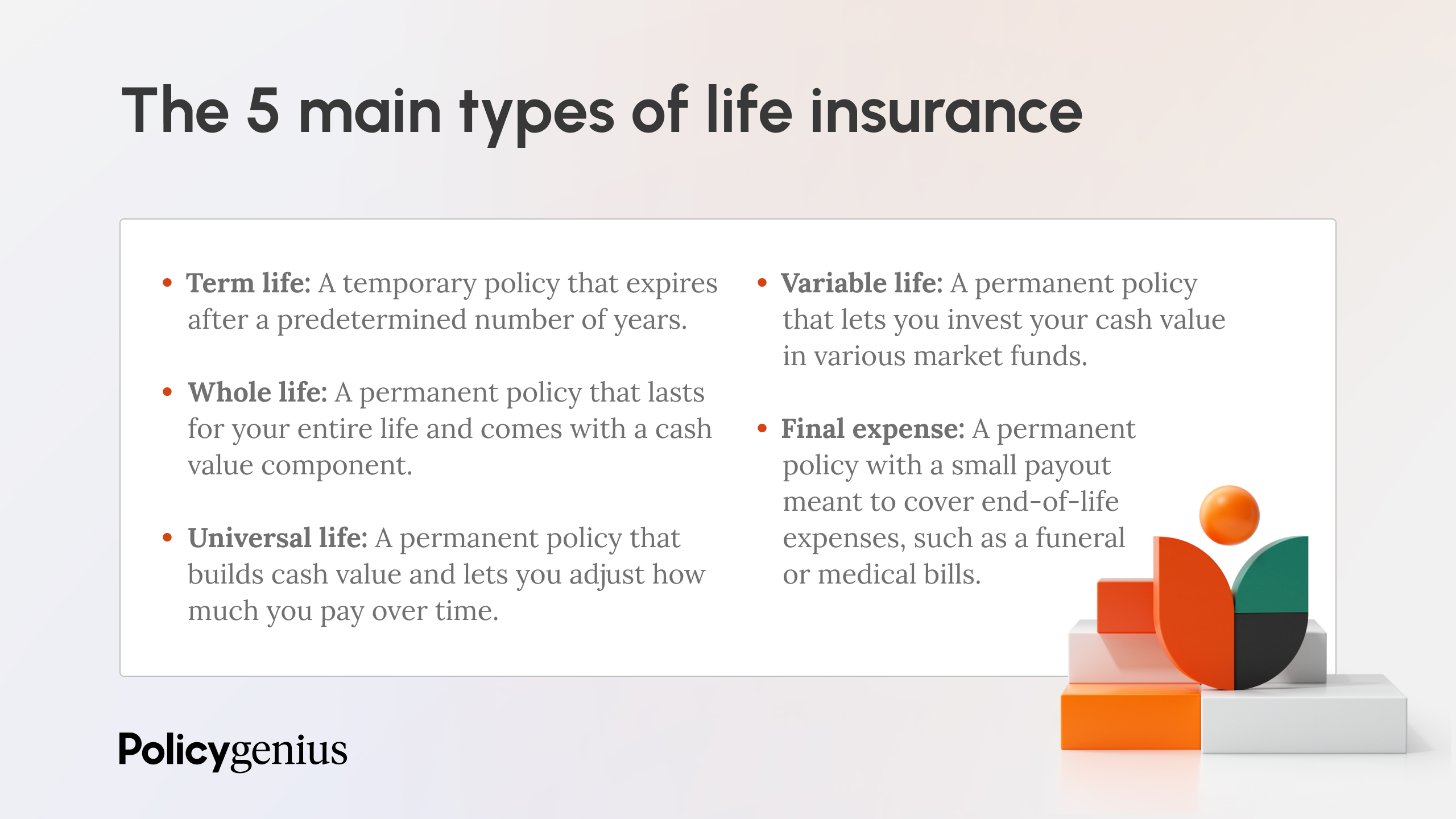
To understand how a premium vanishes, one must first understand the structure of permanent life insurance. Unlike term life insurance, which only provides a death benefit for a specific period, permanent life insurance includes a savings component known as cash value.
When a policyholder pays a premium, a portion goes toward the cost of insurance (mortality charges) and administrative fees. The remainder is credited to the cash value, which grows over time through interest or dividends. In a "vanishing" scenario, the policy is designed so that the accumulated cash value eventually produces enough annual growth to offset the annual premium.
The Role of Policy Dividends
In participating whole life insurance policies, the insurance company may distribute a portion of its profits to policyholders in the form of dividends. While dividends are never guaranteed, they are a primary driver of the vanishing premium strategy. Policyholders can choose to have these dividends "buy" more insurance (Paid-Up Additions) or apply them directly toward the premium. Once the dividend amount equals or exceeds the premium due, the policyholder is told they no longer need to pay from their own funds.
Cash Value Accumulation and Interest Rates
In universal life policies, the mechanism is slightly different. Instead of dividends, the policy relies on a crediting interest rate. If the interest rate remains high and the cash value grows sufficiently, the interest earned on the cash value can be harvested by the insurer to pay the monthly cost of insurance.
The Historical Controversy: Why "Vanishing" Became a Crisis
The vanishing premium concept became the center of massive legal battles in the late 1990s. During the 1980s, interest rates in the United States reached historic highs. Insurance companies created sales illustrations based on these double-digit rates, projecting that premiums would vanish in as little as seven to ten years.
However, as interest rates began a steady decline through the 1990s and into the 2000s, the dividends and interest earned by these policies plummeted. Because the internal growth was no longer sufficient to cover the costs, the "vanished" premiums suddenly reappeared. Policyholders who had stopped paying years prior were suddenly hit with massive bills to keep their coverage active. Many could not afford the catch-up payments, leading to policy lapses and the loss of decades of equity.
This era led to significant class-action lawsuits against major insurers. Regulators, including the National Association of Insurance Commissioners (NAIC), subsequently tightened the rules on how life insurance could be marketed, requiring clearer disclosures that illustrations are based on non-guaranteed assumptions.
Comparing Premium Payment Strategies
When evaluating permanent life insurance in 2026, it is helpful to compare the "vanishing" strategy against more modern, guaranteed structures.
| Feature | Vanishing Premium Strategy | Limited-Pay Life Insurance | Standard Whole Life |
|---|---|---|---|
| Payment Duration | Projected (Not Guaranteed) | Contractually Guaranteed | For Life (usually to age 100 or 121) |
| Reliance on Dividends | High | Low to Moderate | Moderate |
| Risk of Premium Reappearing | High if rates drop | None (Guaranteed) | N/A (Premiums always due) |
| Cost | Standard | Significantly Higher | Standard |
| Primary Driver | Non-guaranteed projections | Policy Contract | Systematic Funding |
Modern Alternatives and the 2026 Landscape
In 2026, the life insurance industry has largely moved away from the "vanishing premium" branding due to its negative historical connotations. Instead, consumers looking for a way to stop paying premiums at a certain age typically look at two specific options:
1. Limited-Pay Policies
A limited-pay policy (such as a 10-pay or 20-pay whole life policy) is contractually guaranteed to be paid up after a specific number of years. Unlike the vanishing premium strategy, the "stop date" is part of the legal contract. The insurer calculates exactly how much must be paid in those 10 or 20 years to sustain the policy for life, regardless of what happens to interest rates or dividend scales.
2. Premium Offset Using Paid-Up Additions
This is the modern, more transparent version of the vanishing premium. Many whole life policyholders use their dividends to purchase Paid-Up Additions (PUA). Over time, these additions increase the death benefit and the cash value. Once the policy is mature enough, the policyholder can request a "premium offset." The insurer then uses the dividends and, if necessary, surrenders some of the PUA cash value to pay the premium. While this is not guaranteed, 2026 illustrations are far more conservative than those of the 1980s, providing a more realistic "stress test" of how the policy might perform in a low-interest-rate environment.
Key Risks and Considerations
Before attempting a vanishing premium or offset strategy, it is critical to evaluate the internal components of the policy.
Interest Rate Sensitivity
The health of a vanishing premium plan is tethered to the general interest rate environment. If the Federal Reserve lowers rates, the insurer’s general account—which is largely invested in corporate and government bonds—will earn less. This directly reduces the dividend scale or the crediting rate, extending the time it takes for a premium to vanish, or potentially causing a vanished premium to return.
Mortality and Expense Charges
The "cost of insurance" is not static in all policies. In universal life insurance, the cost of insurance (COI) increases as the insured person gets older. If the cash value does not grow fast enough to outpace the rising COI, the policy can enter a "death spiral" where the cash value is depleted to pay the rising costs, eventually leading to a lapse.
Tax Implications
Using dividends to pay premiums is generally not a taxable event. However, if you must surrender portions of your cash value (specifically the gains) to cover premiums because dividends are insufficient, you could trigger a tax liability. Furthermore, if a policy is funded too aggressively in the early years to make the premium vanish faster, it may be classified as a Modified Endowment Contract (MEC), which changes the tax treatment of loans and withdrawals.
How to Verify a "Vanished" Policy
If you currently own a policy that was sold as "vanishing," or if you are approaching the date when premiums are supposed to stop, you should take proactive steps to verify the policy's health.
- Request an "In-Force Illustration": This is a current projection based on your actual cash value and the insurer's current dividend scale. Ask the agent to run the illustration at the current dividend rate and at a rate 1% or 2% lower to see if the premium still "vanishes."
- Check the "Paid-Up" Status: Ensure you understand the difference between a policy being "paid-up" (guaranteed) and "in offset" (not guaranteed).
- Evaluate Dividend History: Review the insurer’s dividend history over the last 20 years. Companies with stable, long-term dividend tracks are generally more reliable for offset strategies.
FAQ: Frequently Asked Questions
Can a vanished premium really "reappear"?
Yes. If the insurance company’s dividend scale or interest crediting rate falls below the levels projected when the policy was sold, the cash value will not generate enough income to cover the premium. In this case, the insurer will bill the policyholder for the shortfall to keep the policy in force.
Is vanishing life insurance the same as a paid-up policy?
No. A "paid-up" policy is a contractual status where no further premiums are ever required to maintain the full death benefit. A "vanishing premium" policy is still technically requiring a premium, but that premium is being paid by the policy’s internal earnings rather than the policyholder’s checkbook.
Are vanishing premiums legal in 2026?
The strategy is legal, but the marketing is heavily regulated. Insurers are now required to provide "standard" and "depressed" projections to show what happens if financial conditions worsen. Using the specific phrase "vanishing premium" is often avoided by compliance departments in favor of "premium offset."
What happens if I can't pay a reappearing premium?
If a premium reappears and you cannot pay it, the insurer will typically take the money from the remaining cash value as a "policy loan." This loan will accrue interest. If the loan balance eventually exceeds the total cash value, the policy will lapse, and the death benefit will be lost.
Can I turn a regular whole life policy into a vanishing one?
Most participating whole life policies have the potential to use a "premium offset" strategy once the cash value and dividends have reached a certain threshold. You would need to contact your insurer to change your dividend option to "premium offset."
Practical Recommendation
If you are considering a life insurance policy with the goal of stopping payments at a certain age, avoid the "vanishing premium" illustration in favor of a guaranteed limited-pay policy. While a 10-pay or 20-pay policy will have a higher initial premium than a standard policy, it provides the certainty that the coverage will remain in force for life without the risk of future bills. If you already own a policy intended to vanish, request an in-force illustration annually to ensure the internal growth is still on track to meet your goals.
Image Gallery