Mayim Bialik’s Unexpected Role in Blossom: The Casting, Cultural Impact, and Legacy of a 90s Television Icon
Mayim Bialik’s starring role as Blossom Russo in the NBC sitcom Blossom (1991–1995) redefined teenage representation on American television. Cast by creator Don Reo after competing for multiple network pilots, Bialik transformed an unc...
Mayim Bialik’s starring role as Blossom Russo in the NBC sitcom Blossom (1991–1995) redefined teenage representation on American television. Cast by creator Don Reo after competing for multiple network pilots, Bialik transformed an unconventional character into a pop-culture phenomenon, blending quirky fashion, intellectual curiosity, and grounded teenage angst across five successful seasons.
Contents
The Casting Dilemma: Blossom, Molloy, and Mayim Bialik’s Path to Lead
Before becoming a household name on NBC, Mayim Bialik faced a unique crossroad in late 1989. As a young actor who had gained notice for her performance as a young Bette Midler in the 1988 film Beaches, Bialik was targeted by casting directors for two major television pilots during the same pilot season: Fox's Molloy and NBC's Blossom.
- Pilot Season (1989–1990)
- Fox: "Molloy" (Aired April–May 1990; 7 episodes)
- NBC: "Blossom" (Special Pilot July 1990; Series 1991–1995)
At the time, network executives held distinct visions for adolescent female leads. Traditional sitcoms favored polished, conventional child actors. However, writer and producer Don Reo sought a performer who radiated authenticity, intellect, and emotional depth. Bialik auditioned for both networks, ultimately shooting pilots for both shows. Fox aired Molloy first in early 1990, featuring Bialik alongside a young Jennifer Aniston. When Molloy was canceled after seven episodes, NBC greenlit Blossom following an unexpectedly strong viewer response to its trial broadcast in July 1990.
The casting was unexpected within an industry that typically prioritized standardized Hollywood tropes. Bialik brought an expressive, expressive comedic delivery and a relatable physical presence that deviated from typical sitcom child stars of the late 1980s and early 1990s.
From Concept to Screen: The Overhaul of the Blossom Pilot
The original vision for Blossom underwent drastic revisions before the show reached its permanent weekly slot in January 1991. The initial pilot episode filmed in early 1990 presented a fundamentally different family dynamic than the one viewers eventually grew to love.
In the unaired original pilot concept:
- Parents: Blossom's parents were portrayed by Richard Masur and Barrie Youngfellow as a married, intact couple living in conventional suburban domesticity.
- Family Dynamic: The narrative focused primarily on standard household misunderstandings, with the lead character serving as a traditional middle-child figure.
- Lead Perspective: The show was initially envisioned more as a ensemble family project rather than a tight, character-driven vehicle focusing on a teenage girl's inner life.
NBC testing indicated that audiences responded overwhelmingly to Bialik's character and her internal video diary monologues. Recognizing Bialik's star potential, Don Reo restructured the show's core premise. The mother left the household to pursue her own career and personal autonomy in Paris, placing the main focus on a single-father household.
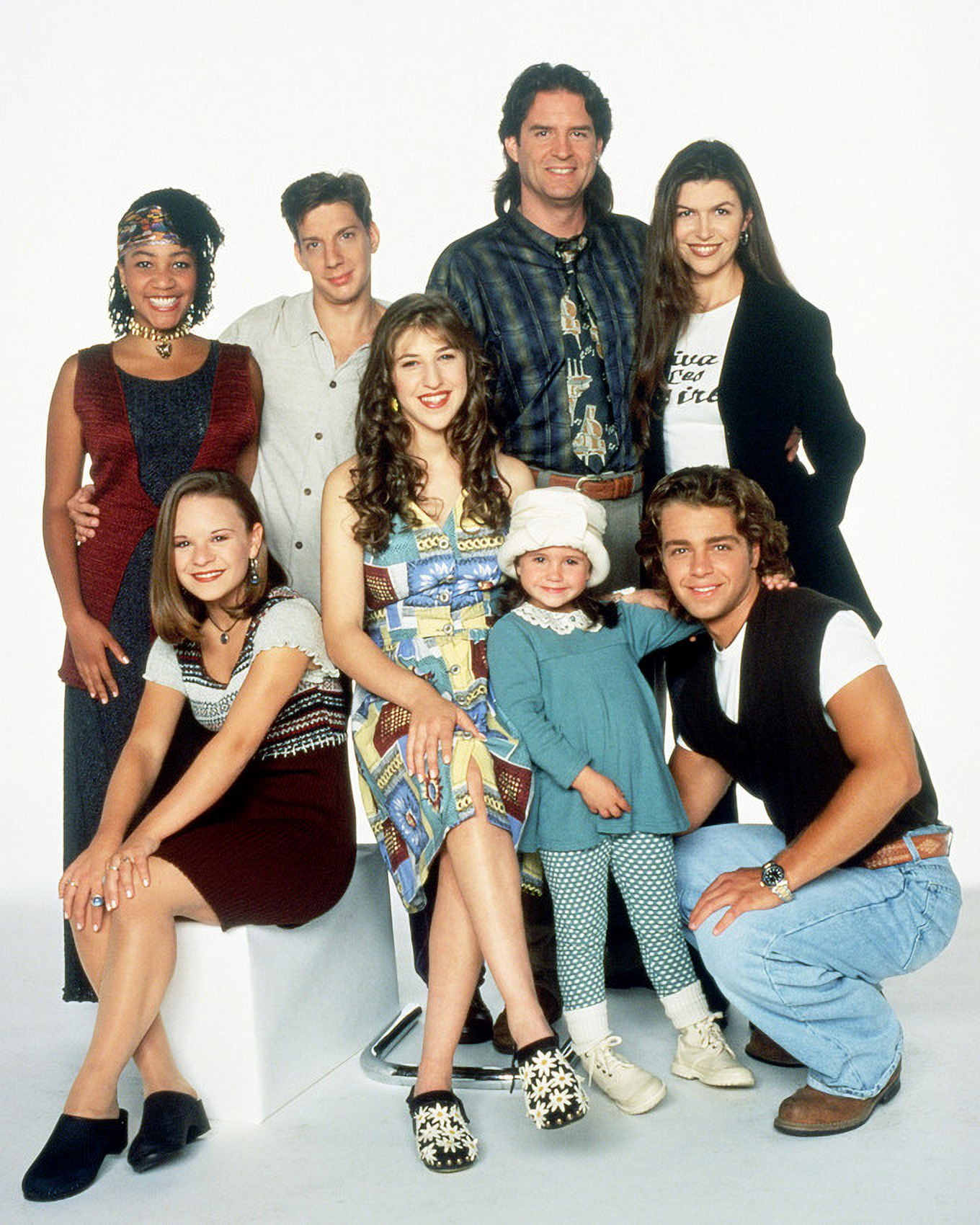
Actor Ted Wass was brought in to play Nick Russo, a working musician balancing fatherhood with a chaotic creative schedule. Michael Stoyanov was cast as Anthony, a recovering substance addict rebuilding his life, and Joey Lawrence took on the role of the dim-witted yet charming middle brother, Joey Russo. This structural shift transformed Blossom into a progressive, emotionally nuanced portrait of a non-traditional family.
Breaking the Sitcom Mold: Why Blossom Russo Resonated
During the early 1990s, youth-oriented network programs often relied on sanitized moral lessons or slapstick comedy. Blossom disrupted this routine by placing a teenage girl's internal perspective directly at the center of the narrative.
- Key Elements of Blossom Russo's Character Design:
- Internal Monologues: Video diary segments speaking directly to audience thoughts
- Unconventional Fashion: Oversized vintage suits, floral floppy hats, lace-up boots
- Real-World Topics: Addressing divorce, puberty, peer pressure, and substance abuse
- Intellectual Autonomy: Prioritizing personal ambition over suburban conformity
Video Diary Monologues
One of the series' primary narrative devices was Blossom’s video diary. Speaking directly to a home video camera in her bedroom, Bialik delivered introspective, witty soliloquies about adolescence, body image, peer pressure, and family friction. This technique established an intimate bond between the character and the viewer, anticipating modern vlog formats by more than a decade.
Real-World Themes and Vulnerability
The show refused to shy away from sensitive subjects. Across its 114 episodes, Blossom tackled complex topic areas:
- Divorce and Parental Absence: Exploring the emotional fallout of a mother voluntarily leaving her family.
- Addiction and Recovery: Depicting Anthony's ongoing recovery from alcohol and drug dependency with solemnity and hope.
- Teen Relationships and Consent: Handling topics surrounding intimacy, dating pressure, and personal boundaries with honesty.
- Body Image and Growth: Normalizing the physical and emotional awkwardness of teenage development.
Bialik's grounded performance ensured these episodes felt instructional and empathetic rather than preachy, earning praise from adolescent health advocacy groups and television critics alike.
Evolution of Blossom: Pilot vs. Broadcast Series
To understand the scope of the changes made to accommodate Bialik's unique talents, the following comparison highlights how the project evolved between initial development and full production.
| Metric / Dimension | Initial Pilot Concept (1990) | Broadcast Series Format (1991–1995) |
|---|---|---|
| Primary Focus | Ensemble nuclear family dynamics | Character study of a teenage girl navigating adolescent growth |
| Father Character | Terry Russo (played by Richard Masur) | Nick Russo (played by Ted Wass), a single, gigging musician |
| Mother Character | Barbara Russo (played by Barrie Youngfellow) | Maddy Russo (played by Standard Guest Stars); absent in Paris |
| Narrative Device | Standard third-person sitcom storytelling | First-person video diary monologues breaking the fourth wall |
| Fashion & Visual Style | Generic early-90s suburban wardrobe | Signature eclectic aesthetic (floppy hats, layered menswear) |
| Tone & Themes | Traditional situational comedy | Multi-layered blend of humor, real-world drama, and social commentary |
Cultural and Style Impact: The Floppy Hat and Teen Authenticity
Beyond its narrative achievements, Blossom left an indelible mark on 1990s youth fashion and pop culture. Mayim Bialik’s personal input and the work of the show’s costume department created an aesthetic that rebelled against the hyper-glamorized image of young women prevalent in media at the time.
- Blossom Russo's Style Evolution:
- Floppy Floral & Velvet Hats
- Oversized Men's Blazers & Waistcoats
- Doc Martens & Chunky Combat Boots
- Layered Vintage Dresses & Mismatched Prints
The character's signature look—floppy floral hats, oversized blazers, retro waistcoats, mismatched patterns, and heavy boots—became an instant fashion trend among teenagers nationwide. Retailers across North America reported surges in demand for wide-brimmed hats and grunge-adjacent vintage wear throughout 1991 and 1992.
More importantly, the style represented self-expression and independence. Blossom Russo was not designed to conform to the male gaze; her wardrobe reflected artistic confidence, humor, and individuality. For millions of young viewers, Bialik provided a template for expressing oneself without needing approval from mainstream beauty standards.
Supporting Cast Synergy: Building the Russo Household
While Bialik was the heart of the series, the unexpected chemistry between the main cast members amplified the show's success.
- Six LeMeure (Jenna von Oÿ): Blossom’s hyperactive, fast-talking best friend served as the ideal comedic foil. Their dynamic captured the genuine intensity, loyalty, and quirkiness of teenage female friendships.
- Joey Russo (Joey Lawrence): Joey's character provided iconic comedic relief ("Whoa!"), but the show frequently explored the protective, tender sibling bond between Joey and Blossom.
- Anthony Russo (Michael Stoyanov): Anthony’s path as an EMT recovering from addiction introduced mature, dramatic weight to the household, offering a nuanced look at family forgiveness and rehabilitation.
- Nick Russo (Ted Wass): As the single father trying to raise adolescents while working as a professional pianist, Nick provided warmth, guidance, and vulnerability, challenging traditional TV dad stereotypes.
Guest appearances also added to the show’s cultural prestige, featuring notable figures such as BB King, Little Richard, Estelle Getty, Neil Patrick Harris, and Sandra Bernhard.
Life After Blossom: From Hollywood Kid to Neuroscientist
When Blossom concluded its five-season run in May 1995, Mayim Bialik made a choice rare among child stars: she stepped away from full-time acting to prioritize higher education.
- Bialik's Academic & Career Timeline:
- 1995: "Blossom" series finale airs on NBC
- 2000: Earns Bachelor of Science in Neuroscience from UCLA
- 2007: Completes Ph.D. in Neuroscience at UCLA
- 2010: Cast as Dr. Amy Farrah Fowler on "The Big Bang Theory"
- 2021–2023: Hosts "Jeopardy!" and stars in "Call Me Kat"
Bialik enrolled at the University of California, Los Angeles (UCLA), earning a Bachelor of Science degree in neuroscience with minors in Hebrew and Jewish studies in 2000. She continued her graduate studies at UCLA, ultimately earning a Ph.D. in neuroscience in 2007. Her doctoral dissertation examined hypothalamic regulation in relation to Prader-Willi syndrome.
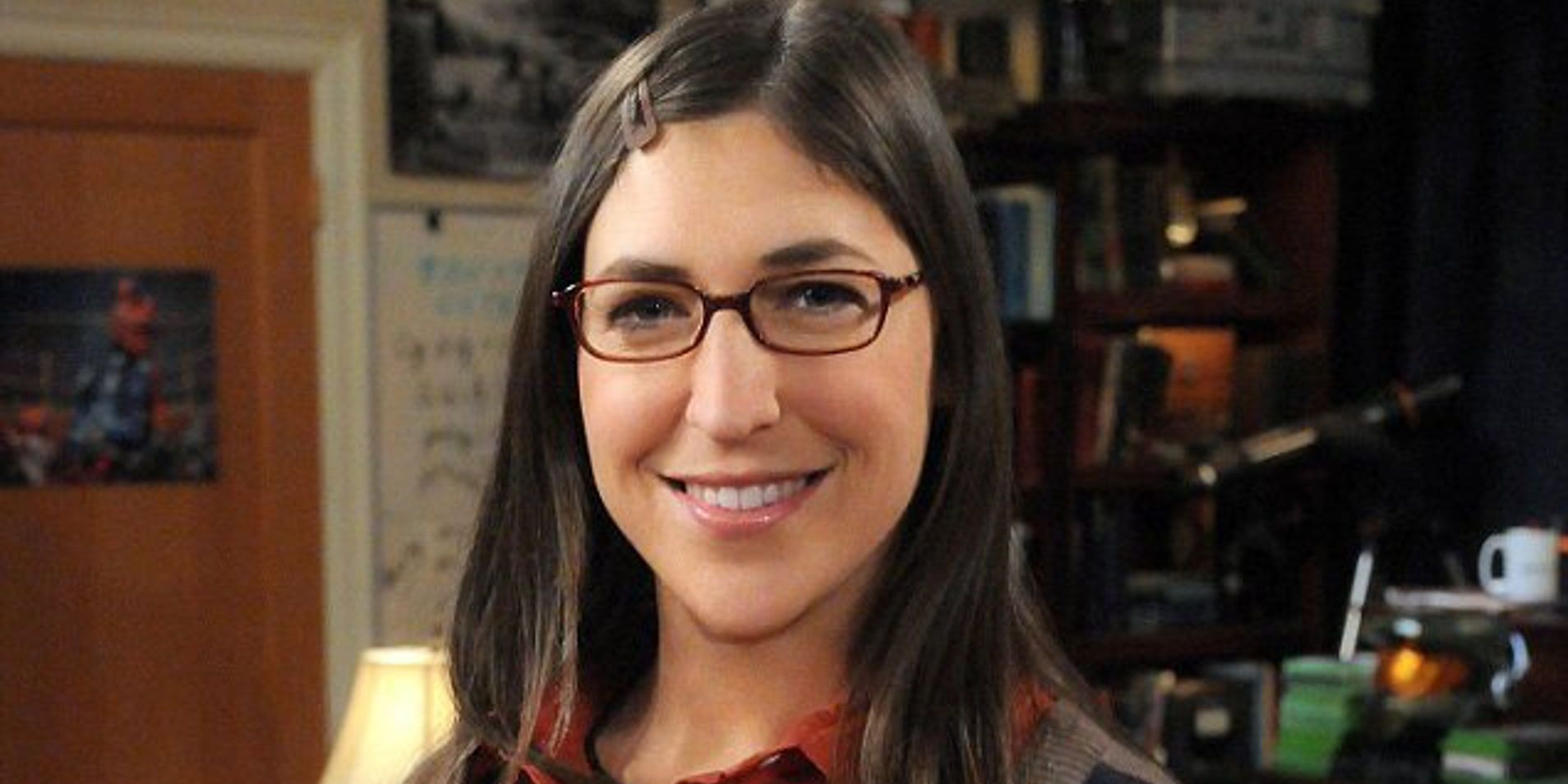
This academic background unexpectedly enriched her eventual return to television. In 2010, Bialik joined the cast of CBS's The Big Bang Theory as Dr. Amy Farrah Fowler—a neurobiologist character whose professional discipline mirrored Bialik's real-life doctorate. Her portrayal earned four consecutive Primetime Emmy Award nominations for Outstanding Supporting Actress in a Comedy Series.
Later, Bialik expanded her career into directing (As They Made Us), hosting (Jeopardy!), and starring in the FOX sitcom Call Me Kat (2021–2023), produced alongside her former The Big Bang Theory co-star Jim Parsons.
Frequently Asked Questions
Why was Mayim Bialik's casting in Blossom considered unexpected at the time?
In 1990, network sitcom leads for teenage roles were typically cast with polished, traditional Hollywood models. Mayim Bialik stood out due to her expressive, intellect-driven performance style and distinctive appearance. Creator Don Reo intentionally chose her over more conventional actors to create a lead character defined by authenticity, humor, and self-possession.
Was Mayim Bialik almost on another show instead of Blossom?
Yes. During the 1989–1990 pilot season, Bialik was cast as the lead in both NBC’s Blossom and Fox’s Molloy. Fox produced and broadcast seven episodes of Molloy in early 1990 before canceling it. NBC subsequently aired the Blossom pilot as a special in July 1990, leading to a full series order after strong ratings and positive audience feedback.
How did the original Blossom pilot differ from the actual series?
The original unaired pilot featured a traditional nuclear family where Blossom's parents (played by Richard Masur and Barrie Youngfellow) were happily married. After testing, NBC and creator Don Reo overhauled the concept, replacing the mother's character by having her leave the household to pursue personal goals in Paris. Ted Wass was cast as the single musician father, creating a progressive family dynamic.
Who created the signature fashion look for Blossom Russo?
Blossom’s distinct aesthetic—featuring oversized floral hats, layered waistcoats, vintage blazers, and combat boots—was developed through a collaboration between show costume designers and Mayim Bialik’s personal taste. The look aimed to reflect a creative, independent teenager rather than a corporately polished style, triggering a nationwide fashion trend in the early 1990s.
What did Mayim Bialik do immediately after Blossom ended in 1995?
After the series concluded in 1995, Bialik paused her full-time acting career to pursue higher education at UCLA. She earned a B.S. in neuroscience in 2000 and completed her Doctorate (Ph.D.) in neuroscience in 2007 before returning to major television roles.
Practical Takeaways and Legacy Retrospective
The story of Mayim Bialik’s unexpected path to stardom in Blossom highlights several enduring lessons for media history and television production:
- Authenticity Over Formula: Blossom demonstrated that audiences respond to complex, relatable lead characters who break traditional visual and behavioral archetypes.
- Innovative Narrative Structure: The inclusion of video diaries directly addressed viewer interiority, paving the way for first-person perspective storytelling in sitcoms like Malcolm in the Middle and modern media formats.
- Subversive Youth Representation: By addressing heavy issues such as single parenting, addiction recovery, and body autonomy without losing comedic timing, the show created a template for modern teen dramedies.
- Long-Term Career Versatility: Bialik’s journey proves that child actors can successfully transition away from Hollywood to excel in scientific fields before re-emerging as leading television figures on their own terms.
Decades after its 1995 finale, Blossom remains a touchstone of 1990s television history, celebrating a character whose smarts, style, and individuality left a lasting mark on pop culture.
Image Gallery