How to Pick a Princess Charlotte Mug: A Complete Collector and Buyer Guide
To pick the ideal Princess Charlotte mug, first determine whether you are seeking an official royal commemorative piece, fine artisan china, or a casual novelty souvenir. Focus on material quality, such as fine bone china with hand-app...
To pick the ideal Princess Charlotte mug, first determine whether you are seeking an official royal commemorative piece, fine artisan china, or a casual novelty souvenir. Focus on material quality, such as fine bone china with hand-applied 22-carat gold detailing, and verify authenticity by checking the manufacturer backstamp and official presentation box.
Contents
Understanding Princess Charlotte Mugs: Types and Context
When shopping for a Princess Charlotte mug, understanding the subject and category helps narrow your search. In royal memorabilia and collectable ceramics, items associated with "Princess Charlotte" generally refer to Princess Charlotte of Wales (born May 2, 2015, to Prince William and Catherine, Princess of Wales). However, serious antique collectors may also encounter historic 19th-century commemorative items dedicated to Princess Charlotte Augusta of Wales (1796–1817).
Disambiguating between modern royal commemoratives, artisan heritage pottery, and informal novelty gifts ensures you purchase a piece that matches your expectations for quality, display value, and budget.
- Princess Charlotte Mug Categories
- Official Royal Collection Trust
- Heritage & Fine Artisan Pottery
- Informal Novelty & Custom Prints
Official Royal Collection Trust Commemoratives
Official commemorative mugs are commissioned directly by the Royal Collection Trust to mark milestone events, such as the birth of Princess Charlotte in May 2015 or her christening at St Mary Magdalene Church in Sandringham.
- Craftsmanship: Manufactured in Staffordshire, England, using traditional ceramic techniques passed down through generations.
- Materials: English fine bone china enriched with burnished 22-carat gold highlights.
- Packaging: Shipped in bespoke gift boxes embossed with official royal crests.
- Purpose: High-end display, official royal collecting, and long-term preservation.
Heritage Pottery and Licensed Manufacturers
Renowned British pottery houses release their own commemorative and tribute lines. Brands such as Halcyon Days, Emma Bridgewater, Aynsley, Dunoon, and Caverswall craft licensed or independently designed tribute mugs.
- Emma Bridgewater: Known for hand-sponge-printed earthenware featuring cheerful typography and traditional motifs.
- Halcyon Days: Specializes in premium fine bone china with hand-painted enamel aesthetics and heavy gilding.
- Dunoon: Produces lightweight, highly durable fine bone china mugs in distinct shapes (such as the Lomond or Suffolk profiles).
Informal Souvenir and Novelty Mugs
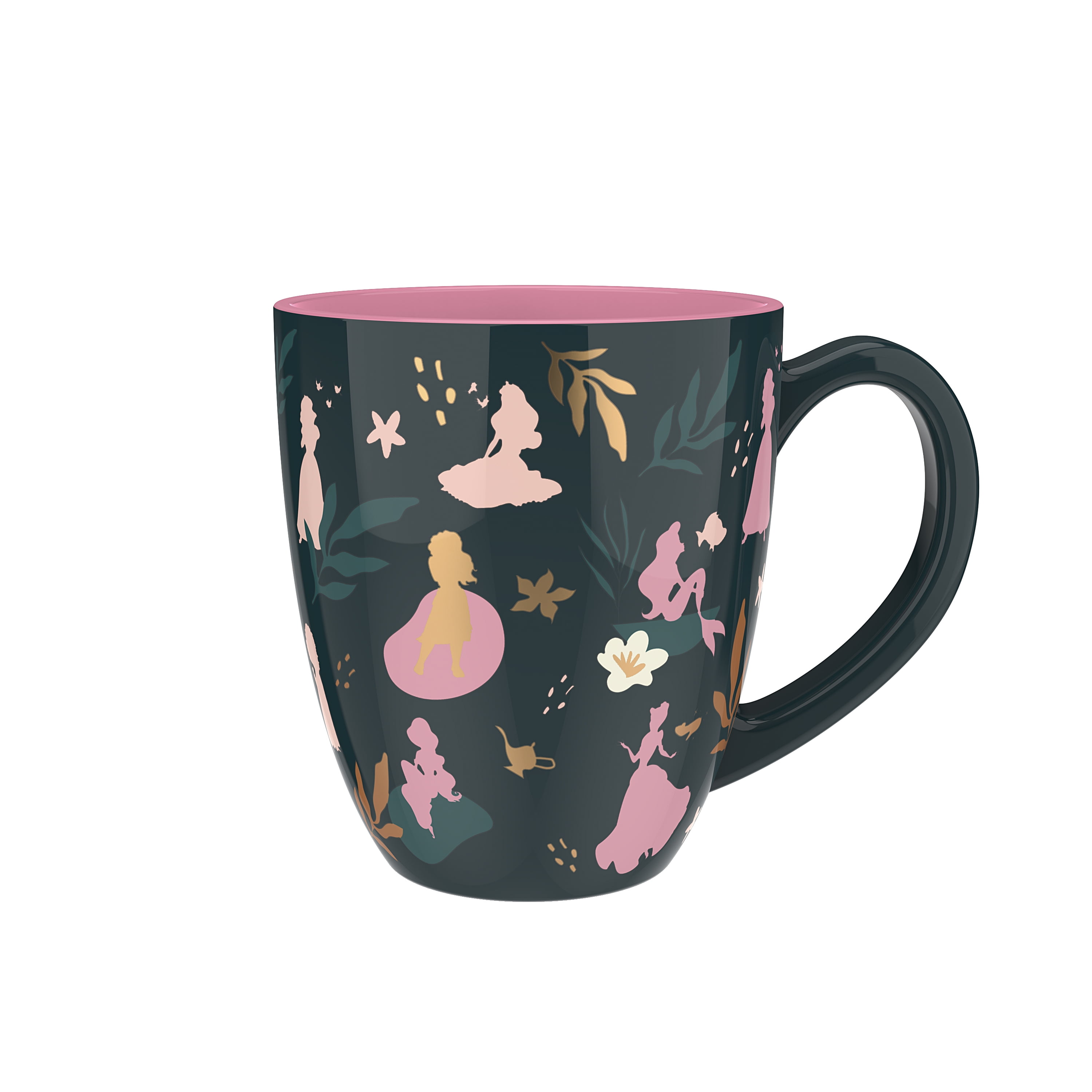
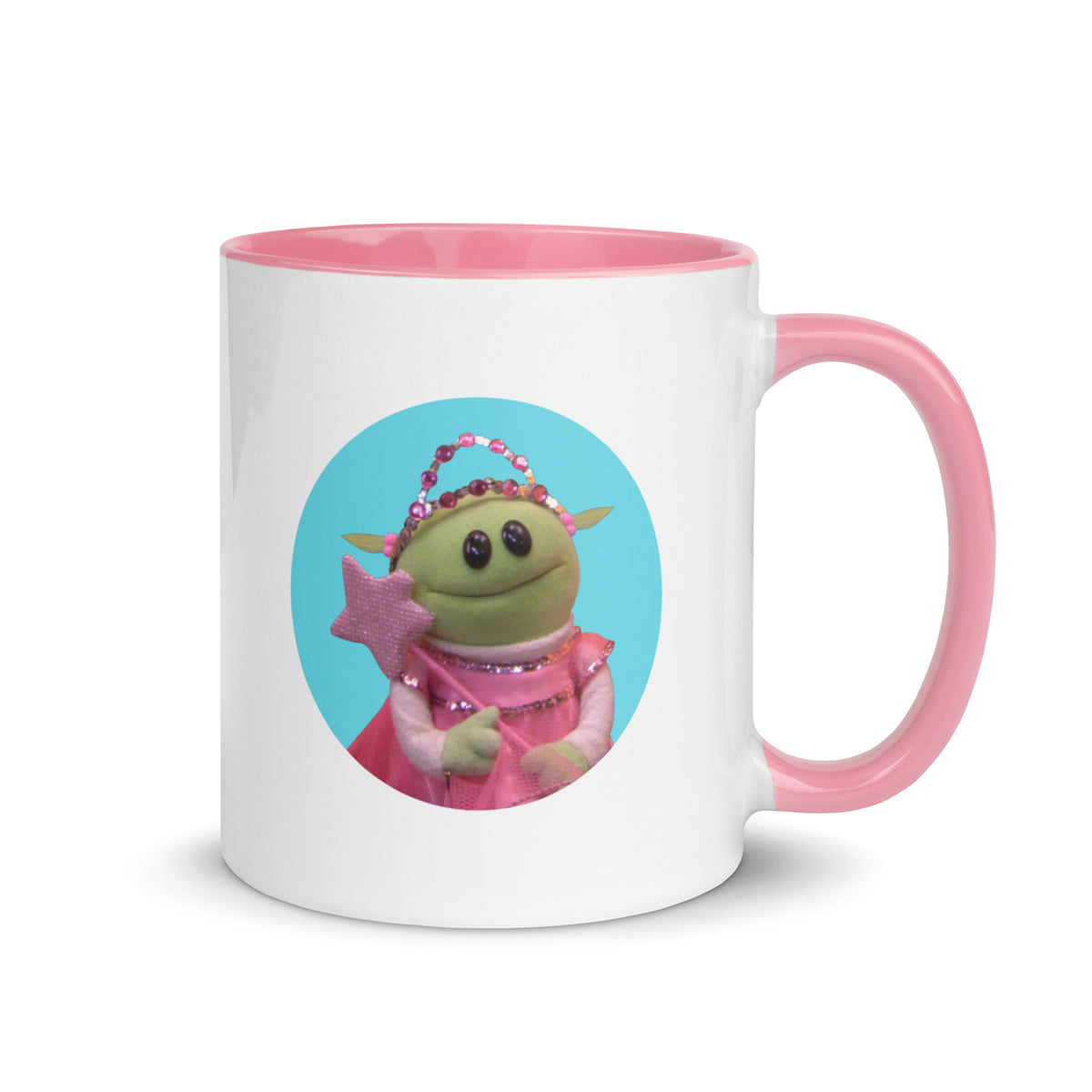
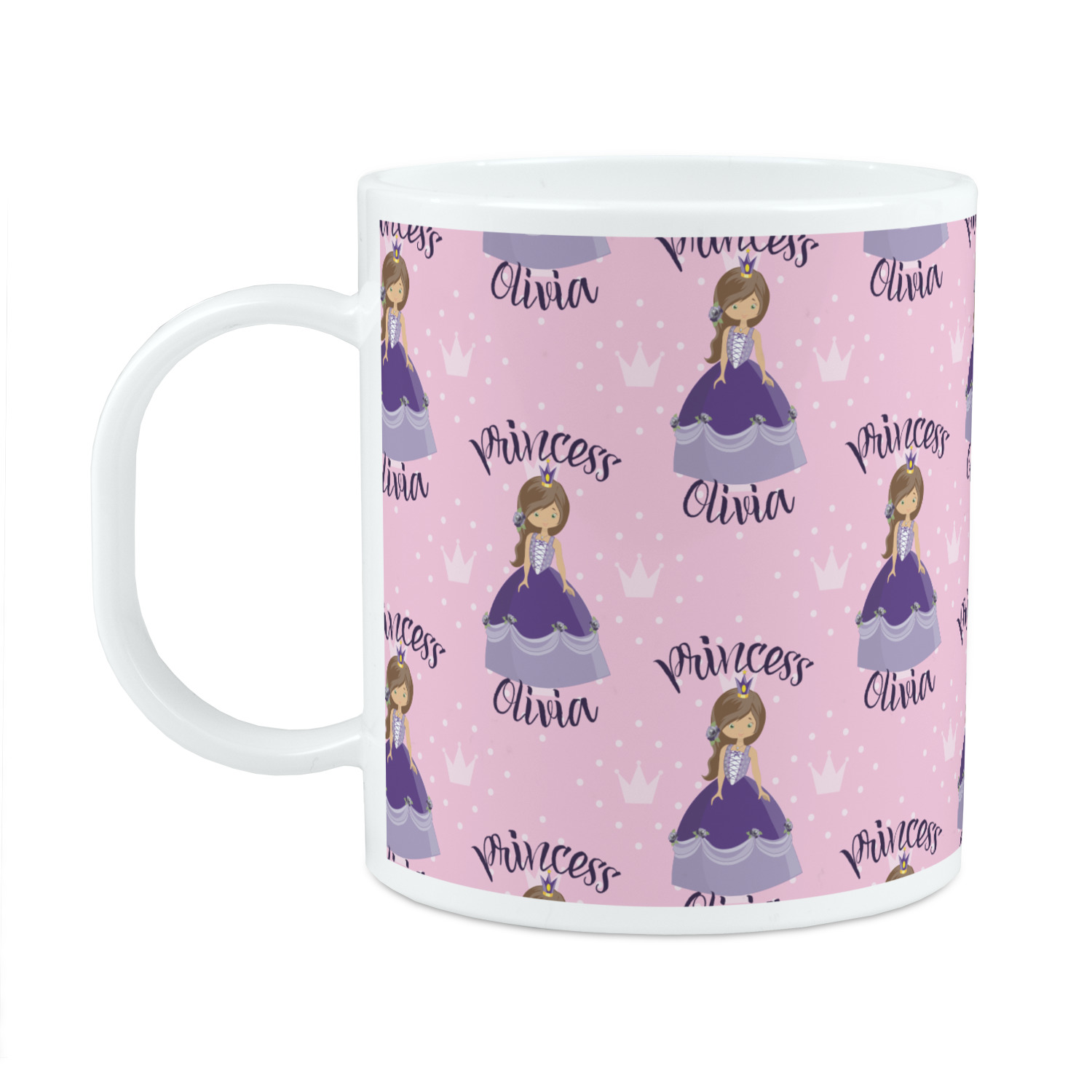
Mass-market retailers and print-on-demand sellers produce informal ceramic mugs featuring photographs, digital illustrations, or typographic designs.
- Materials: Heavy ceramic, stoneware, or standard porcelain.
- Production: Sublimation printing directly onto stock mug blanks.
- Purpose: Everyday office or home use, budget-friendly gifts, and lighthearted novelty collections.
Key Material and Quality Factors to Evaluate
The material and manufacturing method determine how a mug feels in the hand, how long its design lasts, and how it should be maintained.
| Material | Translucency & Weight | Durability | Best For |
|---|---|---|---|
| Fine Bone China | Thin, lightweight, semi-translucent | High tensile strength, chip-resistant | Collector display, fine tea service |
| Fine Porcelain | Dense, cool white, opaque to clear | Hard, resistant to scratching | Daily use, standard coffee service |
| Earthenware | Thick, heavier, completely opaque | Moderate; prone to surface crazing | Casual tea drinking, rustic aesthetic |
| Standard Ceramic | Heavy, thick walls, basic glaze | Variable; glaze may chip easily | Everyday novelty drinkware |
Fine Bone China vs. Standard Ceramic
If you want an authentic British royal keepsake, fine bone china is the gold standard. Fine bone china contains at least 30% (and often up to 50%) bone ash (calcium phosphate), which gives the clay its distinct warm ivory color, delicate translucency, and exceptional strength despite thin wall construction.
When held up to a direct light source, high-quality bone china lets light filter through softly. Standard ceramic or stoneware mugs are opaque, significantly heavier, and thicker around the rim.
Decorative Finishing Techniques
- Gilding: Official and luxury commemorative mugs often feature 22-carat gold detailing on the rim, handle, or base line. Gold leaf is applied by hand and liquid-gilded before undergoing a specialized firing process.
- Lithographic Transfer Prints: Precise historical artwork, coronets, and royal ciphers are transferred via specialized ceramic decals before a final protective glaze firing.
- Hand-Sponge Printing: Common in traditional Staffordshire earthenware, giving each piece subtle, unique variations in paint density and pattern alignment.
Verifying Authenticity, Backstamps, and Provenance
For collectors, verifying authenticity ensures that a piece holds its historical integrity and secondary market value.
- Steps to Authenticate a Princess Charlotte Mug
- Inspect Backstamp: Look for official maker marks & crests
- Check Packaging: Confirm original presentation box
- Verify Materials: Test light transmission & gold gilding quality
Reading the Backstamp
The backstamp on the underside of the mug is its official identity card. Flip the mug over and inspect the base under clear lighting:
- Maker’s Mark: Look for established pottery names (e.g., Royal Collection Trust, Halcyon Days, Emma Bridgewater, Dunoon).
- Royal Warrants: Official suppliers often print Royal Warrant seals (e.g., "By Appointment to Her Majesty Queen Elizabeth II" or "By Appointment to HRH The Prince of Wales").
- Country of Origin: Authentic fine British commemoratives usually state "Made in England" or "Made in Staffordshire, England."
- Limited Edition Details: If the mug is part of a numbered run, check that the hand-written or stamped edition number matches any accompanying documentation.
Presentation Boxes and Certificates
Official Royal Collection Trust mugs are sold in navy or maroon presentation boxes stamped with gold foil coats of arms. Inside, the mug is nestled in custom molded insert packaging, accompanied by a folded informational card detailing the design inspiration and care instructions. Retaining this original packaging preserves the mug's value for secondary resale or formal display.
Comparing Princess Charlotte Mug Options
Use this comparison table to match your collection goals, usage habits, and target budget with the appropriate mug type:
| Mug Category / Maker | Primary Material | Key Decorative Features | Identifying Backstamp Marks | Ideal Use Case & Target Buyer |
|---|---|---|---|---|
| Royal Collection Official | Fine Bone China | 22ct burnished gold, hand-applied ciphers, royal coat of arms | Official Royal Collection Trust stamp, Made in England | Serious royal collectors, formal display, commemorative gifts |
| Halcyon Days Heritage | Fine Bone China | Hand-enameling, gold trim, intricate heraldic framing | Halcyon Days mark, Royal Warrant seals, English Made | High-end porcelain collectors, luxury home display |
| Emma Bridgewater Tribute | English Earthenware | Hand-sponged lettering, crown motifs, colorful patterns | Emma Bridgewater pottery stamp, Made in Stoke-on-Trent | Casual tea drinkers, rustic kitchen decor, pottery enthusiasts |
| Dunoon Commemorative | Fine Bone China | Detailed transfer artwork, light thin-walled construction | Dunoon Made in Staffordshire backstamp | Daily coffee/tea drinkers wanting lightweight bone china |
| Novelty / Unlicensed | Standard Ceramic | Printed photo collages, digital text, wrap-around graphics | Plain base or generic manufacturer mark | Budget souvenirs, daily office use, humorous novelty gifts |
| 19th-Century Antique | Antique Porcelain / Pearlware | Hand-painted luster, historical typography, portrait prints | Unmarked or historical 19th-century pottery marks | Antique collectors specializing in Georgian or Regency royal history |
Physical Condition Inspection for Buyers
When buying pre-owned, vintage, or antique Princess Charlotte mugs from secondary marketplaces, auction sites, or estate sales, inspect the item carefully for physical wear.
Condition Checklist
- Surface Glaze: Check for crazing, staining, or scratches
- Metallic Elements: Inspect gold rim for rubbing or fading
- Structural Integrity: Run finger along rim to catch micro-chips
Glaze Crazing: Look for fine networks of microscopic cracks across the glaze surface. While common in older earthenware, crazing reduces structural integrity and can trap tea stains.
Gilding Wear: Rubbing along the rim or handle strips away 22-carat gold over time. Hold the mug at an angle under direct light to check for gold loss or uneven fading.
Micro-Chips and Fleabites: Run your index finger smoothly along the entire circumference of the top rim and bottom footing. Tiny chips (fleabites) can occur easily when mugs bump together in cabinets.
Hairline Cracks: Tap the side of the mug gently with your fingernail. High-quality bone china in sound condition produces a clear, high-pitched ring. A dull thud indicates an unseen crack in the body.
Proper Care, Maintenance, and Display
Protecting fine china requires proper cleaning and storage, especially for pieces with metallic embellishments.
Washing Rules
- Avoid the Dishwasher: High heat, pressurized water, and abrasive detergents can strip away liquid gold leaf and fade transfer decals over time. Hand-wash fine bone china with warm water and mild dish soap.
- Non-Abrasive Cleaning: Use soft microfiber cloths or non-abrasive sponges. Avoid steel wool, scouring pads, or abrasive polishing compounds.
- Stain Removal: If tea or coffee leaves residue on un-gilded interior surfaces, soak the mug in warm water mixed with a small amount of baking soda or mild oxygen bleach. Avoid harsh chlorine bleach on antique pieces.
Safe Display and Storage
- Avoid Stacking: Never stack fine bone china mugs on top of one another without protective felt dividers, as the bottom ring of one mug can scratch the gilded rim of another.
- UV Light Exposure: Keep display cabinets out of direct sun to prevent long-term discoloration of organic glaze pigments or printed decals.
- Temperature Stability: Store china in climate-controlled indoor spaces. Extreme temperature swings can trigger expansion and contraction, causing glaze crazing.
Frequently Asked Questions
What is the main difference between an official Royal Collection Trust mug and an unlicensed souvenir mug?
Official Royal Collection Trust mugs are directly commissioned by the royal household, made in Staffordshire, England, from fine bone china, and embellished with 22-carat gold. Unlicensed souvenirs are usually produced on standard ceramic blanks using digital sublimation printing, lacking official royal heraldic approvals and hand-applied metallic finishes.
Can I put a Princess Charlotte mug with gold trim in the microwave?
No. Any mug featuring 22-carat gold or platinum gilding must never be placed in a microwave. Metallic trims conduct electricity, causing spark arcing, permanent damage to the gold leaf, and potential fire hazards.
Are modern Princess Charlotte commemorative mugs expected to increase in value?
Most modern commemorative china is produced in sufficient quantities that it serves primarily as a keepsake rather than a rapid investment vehicle. However, limited-edition pieces from top makers (such as Halcyon Days or numbered Royal Collection runs) that remain in pristine condition with original packaging retain their value well on the secondary market.
How can I distinguish between a 2015 Princess Charlotte mug and an antique 1817 mug?
Modern mugs for Princess Charlotte of Wales feature 21st-century typography, sharp full-color printing techniques, clear backstamps with modern Royal Collection branding, and pristine bone china bodies. Antique mugs celebrating Princess Charlotte Augusta (1796–1817) feature historical earthenware or early porcelain bodies, hand-painted luster glazes, transfer printing typical of the Regency period, and age-appropriate surface patina.
What should I do if my earthenware Princess Charlotte mug shows fine glaze lines?
Fine lines in the glaze are known as crazing, which occurs when the ceramic body and glaze expand at different rates. If the mug is purely for display, no action is needed. If you intend to drink from it, avoid hot liquids, as tea can enter the crazing lines and cause permanent staining or harbor bacteria inside the porous earthenware beneath.
Summary and Next Steps
To choose the right Princess Charlotte mug:
- Define Your Goal: Decide whether you want an official heirloom display piece, a heritage brand collectible, or a casual everyday drinkware item.
- Select the Material: Prioritize fine bone china for lightness, translucency, and formal display, or traditional earthenware for classic rustic charm.
- Inspect Authenticity and Condition: Verify the backstamp for "Made in England" origin marks, check for intact 22-carat gilding, and inspect rims for micro-chips or glaze wear.
- Preserve Your Purchase: Hand-wash gilded china, avoid microwave use, and store pieces in a climate-controlled cabinet out of direct sunlight.
Image Gallery