Ivermectin Paste for Psoriasis: Efficacy, Safety, and Medical Reality
Ivermectin paste is not an approved or evidence-based treatment for psoriasis. While prescription topical ivermectin is FDA-approved to treat papulopustular rosacea, psoriasis is an autoimmune disease driven by entirely different infla...
Ivermectin paste is not an approved or evidence-based treatment for psoriasis. While prescription topical ivermectin is FDA-approved to treat papulopustular rosacea, psoriasis is an autoimmune disease driven by entirely different inflammatory pathways. Applying veterinary ivermectin paste to human skin poses severe risks, including toxic chemical exposure, chemical burns, and systemic neurotoxicity.
Contents
Understanding Ivermectin: Prescription Formulations vs. Veterinary Paste
To understand why ivermectin paste is unsafe and ineffective for psoriasis, it is essential to distinguish between pharmaceutical-grade human medications and over-the-counter animal formulations.
Ivermectin is an antiparasitic compound originally developed to treat nematode infections in livestock and humans. In human medicine, oral ivermectin is prescribed for parasitic conditions such as intestinal strongyloidiasis and onchocerciasis (river blindness). In dermatology, a specific 1% topical cream formulation (known by the brand name Soolantra) is approved by the U.S. Food and Drug Administration (FDA) for treating the inflammatory lesions of papulopustular rosacea.
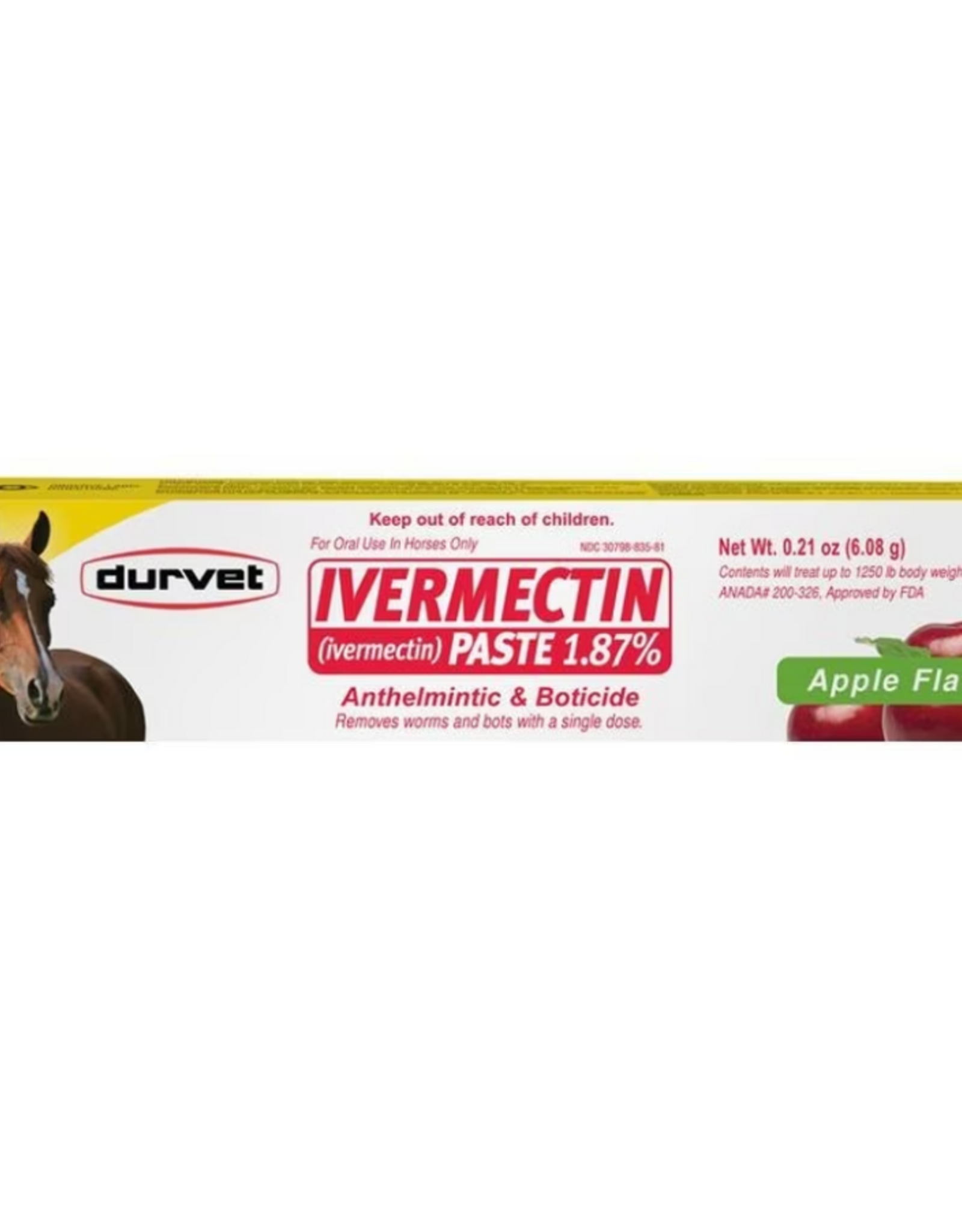
In contrast, ivermectin paste typically refers to highly concentrated veterinary products designed for oral administration in horses, cattle, or swine to clear internal parasites. These products differ drastically from pharmaceutical preparations in several critical ways:
- Concentration Levels: Human topical creams contain a precisely calibrated 1% ivermectin concentration (10 mg/g). Veterinary pastes often contain 1.87% or higher concentrations, formulated for animals weighing upwards of 1,000 pounds.
- Inactive Ingredients (Excipients): Veterinary pastes are compounded with binding agents, artificial flavorings, preservatives, and penetration enhancers intended for equine digestive tracts. These chemicals are not evaluated for safety on human skin or open skin lesions.
- Target Application Site: Equine paste is formulated strictly for oral ingestion by animals, whereas dermatological topicals are designed for epidermal absorption with controlled bioavailability.
Applying concentrated animal paste to human skin bypasses critical clinical safety testing. The skin barrier in patients with psoriasis is already compromised, which significantly increases the risk of systemic absorption of both the active drug and toxic inactive ingredients.
The Pathophysiology of Psoriasis vs. Rosacea
A common source of confusion regarding ivermectin stems from mistaking psoriasis for other chronic skin conditions, particularly rosacea or seborrheic dermatitis. Although these conditions can all cause facial redness, scaling, and skin discomfort, their underlying biological mechanisms are fundamentally distinct.
The Autoimmune Cascade of Psoriasis
Psoriasis is a chronic, immune-mediated systemic disease characterized by epidermal hyperplasia (rapid overgrowth of skin cells). In healthy skin, skin cells grow, mature, and shed over approximately 28 to 30 days. In plaque psoriasis—the most prevalent form—the immune system mistakenly signals T-cells (specifically Th17 cells) to release pro-inflammatory cytokines, including Interleukin-17 (IL-17), Interleukin-23 (IL-23), and Tumor Necrosis Factor-alpha (TNF-alpha).
This cytokine storm accelerates the cell turnover cycle to just 3 to 5 days. Because the skin cells replicate faster than they can shed, immature keratinocytes stack up on the surface of the skin, forming thick, silvery scales over raised, inflamed plaques.
Rosacea and the Role of Microorganisms
Rosacea, by contrast, is primarily a vascular and neurovascular inflammatory disorder of the facial skin. A key driver in papulopustular rosacea is an abnormally high density of microscopic Demodex mites (Demodex folliculorum and Demodex brevis) living inside human hair follicles and sebaceous glands.
Topical ivermectin treats rosacea through a dual mechanism of action:
- Antiparasitic action: It selectively binds to glutamate-gated chloride ion channels in the nerve and muscle cells of Demodex mites, causing paralysis and mite death.
- Anti-inflammatory action: It reduces the expression of specific inflammatory cytokines, such as IL-8 and cellular adhesion molecules, locally within the skin tissue.
Psoriasis is not caused by microscopic skin mites, fungal overgrowth, or bacterial infections. Because Demodex mites play no role in the pathogenesis of psoriasis, the primary antiparasitic mechanism of ivermectin provides no therapeutic benefit for psoriatic plaques.
Scientific Evidence: Does Ivermectin Work for Psoriasis?
There is currently no robust clinical evidence supporting the use of topical or oral ivermectin as a primary treatment for psoriasis.
While ivermectin exhibits minor secondary anti-inflammatory properties in laboratory settings, these downstream effects are insufficient to interrupt the dominant IL-23/IL-17 cytokine cascade that drives psoriasis. Clinical dermatological guidelines published by the American Academy of Dermatology (AAD) and the National Psoriasis Foundation do not include ivermectin in any treatment protocols for psoriasis.
In rare clinical scenarios, a patient may suffer from co-occurring dermatological conditions—such as plaque psoriasis existing alongside Demodex folliculitis or crusted scabies (a severe parasitic infestation caused by Sarcoptes scabiei). In such cases, a board-certified dermatologist may prescribe pharmaceutical-grade ivermectin to resolve the parasitic infection. Resolving a co-existing infection can reduce overall skin stress, which might indirectly soothe localized irritation, but ivermectin itself does not resolve the underlying psoriatic disease process.
Health Hazards of Applying Veterinary Ivermectin Paste to Human Skin
Attempting self-treatment for psoriasis using over-the-counter veterinary ivermectin paste presents severe medical risks.
Veterinary Ivermectin Exposure Hazards:
- High Drug Concentration
- Rapid Absorption Through Compromised Psoriatic Barrier
- Untested Excipients
- Severe Contact Dermatitis & Chemical Burns
- Systemic Toxicity
- Neurotoxic Effects (Dizziness, Ataxia, Seizures)
Severe Skin Irritation and Chemical Burns
Psoriatic plaques represent broken skin with an altered epidermal barrier. Applying equine pastes containing harsh solvents, artificial flavors, and unrefined emulsifiers can trigger severe allergic contact dermatitis. Instead of reducing scaling, the paste often induces intense burning, worsening erythema, contact eczema, and irreversible skin tearing.
The Koebner Phenomenon
A major risk specific to psoriasis patients is the Koebner phenomenon—the development of new psoriatic lesions on previously healthy skin as a direct result of skin trauma or chemical irritation. Harsh topicals like veterinary paste cause localized skin injury, which frequently triggers a severe flare-up, spreading plaque psoriasis across the newly damaged tissue.
Systemic Toxicity and Neurotoxicity
Topical medications applied to inflamed psoriatic skin enter the bloodstream much faster than when applied to intact, healthy skin. High-dose veterinary ivermectin can cross the human blood-brain barrier if absorbed systemically in large quantities. The Centers for Disease Control and Prevention (CDC) and health authorities worldwide have repeatedly warned against human use of veterinary ivermectin formulations due to documented reports of toxicity.
Symptoms of ivermectin toxicity include:
- Nausea, severe vomiting, and abdominal pain
- Dizziness, confusion, and loss of balance (ataxia)
- Low blood pressure (hypotension) and rapid heart rate (tachycardia)
- Seizures, hallucinations, coma, and, in extreme cases, respiratory failure
Comparing Psoriasis Treatments vs. Topical Ivermectin Formulations
To evaluate options safely, consider how prescription treatments compare directly to ivermectin products across clinical parameters:
| Comparison Factor | Veterinary Ivermectin Paste | Prescription Ivermectin Cream (1%) | Standard Topical Psoriasis Therapies |
|---|---|---|---|
| Primary Indication | Internal parasites in horses/livestock | Papulopustular rosacea in humans | Plaque psoriasis, scalp psoriasis |
| FDA Approval Status | Approved for animal use only | Approved for human rosacea | Approved for human psoriasis |
| Mechanism of Action | Neurotoxic to animal parasites | Anti-parasitic (Demodex) & mild anti-inflammatory | Anti-inflammatory, anti-proliferative, immune-modulating |
| Target Biological Pathway | Invertebrate glutamate chloride channels | Inflammatory cytokines & mite paralysis | IL-17/IL-23 axis, glucocorticoid receptors, vitamin D receptors |
| Skin Barrier Safety | Unsafe: High toxicity risk on damaged skin | Safe for facial skin under medical guidance | Formulated specifically for hyperkeratotic human skin |
| Risk of Flares / Irritation | Extremely High: Triggers Koebner phenomenon | Low for rosacea; ineffective for psoriasis | Low when used as prescribed |
Evidence-Based Treatments for Psoriasis
Patients seeking effective relief from psoriasis should consult a dermatologist to establish a personalized, evidence-based treatment plan. Dermatology has advanced significantly, offering target-specific options ranging from topical agents to systemic biologics.
1. Prescription Topical Therapies
- Topical Corticosteroids: The frontline treatment for mild to moderate psoriasis. They suppress localized inflammation and slow skin cell proliferation.
- Vitamin D3 Analogs (e.g., Calcipotriene): Synthetic forms of vitamin D that bind to vitamin D receptors on keratinocytes to normalize epidermal growth. They are often combined with corticosteroids (e.g., betamethasone dipropionate) for synergistic efficacy.
- Topical Calcineurin Inhibitors (e.g., Tacrolimus, Pimecrolimus): Off-label but widely accepted non-steroidal options particularly useful for delicate skin areas like the face and intertriginous folds.
- Non-Steroidal Topical Agents (e.g., Tapinarof, Roflumilast): Advanced small-molecule topicals that target specific pathways (AhR and PDE4, respectively) to clear plaques without steroid-induced side effects like skin thinning.
2. Phototherapy (Light Therapy)
Controlled exposure to broad-band or narrow-band Ultraviolet B (NB-UVB) light penetrates the skin to slow keratinocyte growth and suppress cutaneous T-cell activity. Phototherapy is administered in clinical settings or through physician-monitored home units.
3. Systemic Medications and Biologics
For moderate-to-severe plaque psoriasis, targeted systemic therapies address the disease at its immunological root:
- Biologic Injectables: Monoclonal antibodies targeting specific immune proteins—such as IL-17 inhibitors (e.g., secukinumab, ixekizumab), IL-23 inhibitors (e.g., guselkumab, risankizumab), and TNF-alpha inhibitors (e.g., adalimumab)—can achieve complete or near-complete skin clearance in a majority of patients.
- Oral Small Molecules: Medications such as apremilast (a PDE4 inhibitor) and deucravacitinib (a TYK2 inhibitor) regulate intracellular inflammatory signaling without requiring injections.
Frequently Asked Questions
Can topical ivermectin paste cure plaque psoriasis?
No. Plaque psoriasis has no cure, though it can be managed effectively with proper treatment. Ivermectin paste does not address the underlying autoimmune mechanism of psoriasis, nor is it capable of altering the IL-23/IL-17 inflammatory pathway responsible for keratinocyte overproduction.
What happens if you put horse ivermectin paste on human skin?
Applying horse ivermectin paste to human skin can cause severe contact dermatitis, burning, skin peeling, and chemical irritation. Because psoriatic skin has a disrupted barrier, the high concentration of the drug and unrefined veterinary additives can absorb directly into the bloodstream, posing severe risks of central nervous system toxicity.
Is prescription Soolantra (ivermectin 1%) safe for psoriasis?
Soolantra is FDA-approved specifically for papulopustular rosacea, not psoriasis. While pharmaceutical-grade 1% ivermectin cream is safe for human facial skin when prescribed by a doctor, it is clinically ineffective for treating psoriasis plaques because it does not target the biological pathways that cause psoriasis.
Why do some people report that ivermectin helped their skin plaques?
Skin condition misdiagnosis is common. Papulopustular rosacea, seborrheic dermatitis, and Demodex folliculitis can produce red, inflamed, or scaly lesions that mimic mild psoriasis. If a patient actually has Demodex overgrowth rather than psoriasis, ivermectin will clear the symptoms. However, true psoriasis will not respond therapeutically to antiparasitic therapy.
What is the most effective over-the-counter treatment for mild psoriasis?
Over-the-counter products containing salicylic acid (to help remove scales) or coal tar (to slow skin cell growth and reduce itching) are recognized by the FDA as effective OTC options for mild psoriasis. Gentle emollients and barrier-repair creams also help maintain skin hydration.
Recommended Next Steps
If you are currently experiencing painful, scaling, or inflamed skin plaques:
- Stop Using Non-Prescription Formulations: Immediately discontinue the use of any veterinary products, unverified home remedies, or non-indicated topicals on your skin.
- Schedule a Professional Evaluation: Visit a board-certified dermatologist for a comprehensive diagnostic examination. Skin biopsies or dermoscopy can definitively differentiate psoriasis from rosacea, eczema, or cutaneous infections.
- Explore Targeted Therapies: Discuss modern, non-steroidal topicals (such as PDE4 or AhR inhibitors) or systemic biologic treatments tailored to your disease severity and medical history.
Disclaimer: This article is for informational purposes only and does not constitute formal medical advice, diagnosis, or treatment. Always seek the advice of a qualified healthcare provider regarding a medical condition.
Image Gallery