Malcolm Stevenson Forbes Profile Overview: History, Leadership, and Media Legacy
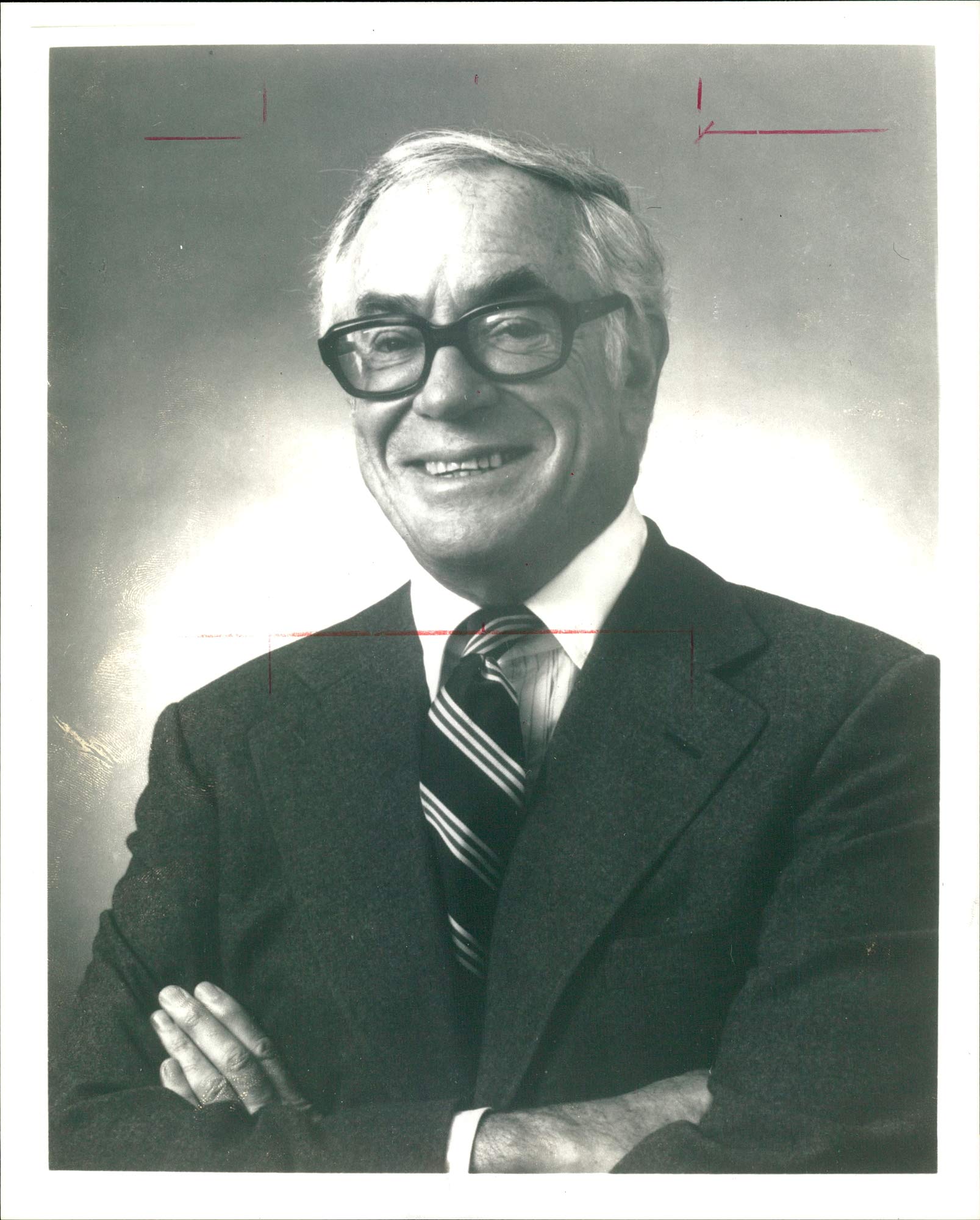
The name Malcolm Stevenson Forbes represents the core executive leadership and legacy behind Forbes Media. It refers primarily to Malcolm Stevenson Forbes Sr. (1919–1990), who transformed Forbes magazine into an influential internation...
The name Malcolm Stevenson Forbes represents the core executive leadership and legacy behind Forbes Media. It refers primarily to Malcolm Stevenson Forbes Sr. (1919–1990), who transformed Forbes magazine into an influential international business publication, and his son, Malcolm Stevenson Forbes Jr. (known publicly as Steve Forbes), the long-serving Editor-in-Chief and Chairman of Forbes Media.
Contents
Disambiguating the Malcolm Stevenson Forbes Name
When researching a profile overview for "Malcolm Stevenson Forbes," ambiguity frequently arises because two prominent business figures share the exact legal name across two generations of executive leadership at Forbes Media. Understanding the distinction between father and son is essential for historical accuracy, executive research, and media analysis.
Malcolm Stevenson Forbes Sr. (1919–1990)
Malcolm Stevenson Forbes Sr. was the son of B.C. Forbes (Bertie Charles Forbes), the Scottish-born financial journalist who founded Forbes magazine in 1917. After serving in World War II and working in politics and publishing, Malcolm Sr. assumed full control of Forbes Inc. following the death of his brother, Bruce Charles Forbes, in 1964.
During his tenure as publisher and editor-in-chief, Malcolm Sr. redefined business journalism by combining aggressive corporate reporting with high-profile personal marketing. He was famous for his lavish lifestyle, collection of Fabergé eggs, hot-air ballooning, motorcycle trips, and hospitality aboard his yacht, The Capitalist Tool. Crucially, he created the Forbes 400 wealth list in 1982, an editorial product that revolutionized wealth tracking and public interest in billionaire net worth.
Malcolm Stevenson Forbes Jr. ("Steve Forbes", Born 1947)
Malcolm Stevenson Forbes Jr., widely known by his nickname Steve Forbes, is the eldest son of Malcolm Forbes Sr. He joined the family business in 1970 as a researcher and writer after graduating from Princeton University. Following his father's death in 1990, Steve Forbes became Chief Executive Officer of Forbes Inc. and Editor-in-Chief of Forbes magazine.
Steve Forbes expanded the brand beyond traditional print media into digital platforms, international editions, live conference franchises, and financial advisory services. Outside publishing, he gained widespread international recognition as a two-time candidate for the Republican nomination for President of the United States in 1996 and 2000, running on a signature platform advocating a flat individual income tax and free-market monetary policy.
Executive Profile and Leadership Comparison
To clearly separate the historical contributions, corporate milestones, and public roles of both business leaders, the following comparative table outlines their respective profiles within Forbes Media.
| Executive Metric | Malcolm Stevenson Forbes Sr. (1919–1990) | Malcolm Stevenson Forbes Jr. / Steve Forbes (Born 1947) |
|---|---|---|
| Primary Executive Roles | Publisher, Editor-in-Chief, Majority Owner | Chairman, Editor-in-Chief, Former CEO |
| Tenure as Head of Forbes | 1964–1990 | 1990–Present (as Editor-in-Chief) |
| Key Media Innovations | Forbes 400 List (1982), "Capitalist Tool" Branding | Digital Transformation (Forbes.com), Global Licensing, Brand Extensions |
| Editorial Style & Focus | Entrepreneurial capitalism, executive profiles, lifestyle commentary | Free-market policy, supply-side economics, "Fact and Comment" columns |
| Public & Political Activity | NJ State Senator (1951–1957), Republican Nominee for NJ Governor (1957) | US Presidential Candidate (1996, 2000), Chairman of Radio Free Europe/Radio Liberty (1985–1993) |
| Corporate Transition | Expanded private family control and brand prestige | Shifted from private family ownership to majority investor backed growth (IWM deal in 2014) |
The Leadership of Malcolm Stevenson Forbes Sr.: Building the Brand Empire
Malcolm Stevenson Forbes Sr. took control of Forbes magazine during a pivotal era for American financial media. Prior to his leadership, business magazines focused primarily on standard financial statistics, accounting statements, and stock market tables. Malcolm Sr. recognized that readers were equally interested in the personal stories, management philosophies, strategic blunders, and competitive dynamics of corporate executives.
- B.C. Forbes (1917)
- [Founding of Forbes Magazine]
- Bruce Forbes (1954–1964)
- [Corporate Stabilization]
- Malcolm Stevenson Forbes Sr. (1964–1990)
- [Creation of Forbes 400 & Brand Expansion]
- Steve Forbes / Malcolm Jr. (1990–Present)
- [Digital Transition & Global Publishing]
Inventing Wealth and List Journalism
In 1982, Malcolm Forbes Sr. launched the initial Forbes 400 list, which tracked the 400 wealthiest Americans. At the time, publicizing personal net worth estimates was controversial, as private business owners and corporate titans preferred anonymity. However, the list quickly became an industry benchmark, generating massive news coverage, advertising revenue, and subscriber growth.
The success of the Forbes 400 established a new standard for business media, laying the groundwork for subsequent editorial products such as the World's Billionaires list, 30 Under 30, and global enterprise rankings.
Unique Marketing and Corporate Branding
Malcolm Sr. understood the power of experiential marketing long before it became a standard corporate practice. He coined the slogan "Forbes: Capitalist Tool" and used his private Boeing 727 aircraft, luxury motorcoaches, global ballooning expeditions, and multi-million-dollar events to host chief executive officers, world leaders, and advertisers. These activities elevated Forbes from a standard business trade publication into a high-prestige international brand synonymous with wealth, influence, and free enterprise.
Steve Forbes: Digital Modernization and Editorial Direction
When Steve Forbes (Malcolm Stevenson Forbes Jr.) assumed executive leadership in 1990, the media industry was entering an era of technological disruption. Print advertising revenues began shifting toward digital delivery, requiring a fundamental transformation of the publishing model.
Transition to Digital Media and Forbes.com
Under Steve Forbes' leadership, Forbes Media was an early adopter of digital publishing. Launching Forbes.com in the mid-1990s, the company established a web-first editorial structure. Rather than treating the website as a passive digital archive of the print magazine, Forbes expanded into high-frequency digital reporting, daily financial analytics, and a broad network of expert contributors.
This model dramatically expanded global readership, turning Forbes.com into one of the most visited business news sites worldwide. To support this digital reach, Forbes Media pioneered open contributor platforms, enterprise syndication deals, and targeted brand-licensing agreements across Asia, Europe, the Middle East, and Latin America.
Editorial Philosophy and Political Campaigning
Steve Forbes maintained a consistent, explicit editorial vision centered on supply-side economics, individual enterprise, monetary stability, and free trade. His long-running column, "Fact and Comment," served as an influential platform for economic policy commentary.
His economic views gained national prominence during his 1996 and 2000 Republican presidential primary campaigns. Steve Forbes self-funded these campaigns, spending tens of millions of dollars to promote economic proposals, most notably:
- The Flat Tax: A unified 17 percent flat income tax rate designed to replace the progressive tax code and simplify filing for individuals and corporations.
- Medical Savings Accounts (HSAs): Consumer-driven healthcare accounts allowing pre-tax funding for medical expenses.
- Social Security Reform: Personal investment options within retirement savings structures.
Although he did not secure the presidential nomination, his policy initiatives heavily influenced subsequent legislative debates on tax reform, health savings accounts, and regulatory simplification in the United States.
Forbes Media Corporate Governance and Ownership Structure
Understanding the profile of Malcolm Stevenson Forbes requires examining how the ownership of Forbes Media evolved over time.
- Family Ownership (1917–2006): Forbes operated as a privately held family business owned entirely by the Forbes family, with Steve Forbes and his brothers managing corporate decision-making.
- Private Equity Investment (2006): Minority equity was sold to Elevation Partners, a private equity firm, to fund digital transformation and growth initiatives.
- Majority Share Transfer (2014): The Forbes family and Elevation Partners sold a majority stake (reported at an enterprise valuation exceeding $475 million) to Integrated Whale Media Investments (IWM), a Hong Kong-based investor consortium.
- Current Status: Following the acquisition, Steve Forbes retained his positions as Chairman and Editor-in-Chief, preserving the editorial continuity and brand identity established by his family over more than a century.
Analyzing Forbes Profiles and List Methodologies
Researchers, executives, and communications professionals searching for a "Forbes profile overview" frequently analyze how Forbes evaluates individuals and organizations for inclusion in its media products. The methodologies introduced under the leadership of Malcolm Stevenson Forbes Sr. and refined under Steve Forbes follow strict reporting criteria.
Wealth Ranking Methodologies
Forbes wealth lists, including the Forbes 400 and the World's Billionaires, rely on dedicated financial journalists who track private holdings, publicly traded stocks, corporate real estate, luxury assets, and debt obligations.
- Public Assets: Valued using prevailing market prices, exchange rates, and public regulatory filings (such as SEC Form 10-K statements).
- Private Companies: Evaluated by comparing financial revenues, profit margins, and EBITDA multiples against comparable publicly traded competitors.
- Verification Process: Forbes reporters conduct direct interviews with subjects, business partners, attorneys, and industry analysts, applying independent audit standards before finalizing valuation metrics.
Executive and Corporate Profiles
For business executives, founders, and enterprises seeking feature coverage or profiles within Forbes, the editorial team evaluates several core metrics:
- Market Disruption: Demonstrable innovation in products, services, or business operational models.
- Financial Performance: Scalable revenue models, verifiable funding rounds, or substantial market valuation.
- Leadership Impact: Novel management approaches, corporate governance practices, or socio-economic influence within a specific industry sector.
Frequently Asked Questions
Is Malcolm Stevenson Forbes the same person as Steve Forbes?
Yes and no. Steve Forbes' legal birth name is Malcolm Stevenson Forbes Jr. He is the son of Malcolm Stevenson Forbes Sr., who led Forbes magazine from 1964 until his death in 1990. When business references mention "Malcolm Stevenson Forbes," they may refer to either the historical publisher (Sr.) or the current Editor-in-Chief (Jr./Steve Forbes).
What major media innovation is Malcolm Stevenson Forbes Sr. best known for?
Malcolm Stevenson Forbes Sr. is best known for creating the Forbes 400 in 1982, an annual list ranking the wealthiest individuals in the United States. He also established Forbes as an international brand by incorporating high-profile lifestyle marketing and corporate hospitality into business publishing.
Who currently owns Forbes Media?
Forbes Media is majority-owned by Integrated Whale Media Investments (IWM), an investment group based in Hong Kong that acquired its controlling interest in 2014. The Forbes family maintains a minority stake, and Steve Forbes continues to serve as Chairman and Editor-in-Chief.
What were the key elements of Steve Forbes' political platform?
During his 1996 and 2000 presidential campaigns, Steve Forbes advocated for a 17 percent flat income tax, the elimination of taxes on capital gains and inheritance, the establishment of Health Savings Accounts (HSAs), and free-market regulatory policy.
How does Forbes verify individual wealth for its billionaire lists?
Forbes employs a team of specialized investigative reporters who examine public regulatory filings, stock holdings, financial transactions, private business revenue estimates, real estate records, and debt structures. Wealth estimates are updated using real-time market pricing and industry-standard valuation models.
Strategic Recommendations for Researchers and Executives
When analyzing historical archives, business profiles, or media opportunities associated with Forbes, consider the following actionable steps:
- Specify the Generation in Citations: When conducting academic, historical, or legal research, explicitly distinguish between Malcolm Stevenson Forbes Sr. (1919–1990) and Malcolm Stevenson Forbes Jr. (Steve Forbes) to avoid historical errors in corporate governance analysis.
- Review Data Methodologies for Profiles: If evaluating a company or leader profiled by Forbes, cross-reference the published findings with primary filings (such as regulatory disclosures or independent financial audits), as Forbes methodologies rely on estimates for private equity valuations.
- Engage Official Media Channels Direct: Executives seeking editorial consideration or profile placement should target official editorial desks, submit verifiable financial and operational metrics, and avoid third-party services claiming guaranteed editorial inclusions.
Image Gallery