How to Fill Out a Check: A Complete Guide to Every Required Field
To fill out a check correctly, you must provide six essential pieces of information: the current date, the recipient's name on the "Pay to the order of" line, the payment amount in numeric form, the payment amount written out in words,...
To fill out a check correctly, you must provide six essential pieces of information: the current date, the recipient's name on the "Pay to the order of" line, the payment amount in numeric form, the payment amount written out in words, a signature on the bottom-right line, and an optional note in the memo field.
Contents
Despite the proliferation of digital payment platforms and instant wire transfers in 2026, the paper check remains a fundamental instrument in the global financial system. Whether you are paying rent to a landlord who prefers physical records, settling a large transaction where credit card fees are prohibitive, or sending a gift through the mail, knowing exactly what to put on a check is a vital financial literacy skill. An incorrectly completed check can lead to processing delays, returned item fees, or even provide opportunities for fraudsters to alter your payment.
This guide provides a comprehensive breakdown of every field on a check, the legal implications of how you fill them out, and the security protocols necessary to protect your funds.
The Six Essential Components of a Personal Check
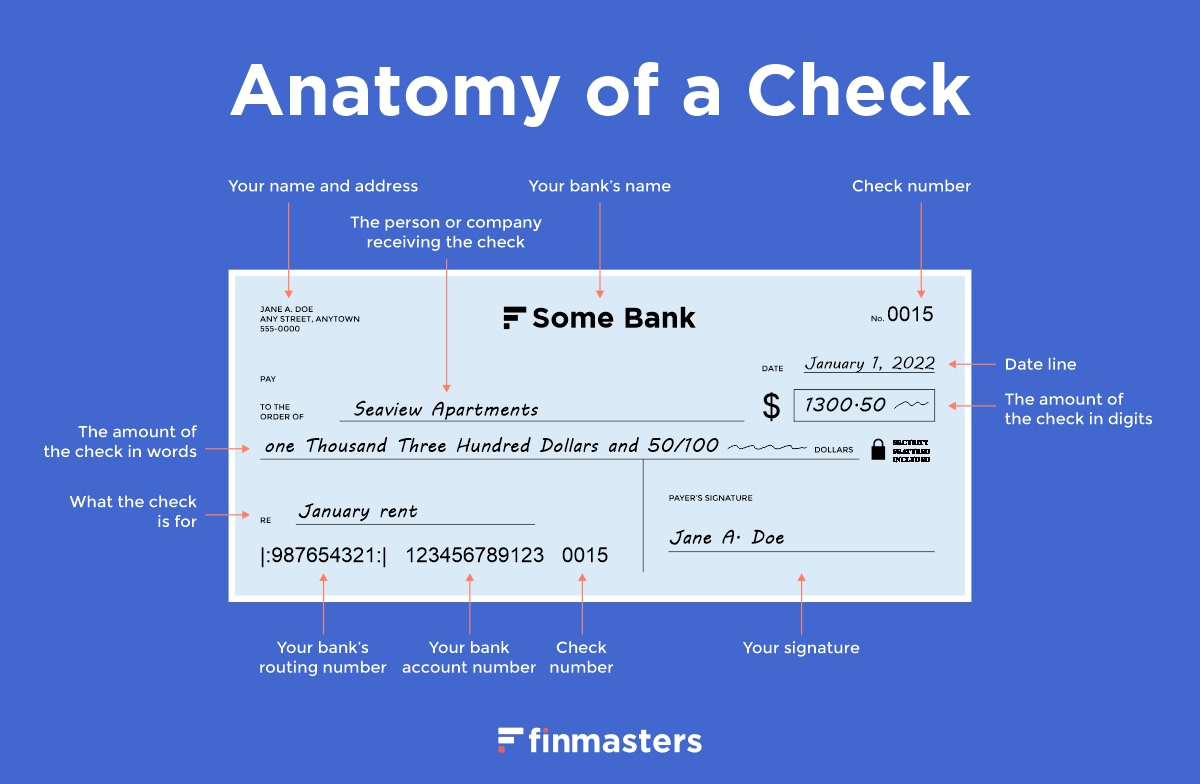
Every standard personal or business check contains specific fields mandated by banking regulations and the Uniform Commercial Code (UCC). While the aesthetic design of checks varies between financial institutions, the placement of these fields is largely standardized to facilitate automated scanning and processing.
1. The Date Line
Located in the upper right-hand corner, the date line indicates when the check was written. In most jurisdictions in 2026, banks are not legally required to "honor" the date exactly as written—meaning a bank may choose to process a post-dated check early—but the date serves as a critical reference point for the check’s validity.
Standard practice is to use the current date (e.g., "January 15, 2026"). If you post-date a check, you are essentially asking the recipient and the bank to wait until that date to deposit it. However, relying on post-dating is risky; per the Consumer Financial Protection Bureau (CFPB), banks often process checks regardless of the date unless you have a specific agreement or have notified the bank of a post-dating restriction.
2. The Recipient Line ("Pay to the Order of")
This is where you identify the person or organization authorized to receive the funds. It is imperative to use the official name of the entity. If you are paying a utility company, use the name found on your bill. If you are paying an individual, use their legal name rather than a nickname.
If you write "Cash" on this line, the check becomes a "bearer instrument." This means anyone who holds the physical piece of paper can legally cash or deposit it. Writing a check to cash is generally discouraged for security reasons, as a lost check made out to cash is essentially lost currency.
3. The Numeric Amount Box
Located to the right of the recipient line, this box is preceded by a currency symbol (usually "$"). You should write the amount of the check using clear, legible numbers. For example, a check for one hundred twenty-five dollars and fifty cents should be written as "125.50."
To prevent fraud, ensure the numbers are placed as far to the left of the box as possible. This prevents unauthorized individuals from adding an extra digit at the beginning (e.g., turning "125.50" into "9125.50").
4. The Written Amount Line
Often referred to as the "Legal Line," this is the most important field for determining the value of the check. If there is a discrepancy between the numeric box and the written line, the Uniform Commercial Code (UCC) Section 3-114 dictates that the words prevail over the numbers.
When writing the amount:
- Use words for the whole dollar amount (e.g., "One Hundred Twenty-Five").
- Use a fraction for the cents (e.g., "50/100").
- Draw a straight line through any remaining blank space to the end of the line. This "security line" prevents anyone from adding additional words to increase the check's value.
5. The Memo Line
The memo line, located in the bottom-left corner, is technically optional but highly recommended for record-keeping. It allows you to document the purpose of the payment, such as "Rent - February 2026" or "Account #987654321." For many businesses and government agencies, putting your account number or invoice number in the memo line is a requirement to ensure the payment is credited to the correct file.
6. The Signature Line
The signature line in the bottom-right corner is your legal authorization for the bank to release the funds. Without a signature, the check is not a valid legal instrument and will be rejected by the bank. Your signature should match the signature on file with your financial institution to ensure it passes through automated fraud detection systems.
Understanding the Pre-Printed Information
While you are responsible for filling out the fields mentioned above, the check comes pre-printed with technical data that is essential for the banking network's routing system.
The MICR Line
At the bottom of every check is a string of numbers printed in a specialized font using Magnetic Ink Character Recognition (MICR) technology. This line contains three distinct sets of numbers:
- The Routing Number: A nine-digit code that identifies your specific bank within the Federal Reserve system.
- The Account Number: The unique identifier for your checking account.
- The Check Number: A sequential number used for tracking and reconciling your payments.
The Fractional Number
Usually found in the top-right corner near the date or check number, the American Bankers Association (ABA) fractional number is a different way of expressing your bank's routing information. It serves as a backup for the MICR line if the bottom of the check is damaged or unreadable.
Technical Comparison of Check Types
Depending on the transaction's requirements, a standard personal check might not be sufficient. High-value transactions, such as real estate closings or vehicle purchases, often require "guaranteed funds."
| Check Type | Source of Funds | Guarantee Level | Primary Use Case |
|---|---|---|---|
| Personal Check | Your individual account | Not guaranteed; can "bounce" | Low-to-mid value everyday payments |
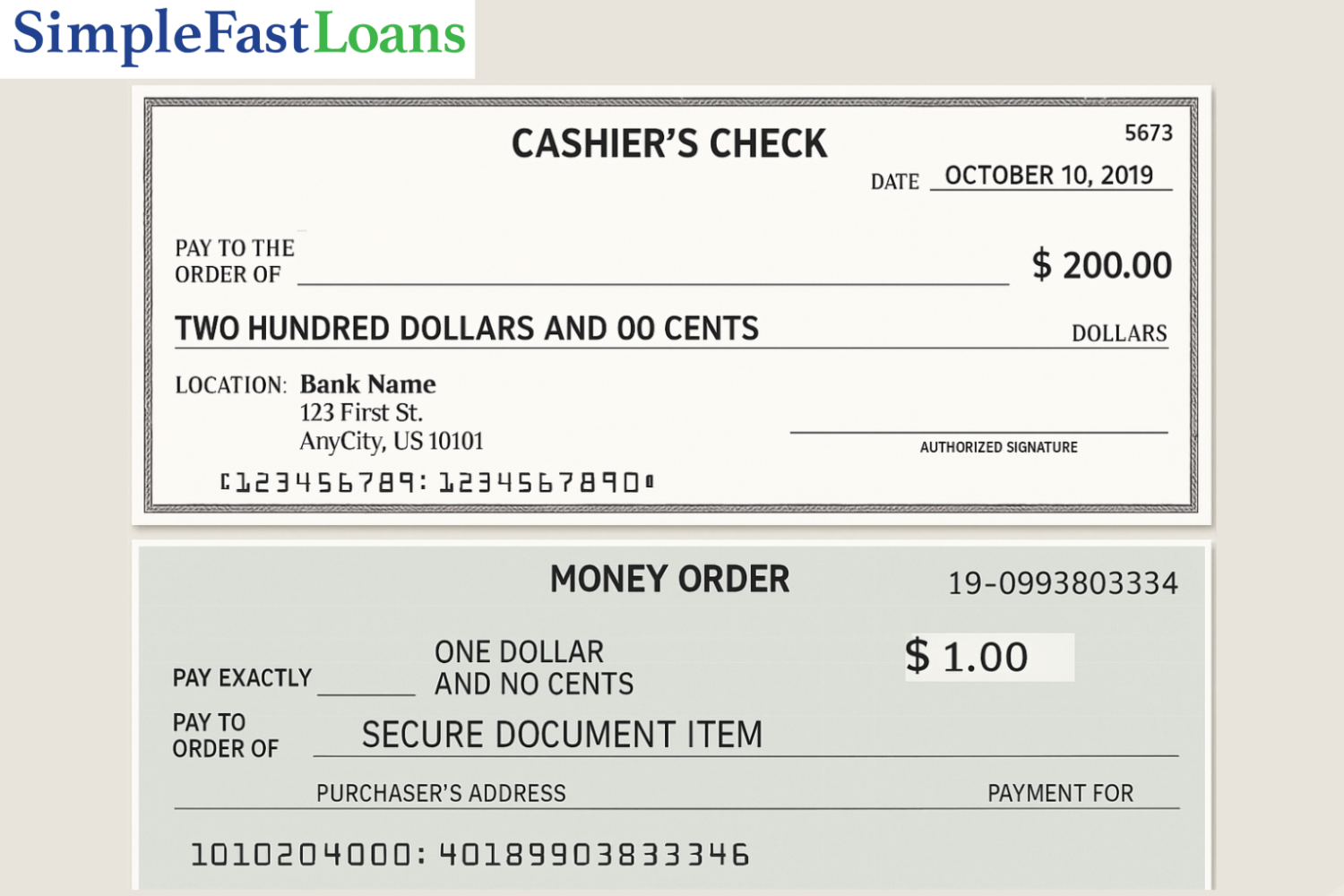
| Cashier's Check | Bank's own funds | Guaranteed by the bank | Real estate, large purchases, car titles |
| Certified Check | Your account (frozen by bank) | Verified by bank at issuance | Commercial contracts, legal settlements |
| Money Order | Pre-paid cash | Guaranteed by issuer | Rent or bills for those without bank accounts |
| Traveler's Check | Pre-paid (declining use) | High security, replaceable | International travel (mostly replaced by cards) |
Step-by-Step Security Best Practices
Filling out a check correctly is about more than just accuracy; it is about preventing financial loss. In 2026, check washing—a process where criminals use chemicals to erase your ink and rewrite the payee and amount—remains a persistent threat. Following these security steps minimizes that risk.
Use the Right Pen
Never use a pencil or a standard ballpoint pen that uses "erasable" ink. Security experts recommend using a gel pen with pigmented ink (such as the Uniball 207). Pigmented gel ink seeps into the fibers of the paper, making it nearly impossible to chemically "wash" without destroying the check itself.
Eliminate White Space
Fraudsters look for gaps. When writing the recipient's name or the written amount, start at the very beginning of the line. If there is space left over at the end, draw a thick, straight line through it. This prevents someone from turning "Lisa Smith" into "Lisa Smith and John Doe" or "Fifty Dollars" into "Fifty Thousand Dollars."
Reconcile Regularly
Even if you fill out a check perfectly, you must monitor your bank statement. Most banks provide a 30-to-60-day window to report unauthorized or altered checks. In 2026, most mobile banking apps allow you to view an image of the cleared check; verify that the signature and the amount match your original entry.
Voiding a Check Correctly
If you make a mistake while writing a check, do not attempt to "scribble out" the error. Banks may reject a check with visible alterations as a security precaution. Instead, write "VOID" in large, bold letters across the front of the check and tear it up, or save it for your records if you need to provide a voided check for direct deposit setup.
Endorsing a Check: What to Put on the Back
While filling out the front of the check authorizes the payment, the recipient must "endorse" the back of the check to claim the funds. There are three primary types of endorsements:
- Blank Endorsement: The recipient simply signs their name. This is the least secure method, as anyone can cash the check once it is signed.
- Restrictive Endorsement: The recipient writes "For Deposit Only" followed by their account number and signature. This ensures the check can only be deposited into that specific account.
- Endorsement for Mobile Deposit: In 2026, most banks require specific wording for remote deposits via smartphone. This usually involves writing "For Remote Deposit at [Bank Name] Only" under the signature.
Frequently Asked Questions
What happens if the numeric amount and written amount don't match?
Under the Uniform Commercial Code, the written words are considered the legal amount. If you write "$100.00" in the box but write "One Thousand Dollars" on the line, the bank is technically supposed to process the check for $1,000. However, in practice, many banks will flag this as a discrepancy and return the check to avoid errors.
Can I write a check with a future date?
Yes, this is called "post-dating." While you can do it, it does not guarantee the bank will wait to process it. If the recipient deposits it early, many automated systems will clear the funds immediately. If you need to ensure a payment doesn't clear until a specific day, it is better to wait to send the check or use a scheduled electronic bill pay.
Is the memo line legally binding?
Generally, no. The memo line is for informational purposes and does not change the legal obligation of the check unless it is part of a "full and final settlement" agreement (which varies by state law). However, for tax purposes and business accounting, it is an invaluable tool for tracking expenses.
Can I use a check if the address on it is old?
Yes. The address printed on the check is primarily for the recipient's convenience. As long as the routing and account numbers at the bottom are still active, the check remains valid. You can simply cross out the old address and write the new one, though most people choose to just use the check as-is.
What should I do if I lose a check I already filled out?
Contact your bank immediately to issue a "Stop Payment" order. You will need to provide the check number, the exact amount, and the payee's name. Be aware that most banks charge a fee (typically $25 to $35) for stop-payment services.
Summary of Next Actions
When you are ready to write a check, ensure you have a permanent gel pen and a clear understanding of the exact amount and recipient name. After completing the six fields—Date, Payee, Numeric Amount, Written Amount, Memo, and Signature—double-check that the written line and numeric box match perfectly. Finally, record the transaction in your check register or digital tracking app immediately to maintain an accurate balance and avoid overdraft fees. For high-stakes payments, consider using a restrictive endorsement or a cashier’s check for added security.
Image Gallery