Analyzing the Lana Del Rey Mask COVID Controversy: Context and Public Reaction
The controversy surrounding Lana Del Rey and her mask usage during the COVID-19 pandemic centered on a public book signing event in October 2020. Fans and critics scrutinized a video showing the singer interacting with attendees while...
The controversy surrounding Lana Del Rey and her mask usage during the COVID-19 pandemic centered on a public book signing event in October 2020. Fans and critics scrutinized a video showing the singer interacting with attendees while wearing a mesh-style mask, leading to a broader public debate about health protocols, celebrity responsibility, and the efficacy of face coverings during the height of the global health crisis.
Contents
Context of the October 2020 Event
In early October 2020, Lana Del Rey held a book signing event at a Barnes & Noble location in Los Angeles to promote her poetry collection, Violet Bent Backwards Over the Grass. At the time, the United States was navigating a fluctuating landscape of public health mandates, with individual states and municipalities implementing varying levels of restrictions regarding social distancing and personal protective equipment (PPE).
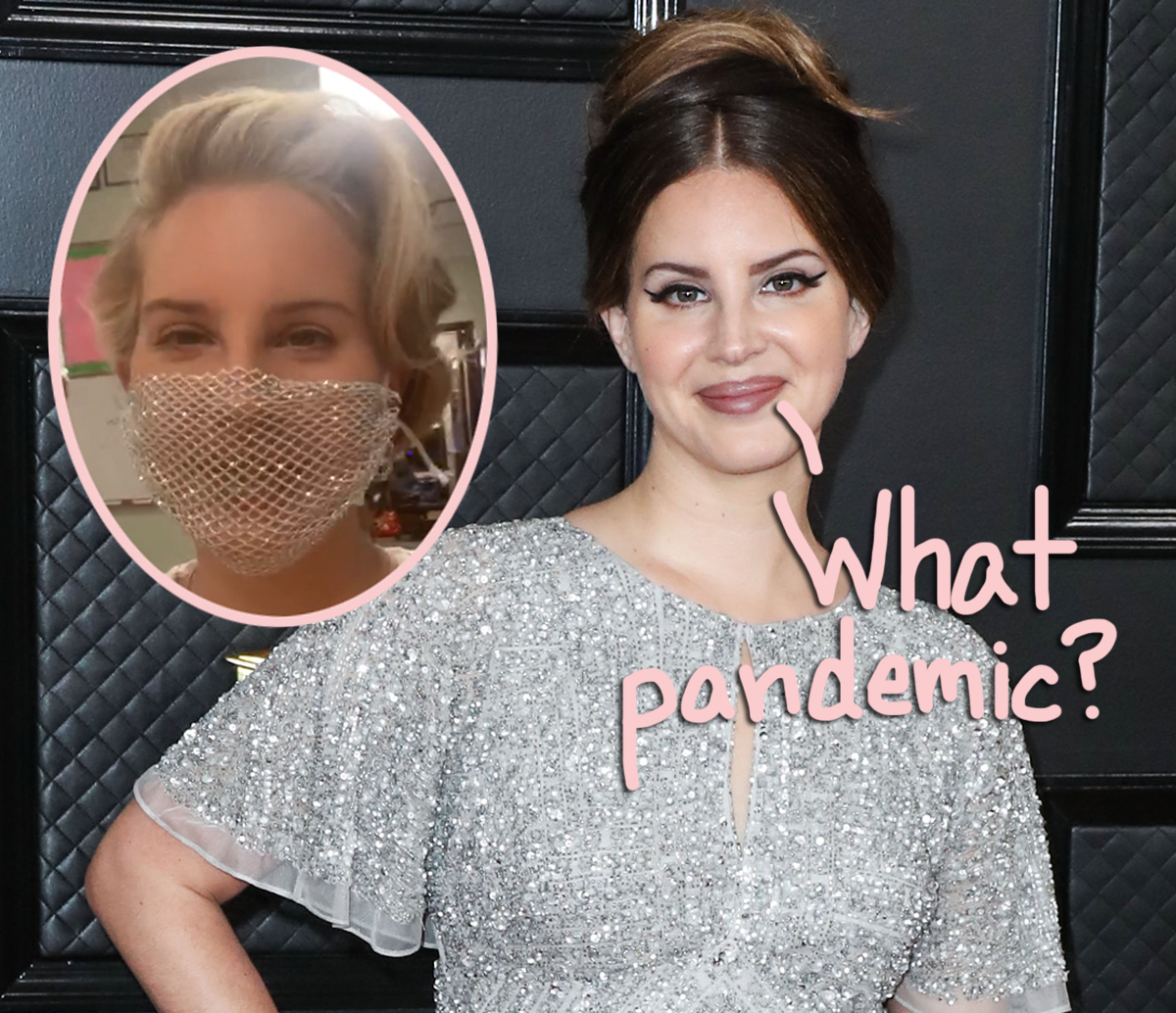
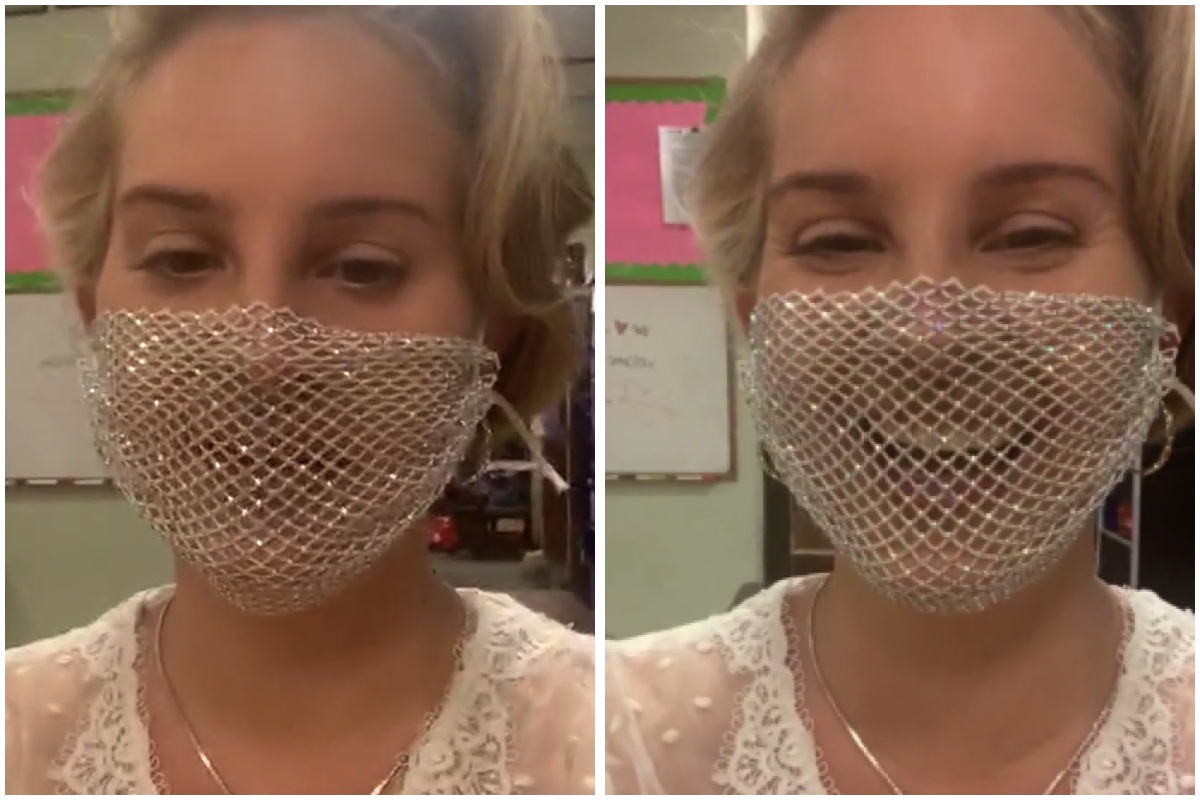
During the event, Del Rey was captured in videos and photographs wearing a mask that appeared to be made of a mesh-like, decorative material. The mask was see-through and did not feature the solid, multi-layered fabric filtration recommended by organizations such as the Centers for Disease Control and Prevention (CDC) or the World Health Organization (WHO) at that time. Given the indoor nature of the event and the physical proximity required for autograph signings, the choice of face covering triggered an immediate, highly publicized backlash on social media platforms.
Public Health Standards vs. Aesthetic Choices
To understand the intensity of the controversy, it is necessary to identify what constituted acceptable face-covering standards during late 2020. Public health guidance emphasized that masks should fit snugly against the sides of the face, be secured with ties or ear loops, include multiple layers of fabric, and allow for breathing without restriction.
The primary function of these masks was to capture respiratory droplets expelled by the wearer, thereby reducing the transmission of the virus. Mesh or lace masks, which were occasionally sold as "fashion" alternatives, did not meet these requirements because they provided minimal, if any, physical barrier against aerosolized particles.
The public reaction was largely driven by the perception that a high-profile figure was normalizing ineffective protective equipment. Critics argued that by wearing a decorative mesh mask in a crowded indoor setting, the artist was disregarding public health guidance and potentially endangering the fans present at the event.
The Role of Social Media in the Backlash
The controversy highlighted how public health behavior in the digital age is monitored and critiqued in real-time. Within hours of images circulating on platforms like X (formerly Twitter) and Instagram, the incident became a trending topic. This digital scrutiny reflected a period of intense public anxiety regarding the spread of COVID-19.
The backlash was characterized by:
- Public Outrage: Many followers expressed disappointment, citing the influence celebrities hold over public health compliance.
- Misinformation Concerns: Observers worried that fashion-forward but ineffective masks would be legitimized by celebrity usage, leading others to prioritize aesthetics over safety.
- Contextual Debates: Supporters of the singer argued that she was behind plexiglass or had maintained distancing, though critics countered that the mere visual representation of a mesh mask was inherently dangerous in a public health context.
Celebrity Responsibility and Health Modeling
The incident sparked a wider dialogue regarding the expectations placed upon celebrities during national health emergencies. In 2020, the concept of "modeling" behavior became a frequent point of discussion. Because public health officials struggled with widespread compliance, the actions of influential figures were often scrutinized as potential indicators of whether safety protocols were being taken seriously or viewed as optional.
While artists often utilize fashion as a means of expression, the collision between personal style and safety protocols created a unique friction point. The controversy became a case study in how public figures, even when attempting to connect with fans, must navigate the tension between their public persona and the rigorous health expectations of a collective, safety-conscious society.
Comparative Standards of Face Coverings
It is helpful to differentiate between the various types of face coverings discussed during the pandemic to understand why the mesh mask choice was considered controversial.
| Mask Type | Filtration Efficacy | Contextual Usage |
|---|---|---|
| N95/KN95 | High | Recommended for high-risk, indoor, or crowded settings. |
| Surgical Mask | Moderate | Standard for public health compliance in most regions. |
| Multi-Layer Cloth | Moderate | Recommended for general public and community use. |
| Mesh/Lace/Single-Layer | Negligible | Not considered appropriate for disease prevention. |
FAQ: Addressing Common Questions
Was Lana Del Rey breaking a specific law at the time of the event? Local ordinances in Los Angeles in October 2020 generally required individuals to wear face coverings that covered the nose and mouth in public spaces. The debate was less about a technical legal violation and more about whether a mesh mask qualified as an "effective" face covering under the spirit of the law and public safety guidelines.
How did the artist respond to the controversy? Following the event, representatives for the singer were pressed to clarify the situation. Family members and associates later clarified that she had tested negative for COVID-19 prior to the event and maintained that she was socially distanced from fans. However, the singer herself did not issue a formal apology regarding the mask’s specific design.
Did this event change celebrity protocols for public appearances? The incident served as a cautionary tale for many in the entertainment industry. Following the 2020-2021 period, publicists and event organizers adopted stricter requirements for "optics" regarding health safety, often ensuring that performers utilized standard, medically recognized masks during fan-facing events to avoid similar public relations complications.
Why was the mesh mask specifically controversial? The mesh design was seen as a direct violation of the physical requirement for a "barrier." Since the primary goal of masking during the pandemic was to block the passage of respiratory droplets, a porous material that allowed airflow directly through gaps in the fabric was deemed fundamentally ineffective, which provoked public frustration.
What was the medical consensus on mesh masks in 2020? The medical consensus was universal: masks with valves, vents, or holes—including lace or mesh fabric—were not effective at preventing the transmission of respiratory viruses. Health authorities explicitly warned against their use for the purpose of infection control.
Expert Guidance and Moving Forward
For public figures and event organizers, the lesson of the 2020 mask controversy remains relevant for future public health events. The primary takeaway is the importance of visual communication regarding safety. When organizing high-contact events, it is imperative to align personal aesthetics with current, evidence-based health guidance.
For fans and the public, the incident remains a reference point for the complexities of navigating personal autonomy versus communal safety during a pandemic. Organizations managing public events today prioritize clear, established standards for staff and guests to ensure that health protocols are interpreted clearly and consistently. For anyone organizing or attending public gatherings in a health-sensitive environment, the safest course of action remains adhering to the most recent, verified guidelines provided by national health departments.
Image Gallery