Understanding the Role of Caputo Plumbing in Commercial Projects
In commercial construction and facility management, Caputo Plumbing serves as a specialized mechanical subcontractor responsible for the design, installation, and maintenance of complex water, waste, and gas systems. Their role involve...
In commercial construction and facility management, Caputo Plumbing serves as a specialized mechanical subcontractor responsible for the design, installation, and maintenance of complex water, waste, and gas systems. Their role involves coordinating with general contractors and engineers to ensure high-capacity infrastructure meets stringent building codes, health safety standards, and operational demands in large-scale environments.
Contents
Commercial plumbing is a distinct discipline from residential service, requiring a deeper understanding of high-pressure systems, industrial-grade materials, and rigorous regulatory compliance. As of 2026, the complexity of these projects has increased due to new sustainability mandates and the integration of smart building technologies. Understanding how an established firm like Caputo Plumbing integrates into these projects is essential for developers, property managers, and general contractors who require reliable mechanical systems.
The Strategic Importance of Professional Commercial Plumbing
The plumbing infrastructure in a commercial building—whether it is a high-rise office, a medical facility, or a manufacturing plant—is the lifeline of the structure. Unlike residential systems, commercial plumbing must handle significantly higher volumes of usage and more varied types of waste. Caputo Plumbing’s role begins long before a wrench ever touches a pipe; it starts in the pre-construction and engineering phases.
Pre-Construction and Design-Build Integration
In 2026, the trend in commercial construction continues to lean toward design-build delivery methods. Caputo Plumbing often participates in the early stages of project planning to provide "value engineering." This process involves reviewing architectural blueprints to identify potential inefficiencies in the plumbing layout. By suggesting alternative routing for piping or more efficient fixture placements, they help reduce material costs and long-term energy consumption without compromising system integrity.
Navigating Regulatory Landscapes
Commercial projects are governed by a dense web of local and national codes. In the Chicago metropolitan area and surrounding regions, these codes are particularly stringent regarding backflow prevention, grease trap installations for food service, and ADA (Americans with Disabilities Act) compliance for public restrooms. Caputo Plumbing acts as the primary expert in navigating these requirements, ensuring that all permits are secured and that the work passes inspections from municipal authorities on the first attempt, preventing costly project delays.
Core Services and Technical Specializations
The scope of work for a firm like Caputo Plumbing is broad, covering several specialized areas that require unique certifications and equipment. Their contribution to a commercial project is typically divided into three main categories: infrastructure, specialized systems, and finishing.
1. New Construction and Site Utilities
The foundation of any commercial plumbing project is the underground utility work. This includes the installation of heavy-duty sanitary sewers, storm drainage systems, and water mains. For large-scale developments, this also involves the installation of detention or retention vaults to manage stormwater runoff, a critical requirement for environmental compliance in 2026.
2. Medical Gas and Laboratory Systems
For healthcare facilities and research laboratories, the plumbing requirements extend far beyond water. Caputo Plumbing handles the installation of medical gas systems—including oxygen, vacuum, and nitrous oxide lines—which require specialized brazing techniques and rigorous purity testing. These systems are life-critical, meaning the role of the plumber shifts from general contractor to a specialized technician where precision is non-negotiable.
3. Backflow Prevention and Water Safety
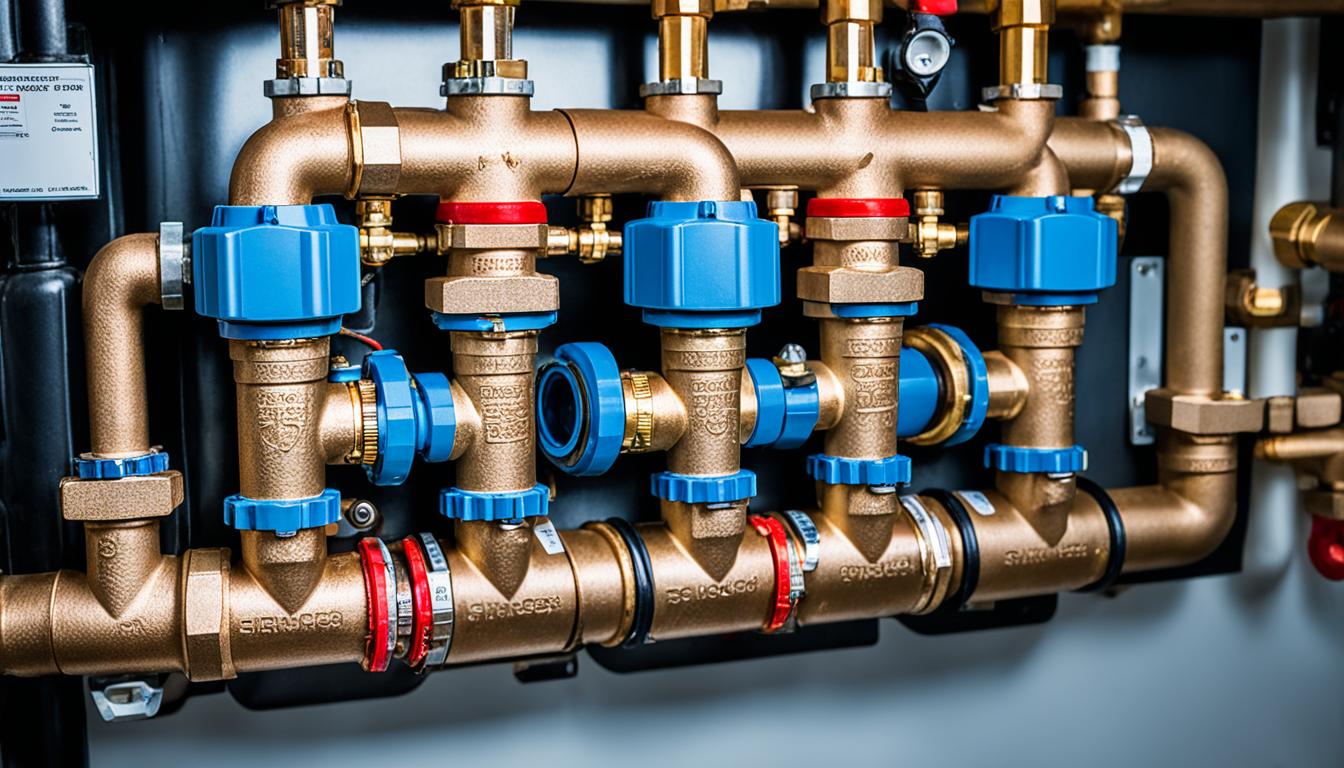
Cross-contamination is a major risk in commercial buildings where industrial processes or HVAC cooling towers might interact with the potable water supply. Caputo Plumbing specializes in the installation, testing, and certification of Reduced Pressure Zone (RPZ) valves. These devices are mandatory under current safety standards to ensure that contaminated water cannot flow back into the public water main.
Operational Workflow in Large-Scale Developments
To understand the role of Caputo Plumbing, one must look at their operational workflow within the lifecycle of a major construction project. This process is highly structured to ensure synchronization with other trades like electrical and HVAC.
The Rough-In Phase
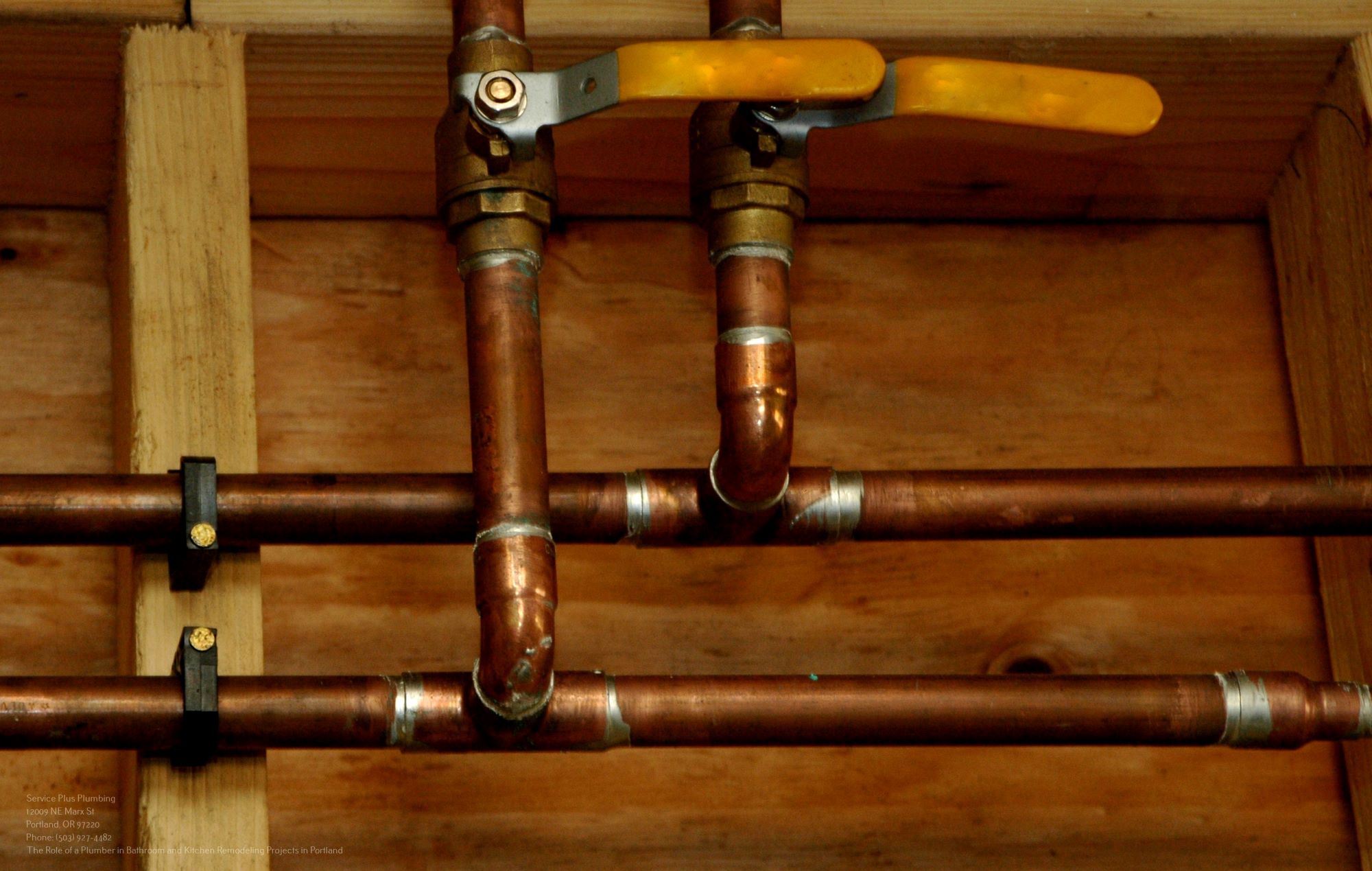
During the rough-in phase, the plumbing team installs the "bones" of the system. This occurs after the structural frame of the building is up but before the walls are closed. Large-diameter risers are run through vertical shafts, and horizontal piping is hung from ceilings. Because commercial buildings often use steel or copper piping for durability, this phase requires skilled union labor (such as Local 130 UA members) who are proficient in welding, soldering, and mechanical jointing.
Testing and Verification
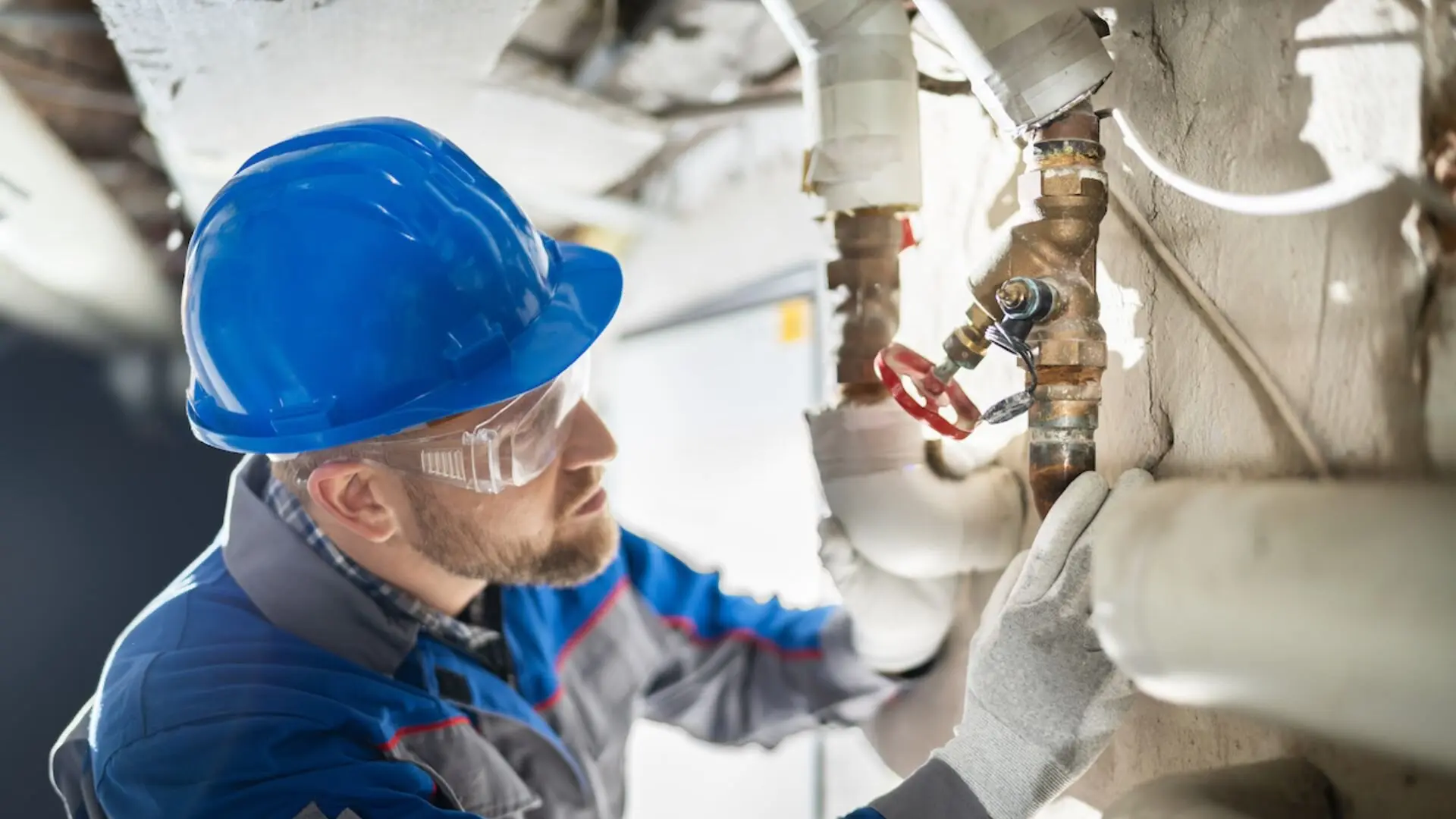
Before any walls are sealed, every inch of the system must be pressure tested. Caputo Plumbing utilizes air or water pressure tests to ensure there are no leaks in the supply or drainage lines. In 2026, digital pressure monitoring tools are standard, providing a data log that proves the system's integrity to building inspectors and insurance providers.
The Finish Phase and Fixture Installation
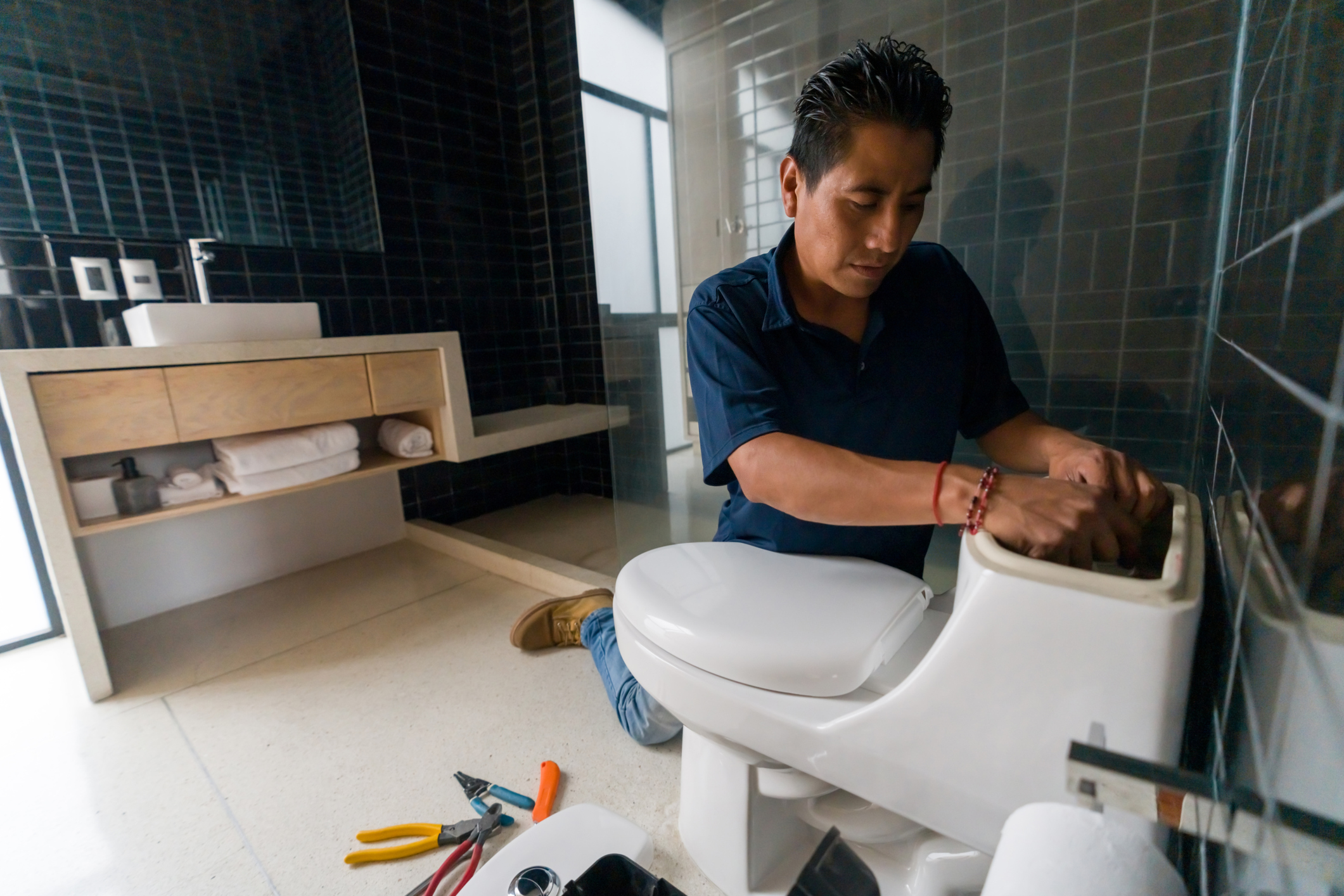
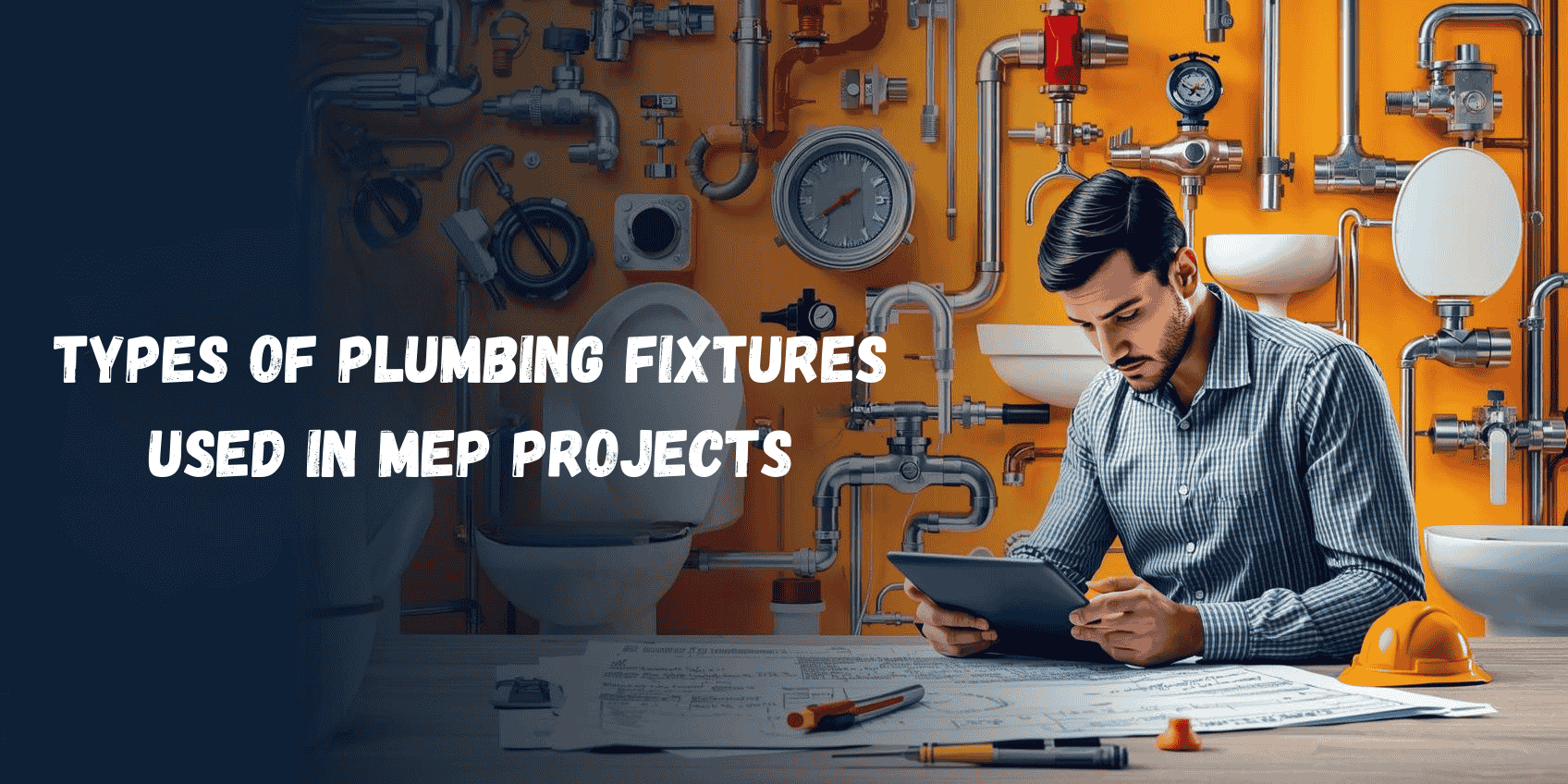
The final phase involves the installation of visible components: sinks, toilets, sensor-operated faucets, and industrial kitchen equipment. In commercial settings, these fixtures are chosen for their "vandal-resistant" properties and high-efficiency ratings. The role here is to ensure that every fixture is properly sealed and calibrated to provide the exact flow rate required by the building’s LEED or green-building certifications.
Comparing Commercial vs. Industrial Plumbing Requirements
When engaging a firm for a project, it is vital to understand the scale and technical differences between various commercial environments. The following table outlines the distinct requirements Caputo Plumbing manages across different sectors.
| Feature | Standard Commercial (Office/Retail) | Healthcare & Laboratories | Industrial / Manufacturing |
|---|---|---|---|
| Primary Focus | High-volume usage and ADA compliance. | Sterile environments and gas delivery. | Chemical waste and high-pressure steam. |
| Pipe Materials | Copper, PVC, Cast Iron. | Medical-grade Copper, Stainless Steel. | Schedule 80 PVC, Glass-lined, or Steel. |
| Specialized Equipment | Standard pumps, commercial water heaters. | Vacuum pumps, manifolds, scrubbers. | Large interceptors, high-flow pumps. |
| Compliance Level | Local Building & Health Codes. | NFPA 99, Department of Health. | EPA, OSHA, and Industrial Discharge. |
| Maintenance Cycle | Annual inspections. | Quarterly testing (Required). | Continuous monitoring/Monthly. |
The Impact of Modern Technology and Sustainability
As of 2026, the role of Caputo Plumbing has evolved to include the implementation of high-tech water management solutions. This shift is driven by both rising utility costs and new environmental legislation.
- Smart Leak Detection: Modern commercial projects now incorporate IoT (Internet of Things) sensors throughout the plumbing network. Caputo Plumbing integrates these sensors into the building management system (BMS), allowing property managers to receive instant alerts on their mobile devices if a pipe leaks or a restroom fixture is running constantly.
- Greywater Recycling: In an effort to reduce water footprints, many new commercial developments are installing greywater systems. These systems collect water from sinks and showers, treat it, and reuse it for irrigation or flushing toilets. The plumbing contractor is responsible for the dual-piping networks required to keep this water separate from the potable supply.
- High-Efficiency Water Heating: The transition away from large, inefficient boiler tanks toward modular, tankless electric or heat-pump water heaters is a hallmark of 2026 commercial projects. Caputo Plumbing’s role includes sizing these systems correctly to handle peak demand—such as the morning rush in a large office tower—while minimizing energy idle loss.
Risk Mitigation and Professional Liability
Hiring a specialized firm like Caputo Plumbing is also a strategy for risk management. In commercial real estate, a single major plumbing failure can result in millions of dollars in property damage and business interruption.
Insurance and Bonding
Caputo Plumbing carries the necessary bonding and high-limit liability insurance required to work on multi-million dollar job sites. This protects the property owner from claims related to accidents or systemic failures. For general contractors, working with a "bonded and insured" partner is a prerequisite for bidding on government or high-profile private contracts.
Long-term Maintenance and Emergency Response
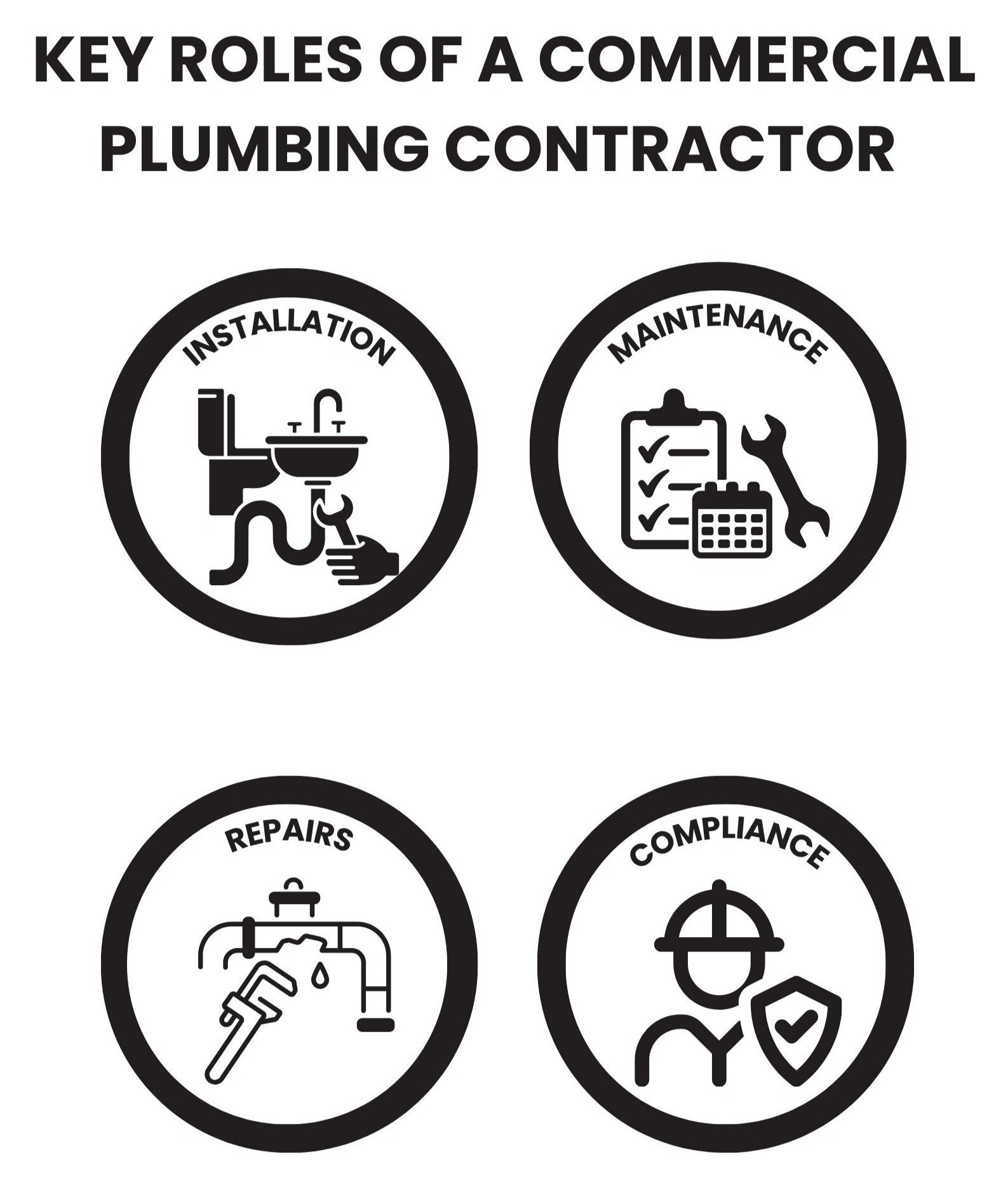
The role of the plumber does not end at the ribbon-cutting ceremony. Most commercial entities enter into Preventative Maintenance Agreements (PMAs). Caputo Plumbing provides scheduled services such as hydro-jetting of sewer lines to prevent clogs in restaurants and annual RPZ testing to maintain legal occupancy permits. Their 24/7 emergency response capability is critical for commercial clients who cannot afford to shut down operations due to a burst pipe or backed-up drain.
Frequently Asked Questions
What certifications should a commercial plumbing contractor have in 2026?
A reputable commercial contractor should employ plumbers licensed by the state (e.g., Illinois Department of Public Health) and hold specialized certifications for backflow prevention (CCCDI) and medical gas (ASSE 6010). Membership in unions like Local 130 ensures the labor force has undergone a rigorous five-year apprenticeship and stays updated on current safety protocols.
How does Caputo Plumbing handle "Tenant Build-Outs"?
In a tenant build-out, a business moves into a "shell" space in a larger building. Caputo Plumbing’s role is to tap into the existing building risers and extend the plumbing to the tenant’s specific layout, such as adding a breakroom sink or a private restroom. This requires careful coordination with the building’s property manager to ensure that the work doesn't interrupt the water supply to other tenants.
Why is backflow testing mandatory for commercial buildings every year?
Backflow testing is a legal requirement because commercial buildings often contain hazards (chemicals, fertilizers, or stagnant water in fire sprinklers) that could be sucked back into the city’s drinking water if a pressure drop occurs. Caputo Plumbing performs these tests to certify that the protective valves are functioning, and they submit the necessary documentation to the local water department on behalf of the owner.
Can Caputo Plumbing assist with LEED certification for new buildings?
Yes. By installing low-flow fixtures, high-efficiency water heaters, and water-metering technologies, the plumbing contractor directly contributes to the "Water Efficiency" category of LEED credits. They provide the technical documentation and flow-rate calculations required for the certification process.
What is the difference between hydro-jetting and traditional snaking for commercial drains?
Traditional snaking uses a metal cable to punch a hole through a clog. Hydro-jetting, which Caputo Plumbing utilizes for commercial kitchens and heavy-use facilities, uses high-pressure water (up to 4,000 PSI) to scrub the interior walls of the pipe. This removes grease and scale buildup entirely, providing a longer-lasting solution than snaking.
Practical Recommendations for Project Managers
When integrating Caputo Plumbing—or any major mechanical contractor—into a commercial project, prioritize clear communication regarding the construction schedule. Ensure that the "rough-in" timelines are clearly defined, as delays in plumbing can stall the installation of drywall, flooring, and electrical systems.
Furthermore, always request a comprehensive "Closeout Package" upon project completion. This should include as-built drawings (showing exactly where pipes were installed, which may differ from the original plans), manufacturer warranties for all fixtures, and a schedule for mandated maintenance tasks like backflow testing. Having this documentation on hand will significantly reduce operational headaches and increase the resale value of the commercial asset.
Image Gallery