Understanding the Harvard MBA Tuition and Total Cost in 2026
The total cost to attend the Harvard Business School (HBS) MBA program in 2026 is approximately $118,800 to $126,000 per academic year for a single student. This figure includes roughly $80,500 in tuition, mandatory student fees, healt...
The total cost to attend the Harvard Business School (HBS) MBA program in 2026 is approximately $118,800 to $126,000 per academic year for a single student. This figure includes roughly $80,500 in tuition, mandatory student fees, health insurance, and estimated living expenses. For the full two-year program, students should anticipate a total investment exceeding $245,000.
Contents
Pursuing a Master of Business Administration at Harvard University remains one of the most significant financial investments a professional can make. While the brand name carries global weight, the "sticker price" is often a source of apprehension for prospective candidates. Understanding the distinction between base tuition and the comprehensive cost of attendance (COA) is essential for effective financial planning and evaluating the eventual return on investment.
The Core Components of Harvard MBA Tuition
For the 2026-2027 academic year, the base tuition for the Harvard MBA program reflects the ongoing inflationary adjustments typical of Ivy League institutions. However, tuition is only the starting point. When evaluating the financial requirements, applicants must look at the mandated institutional fees that accompany enrollment.
Annual Tuition Rates
As of 2026, the annual tuition for the MBA program is set at approximately $80,520. Harvard traditionally reviews its tuition rates annually, often implementing modest increases to account for faculty recruitment, facility maintenance, and the evolution of the case-method pedagogy. Unlike some programs that charge per credit hour, HBS utilizes a flat-rate tuition model for its two-year, full-time residential program.
Mandatory Student Fees
Beyond tuition, every student is required to pay a Student Services Fee. This fee, currently estimated at $3,150, covers a range of institutional resources, including career services, academic technology, and campus life initiatives. Furthermore, all students must have health insurance. If a student does not have a comparable plan, they must enroll in the Harvard Student Health Insurance Plan (SHIP), which costs approximately $4,500 to $5,200 per year, alongside a mandatory Student Health Fee of roughly $1,400.
Breaking Down the Total Cost of Attendance (COA)
The "Total Cost of Attendance" is a standardized estimate provided by the Harvard Business School Financial Aid Office to help students understand the full scope of their financial obligations. This figure is also used to determine the maximum amount of financial aid and student loans a candidate can receive.
Housing and Living Expenses
Boston and Cambridge are among the most expensive rental markets in the United States. For 2026, HBS estimates a room and board allowance of approximately $21,000 to $26,000 for a nine-month academic year. This estimate assumes the student is living in HBS dormitories or shared off-campus housing.
- On-Campus Housing: Living in HBS residence halls like Hamilton or McCulloch offers proximity but often comes with a premium price for the convenience of being seconds away from Klarman Hall.
- Off-Campus Housing: Many students choose to live in Allston or across the river in Cambridge. While this may offer more space, it frequently involves higher utility costs and commuting expenses.
Books, Supplies, and Case Materials
The Harvard MBA is famous for its case-study method. Instead of traditional textbooks, students purchase "cases" published by Harvard Business Publishing. The estimated annual cost for these materials and other required software or supplies is roughly $1,500 to $2,000.
Personal and Miscellaneous Expenses
This category covers everything from cell phone bills and clothing to laundry and local transportation. HBS budgets approximately $6,000 to $8,000 for these costs, though individual spending habits vary significantly. It is important to note that this budget does not typically include the costs of extensive social travel or the "hidden" networking costs associated with the MBA experience.
Comparative Annual Budget for MBA Students (2026 Estimates)
The following table outlines the estimated expenditures for the 2026-2027 academic year. Please note that these figures are projections based on institutional trends and cost-of-living adjustments in the Boston area.
| Expense Category | Single Student (Estimated) | Married Student (Estimated) |
|---|---|---|
| Tuition | $80,520 | $80,520 |
| Student Services Fee | $3,150 | $3,150 |
| Student Health Fee | $1,440 | $1,440 |
| Health Insurance (SHIP) | $4,800 | $11,500 (with spouse) |
| Housing & Food | $23,400 | $34,200 |
| Books & Case Materials | $1,600 | $1,600 |
| Personal Expenses | $7,200 | $12,400 |
| Total Estimated COA | $122,110 | $144,810 |
Note: Figures are rounded and subject to change based on specific Harvard University Board of Overseers' decisions.
The Role of Financial Aid and Need-Based Fellowships
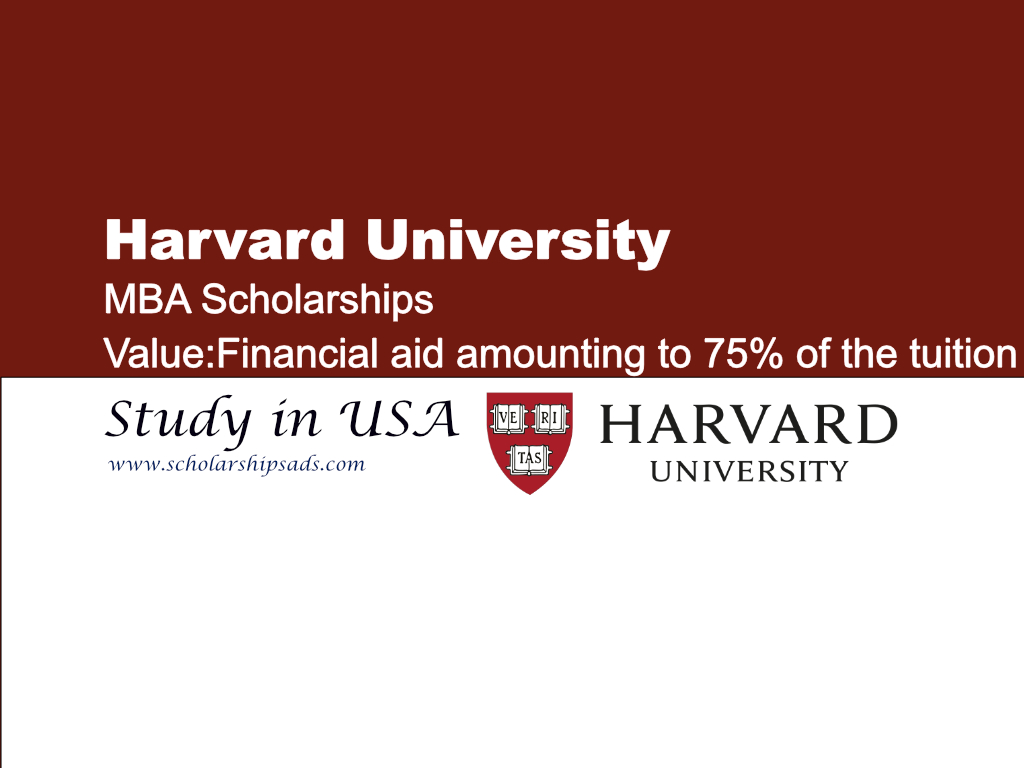
Harvard Business School operates differently than many other top-tier MBA programs regarding financial assistance. Most notably, HBS does not offer merit-based scholarships. All HBS fellowships are awarded based on demonstrated financial need.
HBS Fellowships
Approximately 50% of the student body receives a need-based fellowship. In 2026, the average annual fellowship award is approximately $45,000, which significantly offsets the sticker price. These fellowships are essentially "gifts" that do not need to be repaid. The school utilizes a complex formula that evaluates the applicant's income from the last three years, personal assets, and socio-economic background to determine the award amount.
External Scholarships and Sponsorships
Many students supplement their HBS fellowships with external awards from organizations like the Toigo Foundation or the Forte Foundation. Additionally, a segment of the student body—particularly those from management consulting firms or global conglomerates—may receive full or partial tuition sponsorship from their employers in exchange for a commitment to return to the firm after graduation.
Student Loans
For the portion of the cost not covered by fellowships or personal savings, students typically turn to loans.
- Federal Loans: Available to U.S. citizens and permanent residents, offering fixed interest rates and various repayment protections.
- Private Loans: Often used by international students or those who have exhausted federal limits. Many private lenders offer MBA-specific products for HBS students, sometimes without a U.S. co-signer for international candidates.
Hidden Costs: Travel, Global Immersion, and Networking
When planning a budget for Harvard, candidates must look beyond the official COA. The MBA experience is as much about the network as it is about the classroom, and the network often moves.
FIELD Global Immersion
In the first year (RC year), students participate in the Field Immersion Experiences for Leadership Development (FIELD). While HBS covers the primary costs of the global immersion (flights and lodging), students are responsible for personal expenses, visa fees, and some meals during these international treks.
Social and Career Treks
The "hidden" cost of the MBA often lies in the extracurriculars. Student-led career treks to Silicon Valley, London, or Singapore for networking can cost thousands of dollars. Similarly, social treks (e.g., "Ski Trek" or "Japan Trek") are a staple of the HBS experience. While optional, they are central to the bonding experience and can add $5,000 to $15,000 to a student's annual spend.
The Opportunity Cost
The most significant "hidden" cost is the opportunity cost of lost wages. For a professional earning $100,000 per year, the total "cost" of the MBA—including two years of lost salary plus the $245,000 tuition/COA—effectively approaches $445,000. This makes the post-graduation salary and career trajectory critical components of the financial equation.
Analyzing the Return on Investment (ROI)
Despite the high cost, the financial ROI of a Harvard MBA remains robust. According to recent HBS Employment Reports, the median base salary for graduates is approximately $190,000 to $200,000, with additional signing bonuses and performance incentives.
Career Pivoting and Long-term Earnings
The value of the MBA is often realized in the "pivot." Many students transition from lower-paying sectors to private equity, venture capital, or hedge funds, where total compensation can exceed $300,000 within a few years of graduation. The HBS alumni network, consisting of over 85,000 individuals globally, provides a "lifetime" insurance policy for career mobility, which many argue justifies the initial six-figure debt.
Frequently Asked Questions
Does Harvard offer merit-based scholarships for the MBA?
No. Unlike many other business schools, Harvard Business School does not offer merit-based scholarships. All institutional aid is distributed based on financial need. This policy is intended to ensure that the most qualified candidates can attend regardless of their financial background, while focusing merit recognition on the admissions process itself.
Can international students receive financial aid at HBS?
Yes. International students are eligible for the same need-based fellowships as domestic students. HBS also maintains partnerships with lenders that provide loan options for international students, often without requiring a U.S.-based co-signer.
Is the cost of the MBA different for the second year?
The tuition generally remains consistent, but there may be a 3-5% increase in the second year (EC year) compared to the first year (RC year). Additionally, second-year students may have different elective-related costs or increased spending on global career searches.
What is the average debt of a Harvard MBA graduate?
While it varies, the average debt for those who borrow is approximately $105,000 to $115,000 upon graduation. However, the school’s aggressive fellowship program helps keep this number lower than it would be otherwise, and many students use their signing bonuses to pay down a significant portion of their high-interest debt immediately.
Are there ways to reduce the cost of living while at HBS?
Students can reduce costs by opting for shared apartments in Allston rather than high-end Cambridge rentals, utilizing the Harvard shuttle system instead of owning a car, and being selective about non-essential social treks. Additionally, serving as a "Teaching Fellow" or "Resident Advisor" in later semesters can sometimes provide stipends or housing credits.
Practical Recommendation for Prospective Students
If you are planning to apply for the Harvard MBA in 2026, begin by conducting a "financial audit" of your current assets and three-year income history. Because HBS fellowships are need-based, your prior earnings will directly impact the amount of aid you receive.
Next Steps:
- Calculate your "Gap": Compare your liquid savings against the $245,000 two-year total.
- Research External Funding: Apply for third-party scholarships (like Forte or Reaching Out MBA) before the HBS deadlines.
- Review the HBS Financial Aid Tool: Use the official HBS fellowship calculator to get an early estimate of your potential need-based award.
- Budget for "The Extras": Do not just save for tuition; ensure you have a "social fund" of at least $10,000 per year to fully participate in the networking opportunities that define the Harvard experience.
Image Gallery