A Legacy of Two Cities: The Comprehensive History of Made in America Festival 2014
The 2014 Budweiser Made in America Festival was a landmark event in the American music circuit, marking the first and only time the festival was held simultaneously in two different cities: Philadelphia and Los Angeles. Curated by Jay-...
The 2014 Budweiser Made in America Festival was a landmark event in the American music circuit, marking the first and only time the festival was held simultaneously in two different cities: Philadelphia and Los Angeles. Curated by Jay-Z, the festival took place over Labor Day Weekend, August 30–31, 2014, featuring a diverse lineup of rock, hip-hop, and electronic dance music.
Contents
The 2014 iteration remains a significant case study in music festival logistics and brand expansion. It sought to bridge the gap between East Coast and West Coast urban festival cultures while maintaining the "Made in America" ethos of inclusivity and genre-blending. While the Philadelphia event was held at its traditional home on the Benjamin Franklin Parkway, the Los Angeles expansion took place at Grand Park in the city's civic center. This ambitious "bi-coastal" experiment remains one of the most talked-about chapters in the festival's history.
The Bi-Coastal Strategy: Philadelphia vs. Los Angeles
The decision to expand to Los Angeles in 2014 was a bold move by Jay-Z, Roc Nation, and promoters Live Nation. Since its inception in 2012, Made in America had been synonymous with the "City of Brotherly Love." By adding a second location, the organizers aimed to create a unified national celebration of music.
The Philadelphia Foundation
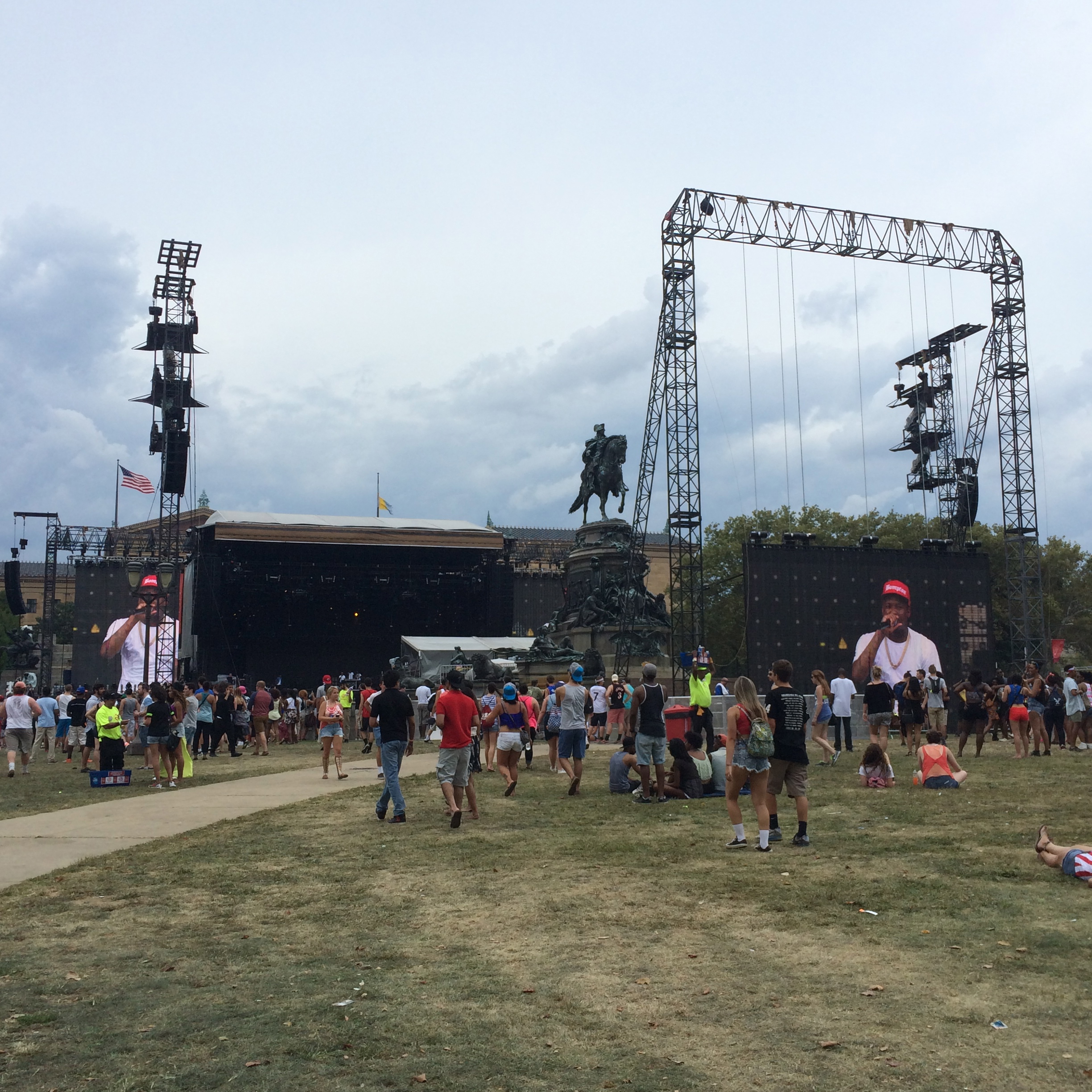
In Philadelphia, the festival utilized its established footprint. The Benjamin Franklin Parkway was transformed into a massive outdoor concert grounds with the Philadelphia Museum of Art serving as the iconic backdrop for the main stage (The Rocky Stage). By 2014, the local community and city government had developed a streamlined rhythm for managing the 50,000+ daily attendees, though the environmental impact on the parkway remained a point of local debate.
The Los Angeles Expansion
The Los Angeles edition faced more significant hurdles. Held in Grand Park, the event was the first major multi-day music festival to take place in the heart of Downtown LA’s civic center. This required unprecedented coordination with the Los Angeles Police Department and local transit authorities. Unlike the sprawling parkway in Philly, Grand Park offered a more vertical, tiered layout, which created a unique but sometimes congested viewing experience. Political friction preceded the event, as some local officials expressed concerns about noise, security, and the closure of public space in a densely populated urban core.
Analyzing the 2014 Lineup and Headliners
One of the most impressive feats of the 2014 festival was the coordination of talent. Several artists, most notably Kanye West, performed in both cities on alternating days, a logistical challenge that required tight scheduling and private aviation.
The Kanye West Factor
Kanye West served as the primary anchor for the entire weekend. Coming off the momentum of his Yeezus tour, West delivered high-concept, high-intensity sets that featured his signature masks and minimalist stage design. In Philadelphia, he headlined Saturday night, while in Los Angeles, he closed the festival on Sunday. These performances are often cited as some of the most cohesive festival sets of his career, blending hits with experimental visual art.
Genre Diversity and Specific Stages
The festival was structured to cater to distinct musical tastes through its stage assignments. The main stages focused on mainstream appeal, while secondary stages leaned heavily into burgeoning sub-genres.
- Rocky Stage (Philly) / Marilyn Stage (LA): These were the primary stages for massive acts like Kings of Leon, Imagine Dragons, and Pharrell Williams.
- Liberty Stage (Philly) / Broadway Stage (LA): These stages featured mid-tier heavy hitters such as The National, J. Cole, Weezer, and Girl Talk.
- Freedom Stage: Dedicated almost exclusively to Electronic Dance Music (EDM). In 2014, EDM was at its commercial peak, and artists like Tiësto, Steve Aoki, and R3hab drew massive crowds that rivaled the rock headliners.
- Skate Stage: A hallmark of the Philly experience, this stage integrated extreme sports with up-and-coming indie and punk acts, emphasizing the festival's "street culture" roots.
Comparative Overview: Philly vs. Los Angeles 2014
The following table highlights the key differences and shared elements of the two 2014 locations:
| Feature | Philadelphia (Benjamin Franklin Parkway) | Los Angeles (Grand Park) |
|---|---|---|
| Primary Headliners | Kanye West, Kings of Leon | Imagine Dragons, Kanye West, John Mayer |
| Daily Attendance | ~50,000 | ~35,000 |
| Key Support Acts | Pharrell Williams, The National, Tiësto | Kendrick Lamar, Weezer, Rise Against |
| Unique Highlight | Historical backdrop of Art Museum | Downtown skyline and "Grand Park" fountain |
| Atmosphere | Wide-open, traditional festival feel | Vertical, urban, and more compact |
| Weather Conditions | Humid with intermittent rain | Hot, dry, and sunny |
Logistics, Production, and Public Impact
The scale of the 2014 Made in America Festival required a massive investment in infrastructure. Beyond the music, the festival was a test of municipal capacity in both cities.
Transportation and Accessibility
In Philadelphia, SEPTA (Southeastern Pennsylvania Transportation Authority) increased service on regional rail and subway lines to accommodate the influx of fans. In Los Angeles, the festival was strategically located near the Metro Rail Red and Purple Line stations. Organizers heavily promoted public transit to mitigate the lack of parking in Downtown LA. This focus on transit-oriented events became a blueprint for future urban festivals in the United States.
Economic Impact
A 2014 economic impact study suggested that the Philadelphia event alone generated millions for the local economy, particularly in the hospitality and service sectors. However, these gains were balanced against the costs of police overtime, sanitation, and park restoration. In Los Angeles, the economic success was more scrutinized, as the city had to manage the logistics of a new event in a high-traffic area.
Challenges and Criticism
Despite its success, the 2014 festival was not without controversy. In Philadelphia, residents of the Fairmount and Logan Square neighborhoods complained about restricted access to their homes and the sheer volume of noise. In Los Angeles, the "pay-to-play" nature of using a public park for a private, ticketed event sparked a conversation about the privatization of public spaces. Furthermore, the LA attendance numbers were lower than Philly’s, leading to questions about the long-term viability of the dual-city model.
The Cultural Significance of the 2014 Edition
The 2014 festival occurred during a transitional period in the music industry. Streaming was beginning to dominate consumption, and the "festival circuit" had become the primary revenue driver for major artists. Made in America distinguished itself by being one of the few festivals that gave equal weight to hip-hop and alternative rock.
The inclusion of artists like Pharrell Williams, who was enjoying a massive year with "Happy," and Kendrick Lamar, who was cementing his status as a generational talent in Los Angeles, made the 2014 lineup feel incredibly "current." It captured the zeitgeist of a multi-genre listening audience that didn't see a conflict between liking Weezer and J. Cole simultaneously.
Frequently Asked Questions
Who headlined Made in America 2014?
The main headliners were Kanye West, who performed at both locations, Kings of Leon (Philadelphia), and Imagine Dragons and John Mayer (Los Angeles). Other major performers included Pharrell Williams, Tiësto, Steve Aoki, and Kendrick Lamar.
Why was the festival held in two cities in 2014?
The bi-coastal expansion was an attempt by Jay-Z and Budweiser to scale the festival brand nationally. By hosting simultaneous events in Philadelphia and Los Angeles, they aimed to create a "national" holiday weekend experience, though the two-city model was discontinued in 2015 in favor of returning exclusively to Philadelphia.
How much were tickets for the 2014 festival?
Early bird two-day passes typically started around $100 to $125, with prices increasing to approximately $150 to $185 as the event date approached. VIP packages, which offered better viewing areas and private amenities, were priced significantly higher, often exceeding $500.
Was the 2014 Los Angeles festival successful?
While the musical performances were highly praised, the Los Angeles edition faced logistical challenges and lower attendance compared to the Philadelphia event. The venue, Grand Park, was smaller and more difficult to navigate, and the city's response to the event was more divided than in Philly.
What happened to the Los Angeles version of the festival?
The Los Angeles expansion was a one-year experiment. In 2015, the festival returned to being a Philadelphia-only event. Factors contributing to this included the logistical complexity of managing two simultaneous large-scale events and the stronger established market for the festival in the Northeast.
Final Assessment and Legacy
Looking back from 2026, the 2014 Budweiser Made in America Festival stands as a testament to the ambition of the mid-2010s music industry. It was a period of "peak festival" growth where organizers were unafraid to take massive risks on expansion and multi-genre lineups.
For fans, the 2014 edition is remembered for Kanye West’s dual-city dominance and the rare opportunity to see top-tier talent in the heart of two of America’s largest metropolitan centers. For the industry, it served as a lesson in the importance of venue suitability and the challenges of duplicating a localized festival culture in a different market. If you are researching the history of urban music events, the 2014 bi-coastal experiment remains the most important chapter in the Made in America timeline, showcasing both the potential and the limits of modern festival production.
Image Gallery