How to Answer What Time is It in Spanish: A Complete Guide
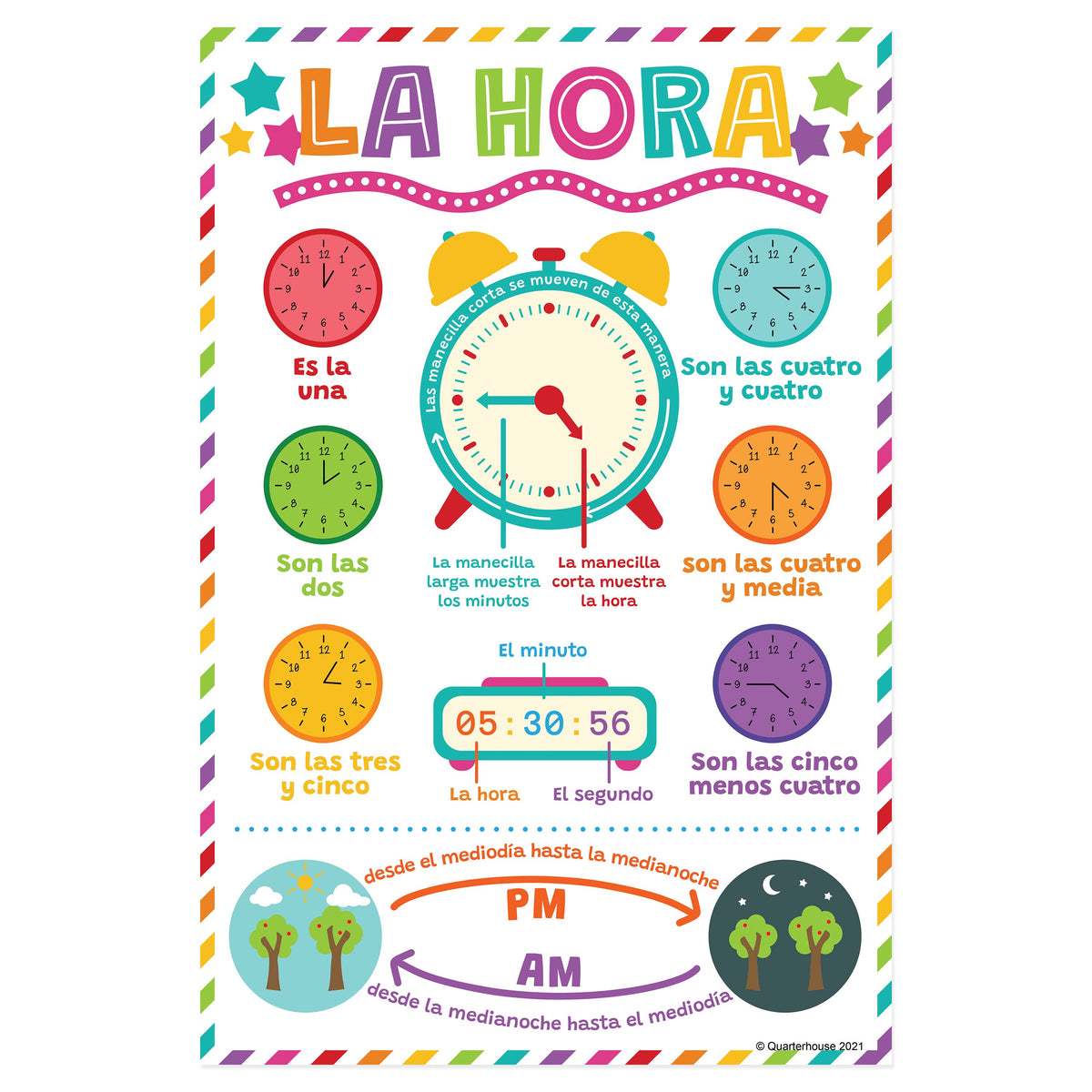
To answer "What time is it?" in Spanish, use Es la una for 1:00 and Son las followed by the number for all other hours (e.g., Son las dos). Add minutes using y (and) for the first half-hour and menos (less) to count back from the next...
To answer "What time is it?" in Spanish, use Es la una for 1:00 and Son las followed by the number for all other hours (e.g., Son las dos). Add minutes using y (and) for the first half-hour and menos (less) to count back from the next hour.
Contents
Understanding the Grammatical Foundation of Time in Spanish
When learning how to answer "What time is it?" in Spanish, the most critical grammatical rule to internalize is the use of the feminine article. In Spanish, time refers to la hora (the hour), which is a feminine noun. Consequently, all numbers used to tell time are preceded by the feminine articles la or las. This is a common stumbling block for English speakers who are used to the gender-neutral "it is."
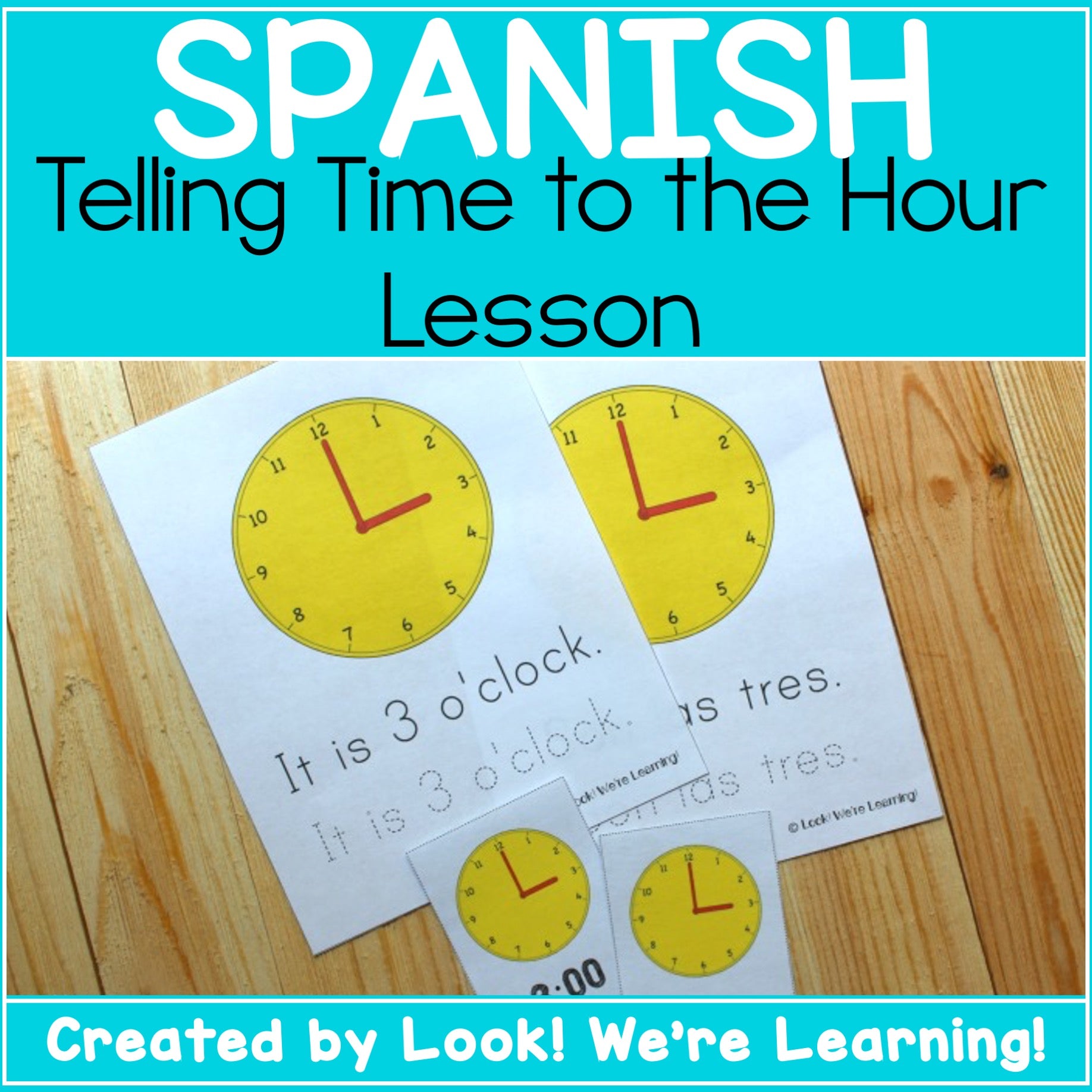
The verb used to express time is always ser (to be). Because time can be either singular (one o'clock) or plural (two through twelve o'clock), the verb must conjugate to match. For 1:00, you use the singular form es (Es la una). For any other hour, you use the plural form son (Son las tres). Understanding this distinction is the first step toward fluency in daily Spanish interactions.
Furthermore, it is essential to remember that the number "one" changes from the masculine uno to the feminine una when telling time. You should never say "Es el uno" or "Es la uno." The consistency of feminine agreement across the entire clock face ensures that your speech sounds natural to native speakers.
The Structure of Hours and Minutes
Once you have mastered the basic hours, the next step is incorporating minutes. The Spanish language typically follows a "linear" approach for the first 30 minutes of the hour and a "subtractive" approach for the final 20 to 25 minutes.
The First Half-Hour: Using "Y"
To express minutes past the hour from 1 to 30, you simply state the hour, followed by the word y (and), and then the number of minutes. This structure is very logical and mirrors the English "five past two" or "ten past six," though the Spanish construction literally translates to "two and five" or "six and ten."
- 2:05: Son las dos y cinco.
- 5:12: Son las cinco y doce.
- 1:20: Es la una y veinte.
The Second Half-Hour: Using "Menos"
As the clock moves past the 30-minute mark, many Spanish-speaking regions transition to a subtractive method. Instead of saying "eight forty-five," it is very common to say "nine minus fifteen." To do this, you state the upcoming hour, followed by menos, and then the number of minutes remaining until that hour.
- 7:40: Son las ocho menos veinte (It is eight minus twenty).
- 10:50: Son las once menos diez (It is eleven minus ten).
- 12:55: Es la una menos cinco (It is one minus five).
While some modern speakers, particularly in certain Latin American countries, may use the additive method for the entire hour (e.g., las ocho y cuarenta), the menos construction remains the standard in formal education and is widely used across Spain and much of the Americas.
Essential Time Markers: Quarters and Halves
Just as English uses "quarter past" and "half past," Spanish utilizes specific terms for the 15 and 30-minute intervals. These terms add a level of sophistication to your speech and are used almost exclusively in place of the numbers fifteen (quince) and thirty (treinta).
Media (The Half Hour)
To say it is half-past the hour, use the word media. It is important to note that media is an adjective modifying the implied noun hora, which is why it remains in the feminine form. You do not say y treinta in casual conversation; y media is the standard.
- 4:30: Son las cuatro y media.
- 1:30: Es la una y media.
Cuarto (The Quarter Hour)
The word for a quarter (15 minutes) is cuarto. Unlike media, cuarto is a noun (a quarter of an hour) and remains masculine regardless of the hour being discussed. You will use this for both 15 minutes past and 15 minutes until the hour.
- 9:15: Son las nueve y cuarto.
- 8:45: Son las nueve menos cuarto.
Distinguishing AM and PM in Spanish
Spanish does not typically use the Latin abbreviations AM and PM in spoken conversation. Instead, speakers clarify the time of day by using phrases that describe the specific period. This is especially important because Spanish-speaking cultures often view the day in different segments than English speakers.
| Time Period | Spanish Phrase | English Equivalent |
|---|---|---|
| Early morning/Dawn | de la madrugada | 1:00 AM – 4:00 AM |
| Morning | de la mañana | 5:00 AM – 11:59 AM |
| Afternoon | de la tarde | 12:00 PM – 7:00 PM (until sunset) |
| Evening/Night | de la noche | 7:00 PM – 11:59 PM |
When using these phrases, they follow the time directly. For example, "It is 8:00 AM" becomes Son las ocho de la mañana. "It is 10:00 PM" becomes Son las diez de la noche.
It is also useful to know the terms for noon and midnight. Mediodía (noon) and medianoche (midnight) are used as specific points of reference. When answering what time it is, you can simply say Es mediodía or Es medianoche. Because these are singular concepts, they use the verb es.
Formal Time and the 24-Hour Clock
In 2026, as has been the case for decades, the 24-hour clock (often referred to in the U.S. as military time) is the standard for official schedules in Spanish-speaking countries. This includes train schedules, flight itineraries, television listings, and store hours.
When using the 24-hour clock, you do not use y media or menos cuarto. Instead, you read the numbers exactly as they appear. This is a more technical and precise way of answering questions about time in professional or travel contexts.
- 15:00: Son las quince.
- 22:30: Son las veintidós treinta.
- 18:15: Son las dieciocho quince.
When reading digital times in this format, it is common to omit the y between hours and minutes. If you are standing at a bus station in Madrid or Mexico City and someone asks about the schedule, they will expect the 24-hour response to match the printed timetable.
Common Mistakes to Avoid
Language learners often make predictable errors when learning how to answer time-related questions in Spanish. Recognizing these early can accelerate your path to proficiency.
- Confusing "Qué hora es" with "A qué hora": Use ¿Qué hora es? to ask what time it is right now. Use ¿A qué hora...? to ask when an event takes place. If someone asks ¿A qué hora es la clase?, the answer starts with A las... (A las tres), not Son las tres.
- Using "Uno" for 1:00: Always remember that 1:00 is la una. Using el uno or la uno is a giveaway that you are translating directly from English.
- Forgetting "Son" for plural hours: It is tempting to use es for everything (like the English "it is"). You must switch to son for any hour other than 1:00.
- Misplacing the "Menos": Remember that when using menos, you go to the next hour. To say 3:50, you don't say las tres menos diez; you say las cuatro menos diez.
Regional Variations and Local Nuances
While the rules above are generally accepted throughout the Spanish-speaking world, there are subtle regional differences. In some parts of Latin America, particularly in Mexico and Colombia, it is common to hear para las instead of menos.
For example, for 6:50, a speaker might say Faltan diez para las siete (Ten minutes are missing for seven). This is a very common colloquialism that functions exactly like the menos system but uses a different verbal construction.
In Spain, the use of menos is almost universal in both casual and formal speech. Additionally, in some Caribbean regions, you may hear people ask ¿Qué horas son? (plural) rather than ¿Qué hora es?. Both are technically correct and understood, but ¿Qué hora es? is considered the standard international form.
Frequently Asked Questions
How do I say "it is exactly" or "sharp" in Spanish?
To express that it is exactly a certain time, use the phrase en punto. For example, Son las seis en punto means "It is six o'clock sharp." If you want to say "approximately" or "around," you can use más o menos or a eso de (e.g., Son las seis, más o menos).
Do I need to use the word "minutos" when answering?
Usually, no. Just like in English, if someone asks the time, you simply say the numbers. Saying Son las diez y diez is more natural than Son las diez y diez minutos. The context of the question makes it clear that the second number refers to minutes.
Is the word "horas" ever used in the answer?
The word horas is rarely used when stating the current time. You wouldn't say "Son las cinco horas." However, horas is used when discussing a duration of time, such as El viaje dura cinco horas (The trip lasts five hours).
How do I answer "What time is it?" on a digital watch?
With the prevalence of digital displays in 2026, it has become increasingly acceptable to simply read the digits. If your watch says 4:45, you can say Son las cuatro cuarenta y cinco. While this is less "traditional" than Son las cinco menos cuarto, it is perfectly clear and common in fast-paced urban environments.
Practical Next Steps for Mastery
To master answering what time it is in Spanish, start by narrating your day. Every time you look at a clock, say the time out loud in Spanish. Focus on the transition between the y and menos portions of the hour, as this requires the most mental processing.
Additionally, practice your numbers from 1 to 59. If you struggle to remember the word for 45 (cuarenta y cinco) or 55 (cincuenta y cinco), your ability to tell time will be hampered regardless of how well you know the grammatical structure. For more advanced practice, listen to Spanish-language radio or podcasts and pay attention to how announcers give the time before commercial breaks or news segments. This exposure will help you get used to the natural speed and regional accents of native speakers.
Image Gallery