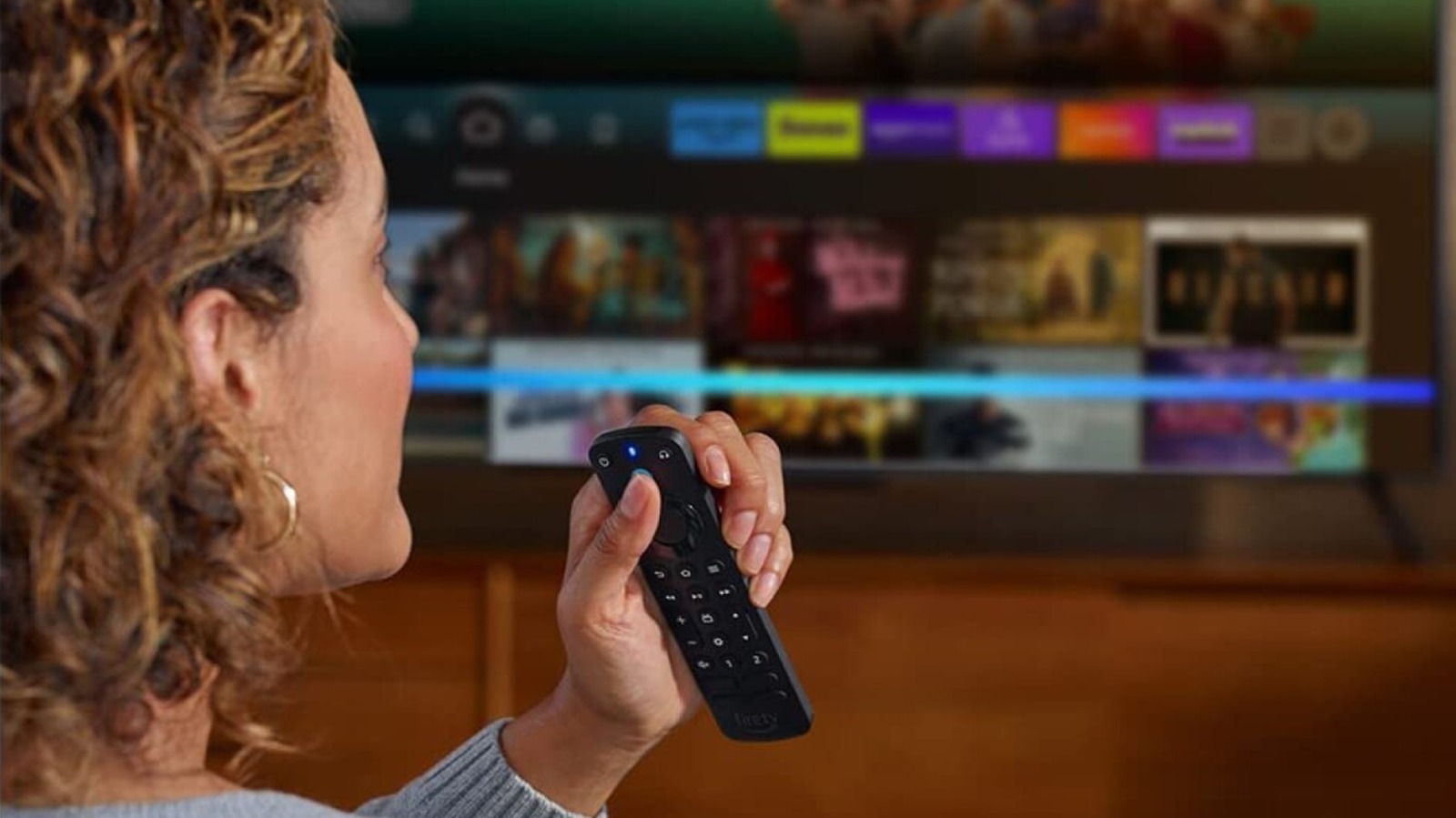
The Evolution of Convenience: How TV Remotes Became Common
Television remote controls evolved from tethered, functional tools into essential household interface devices through a rapid progression of wireless technologies, corporate competition, and changing consumer expectations regarding lei...
Television remote controls evolved from tethered, functional tools into essential household interface devices through a rapid progression of wireless technologies, corporate competition, and changing consumer expectations regarding leisure and control. The transition was driven by the shift from ultrasonic and infrared signaling to digital smart-home integration, fundamentally altering how humans interact with visual media.
Contents
The Dawn of Remote Control: Wired Beginnings
The concept of controlling a television from a distance did not start with wireless convenience but with the practical necessity of channel navigation. In 1950, Zenith Radio Corporation introduced the "Lazy Bones," a device connected to the television via a long cable. While it succeeded in allowing viewers to change channels or turn the power off without standing up, the cable presented a major physical hazard in living rooms, leading to its limited adoption and eventual replacement by more advanced prototypes.
Zenith and the Ultrasonic Breakthrough
The shift toward true consumer adoption began in 1955 with the Flash-Matic, developed by Eugene Polley for Zenith. This was the first wireless remote, designed to look like a ray gun. It worked by firing a beam of light at photoelectric cells in the corners of the television screen. While revolutionary, it was plagued by a fatal flaw: sunlight hitting the TV screen would often trigger the sensors, causing the channel to change unexpectedly.
Recognizing the need for a more reliable signal, Robert Adler of Zenith improved the technology in 1956 with the "Space Command." This device utilized ultrasound rather than light. The remote contained mechanical bars that, when struck by internal hammers, emitted high-frequency sounds that the television could detect. Because these frequencies were well above the human hearing range, they avoided the interference issues of the Flash-Matic. This design became the industry standard for over two decades, cementing the remote as a staple in middle-class American homes.
The Infrared Revolution and Digital Integration
By the early 1980s, ultrasonic remotes faced a new competitor: infrared (IR) technology. IR remotes offered several technical advantages, including lower production costs and the ability to handle more complex commands. Instead of sound waves, these remotes used light-emitting diodes (LEDs) to send pulses of invisible light to a sensor on the television.
This transition paved the way for the "universal remote," as infrared signaling allowed for standardized protocols. Manufacturers could now produce remotes capable of controlling multiple devices, such as VCRs and cable boxes, rather than just the television set. The complexity of these devices grew alongside the number of entertainment peripherals, eventually leading to remotes with dozens of buttons dedicated to specialized functions.
Comparison of Remote Control Technologies
The following table outlines the technical evolution that moved remotes from novelties to household requirements.
| Technology | Era | Signaling Method | Primary Advantage | Main Limitation |
|---|---|---|---|---|
| Wired (Lazy Bones) | 1950 | Physical Cable | Direct control | Trip hazard |
| Photo-Electric (Flash-Matic) | 1955 | Visible Light | Wireless operation | Sunlight interference |
| Ultrasonic (Space Command) | 1956 | Sound Waves | Directional immunity | Susceptible to jingling keys |
| Infrared (IR) | 1980s+ | Infrared Light | Low cost/Complex data | Requires line-of-sight |
| RF/Bluetooth/Smart | 2010s+ | Radio Frequency | No line-of-sight needed | Higher power consumption |
Why Remotes Became Universal Fixtures
The widespread adoption of the remote was not purely about the technology itself, but rather the socioeconomic shifts in how families consumed media. As televisions migrated from luxury items to central pieces of home furniture, the demand for "lean-back" entertainment increased.
Furthermore, the introduction of cable television in the 1970s and 80s exponentially increased the number of available channels. Manually turning a knob on a television set became increasingly impractical when moving from two or three stations to thirty or more. The remote control transformed from a "lazy" luxury into a necessary tool for navigating a rapidly expanding media landscape. The rise of the remote also changed programming strategies, as networks realized that viewers were now more likely to "channel surf" during commercials, a behavior that would later influence the pacing and structure of television advertising.
Modern Challenges and Future Trajectories
In 2026, the traditional remote control is undergoing another transformation. With the proliferation of Smart TVs, streaming platforms, and voice-activated assistants, the physical "clicker" is being replaced or supplemented by mobile applications and voice commands.
The primary challenge for current manufacturers is reducing cognitive load. While 1990s remotes often featured fifty or more buttons, modern designs—such as those used by streaming sticks and modern smart TVs—tend to feature fewer than fifteen, relying instead on onscreen menus and intuitive navigation. The transition from infrared to Bluetooth and Wi-Fi-based control has removed the requirement for line-of-sight, allowing users to control their devices from different rooms or through solid surfaces.
Frequently Asked Questions
Why did early remotes stop working when keys jingled? Early ultrasonic remotes operated on specific high-frequency sound waves. If a user shook a set of keys or a dog barked, the sound waves emitted could occasionally hit the frequency range the TV interpreted as a "channel change" command, causing the set to switch channels randomly.
What killed the "Flash-Matic" remote? The Flash-Matic failed due to lack of selectivity. Because it used a beam of light to trigger sensors, any bright light source—such as sunlight streaming through a window or even a bright lamp—could inadvertently trigger the television's functions, making the device erratic and unreliable for daily use.
When did universal remotes become standard? Universal remotes gained widespread popularity in the late 1980s as households began to own multiple electronic components, such as VCRs, satellite tuners, and audio receivers. The industry adopted standardized IR codes, allowing a single remote to manage multiple brands and device types.
Do modern smart remotes still use infrared? Many modern remotes use a hybrid approach. They often use Bluetooth for general navigation and voice commands, but they retain an infrared blaster for basic power and volume control of legacy equipment that does not support advanced wireless protocols.
Are voice remotes replacing physical buttons? Voice integration is significantly reducing the dependency on buttons for search and navigation. However, physical buttons remain common for tactile feedback, which is often faster and more precise for volume control and menu interaction than voice-based inputs.
Next Actions for Home Media Management
If you are managing an aging home entertainment system, assess your current remote setup. If you are juggling more than two physical controllers, investigate consolidating your system using a smart hub or a modern streaming device that supports HDMI-CEC (Consumer Electronics Control). This technology allows a single modern remote to send commands through the HDMI cable to your TV, soundbar, and console, effectively eliminating the need for multiple controllers and simplifying your viewing experience.
Image Gallery