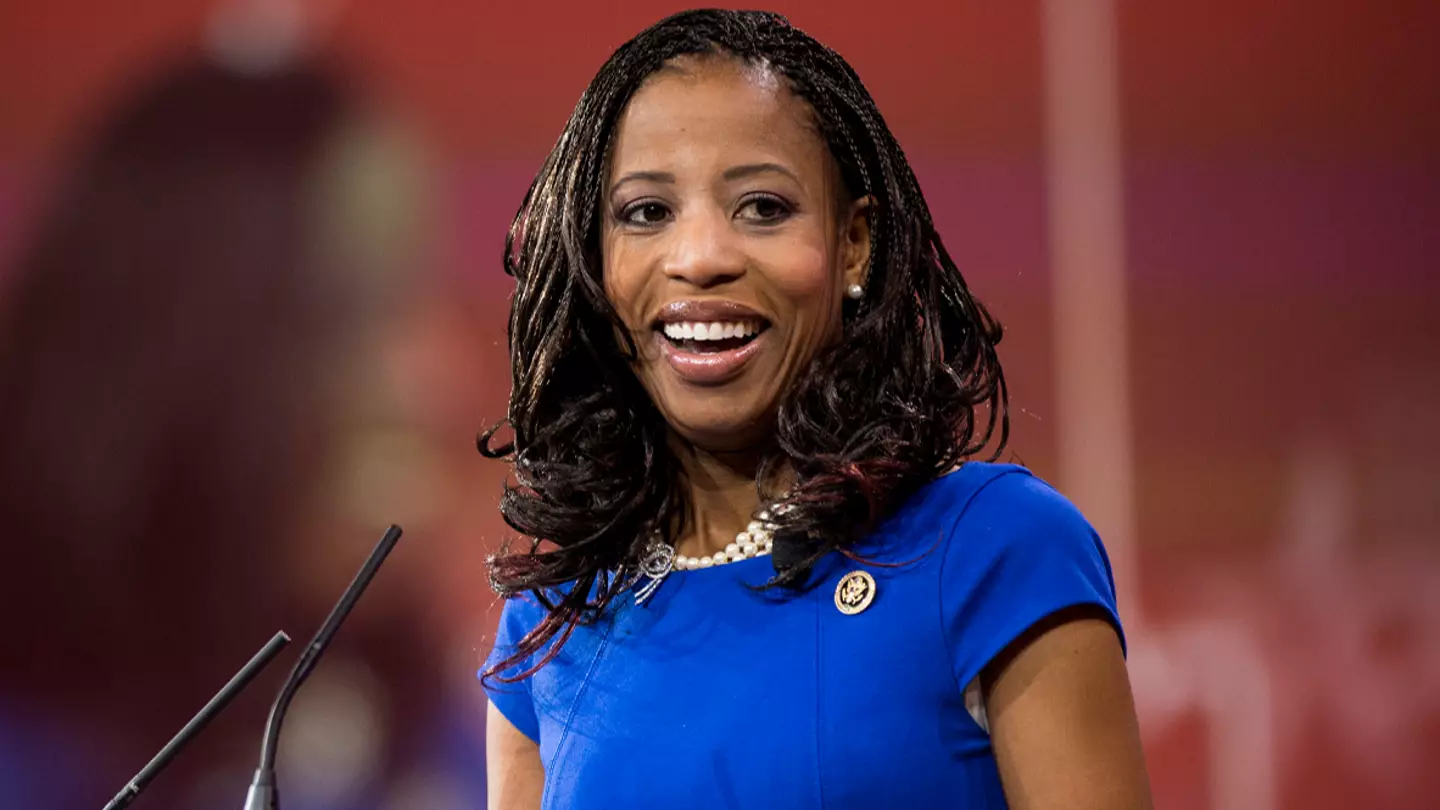
Exploring Mia from Love Life: Character Deep Dive and Jessica Williams’ Performance
In the second season of the Max anthology series Love Life, Mia Hines is the complex and charismatic woman who captures the heart of protagonist Marcus Watkins. Portrayed by Jessica Williams, Mia is a sharp-witted art world professiona...
In the second season of the Max anthology series Love Life, Mia Hines is the complex and charismatic woman who captures the heart of protagonist Marcus Watkins. Portrayed by Jessica Williams, Mia is a sharp-witted art world professional whose journey explores the nuances of timing, vulnerability, and personal independence in modern New York City dating.
Contents
Mia Hines represents a significant evolution in the Love Life narrative structure. While the first season focused on Darby Carter (Anna Kendrick) and her rotating series of partners, Season 2 centers on Marcus Watkins (William Jackson Harper). In this framework, Mia serves as both the "one who got away" and the ultimate catalyst for Marcus’s emotional maturity. However, the writers—and Jessica Williams’ nuanced performance—ensure that Mia is never merely a plot device. She is a fully realized character with her own traumas, career ambitions, and internal conflicts that often mirror or clash with Marcus’s own development.
The Character Profile of Mia Hines
Mia Hines enters the series as a sophisticated, somewhat guarded figure working in the high-stakes New York City art gallery scene. From her first appearance at a wedding in the season premiere, she is established as someone with a keen eye for aesthetics and a low tolerance for pretension. Her professional life is not just a backdrop; it informs her personality. As a Black woman navigating the predominantly white spaces of fine art curation, Mia has developed a "cool" exterior that serves as both a professional asset and a personal defense mechanism.
Her background is explored deeply in the second episode of the season, aptly titled "Mia Hines." Unlike many romantic interests in television who exist only in relation to the lead, Mia is given a dedicated origin story. We learn about her complicated relationship with her parents, particularly her father, whose own infidelities and "double life" profoundly shaped Mia’s skepticism toward traditional romantic stability. This psychological groundwork explains why Mia often pushes Marcus away just as they seem to be finding a rhythm; she is conditioned to expect the other shoe to drop, leading her to prioritize self-reliance over emotional entanglement.
Narrative Arc: Timing and Connection
The relationship between Mia and Marcus is defined by the concept of "the right person at the wrong time." When they first meet, Marcus is married, and Mia is involved in a casual but stable situation. Their initial spark is undeniable, but it is hindered by the realities of their respective lives. This creates a "slow burn" dynamic that spans several years within the show’s timeline, allowing the audience to see how both characters change before they are finally ready for one another.
The Stages of Mia and Marcus’s Relationship
The progression of their bond can be categorized into four distinct phases:
- The Initial Spark: A chance meeting where intellectual and physical chemistry is immediate but acting on it would be ethically messy for Marcus.
- The Friendly Orbit: After Marcus’s divorce, they maintain a friendship that is constantly charged with unspoken tension. During this phase, Mia acts as a mirror for Marcus, forcing him to confront his own lack of direction.
- The Conflict and Separation: Mia’s fear of commitment and Marcus’s need for validation lead to a significant rift. This period allows Mia to focus on her career and Marcus to explore other relationships, proving that neither is "incomplete" without the other.
- The Mature Reconciliation: Years later, having both achieved individual growth, they reconnect with a clearer understanding of what they want.
Jessica Williams: Bringing Mia to Life
Jessica Williams delivers a standout performance that elevated the second season of Love Life to critical acclaim. Before taking on the role of Mia, Williams was best known for her work as a senior correspondent on The Daily Show and as the co-creator and co-host of the hit podcast and HBO specials 2 Dope Queens. Her transition into a dramatic-romantic lead in Love Life showcased a range that many viewers had not yet seen.
Williams brings a naturalistic, conversational style to Mia. She masterfully handles the character’s "code-switching" and the subtle shifts in body language when Mia moves between her professional gallery world and her private life. Critics noted that Williams and William Jackson Harper possessed a rare, authentic chemistry that made the intellectual debates between their characters as engaging as their romantic moments. By 2026, this performance is often cited as a definitive moment in Williams' career, marking her transition from a comedic personality to a formidable leading actress in prestige television.
Themes Explored Through Mia’s Journey
Mia’s character arc allows Love Life to explore several sophisticated themes that were less prominent in the show’s first season.
Independence vs. Intimacy
Mia struggles with the idea that being in a committed relationship requires a surrender of some level of independence. Because she has built a successful life on her own terms, she views Marcus’s entrance as a potential disruption. Her journey is about learning that intimacy does not have to equal a loss of self.
The Nuances of Black Love
Season 2 was widely praised for its specific and authentic portrayal of Black professional life in New York. Through Mia, the show explores how racial identity impacts dating, from the shared shorthand of cultural references to the specific pressures of being a "power couple" in corporate or artistic spaces. Mia is not a generic love interest; her experiences are rooted in her identity as a Black woman.
Parental Influence and Trauma
The shadow of Mia’s father looms large over her romantic choices. The show posits that our "love life" is often a reaction to the models of love we saw as children. Mia’s arc involves deconstructing the armor she built to protect herself from her father’s mistakes, eventually allowing her to trust Marcus’s genuine intentions.
Key Data: Mia Hines and Love Life Season 2
The following table summarizes the essential facts regarding the character and the production context of her story.
| Feature | Details |
|---|---|
| Character Name | Mia Hines |
| Actress | Jessica Williams |
| Series Title | Love Life (Season 2) |
| Original Platform | HBO Max (now Max) |
| Primary Occupation | Art Gallery Professional / Curator |
| Main Love Interest | Marcus Watkins (William Jackson Harper) |
| Key Episode | Season 2, Episode 2: "Mia Hines" |
| Series Creator | Sam Boyd |
| Theme Focus | Timing, Independence, and Intergenerational Trauma |
Comparing Mia to Season 1 Love Interests
In the first season of Love Life, the protagonist Darby (Anna Kendrick) cycled through various partners, many of whom were archetypes of specific dating "phases" (the first love, the older man, the rebound). Mia Hines breaks this mold significantly. She is not a "phase" for Marcus; she is his equal and his constant.
While Darby’s story was about finding oneself through a series of different people, Marcus’s story is about finding oneself so that he is finally worthy of a person like Mia. This shift made Season 2 feel more like a singular romantic epic than a collection of short stories. Mia’s depth of character—her career, her flaws, and her specific backstory—makes her arguably the most memorable character in the entire anthology series.
Critical Reception and Cultural Impact
Upon its release and in the years following (leading into 2026), Mia Hines has been frequently analyzed in essays regarding the "Black Girl Magic" trope and its subversion. Rather than being an invincible "strong Black woman," Mia is allowed to be messy, indecisive, and vulnerable.
The show’s decision to dedicate an entire episode to her perspective was hailed as a brilliant narrative choice. It shifted the power dynamic of the season, ensuring the audience was as invested in Mia’s happiness as they were in Marcus’s. This balanced storytelling helped Love Life Season 2 earn a higher "Fresh" rating on Rotten Tomatoes compared to its predecessor, with many critics specifically highlighting Williams' performance as the "beating heart" of the season.
Frequently Asked Questions
Who plays Mia in Love Life?
Mia Hines is played by Jessica Williams. Williams is an American actress and comedian who rose to prominence as a correspondent on The Daily Show and later starred in 2 Dope Queens and the film The Incredible Jessica James. She also appeared in the Fantastic Beasts franchise as Professor Eulalie "Lally" Hicks.
Do Mia and Marcus end up together?
Yes, the Season 2 finale concludes with Mia and Marcus finding their way back to each other after years of growth. The show fast-forwards through their eventual marriage and the birth of their child, suggesting that they have successfully navigated their individual issues to build a lasting life together.
What is Mia's job in the show?
Mia works in the contemporary art world. She begins as a gallery associate and eventually moves into higher-level curation. Her career is a central part of her identity, representing her sophistication, her eye for detail, and her navigation of elite New York social circles.
Does Mia appear in Season 1 of Love Life?
No, Mia Hines is a character specific to Season 2. Because Love Life is an anthology series, each season follows a different protagonist. While there is a brief cameo by Season 1 protagonist Darby Carter in Season 2, Mia’s story is entirely contained within the second installment.
What is the significance of the "Mia Hines" episode?
The second episode of Season 2 is significant because it breaks the show's format of following the male lead (Marcus) to provide a comprehensive backstory for Mia. It explains her childhood, her relationship with her parents, and her previous romantic history, which helps the audience understand her later hesitations and actions.
Final Recommendation
For those looking to experience Mia’s story, Love Life Season 2 is a must-watch. It stands as a pinnacle of the "romantic dramedy" genre, offering more psychological depth than a standard sitcom. Whether you are interested in the specificities of the New York art scene or a realistic portrayal of long-term romantic growth, Mia Hines’ journey provides a compelling and emotionally resonant roadmap. The series is currently available for streaming on Max, and additional behind-the-scenes insights can be found on the IMDb page for Love Life.
Image Gallery