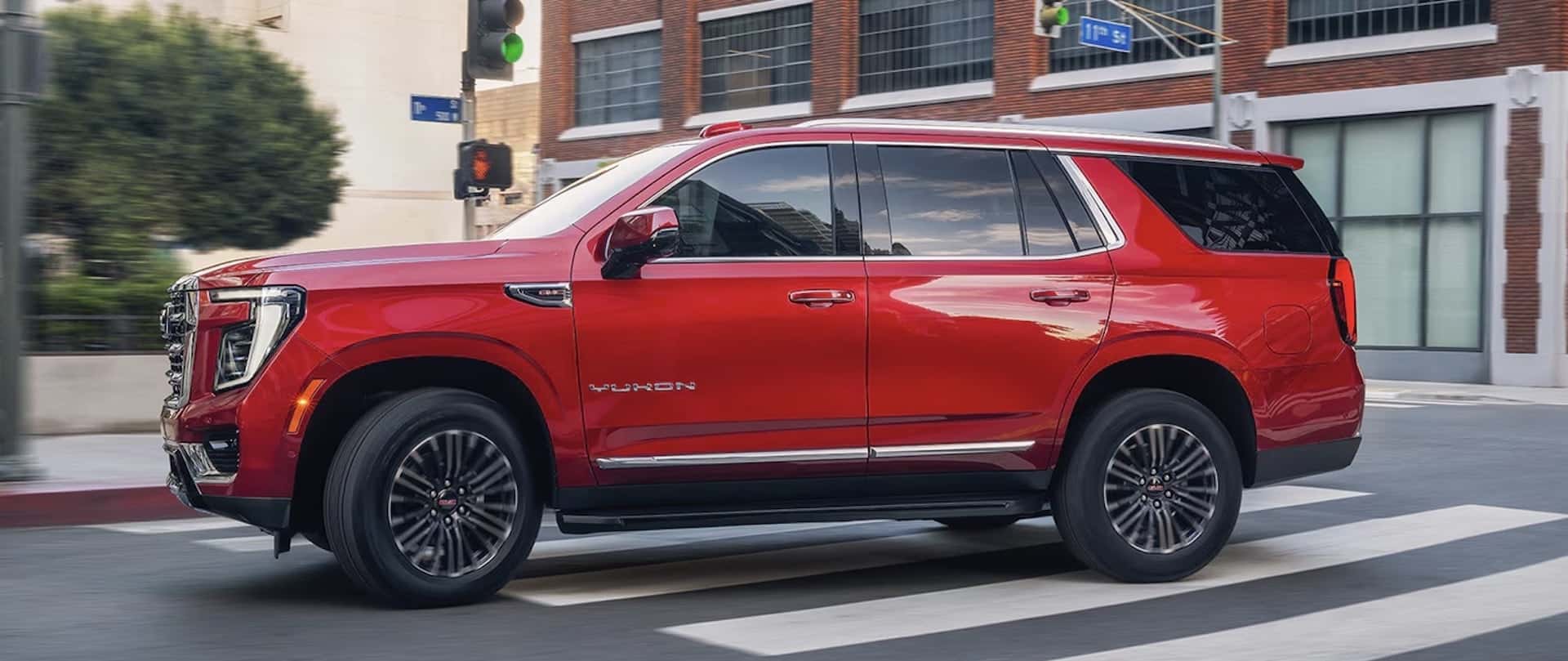
Yukon or Tahoe: Which Full-Size SUV is Right for You?
Choosing between the GMC Yukon and the Chevrolet Tahoe is a classic dilemma for buyers in the full-size SUV segment. Because both vehicles are built on the same General Motors T1 platform and share nearly identical powertrains, chassis...
Choosing between the GMC Yukon and the Chevrolet Tahoe is a classic dilemma for buyers in the full-size SUV segment. Because both vehicles are built on the same General Motors T1 platform and share nearly identical powertrains, chassis architecture, and interior dimensions, the decision rarely comes down to mechanical capability. Instead, the "better" choice depends on your preference for brand positioning, exterior styling, and the specific equipment hierarchies offered by GMC versus Chevrolet.
Contents
Shared Foundations: The Engineering Reality
Both the GMC Yukon and the Chevrolet Tahoe are massive, body-on-frame SUVs designed for towing, family transport, and long-distance comfort. Since the 2021 model year redesign, both vehicles have utilized an independent rear suspension, which significantly improves ride quality and third-row legroom compared to previous generations.
Under the hood, both brands offer a trio of engines: a 5.3-liter V8, a 6.2-liter V8, and a 3.0-liter Duramax turbo-diesel inline-six. Transmission duties are handled by a 10-speed automatic gearbox. Because the engine outputs, towing capacities, and fuel efficiency metrics are essentially identical across equivalent trims, you should not choose one over the other based on performance expectations. If you are comparing a Yukon Denali to a Tahoe High Country, you are essentially looking at two different aesthetic executions of the same underlying mechanical engineering.
Brand Positioning and Aesthetic Differences
The most significant differentiator is the target market for each brand. Chevrolet is positioned as a mass-market, value-oriented brand, whereas GMC is marketed as a "professional grade" premium brand. This influences how the two vehicles are packaged and priced.
- Chevrolet Tahoe: The design language of the Tahoe focuses on a rugged, sporty appearance. Trims like the Z71 emphasize off-road utility with red recovery hooks and specialized suspension tuning, while the RST trim leans into a street-performance look with darkened accents.
- GMC Yukon: The Yukon is styled with more chrome, bolder grille designs, and a focus on luxury. The Denali sub-brand has become synonymous with premium features, soft-touch interior materials, and advanced technology. While a fully loaded Tahoe High Country can match a Yukon Denali in features, the Yukon is built from the ground up to occupy a higher tier of market prestige.
Interior Features and Ergonomics
While the dashboard layouts and infotainment systems are similar, GMC generally offers a more refined cabin experience. In the Yukon, you will find more distinct interior color palettes and wood or metal trim options that are not always available on the Tahoe.
However, the infotainment system—a 10.2-inch diagonal center touchscreen—is shared between the two brands. Both support wireless Apple CarPlay and Android Auto, and both offer advanced camera systems, including high-definition surround vision. The primary difference is the user interface theme and the availability of specific comfort features like massaging seats or higher-end audio systems, which are more widely distributed across the Yukon trim hierarchy than in the Tahoe lineup.
Comparison Table: Key Considerations
| Feature | Chevrolet Tahoe | GMC Yukon |
|---|---|---|
| Primary Focus | Utility, Value, Ruggedness | Luxury, Professional Grade, Prestige |
| Styling | Sporty, Bold, Blacked-out trims | Chrome-heavy, Upscale, Executive |
| Off-Road Specialty | Z71 (Dedicated trim) | AT4 (Dedicated trim) |
| Flagship Trim | High Country | Denali / Denali Ultimate |
| Resale Market | Broad appeal, steady depreciation | Strong for high-end trims |
Assessing Your Requirements
To determine which vehicle suits your needs, analyze your usage patterns. If your primary goal is a family vehicle that can handle rugged camping trips, boat towing, and daily school runs without feeling "too precious," the Chevrolet Tahoe Z71 is often the better choice. It offers the same capabilities as the Yukon AT4 but often at a lower price point, allowing you to allocate funds toward functional accessories rather than aesthetic luxuries.
Conversely, if you prioritize professional appearance, maximum interior comfort for long business commutes, and a premium brand image, the GMC Yukon Denali is superior. The "Denali" badge carries significant weight in the automotive market, which can influence resale value positively, particularly in luxury-focused demographics.
Maintenance and Ownership Costs
Because these vehicles share platforms, maintenance costs are remarkably similar. You will be visiting the same service centers for oil changes, tire rotations, and general upkeep. The primary difference in ownership cost lies in the initial purchase price and insurance premiums. Generally, GMC models command a higher sticker price, which may correlate to slightly higher insurance premiums depending on your local provider’s classification of the vehicle.
It is essential to verify that your chosen trim includes the safety features you require. While both brands offer "Safety Assist" packages, specific high-tech features like Super Cruise (GM’s hands-free driver assistance technology) are more common on higher-trim Yukons than on lower-trim Tahoes. Always check the window sticker or build sheet to ensure the specific unit you are viewing has the technology suite you expect.
Frequently Asked Questions
Does the GMC Yukon have more interior space than the Chevrolet Tahoe? No. Both SUVs have nearly identical interior dimensions, including legroom and cargo capacity, because they share the same wheelbase and chassis. The Yukon XL and Tahoe Suburban versions also share identical dimensions.
Is the GMC Yukon more reliable than the Chevrolet Tahoe? Reliability is generally consistent between the two because they share the same engines, transmissions, and electrical components. Any mechanical failure experienced in a Tahoe is statistically likely to appear in a Yukon, and vice versa.
Which vehicle has better off-road capability? Both brands have dedicated off-road trims—the Tahoe Z71 and the Yukon AT4. Both include two-speed transfer cases, skid plates, and all-terrain tires. They perform identically in off-road scenarios, meaning the choice comes down to which aesthetic you prefer.
Should I choose the diesel engine for either model? The 3.0-liter Duramax diesel is an excellent choice if you frequently tow or travel long distances on highways. It offers better fuel efficiency and higher torque at low RPMs compared to the standard 5.3-liter V8.
Is it worth paying the extra price for the Denali trim? The Denali trim is worth the investment if you value premium interior materials, increased noise-cancellation features, and a more sophisticated ride. If you prefer a utilitarian, rugged aesthetic, the extra cost may not provide enough functional value for you.
Recommendation
If you are strictly focused on functionality and value, the Chevrolet Tahoe—particularly in the LT or Z71 trim—offers the best balance of utility and price. If your criteria include a high-end luxury feel, superior interior appointments, and a more exclusive brand aesthetic, the GMC Yukon Denali is the clear winner. Before making your final purchase in 2026, test drive both to experience the subtle differences in suspension tuning and seating comfort, as individual seat configurations can vary significantly by trim level.
Image Gallery