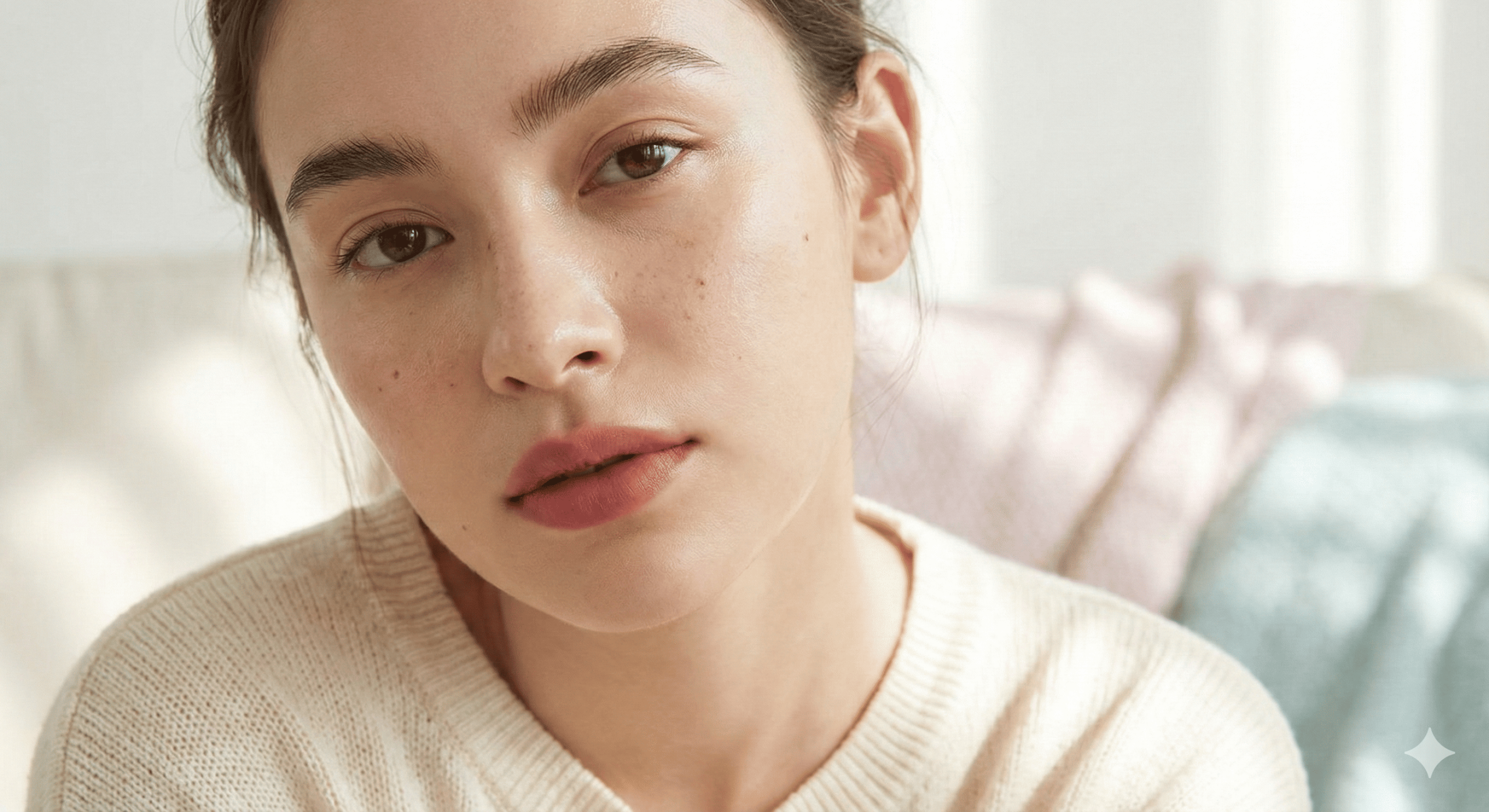
The Rise of Inspired Makeup in Modern Beauty
The rise of inspired makeup in modern beauty marks a shift toward highly personalized, aesthetic-driven artistry that draws from cinema, historical eras, and digital subcultures rather than traditional trend cycles. This evolution empo...
The rise of inspired makeup in modern beauty marks a shift toward highly personalized, aesthetic-driven artistry that draws from cinema, historical eras, and digital subcultures rather than traditional trend cycles. This evolution empowers individuals to use cosmetics as a narrative tool, transforming daily routines into acts of self-expression influenced by global visual storytelling.
Contents
The Evolution of Aesthetic-Led Makeup
Traditional beauty standards historically relied on "seasons"—spring palettes or winter trends dictated by major fashion houses and cosmetic conglomerates. In the mid-2020s, the landscape has fractured into a decentralized model where "inspired" makeup thrives. This movement is not dictated by a single gatekeeper but by the synthesis of pop culture phenomena and personal interpretation.
The transition from product-focused marketing to narrative-focused application has altered how consumers interact with their vanity tables. Users no longer simply purchase a lipstick; they purchase a component of an "era" or a "character arc." This approach prioritizes the thematic cohesion of a look over the functional requirements of standard makeup, meaning the technical focus shifts toward color theory, texture manipulation, and high-impact placement.
Core Pillars of Inspired Makeup
To understand why this shift has taken hold, one must examine the intersection of community, digital access, and historical appreciation.
Digital Curation and Community
Social media platforms remain the primary catalyst for the spread of inspired makeup. Unlike legacy media, these platforms allow for the granular categorization of aesthetics. Whether it is "Gothic Revival," "Cyber-Industrial," or "Vintage Cinematic," specific visual vocabularies are codified by users. This creates a feedback loop where creators refine these looks based on real-time feedback, elevating the technical quality of amateur application to near-professional standards.
The Influence of Media and Cinema
The rise of high-production streaming series and immersive cinema has a direct impact on the beauty market. When a character's makeup becomes a distinct element of their identity, viewers seek to replicate that narrative through their own physical appearance. This is not mere imitation; it is a collaborative process where the user adapts professional editorial designs to suit their unique facial features and daily constraints.
Historical Reinterpretation
Modern beauty consumers are increasingly mining the 1920s, the 1970s, and the 1990s, not to replicate a decade exactly, but to extract specific motifs—a graphic liner shape, a particular finish of skin, or a bold lip saturation. By decontextualizing these historical elements, makeup enthusiasts create "inspired" looks that feel both nostalgic and contemporary.
Technical Prerequisites for Narrative Application
Achieving a specific "inspired" look requires more than just color matching. It requires a shift in how one approaches product utility.
- Surface Preparation: Because many inspired looks lean toward experimental textures—such as high-gloss lids or matte, blurred-edge lips—skin prep is critical. Using the wrong primer can cause pigments to separate when layering for theatrical or editorial intensity.
- Color Theory as Strategy: When copying a look from a specific visual medium, one must account for the original's lighting conditions. A look designed for a dark film set will translate differently in natural sunlight. Adjusting saturation and undertones is the difference between a "costume" look and a "modern beauty" look.
- Tool Versatility: High-precision application often requires tools outside the standard kit. Fine-tip silicone brushes, precision sponges, and even non-traditional applicators are often necessary to achieve the graphic, clean lines associated with modern creative makeup.
Comparative Analysis: Traditional vs. Inspired Makeup
| Feature | Traditional Beauty | Inspired Makeup |
|---|---|---|
| Driver | Seasonal Fashion Trends | Narrative or Aesthetic Themes |
| Primary Goal | Enhancement & Correction | Expression & Transformation |
| Application Style | Blended & Soft Focus | Graphic, Texture-Heavy, or Stylized |
| Product Utility | Long-wear & Versatility | High-impact & Thematic Precision |
| Longevity | Multi-year Trend | Situational or Performance-based |
Practical Challenges and Troubleshooting
While inspired makeup offers creative freedom, it introduces specific challenges that beginners often encounter.
Managing Longevity Many highly pigmented or multi-textured inspired looks are designed for editorial photography rather than 12-hour wear. To make these looks functional for daily life, focus on setting agents. Using translucent setting sprays or locking powders specifically formulated for long-wear can bridge the gap between creative artistry and practical wearability.
Avoiding Product Clutter The temptation to buy every shade to achieve a specific look can lead to an unsustainable collection. Expert practice involves "shade-mixing." By learning to create custom tones using a basic palette of primaries—red, blue, yellow, black, and white—one can replicate almost any "inspired" aesthetic without over-purchasing specialized inventory.
Frequently Asked Questions
What is the difference between "inspired" makeup and "costume" makeup? Inspired makeup integrates elements of a character or era into a look that remains wearable in a modern, everyday context. Costume makeup is intended for specific performances or theatrical events and typically prioritizes high-contrast visibility over skin-like finish or long-term comfort.
Do I need expensive professional products to achieve these looks? No. Many professional looks are achieved through layering and technique. The effectiveness of a look depends more on the blending technique and the quality of the base prep than the price point of the pigment. High-end products often offer easier blendability, but drugstore professional lines have reached a level of parity in the 2026 market that makes sophisticated artistry accessible to all.
How do I choose an inspiration point that suits my style? Look for commonalities in your existing wardrobe and routine. If you prefer minimal clothing, look for "inspired" makeup that focuses on skin texture or single-color graphic elements. If your style is maximalist, look for historical or film-based references that involve complex layering or color blocking.
Is it safe to use non-cosmetic products for theatrical inspired looks? Generally, no. Never use acrylic paints, permanent markers, or craft glues on the face, even if tutorials suggest them. Always use products labeled as "cosmetic grade" or "eye-safe" to prevent allergic reactions, chemical burns, or long-term skin damage.
Moving Forward with Your Aesthetic
To begin your journey into inspired makeup, select one visual reference that resonates with your personal style. Break the look down into its foundational components: the skin finish, the eye shape, and the lip color. Practice these elements in isolation before attempting to combine them. By mastering the individual techniques, you gain the ability to synthesize your own unique style, ensuring your makeup remains a true reflection of your current aesthetic narrative.
Image Gallery