Comparing Life Insurance Options: Rates, Policy Types, and Brokerage Solutions
Comparing life insurance requires evaluating policy structures, premium costs, financial strength ratings, and underwriting guidelines. Utilizing independent brokerage distribution channels—such as Highland Capital Brokerage—or working...
Comparing life insurance requires evaluating policy structures, premium costs, financial strength ratings, and underwriting guidelines. Utilizing independent brokerage distribution channels—such as Highland Capital Brokerage—or working with licensed independent advisors allows individuals to compare policies across multiple top-tier carriers to secure appropriate coverage tailored to their financial goals.
Contents
Disclaimer: Life insurance regulations, policy availability, and underwriting guidelines vary by state and jurisdiction. This guide is for educational purposes only. Consumers should consult a licensed financial advisor or insurance professional to evaluate individual needs.
Understanding Life Insurance Options and Distribution Channels
Selecting the right life insurance policy involves more than finding the lowest monthly premium. It requires matching the policy's structural capabilities with specific financial objectives, such as income replacement, debt payoff, business succession, or estate planning.
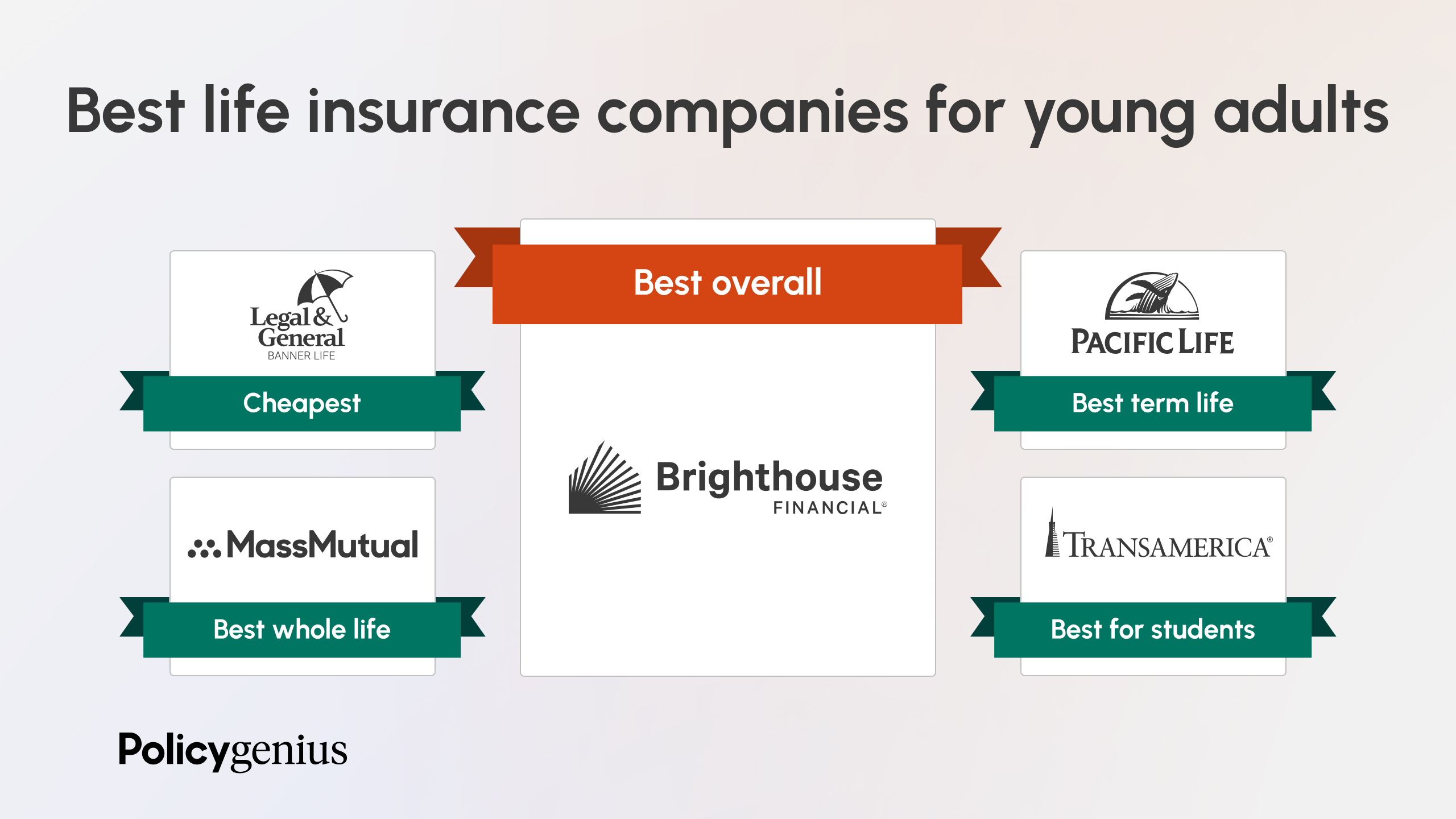
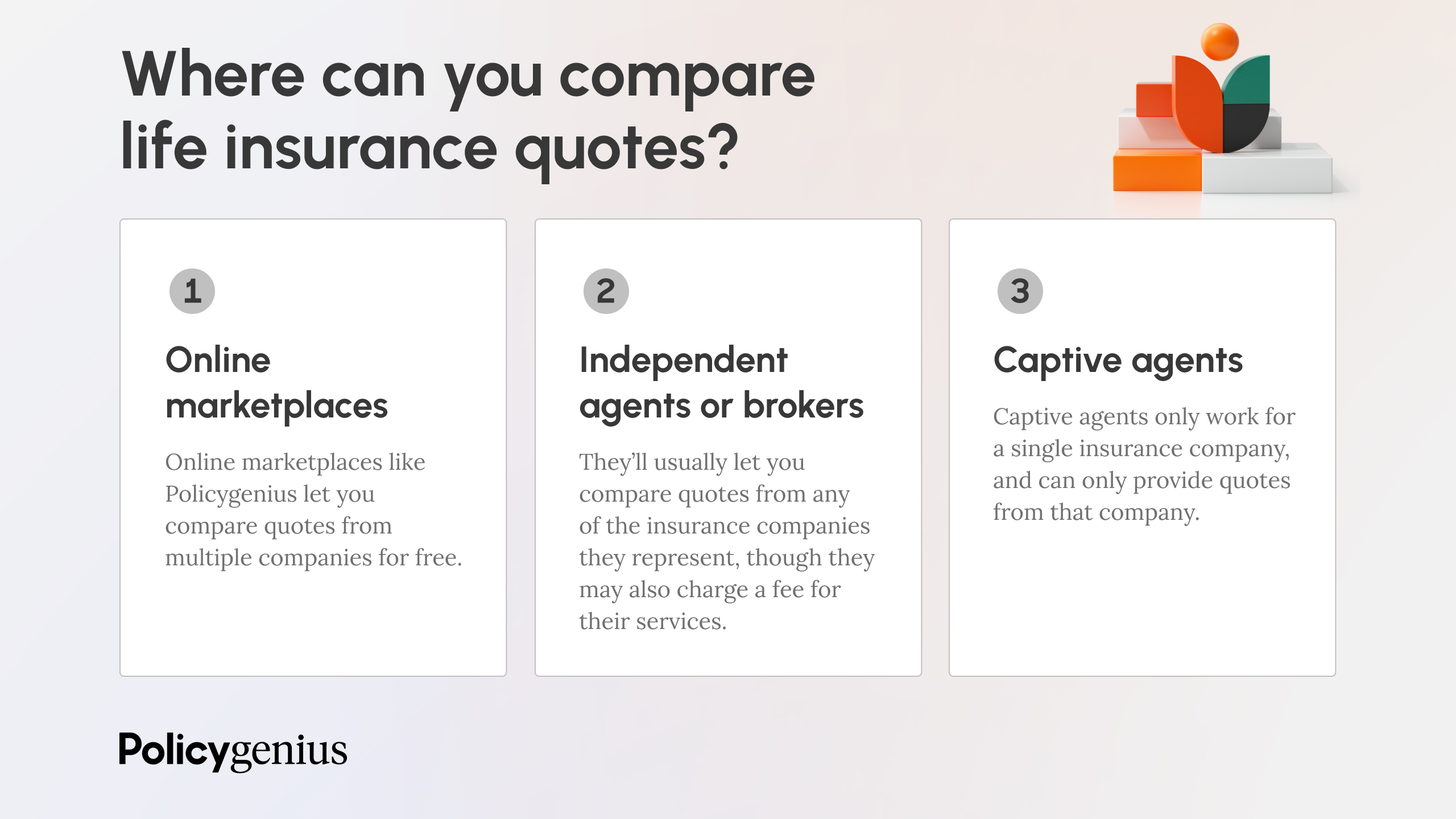
When searching for coverage options, buyers typically encounter two main avenues: captive agents representing a single insurance company, and independent brokerage general agencies (BGAs) such as Highland Capital Brokerage. Independent brokerages act as intermediaries between financial advisors, independent insurance agents, and dozens of underlying insurance carriers. By aggregating products from multiple insurers—including industry leaders like Lincoln Financial, Pacific Life, Prudential, and John Hancock—independent brokerages enable agents to compare quotes, health underwriting standards, and policy riders side by side.
Primary Categories of Life Insurance
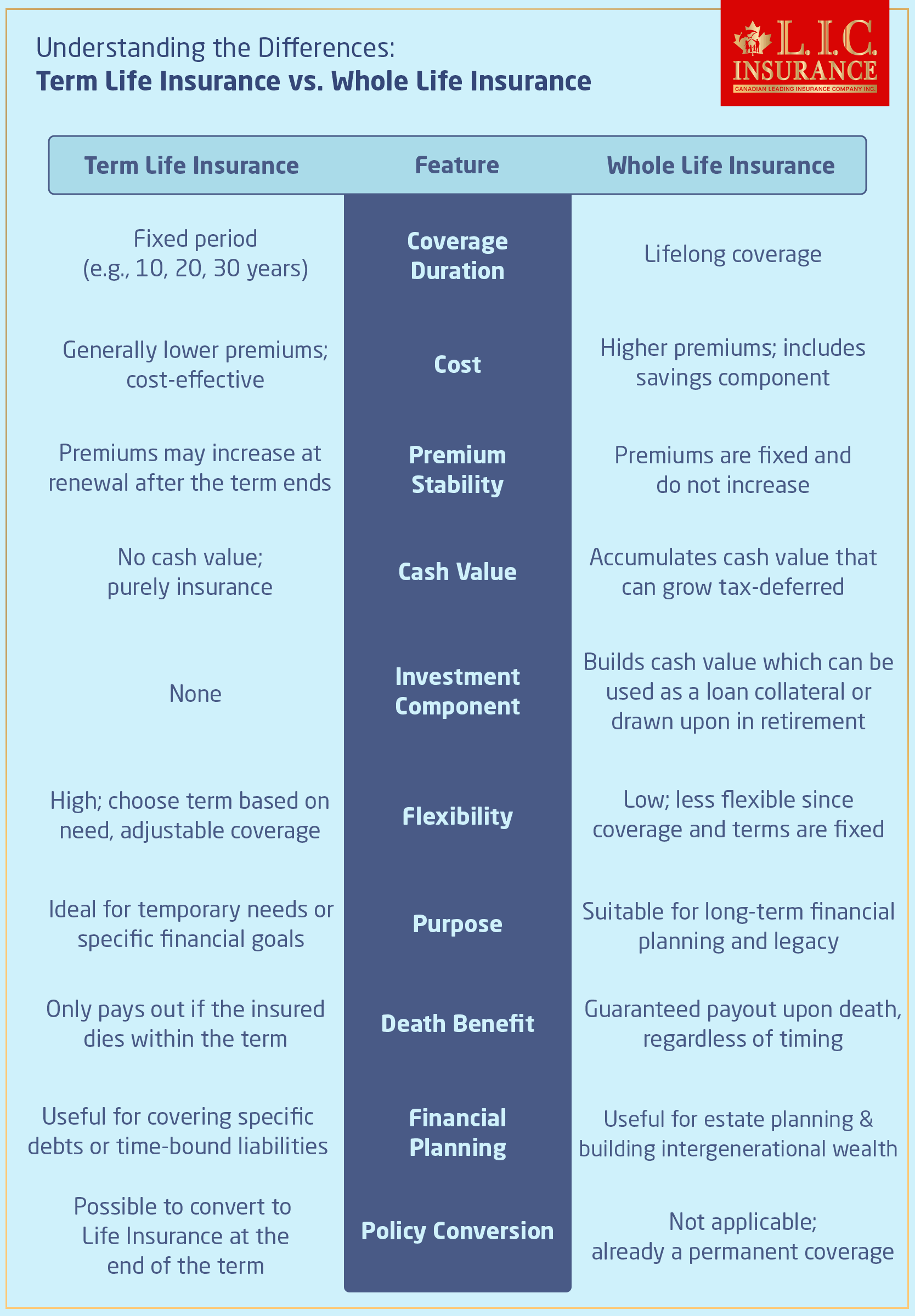
Life insurance policies fall into two main categories: term life insurance and permanent life insurance. Understanding the functional differences between these products is essential before requesting quotes.
- Term Life Insurance: Provides death benefit protection for a specified period, typically ranging from 10 to 30 years. If the insured passes away during the term, the policy pays the death benefit to designated beneficiaries tax-free under Internal Revenue Code Section 101(a). If the insured outlives the term, coverage expires without cash accumulation unless extended or converted.
- Permanent Life Insurance: Combines lifetime death benefit coverage with an internal cash value accumulation element. A portion of each premium payment funds the policy's cash value, which grows on a tax-deferred basis under current tax regulations.
Key Factors Influencing Life Insurance Rates
Insurance carriers utilize actuarial science to calculate risk and determine premium rates. While basic metrics such as age and gender set the baseline rate, several additional variables determine an applicant's final rate class.
Underwriting Risk Classes
Underwriters place applicants into distinct risk categories based on medical exams, historical medical records, laboratory results, prescription history, and lifestyle risk factors:
- Preferred Plus / Super Preferred: Exceptional health, non-smoker, clean family medical history, optimal body mass index (BMI), and excellent blood pressure and cholesterol levels. Offers the lowest available premiums.
- Preferred: Excellent health, non-smoker, minor medical history or family history of common conditions, healthy BMI and lab metrics.
- Standard Plus: Above-average health, but minor elevations in blood pressure, cholesterol, or weight profile.
- Standard: Average life expectancy profile. May include controlled mild medical conditions, slightly elevated BMI, or minor health risks.
- Substandard / Table Ratings: Assigned to applicants with moderate to high-risk medical conditions (e.g., historical cancer diagnoses, diabetes, cardiovascular conditions). Premiums increase by a percentage (typically 25% per "table" letter or number) above the Standard rate.
Lifestyle and Occupational Variables
Beyond clinical medical data, underwriters analyze behavioral and environmental risks:
- Tobacco and Nicotine Use: Cigarette smokers, e-cigarette users, cigar smokers, and chewing tobacco users generally pay two to four times more than non-tobacco applicants.
- Avocation and Hobbies: Hazardous activities such as private aviation, scuba diving beyond recreational depths, mountain climbing, or motor racing often result in flat extra charges per $1,000 of coverage or specific policy exclusions.
- Driving Record: Multiple moving violations, major infractions, or driving under the influence (DUI) convictions within the preceding three to five years lead to higher rate classifications or temporary deferrals.
Step-by-Step Guide to Comparing Life Insurance Policies
Comparing policies effectively requires an organized approach to ensure adequate coverage without overpaying for unnecessary features.
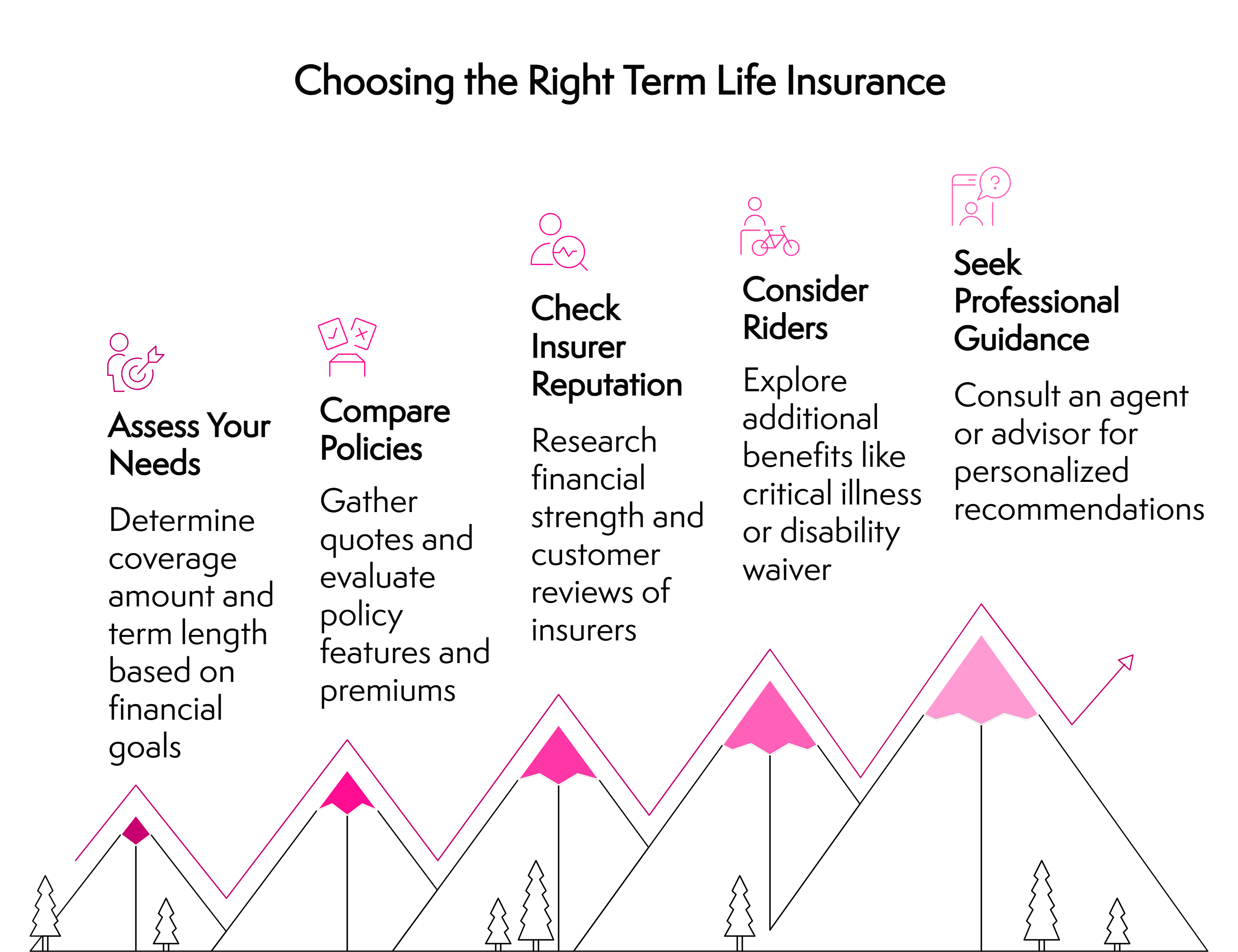
Life Insurance Selection Process:
- Calculate Coverage Need: Use the DIME Method (Debt, Income, Mortgage, Ed)
- Select Policy Structure: Determine Term vs. Permanent (IUL/GUL/Whole)
- Run Multi-Carrier Quotes: Compare Pricing Across Top-Rated Insurers
- Assess Carrier Ratings: Verify A.M. Best, S&P, and Comdex Scores
- Evaluate Policy Riders: Review Living Benefits and Conversion Terms
Step 1: Calculate Total Coverage Requirements
A common mistake when buying life insurance is relying on arbitrary benefit numbers. The DIME method provides a standardized framework for calculating total financial exposure:
$$\text{Total Need} = \text{Debt} + \text{Income Replacement} + \text{Mortgage Balance} + \text{Education Expenses}$$
- Debt: Sum of all outstanding short-term debts, personal loans, credit card balances, and auto loans.
- Income Replacement: Multiply annual income by the number of years required to support dependents (commonly 10 to 20 years), adjusted for anticipated inflation.
- Mortgage Balance: Total remaining principal on primary and secondary residential mortgages.
- Education Expenses: Estimated future costs of higher education for children or dependent family members.
Step 2: Determine Policy Duration and Type
Match the policy structure to the nature of the obligation. Temporary liabilities (e.g., a 20-year mortgage or raising young children) align with 20-year or 30-year term insurance. Permanent liabilities (e.g., estate taxes, special needs trust funding, executive compensation plans, or legacy wealth transfer) require permanent solutions such as Whole Life, Guaranteed Universal Life (GUL), or Indexed Universal Life (IUL).
Step 3: Compare Carrier Financial Strength Ratings
A contract is only as solid as the carrier issuing it. When comparing insurance providers, check independent financial ratings from major rating agencies:
- A.M. Best: Focuses exclusively on the insurance sector. Look for ratings of A (Excellent), A+ (Superior), or A++ (Superior).
- Standard & Poor's (S&P): Measures claims-paying ability. Target ratings of A+ to AAA.
- Moody's: Evaluates creditworthiness and financial strength. Target ratings of A1 to Aaa.
- Comdex Score: A composite index that converts a company's ratings across all major agencies into a single percentile score from 1 to 100. Aim for a Comdex score of 80 or higher.
Step 4: Examine Conversion Privileges and Riders
For term insurance products, verify the term conversion privilege. This contractual provision permits the policyholder to convert a term policy into a permanent policy without submitting updated medical evidence or undergoing a physical exam. Pay attention to:
- Conversion Window: Some policies allow conversion during the full term, while others restrict conversion to the first 10 or 15 years, or up to age 65.
- Available Products: Confirm whether the carrier allows conversion into its full suite of competitive permanent products or restricts conversion to a single, high-cost permanent policy.
Comparison of Primary Life Insurance Types
The table below outlines key features across the primary policy categories available through independent distributors like Highland.
| Policy Type | Coverage Duration | Premium Structure | Cash Value Component | Primary Use Case | Risk Level |
|---|---|---|---|---|---|
| Term Life | Fixed (10–30 years) | Guaranteed level for chosen term | None | Income replacement, mortgage protection, temporary debt | Low |
| Whole Life | Lifetime | Fixed level premium | Guaranteed cash value growth based on schedule | Final expense, lifetime wealth transfer, conservative savings | Low |
| Guaranteed Universal Life (GUL) | Specified age (e.g., age 90–121) | Fixed level premium | Minimal to zero cash accumulation | Cost-effective lifetime death benefit protection | Low |
| Indexed Universal Life (IUL) | Lifetime | Flexible premiums within set limits | Tied to equity market index performance (S&P 500) with downside floor | Tax-deferred cash growth, supplemental retirement income | Moderate |
| Variable Universal Life (VUL) | Lifetime | Flexible premiums within set limits | Direct investment in sub-accounts (stocks, bonds, mutual funds) | Aggressive cash accumulation for sophisticated investors | High |
How Independent Brokerages Streamline Underwriting
Independent brokerage distribution platforms perform specialized functions that benefit both financial advisors and end-consumers during policy selection:
Impaired Risk Underwriting
Applicants with complex medical histories (such as heart conditions, prior cancer treatments, or metabolic disorders) often receive wildly divergent underwriting offers from different carriers. One insurance carrier might issue a Standard rate, while another rates the same applicant at Table D (a 100% premium surcharge) due to differing risk tolerance matrices.
Brokerage platforms maintain direct relationships with chief underwriters across multiple insurance companies. They utilize preliminary, anonymized medical inquiries to shop an applicant's medical file before submitting a formal application. This process identifies the most favorable carrier before generating a hard credit inquiry or official medical record entry.
Accelerated Underwriting Algorithms
Modern life insurance applications frequently leverage Accelerated Underwriting (AUW) engines. By accessing automated databases—including prescription history databases (Milliman IXR, ScriptCheck), motor vehicle records (MVR), credit-based insurance scores, and public records—insurers can approve qualified applicants for up to $3 million to $5 million in coverage without requiring a paramedical exam, blood draw, or urine sample.
Independent comparative tools quickly identify which carriers offer accelerated processing for specific age and coverage bands, speeding up policy issuance from months to days.
Essential Policy Riders to Evaluate
Riders are optional contract provisions added to a base life insurance policy to tailor coverage to specific requirements.
Common Life Insurance Riders:
- Living Benefits: Accelerates DB for Illness
- Premium Waiver: Waives cost during Total Disability
- Insurability Option: Option to add Future Coverage
- Accelerated Death Benefit Rider: Allows the policyholder to access a portion of the death benefit early if diagnosed with a terminal illness (typically a life expectancy of 12 to 24 months or less).
- Chronic and Critical Illness Riders: Extends living benefit coverage, allowing access to death benefit funds if the insured is diagnosed with major illnesses (e.g., stroke, heart attack, invasive cancer) or cannot perform two of the six Activities of Daily Living (ADLs).
- Waiver of Premium Rider: Waives ongoing premium obligations if the insured becomes totally and permanently disabled according to policy terms.
- Guaranteed Insurability Rider: Enables the policyholder to purchase additional coverage at specified future dates or major life events (e.g., marriage, birth of a child) without undergoing additional medical underwriting.
Common Pitfalls When Comparing Life Insurance
Avoiding common structural mistakes preserves long-term financial security and prevents policy lapses:
- Focusing Exclusively on Initial Premium Cost: Choosing an insurer solely because its quote is $2 less per month can lead to issues if the company holds inferior financial strength ratings or offers restrictive term conversion terms.
- Ignoring Non-Guaranteed Elements in Permanent Illustrations: Permanent policy proposals (specifically IUL and VUL products) feature hypothetical performance illustrations. Relying solely on optimistic non-guaranteed projection rates (e.g., 6.5% or 7% annual returns) can cause policies to underperform, requiring unexpected out-of-pocket premium injections to prevent policy lapse.
- Underestimating Inflation Impact: A $500,000 policy purchased today will hold significantly less purchasing power 25 years from now. Factoring a 2% to 3% annual inflation adjustment into initial calculations helps prevent underinsurance over time.
- Failing to Coordinate Beneficiary Designations: Naming primary and contingent beneficiaries incorrectly can create legal complications. For example, naming minor children directly as beneficiaries can force courts to appoint a legal guardian to hold funds until maturity, whereas designating a properly structured trust provides legal control and protection.
Frequently Asked Questions
How does an independent life insurance brokerage like Highland differ from a direct insurer?
An independent brokerage general agency acts as a wholesale distributor, connecting independent financial advisors and agents to dozens of underlying life insurance carriers. Direct insurers (captive companies) only sell their own proprietary policy line. Using an independent channel allows advisors to compare rates, underwriting guidelines, and product features across multiple competing carriers simultaneously.
What is the difference between term life and permanent life insurance?
Term life insurance provides death benefit protection for a limited time frame (e.g., 10, 20, or 30 years) with level premiums and no internal cash accumulation. Permanent life insurance provides lifetime coverage as long as premiums are paid, and includes an internal cash value component that grows on a tax-deferred basis.
How do medical exams affect life insurance quotes?
Fully underwritten policies that include a free paramedical exam (blood sample, urine sample, blood pressure check, physical metrics) generally offer the lowest available pricing because the insurer gains precise medical data. Accelerated underwriting policies may waive the exam for qualifying individuals based on algorithm data, but unexamined direct-issue policies without algorithmic background checks often carry higher rates to offset the risk of unverified medical conditions.
What financial rating scores should I look for when comparing insurance carriers?
Focus on carriers with an A.M. Best rating of A or higher, S&P ratings of A+ or higher, and a composite Comdex score of 80 or above. These independent scores confirm that the insurer maintains strong capital reserves and liquidity to honor long-term claim liabilities.
Can I convert a term life policy to a permanent policy later?
Most quality term life insurance policies include a built-in term conversion privilege. This feature allows policyholders to convert all or part of their term policy into a permanent policy offered by the same carrier without submitting updated medical records or undergoing physical exams, regardless of changes in their personal health history.
Recommended Next Steps
To build a secure, cost-effective life insurance portfolio, complete the following actions:
- Conduct a DIME Audit: Calculate your exact financial obligations by totaling outstanding personal debts, remaining mortgage balances, projected higher education expenses, and income replacement needs.
- Gather Official Underwriting Records: Request your medical records, review recent blood panels, and check your motor vehicle report to anticipate potential underwriting flags.
- Engage an Independent Advisor: Work with a licensed financial professional who utilizes multi-carrier brokerage platforms. Request side-by-side policy comparisons from at least three carrier groups with Comdex scores above 80.
- Review Policy Provisions: Prioritize contracts that offer robust conversion privileges, strong carrier financial ratings, and essential living benefit riders to protect against chronic or critical health conditions.
Image Gallery