Understanding the Net Worth and Economic Impact of Swoon
Estimating the net worth of Caledonia Dance Curry, known professionally as Swoon, involves analyzing her transition from an underground street artist to a globally recognized figure in the fine art world. While no public financial reco...
Estimating the net worth of Caledonia Dance Curry, known professionally as Swoon, involves analyzing her transition from an underground street artist to a globally recognized figure in the fine art world. While no public financial record discloses her exact net worth, her wealth is derived from high-value gallery sales, public art commissions, and limited-edition print releases that have appreciated significantly over the last two decades.
Contents
The Evolution of Swoon’s Artistic Career
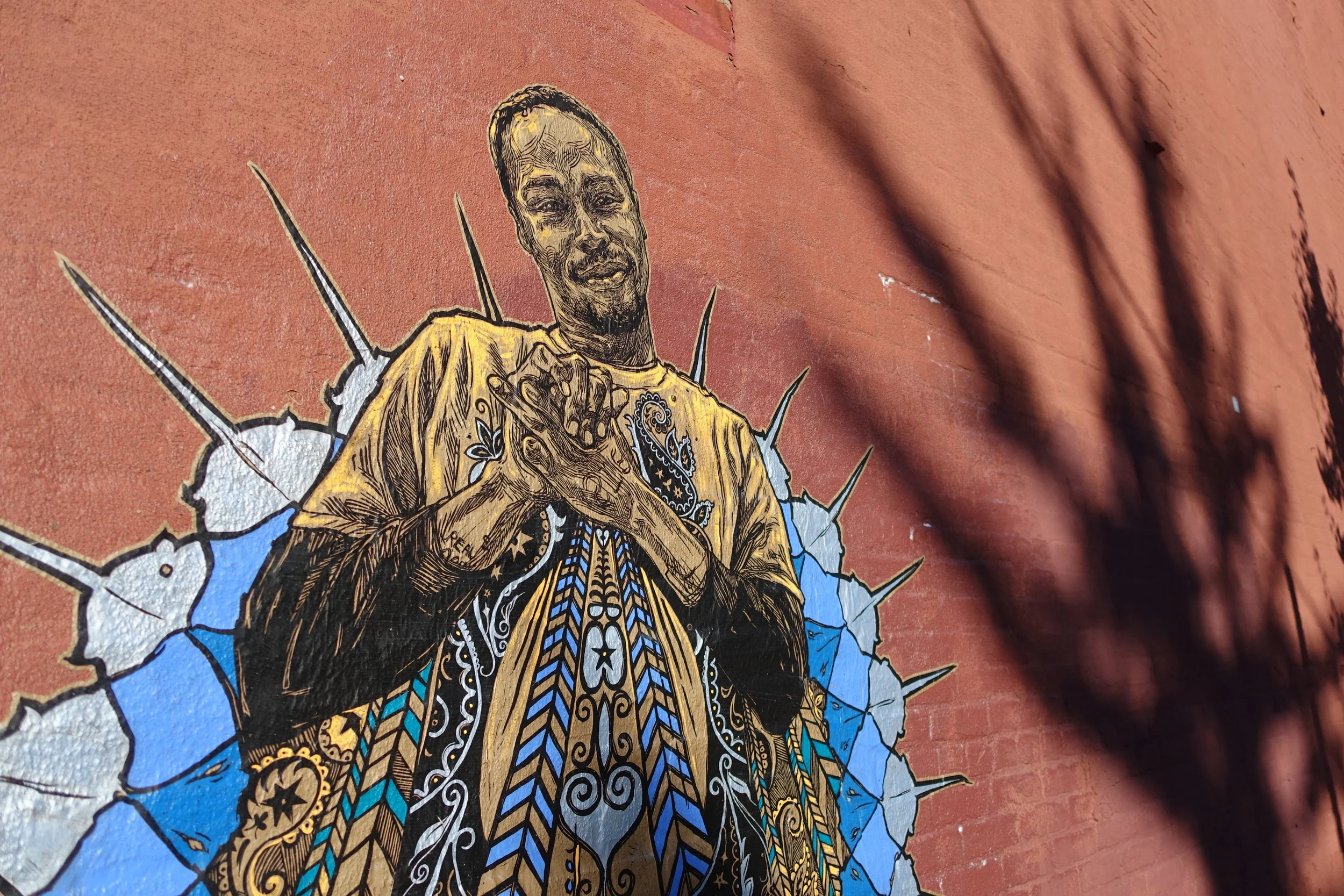
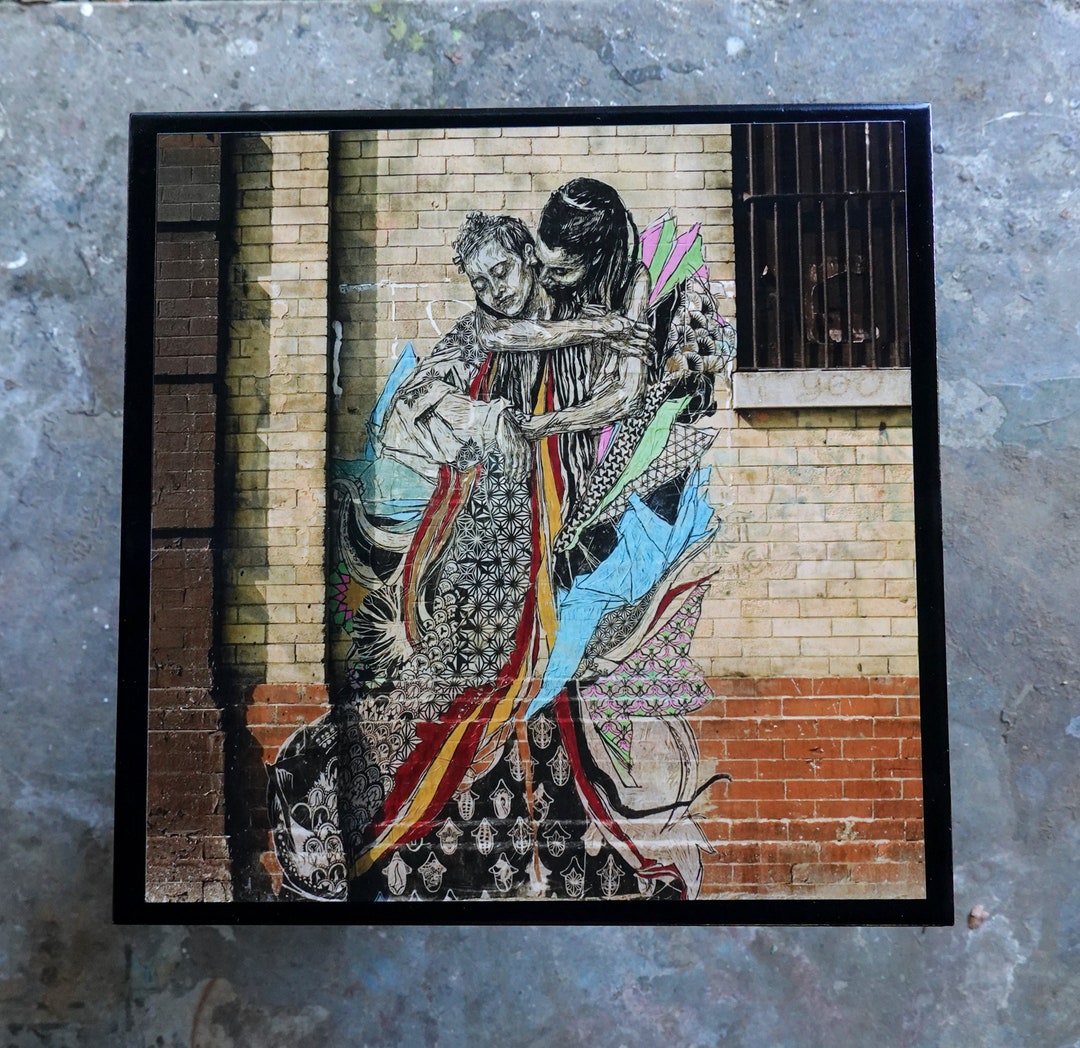
Caledonia Dance Curry, operating under the moniker Swoon, rose to prominence in the early 2000s within the Brooklyn street art scene. Unlike many of her contemporaries who focused on graffiti or spray-paint murals, Swoon distinguished herself through intricate, life-sized wheatpaste portraits cut from linoleum blocks and paper. Her work often addresses social issues, human connection, and the intersection of public space and fine art.
The progression of her career from illicit public interventions to institutional recognition represents a common trajectory for successful contemporary artists. By transitioning into formal gallery representation, she gained access to a secondary market where her prints and original works move through reputable auction houses. As of 2026, her market presence is stable, supported by long-term collectors who track her catalog of editions, which often serve as an entry point for mid-market art investors.
Factors Influencing Artist Valuation
Determining the financial standing of a visual artist requires understanding the mechanisms of the contemporary art market. An artist’s "net worth" in this context is not a liquid cash balance but an accumulation of assets, including unsold inventory, intellectual property rights, and historical sales performance at auction.
Several factors dictate the market value of Swoon’s work:
- Historical Significance: As a pioneer of the street art movement that gained legitimacy during the early 21st century, her pieces carry "pedigree" value. Collectors pay a premium for works that represent pivotal moments in urban art history.
- Medium Complexity: The labor-intensive nature of her linoleum block printing and hand-painted paper cutouts limits the total volume of work she can produce, inherently driving up demand and price through scarcity.
- Institutional Presence: Inclusion in the permanent collections of institutions such as the Museum of Modern Art (MoMA) and the Brooklyn Museum establishes an artist’s value floor. Acquisitions by such institutions act as a public validation of the artist’s legacy, which directly impacts the valuation of her private market work.
- Market Velocity: The frequency and price points at which her works move through secondary markets, such as Christie’s, Sotheby’s, or specialized urban contemporary auction houses, provide the data points used by appraisers to estimate her total market capitalization.
The Role of Editions and Reproductions
A significant portion of a contemporary artist’s revenue often stems from limited-edition prints. These are not merely mass-produced posters but signed, numbered, and high-quality artistic productions that allow artists to reach a wider segment of the market. For Swoon, these editions provide steady income streams that complement the volatile, high-stakes nature of selling "unique" original works to high-net-worth collectors.
When evaluating the economic footprint of an artist like Swoon, one must look at the "drop" culture—a common practice in modern art where new editions are released directly to a waiting list of collectors. The secondary market value of these editions often skyrockets immediately following their release, which enhances the artist's brand equity and allows them to adjust pricing for future primary market sales.
Comparative Analysis of Market Positions
The following table illustrates how different segments of the art market affect an artist's financial profile. While exact dollar figures for Swoon remain private, this matrix demonstrates where her value is generated.
| Market Segment | Asset Type | Financial Impact |
|---|---|---|
| Primary Market | Original Gallery Sales | High; establishes initial price benchmarks. |
| Secondary Market | Auction House Results | High; proves long-term investment viability. |
| Print Market | Limited Editions | Moderate/Steady; provides consistent cash flow. |
| Commissioned Work | Public Installations/Museums | High; builds brand equity and institutional prestige. |
| Intellectual Property | Licensing/Collaborations | Variable; long-term residual potential. |
Risks and Financial Volatility
It is important to note that an artist's net worth is inherently tied to the health of the broader luxury and contemporary art market. Unlike traditional financial instruments, art is an illiquid asset. An artist might hold millions of dollars in inventory, but that value is only realized when a buyer acquires the work at a specific price point.
Economic downturns, shifts in aesthetic trends, and the aging of an artist’s collector base can all cause fluctuations in perceived value. For an established artist like Swoon, the risk is mitigated by her historical significance; she has moved past the "emerging artist" phase where market viability is uncertain. However, her wealth remains tied to the ongoing interest in the specific aesthetic and social narrative she has cultivated over twenty years.
Frequently Asked Questions
Does Swoon still create street art? While her work has transitioned into museums and galleries, Swoon continues to engage in public-facing projects. She often balances institutional work with community-based, non-profit, and public installations, which focus on social outreach rather than traditional revenue generation.
How is the value of a Swoon print determined? The value is determined by the edition size, the age of the print, the complexity of the imagery, and recent historical sales of similar works at auction. Collectors often verify the authenticity of prints through COAs (Certificates of Authenticity) provided by the artist’s studio or recognized galleries.
Where can one track the market performance of her work? Market performance can be tracked through art databases like Artnet, Artprice, or Artsy. These platforms aggregate auction results and gallery listings, providing a snapshot of how specific artists are performing in the global art economy.
Is investing in art like Swoon’s a reliable financial strategy? Art investment is considered a high-risk, speculative asset class. While works by established artists like Swoon have historically appreciated, there are no guarantees of returns. It is often recommended that one treats art as a long-term passion investment rather than a primary financial retirement strategy.
How does her non-profit work affect her net worth? Her involvement with projects like the Heliotrope Foundation, which focuses on community revitalization through art, often serves as a philanthropic effort. While it may not increase her personal net worth in a traditional sense, it significantly enhances her artistic legacy and public standing, which can indirectly sustain her market value by keeping her name relevant and respected in the global discourse.
Next Actions for Collectors and Researchers
For those interested in the financial or artistic appraisal of Swoon’s work, the most effective path is to monitor her official studio announcements and established gallery representation. If you are considering purchasing work for investment, ensure you are buying from reputable sources that provide documented provenance. If you are conducting academic research, prioritize the archives of the museums that have featured her work, as they provide the most reliable records of her career trajectory and public influence.
Image Gallery