Understanding the Haiti Tattoo: Cultural Significance and Practical Considerations
The "Haiti tattoo" refers to a genre of body art that incorporates traditional Haitian imagery, including Vodou Veve symbols, maps of the island, the national flag, or iconic cultural motifs representing Haitian heritage. As of 2026, t...
The "Haiti tattoo" refers to a genre of body art that incorporates traditional Haitian imagery, including Vodou Veve symbols, maps of the island, the national flag, or iconic cultural motifs representing Haitian heritage. As of 2026, this style serves as a significant visual medium for the Haitian diaspora to express cultural pride, honor their roots, and maintain a tangible connection to their ancestral homeland.
Contents
The Evolution of Haitian Body Art
Tattoo culture in Haiti has moved from a marginalized practice to a widely accepted form of contemporary expression. Historically, the presence of tattoos in Caribbean culture was often associated with specific maritime or criminal subcultures. However, in the early 21st century, there has been a resurgence of interest in reclaiming indigenous and African-derived iconography.
For many within the diaspora, the decision to receive a "Haiti tattoo" is a deliberate act of identity curation. It is not merely a stylistic choice but a symbolic reclamation of history. By etching symbols of the Haitian Revolution, the coat of arms, or traditional folklore figures onto their skin, individuals communicate their resilience and their ties to the first free Black republic in the Americas.
Common Imagery and Symbolic Meaning
When commissioning a tattoo related to Haiti, the iconography chosen usually falls into several distinct categories. Understanding the weight of these symbols is essential for ensuring that the tattoo is executed with cultural sensitivity and accuracy.
- Veve Symbols: These are intricate geometric designs representing specific spirits (Lwa) in the Vodou tradition. Each Veve is unique to a specific entity; for example, the Veve for Papa Legba, the guardian of the crossroads, is frequently used to symbolize wisdom and transition.
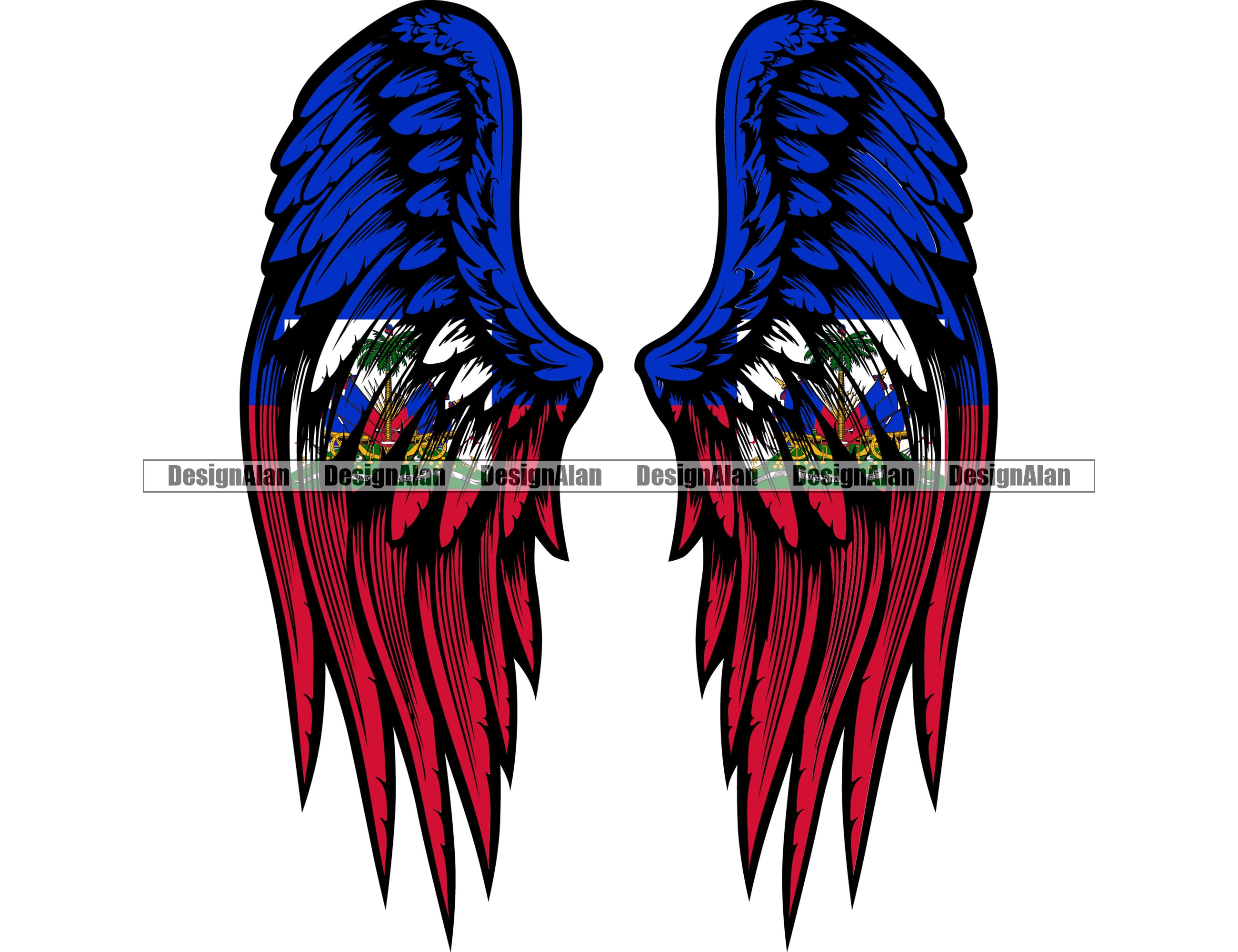
- The Haitian Flag: The horizontal bicolor of blue and red is a staple. In 2026, artists often blend the flag’s colors with realistic portraiture or landscapes, moving beyond simple flag recreations into complex illustrative work.
- National Flora and Fauna: The Hibiscus (the national flower) and the Hispaniolan Trogon (the national bird) serve as organic, artistic representations of the country’s natural beauty and biodiversity.
- Revolutionary Icons: Symbols referencing the 1804 independence—such as the broken chains or the laurel branches found on the national emblem—are frequently requested as tributes to the legacy of Toussaint Louverture and Jean-Jacques Dessalines.
Technical and Safety Considerations for Potential Clients
Before finalizing a decision to get a tattoo, especially one that incorporates complex cultural or religious symbols, it is vital to approach the process with a focus on hygiene and professional expertise. In 2026, the tattoo industry remains strictly regulated in many jurisdictions; however, the burden of verification lies with the client.
| Consideration | Requirement | Why It Matters |
|---|---|---|
| Artist Specialization | Portfolio review | Ensures the artist can handle fine-line work or cultural symbolism accurately. |
| Sterilization | Hospital-grade protocols | Prevents bloodborne pathogen transmission (e.g., HIV, Hepatitis). |
| Ink Quality | FDA-compliant pigments | Reduces the risk of allergic reactions or chronic inflammation. |
| Aftercare | Dermal maintenance | Ensures the long-term clarity of the tattoo and prevents infection. |
When selecting an artist, verify that they are licensed and that their studio meets local health department standards. If you are choosing a religious symbol, such as a Veve, discuss with the artist the importance of geometric precision. A poorly rendered symbol may inadvertently change the intended meaning or appear disrespectful to practitioners of the faith.
Cultural Appropriation vs. Appreciation
A common question for those outside the Haitian diaspora is whether it is appropriate to receive a "Haiti tattoo." Cultural appreciation involves respect, education, and an understanding of the history behind the symbol. Appropriation, conversely, involves adopting symbols without understanding their depth or context.
If you are not of Haitian descent, it is advisable to engage in a conversation with the artist about why you are interested in the piece. Many tattooists specializing in cultural motifs appreciate clients who can articulate a connection to the culture, whether through friendship, historical research, or personal solidarity. Always prioritize artists who are members of the community they represent to ensure the integrity of the design.
Maintaining Your Tattoo: A 2026 Perspective
With advancements in laser technology and tattoo ink composition as of 2026, the maintenance of detailed cultural tattoos has become more straightforward, though the basic tenets of care remain unchanged.
- Immediate Care: Keep the area covered for the duration recommended by your artist (typically 2–4 hours). Wash with fragrance-free, antimicrobial soap and lukewarm water.
- Hydration and Protection: Apply a thin layer of specialized tattoo ointment or unscented moisturizer. Over-application can trap bacteria, so less is often more.
- UV Exposure: The sun is the primary enemy of tattoo longevity. In 2026, high-SPF sunscreens formulated for sensitive skin are recommended to prevent the fading of dark black lines and vibrant red/blue flag pigments.
Troubleshooting Common Tattoo Issues
If you notice signs of an adverse reaction, such as excessive redness, heat radiating from the tattoo, or puss discharge, seek medical attention immediately. Do not attempt to "self-medicate" with home remedies. If the design itself seems off—if lines are inconsistent or symbols appear distorted—do not attempt to fix it yourself. Wait for the site to fully heal (a minimum of 6 to 8 weeks) before consulting with a highly experienced corrective artist to discuss a cover-up or a touch-up.
Frequently Asked Questions
Are Veve symbols considered offensive if tattooed on the body? Generally, they are not, provided they are treated with respect. In Haitian Vodou culture, the human body is viewed as a vessel. However, some practitioners view the permanent placement of specific Lwa symbols as a sacred commitment. It is wise to consider the spiritual weight of such a design before committing to permanent ink.
How much does a custom Haitian-themed tattoo cost in 2026? Pricing is highly variable based on the artist’s hourly rate, the complexity of the design, and the size of the piece. You can expect to pay anywhere from $150 to $400 per hour for a high-quality artist. Always request an estimate before work begins.
What should I do if my artist is not Haitian? Ensure that the artist has conducted thorough research. A reputable artist will be honest about their ability to replicate cultural symbols accurately. If they are willing to work with you on the design references, it is usually a sign of professionalism.
Is it safe to get a tattoo if I have sensitive skin? Yes, but you must inform your artist beforehand. Conduct a patch test with the ink if you have a known history of severe skin allergies. Modern inks are generally hypoallergenic, but individual reactions can still occur.
Can I get a tattoo if I have pre-existing health conditions? Individuals with diabetes, clotting disorders, or autoimmune conditions should consult their primary care physician before getting a tattoo. There may be increased risks of infection or poor healing that require medical clearance.
Next Steps for Your Project
If you are ready to proceed with a Haiti tattoo, your first step is to gather visual references. Create a mood board of specific symbols or scenes that resonate with your personal history or your connection to Haiti. Once you have a clear vision, research local tattoo studios in your area, paying close attention to their Instagram or digital portfolios to find an artist who excels in the specific style you prefer—be it neo-traditional, fine-line, or black and grey realism. Schedule a consultation to discuss the design, pricing, and safety procedures before making a final commitment.
Image Gallery