Understanding T4 Bladder Cancer: A Comprehensive Clinical Overview
T4 bladder cancer represents the most advanced stage of local tumor growth, where the malignancy has invaded adjacent organs or the pelvic and abdominal walls. Classified as Stage IV, this condition requires an aggressive, multidiscipl...
T4 bladder cancer represents the most advanced stage of local tumor growth, where the malignancy has invaded adjacent organs or the pelvic and abdominal walls. Classified as Stage IV, this condition requires an aggressive, multidisciplinary treatment approach—typically involving systemic therapies like chemotherapy and immunotherapy—to manage symptoms and improve long-term survival outcomes.
Contents
Defining T4 Bladder Cancer in the TNM Staging System
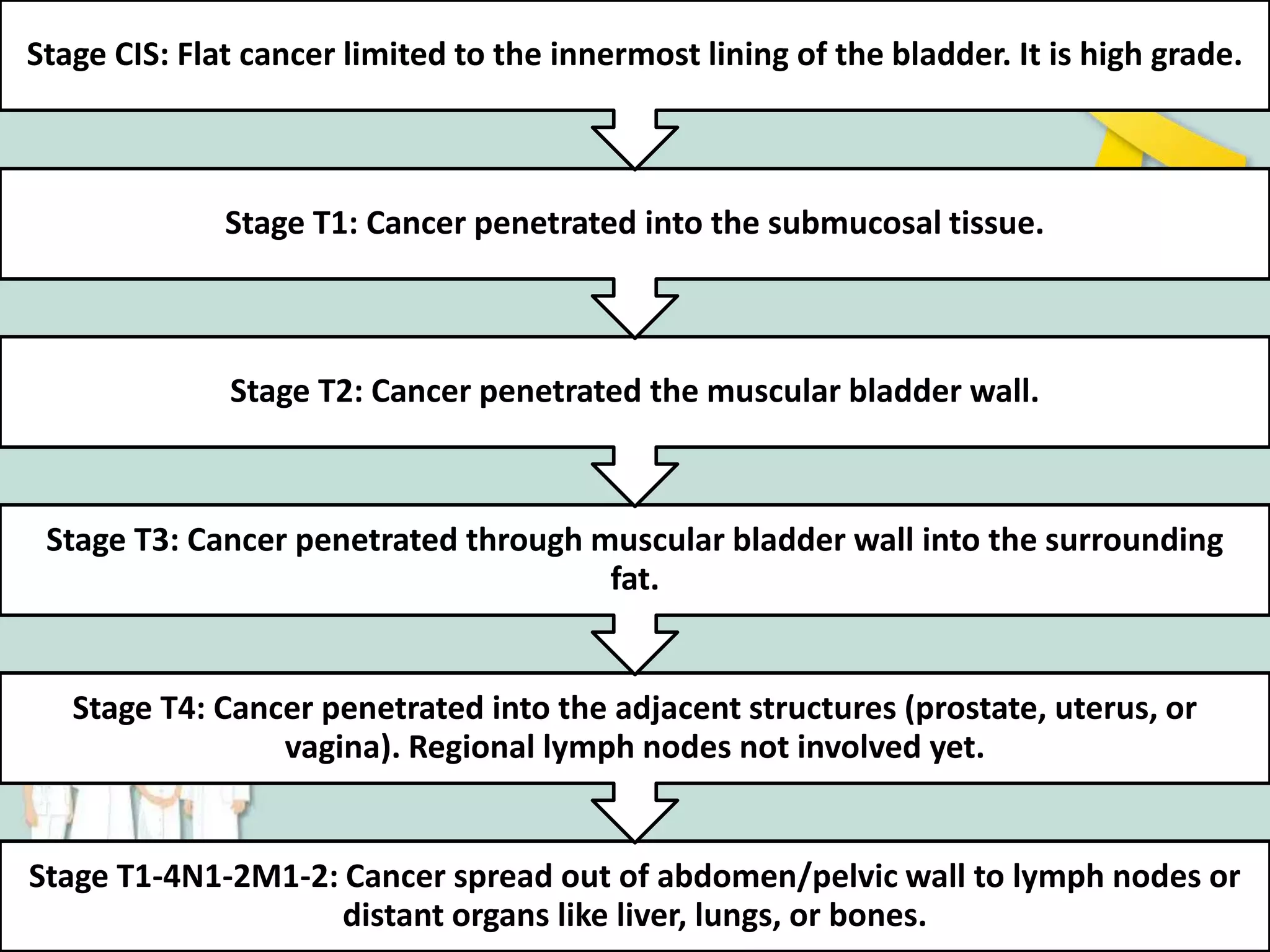
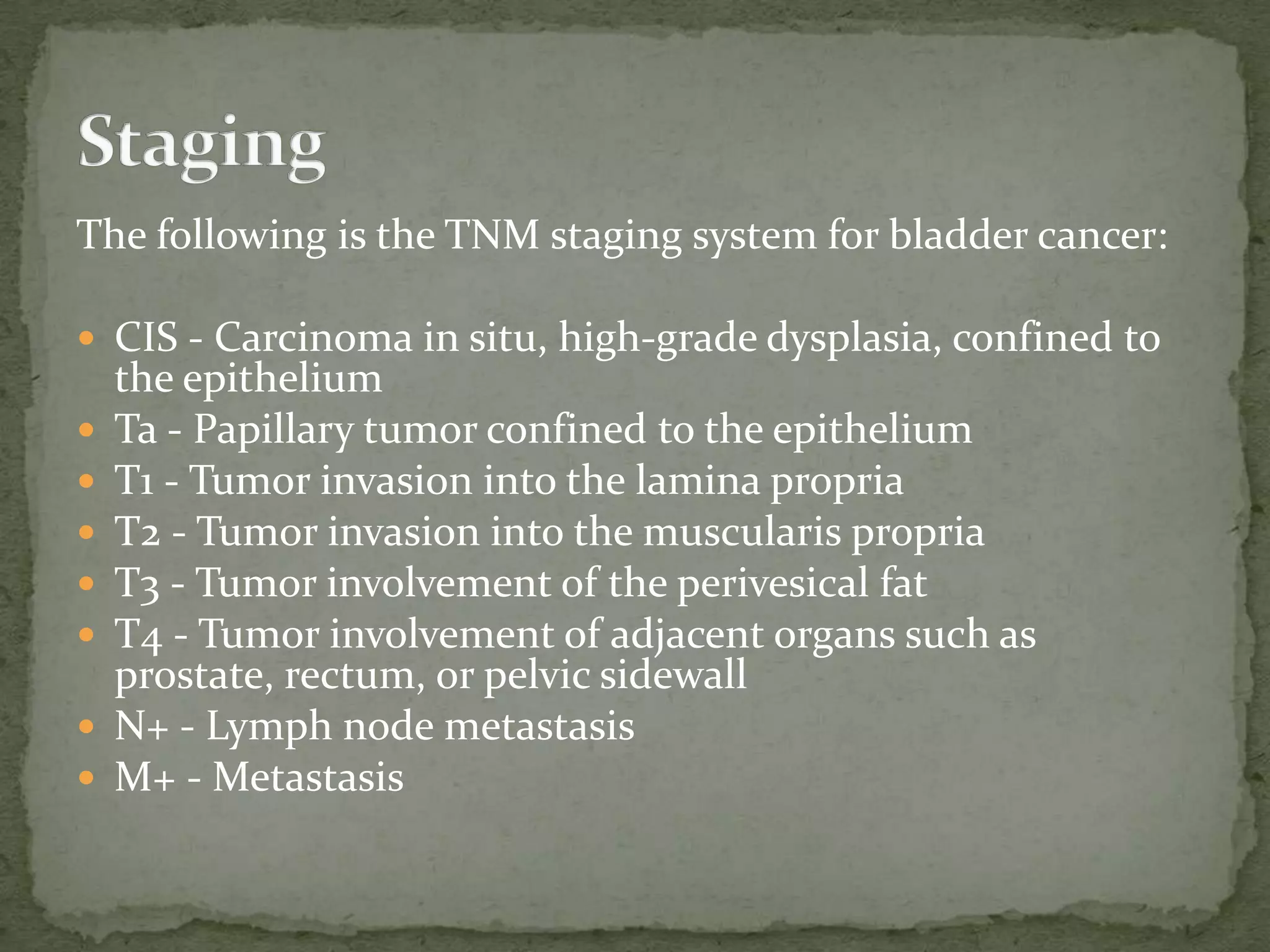
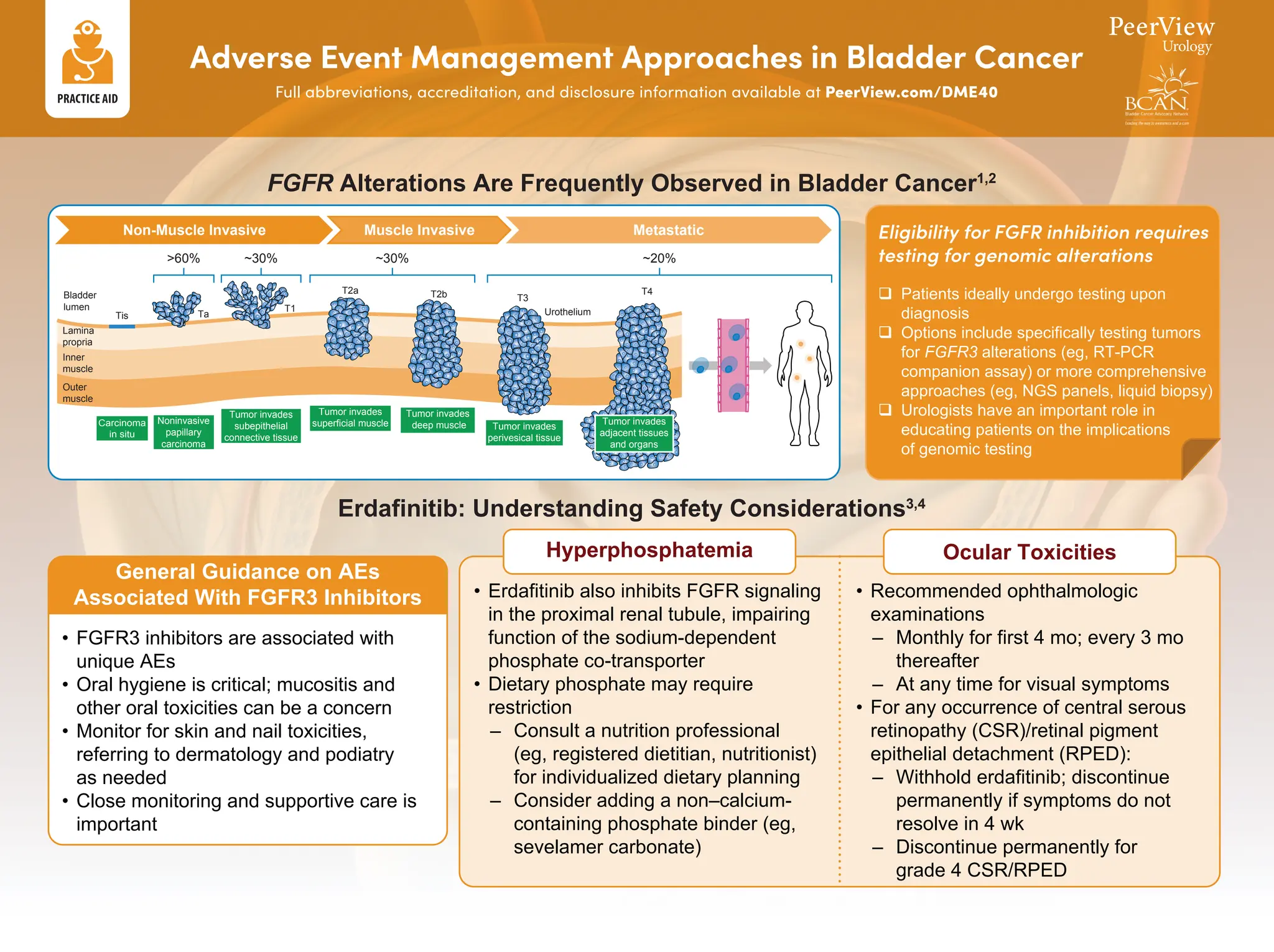
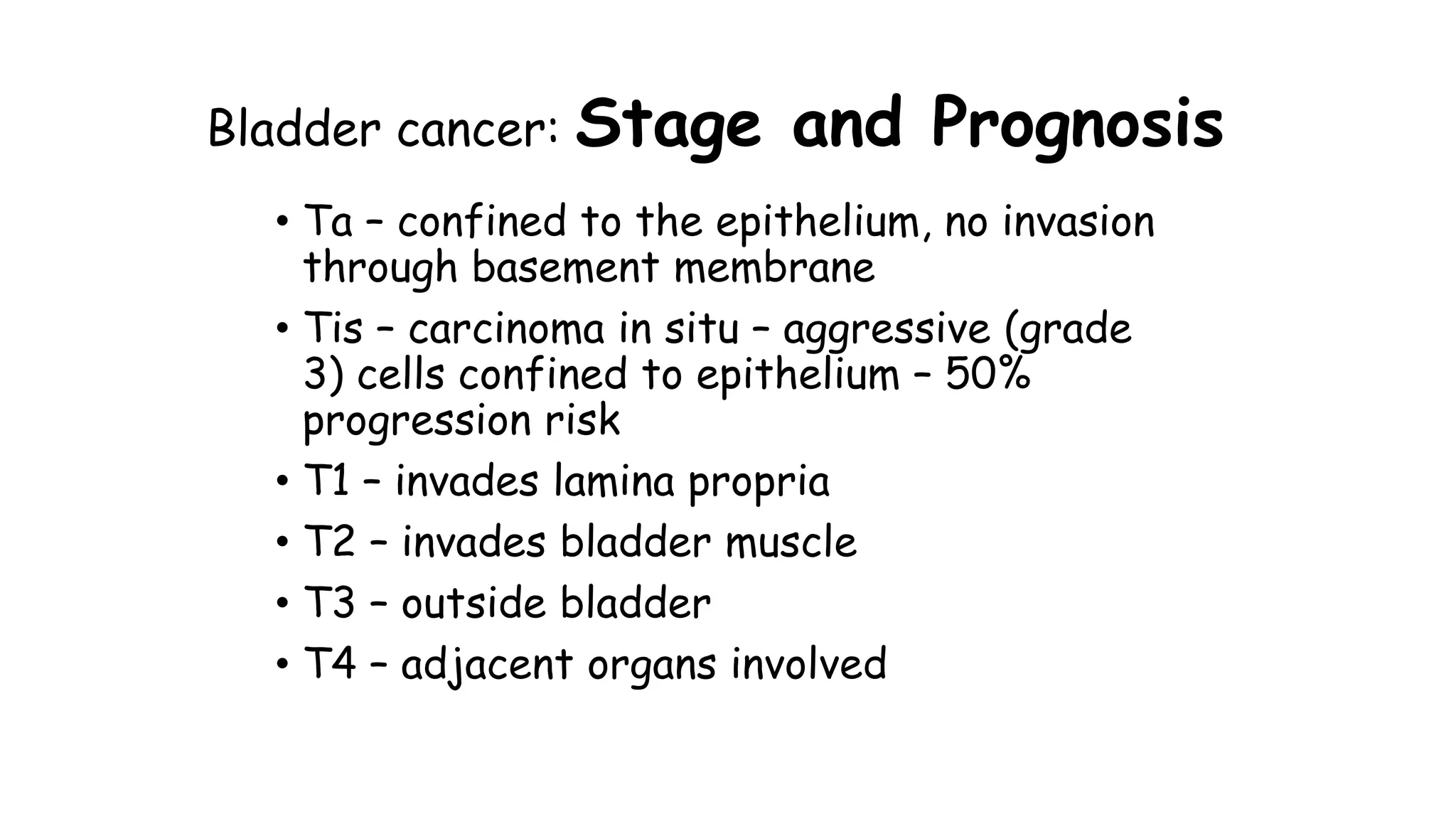
Bladder cancer staging is primarily determined by the TNM system, which stands for Tumor, Node, and Metastasis. The "T" category describes how far the primary tumor has grown through the bladder wall and into nearby tissues. By the time a patient is diagnosed with T4 bladder cancer, the tumor has breached the muscularis propria (the thick muscle layer of the bladder) and the surrounding perivesical fat to invade neighboring anatomical structures.
In the clinical landscape of 2026, T4 is categorized into two distinct sub-stages based on the specific direction and depth of the invasion. These distinctions are critical because they dictate the surgical resectability of the tumor and the overall prognosis.
T4a: Invasion of Adjacent Organs
A T4a designation indicates that the tumor has spread to the reproductive or immediate neighboring organs. In biological males, this typically involves the prostate gland or seminal vesicles. In biological females, it refers to the invasion of the uterus or the vagina. While T4a represents advanced disease, it is sometimes still considered "locally advanced," meaning that aggressive surgical intervention (radical cystectomy) may still be an option if the cancer has not yet spread to distant lymph nodes or distant organs.
T4b: Invasion of the Pelvic or Abdominal Wall
T4b is a more advanced classification where the tumor has grown into the pelvic wall or the abdominal wall. At this stage, the cancer is often fixed to the musculoskeletal structure of the torso. This makes complete surgical removal (achieving "clear margins") significantly more difficult. T4b cases are almost always treated with systemic therapy as the primary intervention, with surgery reserved for palliative measures or as a "salvage" procedure following an exceptional response to modern drug therapies.
Clinical Symptoms and Presentation of Advanced Disease
Patients with T4 bladder cancer often present with more severe symptoms than those with early-stage (Ta, T1, or T2) disease. Because the tumor has invaded other organs, the symptoms frequently reflect the dysfunction of those specific areas.
- Gross Hematuria: While blood in the urine is common in all stages of bladder cancer, in T4 disease, it may be persistent and accompanied by blood clots that cause urinary retention.
- Pelvic and Flank Pain: Invasion into the pelvic wall or pressure on the ureters (the tubes connecting the kidneys to the bladder) can cause significant localized pain or kidney distress (hydronephrosis).
- Lower Extremity Edema: Large T4 tumors can compress the pelvic veins or lymphatic vessels, leading to swelling in the legs.
- Bowel Dysfunction: If the tumor invades the rectum or puts pressure on the lower intestines, patients may experience changes in bowel habits or constipation.
- Constitutional Symptoms: As with many Stage IV cancers, patients may suffer from unexplained weight loss, chronic fatigue, and anemia.
Diagnostic Procedures and Imaging Standards in 2026
Accurate staging is the cornerstone of managing T4 bladder cancer. Physicians use a combination of endoscopic visualization and high-resolution imaging to map the extent of the tumor.
- Cystoscopy and TURBT: A cystoscopy allows the urologist to see the tumor, but a Transurethral Resection of Bladder Tumor (TURBT) is necessary to obtain tissue samples. In T4 cases, the TURBT confirms the high-grade nature of the cells and the depth of invasion.
- Multiparametric MRI (mpMRI): By 2026, mpMRI has become a standard tool for assessing the depth of bladder wall invasion, often utilizing the VI-RADS (Vesical Angiogram-Reporting and Data System) scoring system to differentiate between muscle-invasive and extra-vesical spread.
- PET-CT Scans: The use of FDG-PET/CT is vital for T4 patients to determine if the cancer has metastasized to distant lymph nodes, the lungs, or the bones, which would further categorize the disease as Stage IVB.
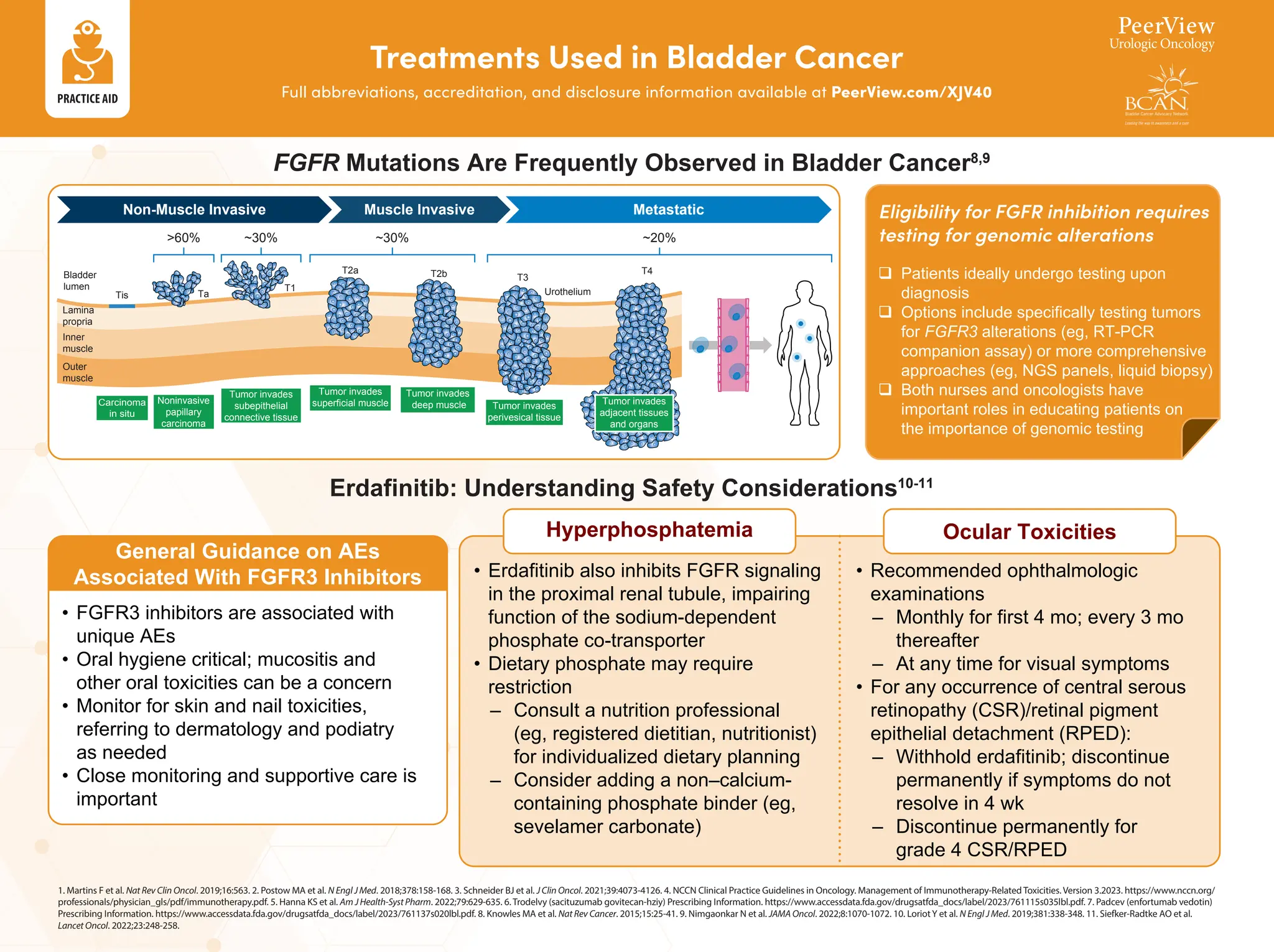
- Genomic Profiling: It is now standard practice to perform molecular profiling on T4 tumor tissue. Identifying mutations in genes such as FGFR3 or checking for PD-L1 expression helps oncologists select the most effective targeted therapies or immunotherapies.
Current Treatment Paradigms for T4 Bladder Cancer
The management of T4 bladder cancer has shifted from a "surgery-first" approach to a "systemic-first" model. Because T4 disease carries a high risk of occult (hidden) micrometastases, treating the whole body is prioritized.
Systemic Chemotherapy
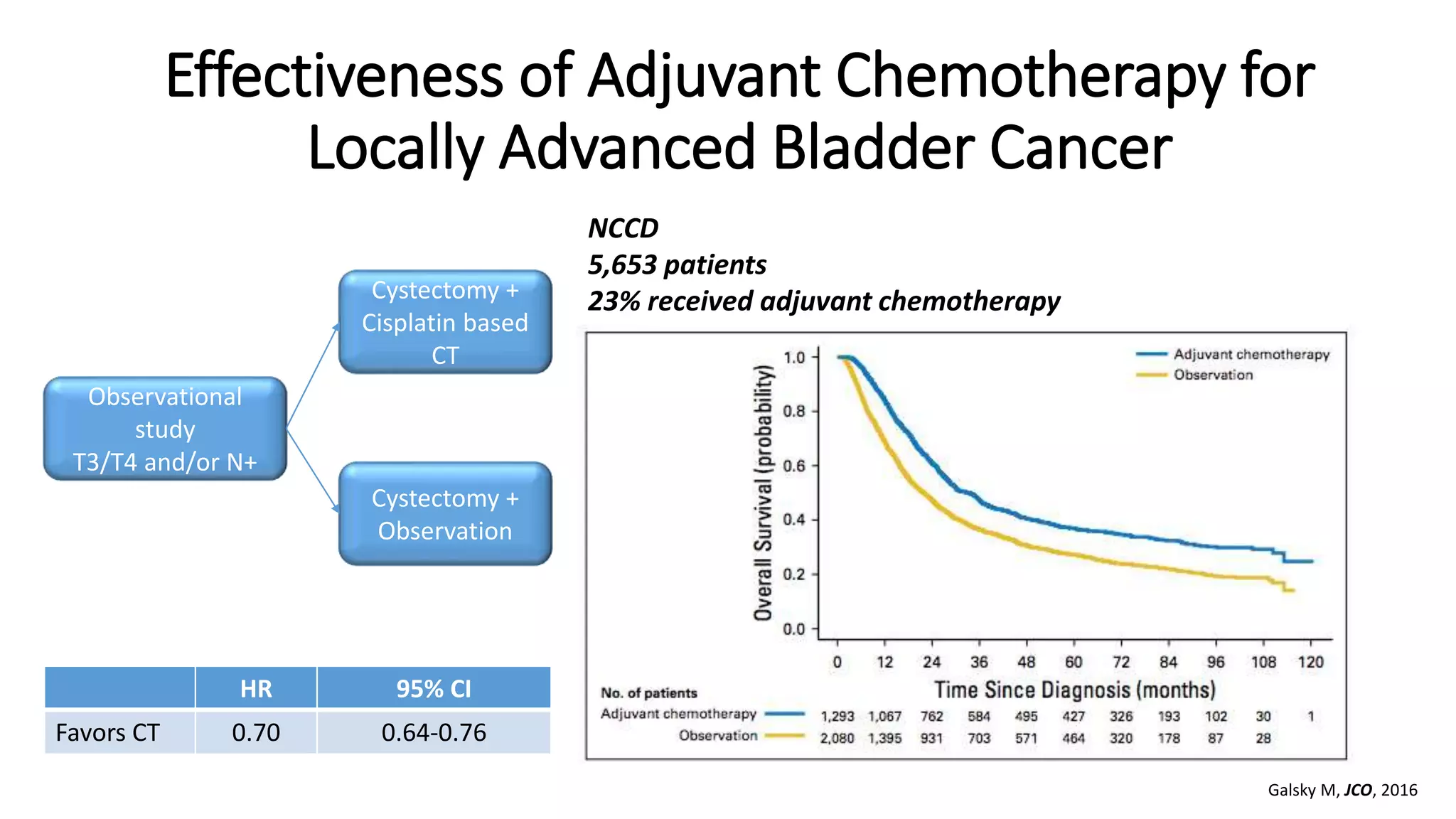
Platinum-based chemotherapy (specifically Cisplatin combined with Gemcitabine) remains a foundational treatment for patients who are "Cisplatin-eligible." For those who cannot tolerate Cisplatin due to kidney issues or hearing loss, Carboplatin-based regimens are used. The goal of chemotherapy in T4a cases is often "downstaging"—shrinking the tumor enough to make surgery a viable and safer option.
Immunotherapy and Maintenance Programs
The introduction of immune checkpoint inhibitors has revolutionized T4 care. Drugs like Pembrolizumab and Nivolumab work by helping the immune system recognize and attack cancer cells. In 2026, many patients who achieve stability after initial chemotherapy are placed on Avelumab maintenance therapy, which has been shown to significantly extend overall survival by preventing the cancer from progressing.
Antibody-Drug Conjugates (ADCs)
For patients whose cancer does not respond to traditional chemotherapy, ADCs like Enfortumab vedotin and Sacituzumab govitecan offer a targeted "smart bomb" approach. These drugs consist of a monoclonal antibody that seeks out a specific protein on the bladder cancer cell (like Nectin-4) and delivers a potent dose of chemotherapy directly into the cell, minimizing damage to healthy tissue.
Radiation and Palliative Care
Radiation therapy is frequently used in T4b cases where surgery is not possible. It can be used as part of a Trimodal Therapy (TMT) approach (TURBT plus chemo-radiation) to preserve the bladder. Additionally, palliative radiation is highly effective at controlling pain and stopping heavy bleeding in advanced cases.
Comparison of T4 Substages and Treatment Implications
The following table summarizes the clinical differences between the two T4 designations and how they influence the medical team's strategy.
| Feature | T4a Bladder Cancer | T4b Bladder Cancer |
|---|---|---|
| Primary Invasion Sites | Prostate, uterus, vagina, seminal vesicles. | Pelvic wall, abdominal wall. |
| Resectability | Often resectable via radical cystectomy. | Often unresectable or "fixed." |
| Treatment Goal | Potentially curative with multimodal therapy. | Primarily life-extension and symptom control. |
| Surgical Approach | Radical Cystectomy + pelvic lymph node dissection. | Palliative cystectomy or urinary diversion only. |
| Role of Radiation | Used in bladder-preservation protocols. | Used for local control and pain management. |
| 5-Year Survival (Est.) | Higher (approx. 30-40% if node-negative). | Lower (approx. 10-15%). |
Prognosis and Survival Outlook
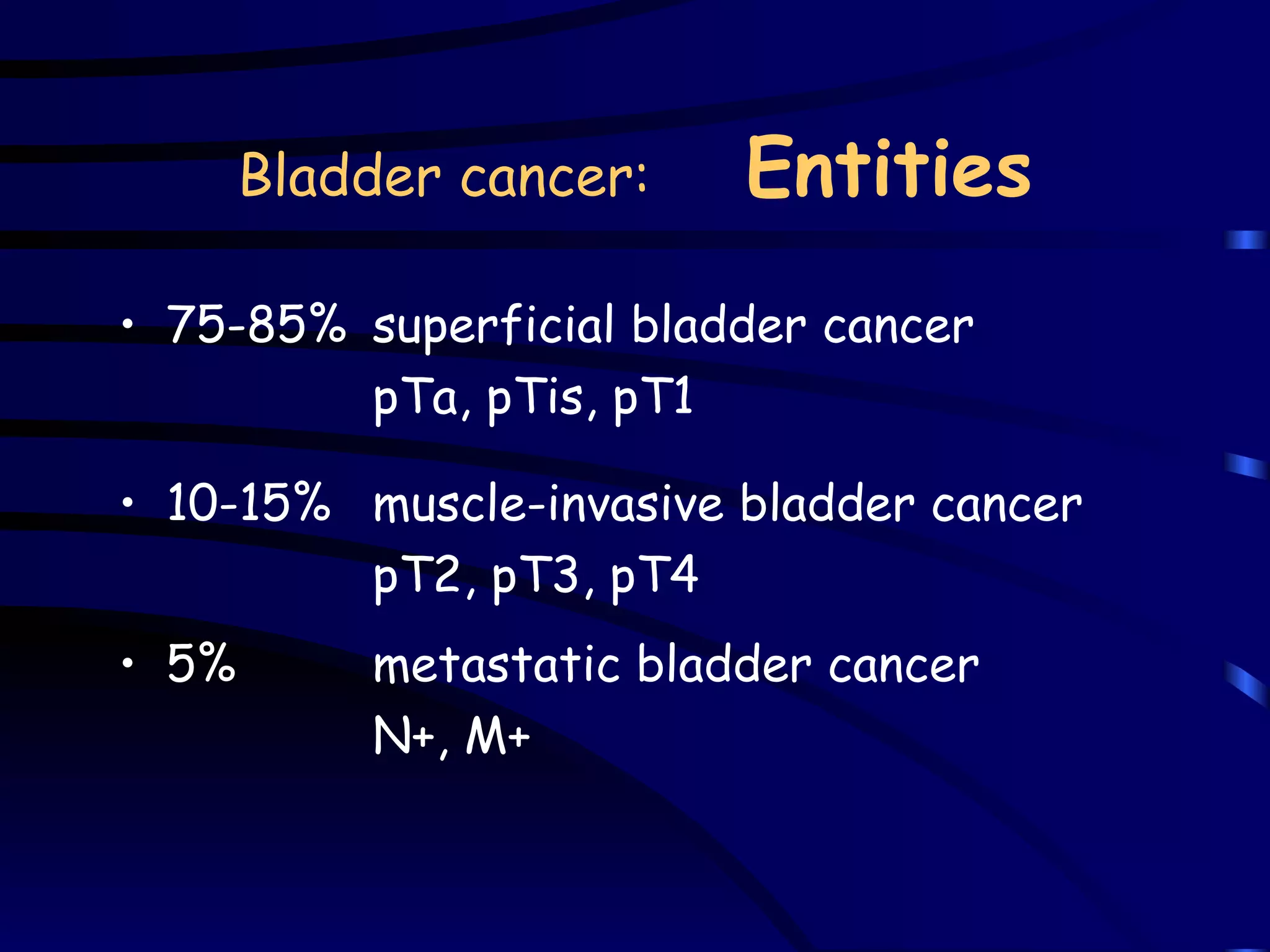
The prognosis for T4 bladder cancer is influenced heavily by whether the cancer has spread to the lymph nodes (N+) or distant sites (M1). If the T4 tumor is localized (N0, M0), the survival rates are considerably better than when distant metastasis is present.
As of 2026, the 5-year survival rate for "locally advanced" bladder cancer (which includes T4) has seen steady improvement due to the integration of maintenance immunotherapy and the use of ADCs in earlier lines of treatment. While historically the 5-year survival for metastatic bladder cancer hovered around 5-8%, modern integrated therapies have pushed these figures higher for patients who can tolerate aggressive treatment. However, it is important to note that T4b disease remains a significant clinical challenge with a higher risk of recurrence.
Living with Stage IV Bladder Cancer
Beyond the clinical treatments, managing a T4 diagnosis requires a focus on quality of life. Patients often work with a palliative care team shortly after diagnosis. Contrary to common belief, palliative care is not just for end-of-life; it focuses on managing the side effects of chemotherapy, alleviating pelvic pain, and providing psychological support.
Nutritional support is also critical, as advanced bladder cancer can lead to cachexia (muscle wasting). High-protein diets and, in some cases, supplemental nutrition are used to keep the patient strong enough to continue systemic treatments.
FAQ: Frequently Asked Questions
Is T4 bladder cancer always considered terminal?
Not necessarily. While T4 is an advanced Stage IV cancer, "terminal" implies that no further treatments are effective. Many patients with T4a bladder cancer respond exceptionally well to "neoadjuvant" (pre-surgery) chemotherapy and go on to have successful radical surgeries that can lead to long-term remission.
Can you have a T4 tumor without it spreading to the lymph nodes?
Yes. It is possible to have a "T4 N0 M0" diagnosis. This means the primary tumor is very large and has invaded a neighboring organ like the prostate, but the imaging and biopsies show no cancer in the lymph nodes or distant organs. These cases have a much better prognosis than those with nodal involvement.
What is the difference between Stage IV and T4?
T4 is a description of the primary tumor's size and invasion. Stage IV is a broader category that includes any T4 tumor, OR any tumor that has spread to the lymph nodes (N1-N3), OR any tumor that has spread to distant organs (M1). Therefore, all T4 bladder cancers are Stage IV, but not all Stage IV bladder cancers are T4.
What are the most common side effects of T4 treatments?
Treatment for T4 disease is intense. Chemotherapy often causes fatigue, nausea, and a drop in blood cell counts. Immunotherapy can cause "itis" or inflammation-related side effects (like colitis or pneumonitis). Antibody-drug conjugates (ADCs) are known to potentially cause skin rashes and peripheral neuropathy (numbness in hands and feet).
Is bladder-sparing surgery possible for T4 cancer?
Bladder-sparing through Trimodal Therapy (TMT) is generally more difficult for T4 tumors than for T2 or T3 tumors. However, in specific cases where the patient is not a candidate for major surgery, a combination of maximal TURBT, chemotherapy, and high-dose radiation may be used to control the disease while keeping the bladder intact.
Recommendations for Patients and Caregivers
If you or a loved one is facing a T4 bladder cancer diagnosis, the first priority should be seeking a consultation at a National Cancer Institute (NCI)-designated cancer center or a high-volume academic medical center. Because T4 disease requires complex coordination between urologic surgeons, medical oncologists, and radiation oncologists, a multidisciplinary team approach is essential for the best outcomes.
Furthermore, inquire about clinical trials. By 2026, many of the most promising treatments for advanced bladder cancer—including neo-antigen vaccines and next-generation cellular therapies—are only available through clinical trials. Always request a full genomic sequencing report of the tumor to ensure that all targeted treatment options are being considered.
American Cancer Society: Bladder Cancer Stages National Cancer Institute: Bladder Cancer Treatment (PDQ)
Image Gallery