Achieving a Flawless Finish: Choosing the Best Concealing Powder for Your Skin
The best concealing powder for flawless skin is a finely milled, high-pigment formula that bridges the gap between traditional setting powders and heavy-coverage concealers. By combining color-correcting properties with light-refractin...
The best concealing powder for flawless skin is a finely milled, high-pigment formula that bridges the gap between traditional setting powders and heavy-coverage concealers. By combining color-correcting properties with light-refracting particles, these powders blur imperfections, absorb excess sebum, and lock liquid makeup in place without creating a cakey or textured appearance on the skin surface.
Contents
Understanding the Mechanism of Concealing Powders
A concealing powder functions differently from a standard translucent setting powder. While a translucent powder is designed primarily to remove shine and prevent foundation migration, a concealing powder contains higher concentrations of iron oxides, titanium dioxide, or mica pigments. These ingredients allow the product to provide actual coverage—masking redness, dark spots, or uneven skin tone—while simultaneously setting the underlying liquid base.
The "flawless" effect is achieved through the use of spherical particles rather than jagged, coarse powders. Spherical particles roll over the skin’s surface, filling in fine lines and enlarged pores rather than settling into them. This creates a diffused, soft-focus finish that reflects light away from imperfections, making the skin appear smoother under high-definition lighting.
Prerequisites for Optimal Application
Before reaching for your concealing powder, it is essential to prepare the canvas. Even the most advanced powder will appear patchy if applied to dehydrated or unevenly prepped skin.
- Hydration: Apply a lightweight, non-comedogenic moisturizer or serum. Wait at least three to five minutes for the product to fully absorb. If the skin is tacky or overly damp, the powder will grip unevenly, leading to "clumping" or dark spots where more pigment collects.
- Base Integration: Your liquid concealer or foundation should be fully set or "tacked down" before the powder is introduced. If your concealer is too oily, gently dab the area with a single-ply tissue to remove excess emollients before dusting the powder over it.
- Tool Selection: The choice of tool dictates the coverage level. A dense, synthetic kabuki brush provides medium-to-full coverage, ideal for concealing active blemishes or hyperpigmentation. A soft, fluffy powder brush offers sheer coverage, best for blurring pores and evening out the complexion. For targeted correction, a small, tapered precision brush allows you to "press" the powder into specific areas without disturbing the foundation underneath.
Comparing Powder Types for Specific Needs
Not every powder is created equal. The efficacy of the product often depends on the finish—matte, satin, or radiant—and the intended use case.
| Powder Type | Primary Benefit | Best For | Finish |
|---|---|---|---|
| Pressed Mineral | High pigment density | Full coverage/Blemishes | Matte |
| Loose Finishing | Weightless blurring | Setting/Large pores | Soft-Focus |
| Color-Correcting | Neutralizes undertones | Redness/Dark circles | Neutral/Satin |
| Baking/Setting | Extreme longevity | High-heat environments | Flat Matte |
Note: For individuals with dry or mature skin, pressed mineral powders with added botanical oils or hyaluronic acid derivatives are generally superior to traditional talc-based powders, which can dehydrate the skin over extended wear.
Common Mistakes to Avoid
Even with a high-quality product, technique is often the reason for failure. One of the most frequent errors is "swiping" the powder across the face. Swiping disrupts the layers of foundation and concealer beneath, causing them to lift and reveal the very imperfections you are trying to hide.
Instead, use a "press-and-roll" motion. By pressing the bristles into the skin and rolling the brush slightly, you push the pigment into the skin’s texture. This creates a physical bond with the makeup below, locking it in place. Another common mistake is over-application. Applying too much product to the under-eye area can accentuate fine lines regardless of how finely milled the powder is. Start with a minuscule amount—tap the excess off the brush back into the lid—and build coverage only where necessary.
Selecting for Skin Type
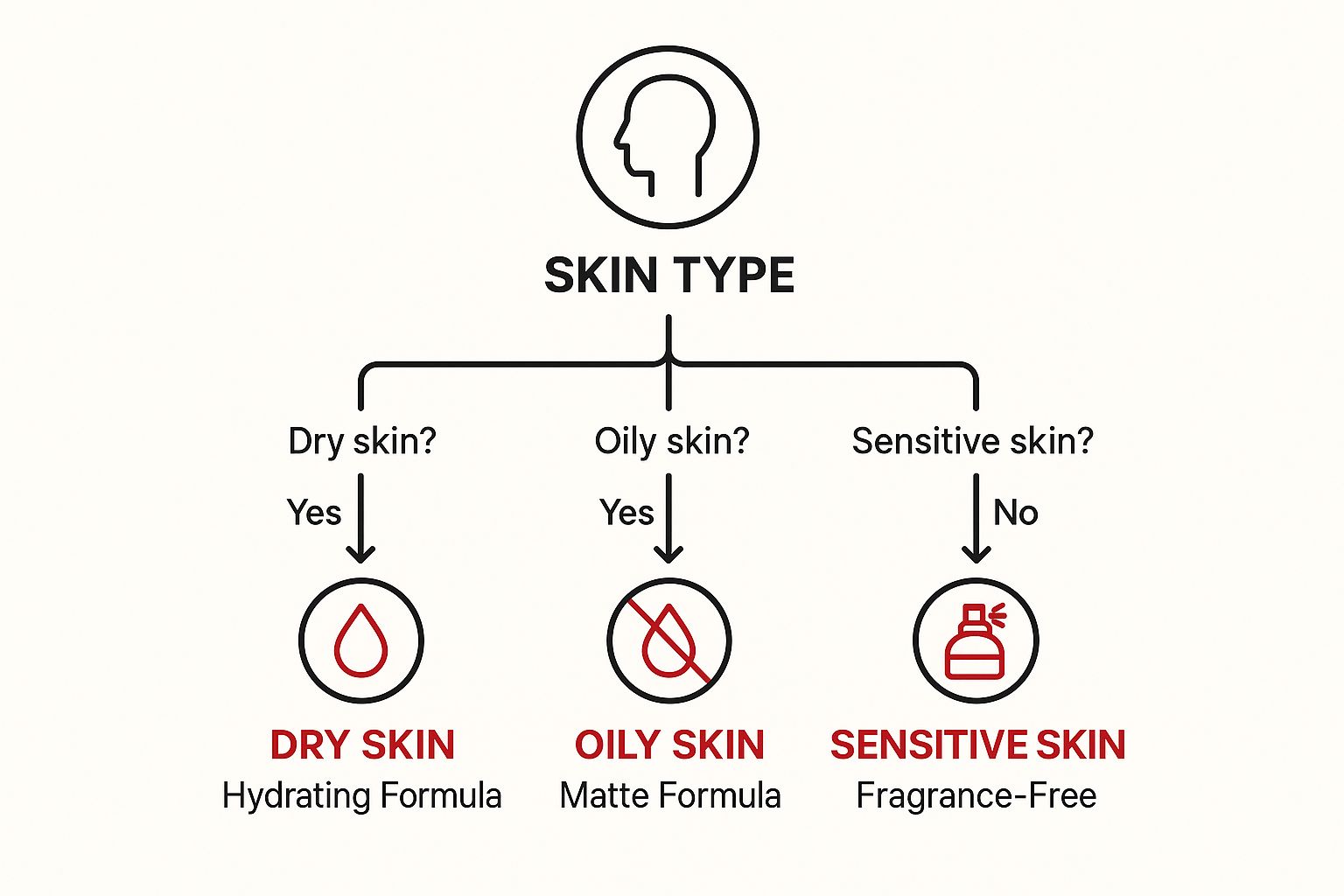
Your skin type serves as the primary filter for your selection process:
- Oily Skin: Seek powders featuring silica or rice powder. These ingredients are highly effective at absorbing sebum throughout the day. Avoid formulas that emphasize "dewy" finishes, as these will eventually break down your makeup structure.
- Dry/Mature Skin: Look for "hydrating" or "sheer" finishing powders. Avoid heavy matte powders that contain significant amounts of clay or talc, as these can settle into expression lines and create a "cracked" appearance as the day progresses.
- Sensitive/Acne-Prone Skin: Prioritize "non-comedogenic" labels and ingredient lists that are free of bismuth oxychloride, which can cause irritation or breakouts in sensitive users. Mineral-based formulas are often the safest choice for reactive skin.
Maintaining the Look Throughout the Day
Even the best concealing powder has a natural limit on how much oil it can absorb. If you find your makeup starting to look "heavy" by mid-afternoon, do not immediately reach for more powder.
First, use an oil-blotting sheet to remove excess sebum. Blotting allows you to refresh the skin without adding a new layer of product, which prevents the "cakey" buildup that occurs when powder is layered repeatedly over sweat and oil. Only after blotting should you reapply a sheer, targeted dusting of powder to the central T-zone or specific areas where coverage has faded.
Frequently Asked Questions
How does concealing powder differ from foundation powder? Concealing powder is formulated to be used in conjunction with a liquid or cream base. It focuses on blurring and setting. Foundation powder is designed to be a standalone product that provides primary coverage, often requiring more buildable density and a higher percentage of binders.
Can I use concealing powder under the eyes? Yes, but technique is critical. Use a very finely milled, talc-free formula. Apply it with a small, soft brush and focus only on the inner corner and the areas where creasing typically occurs. Avoid applying heavy layers to the fine lines directly under the lash line.
What is the "baking" technique, and should I use it? Baking involves applying a thick layer of powder to the under-eye or T-zone and letting it sit for several minutes before dusting it off. This uses the heat of the skin to set liquid makeup firmly. It is generally effective for long-wear events or photography but is often too heavy for daily wear or dry skin types.
Do I need a setting spray if I use a high-quality concealing powder? While a good powder can set makeup sufficiently for many, a setting spray acts as a final seal. If you are in a humid climate or need your makeup to last 12+ hours, a fine mist of a fixing spray after powder application can prevent the powder from looking too "powdery" and help meld the layers together for a more natural skin-like finish.
Next Steps for Implementation
To identify the best product for your specific skin, begin by assessing your current base makeup. If you use a heavy, full-coverage foundation, a sheer, finely milled setting powder is likely sufficient to blur and lock the base. If you use a light-coverage tinted moisturizer, choose a pressed mineral concealing powder that allows you to add coverage in specific areas. Always test a new powder in natural lighting to ensure the shade match is precise, as high-pigment powders can oxidize or shift color if they contain high levels of iron oxides.
Image Gallery