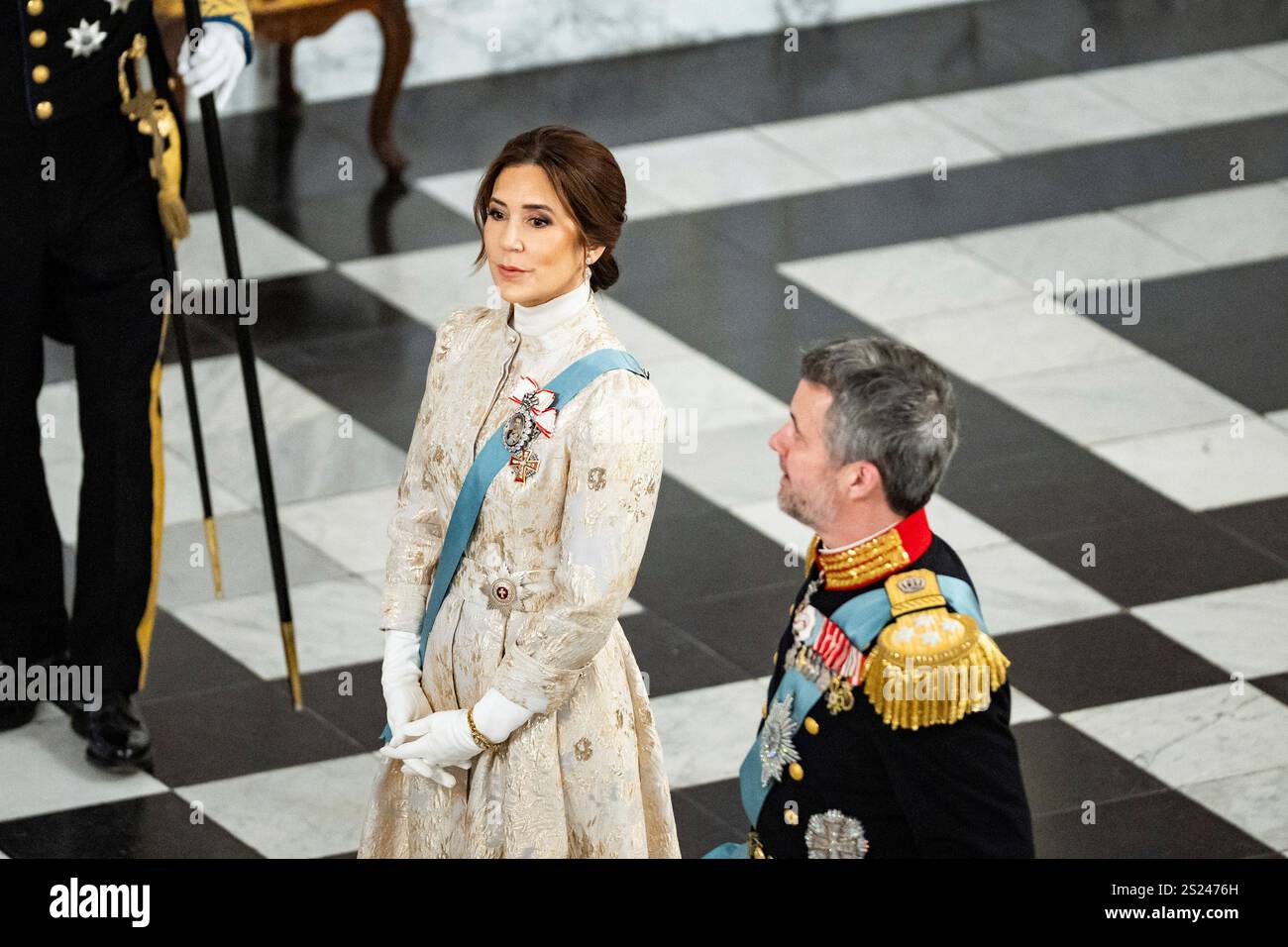
Why King Frederik X of Denmark is a Leader You Should Know
King Frederik X of Denmark represents a pivotal shift in European monarchy, combining centuries-old tradition with a contemporary, active lifestyle. Having ascended the throne in January 2024 following the historic abdication of his mo...
King Frederik X of Denmark represents a pivotal shift in European monarchy, combining centuries-old tradition with a contemporary, active lifestyle. Having ascended the throne in January 2024 following the historic abdication of his mother, Queen Margrethe II, he has spent the last two years redefining the royal role through his dedication to climate action, mental health awareness, and national physical fitness.
Contents
The Historic Accession and the End of an Era
To understand why King Frederik X is such a significant figure in 2026, one must first look at the unprecedented nature of his rise to the throne. For nearly 900 years, Danish monarchs followed a tradition of reigning until their death. This pattern was broken on New Year’s Eve in 2023, when Queen Margrethe II announced her intention to abdicate.
On January 14, 2024, Frederik X was proclaimed King from the balcony of Christiansborg Palace. This transition was not merely a change in personnel but a strategic modernization of the institution. By choosing to step down, Margrethe II allowed her son to take the throne while he was still in the prime of his life, ensuring the monarchy remained energetic and relevant to younger generations. In the two years since his proclamation, Frederik has maintained an approval rating that is among the highest for any European head of state, proving that the Danish "model" of monarchy—informal yet dignified—continues to resonate.
A Military Foundation: The Legend of "Pingo"
One of the primary reasons Frederik X commands such high respect is his extensive and grueling military background. Unlike some royals whose titles are largely honorary, Frederik earned his stripes in some of the most demanding elite units in the world.
His most notable achievement was completing the training for the Frømandskorpset (the Frogman Corps), the Royal Danish Navy's elite special operations force. This unit is the Danish equivalent of the US Navy SEALs or the British SBS. During his time in the corps, he earned the nickname "Pingo." The story goes that after a diving exercise, his wetsuit filled with water, causing him to waddle like a penguin. Rather than finding the name insulting, Frederik embraced it, showcasing the down-to-earth humor that has become a hallmark of his reign.
Beyond the Frogman Corps, his military resume includes:
- The Sirius Dog Sled Patrol: In 2000, he participated in a four-month, 2,795-kilometer expedition across Northern Greenland. This was not a photo opportunity; it was a high-risk mission in sub-zero temperatures that required immense physical and mental fortitude.
- Service in Three Branches: He has held senior ranks in the Army, Navy, and Air Force, providing him with a holistic understanding of the Danish Defense Forces.
This military pedigree gives him a "warrior-king" credibility that balances his modern, softer public image. When he speaks on matters of national security or Arctic sovereignty, he does so from a position of firsthand experience.
The Climate King and the Green Transition
By 2026, Denmark has solidified its position as a global leader in the green transition, and King Frederik X has been a central figure in this narrative. He has successfully pivoted the royal platform to focus heavily on sustainability, renewable energy, and the preservation of the Arctic.
Frederik’s interest in the environment is not a recent rebranding. He has been involved in climate initiatives for over two decades, often representing Denmark at UN Climate Change Conferences (COP). As King, he uses his "soft power" to open doors for Danish green-tech companies abroad. His state visits often resemble trade missions focused on wind energy, hydrogen fuel, and sustainable urban planning.
His approach to the climate crisis is pragmatic rather than political. He frames the green transition as an essential evolution for the Danish economy and a moral obligation to future generations. This alignment with national policy allows him to remain non-partisan while still being a powerful advocate for change.
Comparing the Reigns: Queen Margrethe II vs. King Frederik X
The transition from mother to son brought subtle but significant changes in how the Danish Royal House (Kongehuset) operates. The following table highlights the key differences in their styles and priorities.
| Feature | Queen Margrethe II (1972–2024) | King Frederik X (2024–Present) |
|---|---|---|
| Primary Focus | Arts, Archaeology, and History | Climate, Sports, and Modern Leadership |
| Public Image | Intellectual, Formidable, Traditional | Active, Accessible, Relatable |
| Signature Event | New Year's Eve Speech (Copenhagen) | Royal Run (Nationwide physical event) |
| Military Role | Ceremonial Commander-in-Chief | Active-duty background in Special Forces |
| Style of Reign | Dignified Distance | "United, committed, for the Kingdom" |
| Communication | Formal addresses and hand-drawn art | Social media savvy and informal dialogue |
The Royal Run: Promoting National Health
Perhaps the most visible way King Frederik X has changed the monarchy is through the Royal Run. Started in 2018 to celebrate his 50th birthday, the event has grown into a massive national phenomenon. By 2026, it is the largest running event in Denmark, with hundreds of thousands of citizens participating alongside the King and his family.
The Royal Run is significant because it removes the barriers between the monarch and the public. It is not uncommon to see the King high-fiving children while sweating in a running shirt. This promotes a culture of health and movement (folkesundhed) that is a high priority for the Danish government. By leading by example, Frederik has turned a personal passion for fitness into a tool for social cohesion.
A Global Partnership: The Influence of Queen Mary
You cannot understand Frederik X without understanding the role of Queen Mary. Born Mary Donaldson in Tasmania, Australia, she met the then-Prince at a bar during the Sydney Olympics in 2000. Her journey from a marketing professional to the Queen of Denmark is a story that has captivated the world, but her contribution is far more than a fairy tale.
Queen Mary has been instrumental in modernizing the court’s focus on social issues. Her work through the Mary Foundation focuses on:
- Bullying and Well-being: Programs aimed at improving children's social lives in schools.
- Domestic Violence: Providing support for women and children in shelters.
- Loneliness: Addressing the growing social isolation in modern society.
Together, Frederik and Mary function as a modern executive team. While Frederik focuses on the macro issues of climate and defense, Mary handles the micro issues of social welfare and human rights. This "dual-track" leadership has ensured that the monarchy touches every facet of Danish life.
Constitutional Role and Political Neutrality
It is a common misconception that European monarchs hold significant political power. In Denmark, the King’s role is strictly constitutional and ceremonial. He does not vote, he does not express political opinions, and he does not interfere in the legislative process.
However, King Frederik X performs several essential functions:
- The Council of State: He presides over meetings where laws passed by the Parliament (Folketing) are formally signed into effect.
- Forming a Government: Following an election, the King plays a role in the "Queen’s Round" (now effectively the King’s Round), where he meets with party leaders to determine who can form a majority government.
- National Unity: During times of crisis or national celebration, the King acts as the "living flag" of the country, providing a sense of continuity that transcends party politics.
By maintaining strict neutrality, Frederik X ensures that the monarchy remains a unifying force in a world that is increasingly polarized.
Frequently Asked Questions
Why did Queen Margrethe II abdicate for King Frederik X?
Queen Margrethe II abdicated primarily for health reasons, specifically following a major back surgery in 2023, and to ensure the monarchy remained dynamic. She wanted to pass the mantle to her son while he was in his prime, allowing for a smooth and energetic transition into a modern era.
What is the King’s motto?
Upon his accession, King Frederik X announced his motto: "United, committed, for the Kingdom of Denmark." This motto reflects his desire to be a King for all parts of the Danish Realm, including the Faroe Islands and Greenland, emphasizing national unity and service.
Does King Frederik X have children?
Yes, King Frederik and Queen Mary have four children. The eldest, Crown Prince Christian (born 2005), is the direct heir to the throne. He is followed by Princess Isabella, and twins Prince Vincent and Princess Josephine. By 2026, Crown Prince Christian has taken on a more significant role in public life, representing the future of the dynasty.
How does the King influence Danish business?
The King acts as the country’s most high-profile brand ambassador. He frequently leads trade delegations to foreign markets, particularly in the sectors of green energy, life sciences, and shipping. His presence at international events provides a level of "soft power" that helps Danish companies gain access to high-level foreign officials and investors.
Is the Danish monarchy expensive for taxpayers?
The Danish Royal House receives an annual grant, known as the civil list, which covers the expenses of the royal household, staff, and the maintenance of palaces. While it is a significant sum, proponents argue that the "return on investment" through tourism, trade promotion, and national branding far outweighs the cost to the individual taxpayer.
Practical Recommendation: Engaging with the Danish Monarchy
For those interested in following the reign of King Frederik X, the most accurate and up-to-date information is found through the official channels of the Danish Royal House (Kongehuset).
To witness the modern monarchy in action, the Royal Run is the most accessible entry point; it typically takes place on Whit Monday each year. Additionally, visiting the official website of the Danish Royal House provides insights into the King's daily activities, his speeches, and the various patronages he supports. If you are interested in the green transition, the State of Green often features the King’s involvement in international climate initiatives.
Image Gallery