Why The Greatest Beer Run Ever Still Sparks Debate: Tone, Truth, and War
Apple TV+’s 2022 biographical film The Greatest Beer Run Ever continues to provoke debate among film critics, historians, and audiences. The discourse centers on its volatile mix of broad comedy and graphic war drama, its politically c...
Apple TV+’s 2022 biographical film The Greatest Beer Run Ever continues to provoke debate among film critics, historians, and audiences. The discourse centers on its volatile mix of broad comedy and graphic war drama, its politically centrist handling of the Vietnam War, and the stark divide between professional reviews and popular audience reactions.
Contents
Directed by Peter Farrelly and based on the 2017 memoir by John "Chickie" Donohue and J.T. Molloy, the movie tells the astonishing true story of a U.S. Marine Corps veteran who traveled from New York to South Vietnam in late 1967 to deliver American beer to his deployed neighborhood friends. While the extraordinary nature of Donohue's journey is undisputed, how the adaptation handles tone, historical context, and war trauma remains a polarizing topic in modern film criticism.
The Premise: Absurdity Grounded in Historical Fact
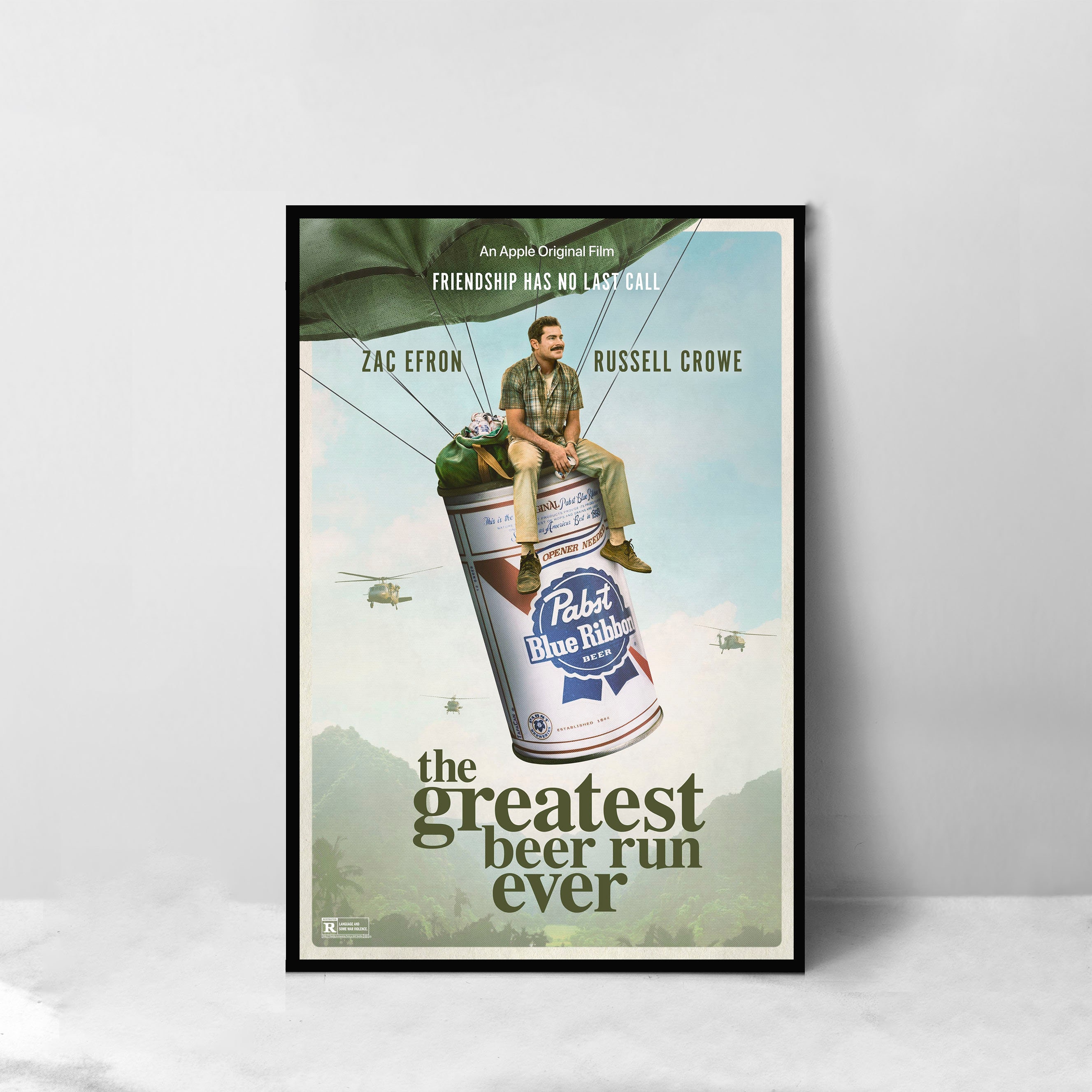
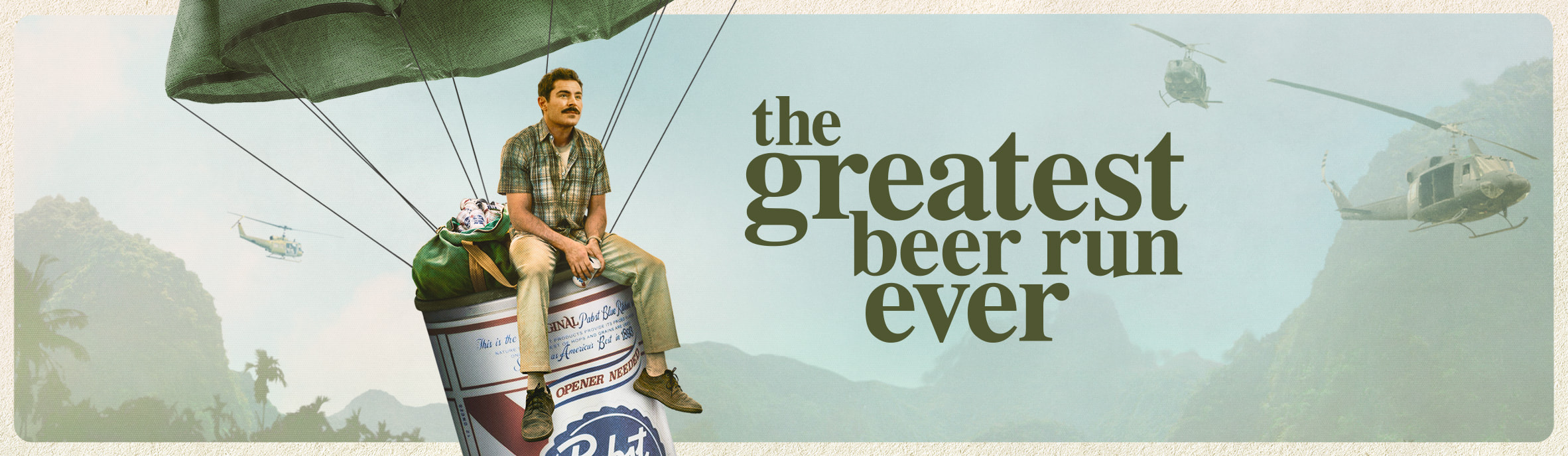
To understand the ongoing debate surrounding The Greatest Beer Run Ever, one must first examine the improbability of its real-life origin. In November 1967, John "Chickie" Donohue was a 26-year-old merchant seaman living in Inwood, a blue-collar neighborhood in upper Manhattan. Frustrated by anti-war demonstrations and news reports detailing military casualties, Donohue took up a challenge issued by a local bartender (nicknamed "The Colonel"): embark on a merchant ship bound for Vietnam and personally deliver a can of Pabst Blue Ribbon to the neighborhood boys serving on the front lines.
- Inwood, Manhattan (Nov 1967)
- Merchant Ship (Drake Victory)
- Qui Nhơn, South Vietnam (Jan 1968)
- Tet Offensive (Saigon)
Donohue successfully reached South Vietnam in early 1968, tracking down childhood friends across combat zones including Qui Nhơn, Pleiku, and Saigon, just as the North Vietnamese Army and Viet Cong launched the devastating Tet Offensive.
The primary conflict in evaluating the film stems from this premise:
- The Narrative Challenge: Translating a story that sounds like a reckless frat-house stunt into a compelling narrative that simultaneously respects the tragedy of a conflict that claimed over 58,000 American lives and millions of Vietnamese lives.
- The Audience Expectation Gap: Viewers seeking a high-stakes war thriller often find the early scenes in New York overly cartoonish, while those expecting a lighthearted buddy comedy are unsettled by the sudden descent into violent urban combat.
The Tonal Tightrope: Comedy Meets the Tet Offensive
The most persistent criticism of the movie involves its jarring shifts in tone. Director Peter Farrelly—best known for classic gross-out comedies (Dumb and Dumber, There's Something About Mary) and the Oscar-winning drama Green Book—structured the film as a hybrid genre piece.
In the first half, Zac Efron plays Donohue as an overly confident, politically naive goofball who bumbles his way past military checkpoints using charm, fake credentials, and sheer luck. The soundtrack relies on upbeat late-1960s classic rock, framing the endeavor as a well-meaning, absurd adventure.
However, once Donohue arrives in Saigon immediately prior to the Tet Offensive, the film abruptly pivots. Donohue witnesses summary executions, civilian casualties, intelligence brutalization, and the total collapse of military command structures.
- Act 1: Inwood Bar Comedy
- Act 2: PBR Deliveries in Qui Nhơn
- Act 3: Tet Offensive & Saigon Trauma
Why Critics Found the Shift Disconnected
Film scholars and critics argue that Farrelly's direction fails to reconcile these two modes smoothly. Critics from major publications noted that using the slaughter of the Tet Offensive as merely a backdrop for a lighthearted hero’s "political awakening" risks trivializing historical trauma. The transition from slapstick-adjacent military evasions to scenes of horrific street warfare created what many reviewers described as emotional whiplash.
Why Defenders Value the Tonal Contrast
Conversely, defenders of the film argue that this tonal shift accurately mirrors Chickie Donohue's actual psychological experience. Donohue did not travel to Vietnam as a seasoned war correspondent or anti-war activist; he entered a war zone with the naive, sanitized perspective of a civilian fed on government press briefings and neighborhood patriotism. The abrupt drop into violence forces the audience to experience the exact shock and loss of innocence that Donohue experienced when reality shattered his idealized view of the conflict.
Political Ambiguity: Anti-War Awakening vs. Fence-Sitting
Beyond its tonal choices, The Greatest Beer Run Ever sparks active debate regarding its political framing of the Vietnam War. Vietnam War cinema historically leans into clear thematic camps:
- Brutal Anti-War Realism: Movies like Platoon, Full Metal Jacket, and Casualties of War emphasize systemic military cruelty, moral degradation, and structural deceit.
- Heroic/Patriotic Narratives: Classic media centered on bravery and brotherly bonds under fire.
The Greatest Beer Run Ever attempts to occupy a middle ground, leading to criticism from both anti-war purists and military traditionalists.
- Political Positioning
- Anti-War Realism (Exposes US Deception)
- The Film (Centrist Middle Ground)
- Patriotic Tribute (Honors Veteran Bond)
The Pro-Soldier, Anti-Government Balance
The film explicitly distinguishes between supporting the individual soldiers in combat and supporting the governmental institutions directing the war effort. Donohue’s interactions with war correspondent Arthur Coates (played by Russell Crowe) highlight the systemic disinformation propagated by military press officers—famously dubbed the "Five O'Clock Follies." Coates acts as an educator, pushing Chickie to look beyond propaganda and see the real cost of the war on both sides.
Critics on the political left argue the film pulls its punches by focusing heavily on an individual's personal redemption rather than indicting the broader systemic causes of imperialism and military intervention. Meanwhile, some conservative commentators felt the film unnecessarily villainized military briefings and political leaders, converting a story of working-class loyalty into another anti-war lesson.
Historical Accuracy vs. Cinematic License
As with many biographical adaptations, film enthusiasts frequently debate where historical reality ends and Hollywood dramatization begins. While the core arc of Donohue’s journey is documented in his co-authored memoir, several key events were modified or invented for cinematic pacing.
| Narrative Element | Real-Life Event (Chickie Donohue) | Movie Adaptation (Apple TV+) | Impact on Debate |
|---|---|---|---|
| Primary Motivation | Wanted to support neighborhood friends after attending funerals of local boys in Inwood. | Prompted by a drunken challenge from a local bartender ("The Colonel"). | Critics argue the movie makes his initial motivation seem overly foolish rather than rooted in grief. |
| Arthur Coates Character | Donohue encountered various journalists, photojournalists, and soldiers who helped him navigate transit. | Represented by a single composite photojournalist played by Russell Crowe. | Consolidates complex media interactions into a single philosophical mentor figure. |
| The CIA Helicopter Incident | Donohue witnessed general war atrocities and heard rumors of harsh field interrogations. | Depicts Donohue directly witnessing a CIA operative push a prisoner out of a helicopter. | Amplifies dramatic tension, though historians note this specific scene dramatizes broader reports. |
| Travel Logistics | Traveled over several months utilizing civilian merchant marine papers and military hitchhiking. | Condensed timeline showing seamless, almost effortless jumps between major combat zones. | Streamlines the story, though it understates the logistical difficulty and extreme danger of moving through 1968 South Vietnam. |
| The Tet Offensive Encounter | Donohue was stranded in Saigon when the U.S. Embassy was attacked and his ship sailed without him. | Accurately portrays him stuck in Saigon during the Embassy siege alongside news photographers. | Grounded in documented reality; highlights his genuine exposure to life-threatening combat. |
The inclusion of synthesized characters—such as Russell Crowe's Arthur Coates—and dramatized set-pieces like the CIA helicopter drop fuels debate over whether the movie distorts real history for theatrical impact or successfully condenses complex real-world dynamics into an accessible narrative.
Critical Disdain vs. Audience Reception
A major point of discussion surrounding the film is the sharp divergence between professional film critics and general audiences. Upon its release, the film registered a stark divide on review aggregation platforms:
Rotten Tomatoes Tomatometer (Critics): ~43–45% (Rotten)
Rotten Tomatoes Audience Score: ~81–83% (Positive)
Critics Score: 43%
Audience Score: 81%
Why Critics Rejected the Film
Professional reviewers focused heavily on cinematic construction, narrative cohesion, and political depth:
- Shallow Character Arcs: Many reviewers felt Efron’s character transitioned too quickly from an ignorant bystander to an enlightened observer without sufficient psychological development.
- Formulaic Direction: Film critics noted that director Peter Farrelly reused structural beats from Green Book, relying on a naive protagonist taking a road trip to unlearn personal biases.
- Misjudged Tone: Numerous reviews highlighted the awkward contrast between light comedy and real historical tragedy, accusing the film of trivializing complex historical suffering.
Why General Audiences Embraced the Film
Conversely, everyday viewers judged the movie primarily on emotional resonance, entertainment value, and the sheer audacity of the historical story:
- Unbelievable True Story: Audiences responded strongly to the fact that a civilian actually accomplished such a perilous journey for his friends.
- Theme of Loyalty: The core message—that loyalty to friends transcends abstract political debates—resonated with viewers who appreciated a story focused on interpersonal devotion.
- Engaging Performances: Zac Efron’s charismatic performance humanized Chickie Donohue, making his foolish decisions understandable within the context of 1967 working-class culture.
Comparative Context: Vietnam War Cinema Legacy
To fully grasp why The Greatest Beer Run Ever remains a topic of analysis, it helps to contextualize it within the broader history of Vietnam War cinema.
- 1970s–1980s: Dark Deconstruction
- Apocalypse Now (1979)
- Platoon (1986)
- Full Metal Jacket (1987)
- 1980s: Satire & Radio
- Good Morning, Vietnam (1987)
- MAS*H (Korean War Proxy)
- 2022: Hybrid Dramedy
- The Greatest Beer Run Ever (Tonal mix of comedy & trauma)
- Dark Deconstruction (1970s–1980s): Classics like Apocalypse Now, The Deer Hunter, and Platoon treated the Vietnam War with intense gravity, emphasizing psychological trauma, structural corruption, and moral decay.
- War Satire and Media Focus (1980s): Films like Good Morning, Vietnam explored humor within combat settings, but anchored that humor in the absurdity of military bureaucracy rather than a civilian's hero journey.
- The Modern Hybrid Dramedy (2020s): The Greatest Beer Run Ever attempts to bridge these approaches. It attempts to maintain the warmth of a friendship story while paying homage to the gritty realism established by classic 1980s war cinema.
Because it refuses to conform strictly to either raw anti-war tragedy or purely lighthearted satire, film historians continuously evaluate whether it represents a fresh perspective on civilian perception during wartime or a miscalculated genre mashup.
Frequently Asked Questions
Is The Greatest Beer Run Ever based on a completely true story?
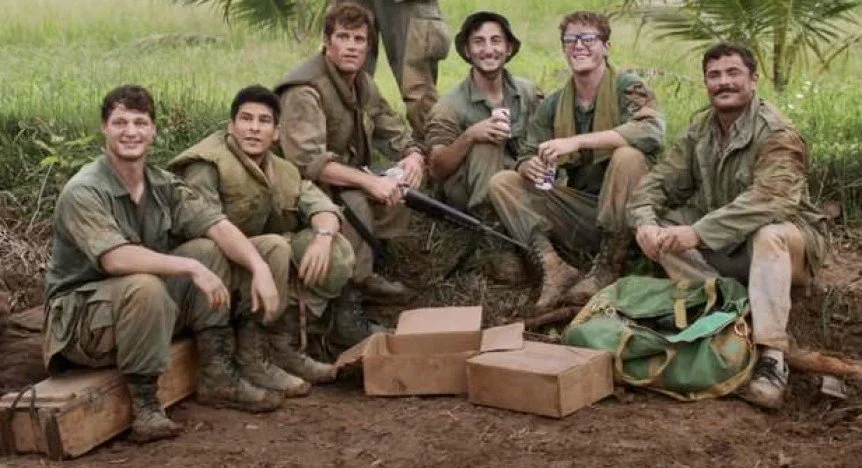
Yes. John "Chickie" Donohue actually traveled to South Vietnam in late 1967 with a duffel bag full of beer and successfully located his neighborhood friends, including Rick Duggan, Kevin McLoone, and Bobby Pappas. While specific conversations, timelines, and composite characters (such as photographer Arthur Coates) were dramatized for the screen, the core events—including his presence in Saigon during the Tet Offensive—are historically documented in Donohue's co-authored memoir.
Why did film critics give The Greatest Beer Run Ever negative reviews?
Critics primarily criticized the movie's inconsistent tone, arguing that blending lighthearted buddy-comedy beats with the horror of the Tet Offensive trivialized the historical trauma of the Vietnam War. Many reviewers also felt that Chickie's political awakening was oversimplified and handled with formulaic storytelling methods.
Who directed The Greatest Beer Run Ever?
The movie was directed by Peter Farrelly, who co-wrote the screenplay alongside Brian Currie and Pete Jones. Farrelly is known for directing hit comedies such as Dumb and Dumber and There's Something About Mary, as well as the 2018 Academy Award-winning drama Green Book.
What brand of beer did Chickie Donohue bring to Vietnam?
Chickie Donohue brought Pabst Blue Ribbon (PBR) beer from New York to South Vietnam, as it was a staple brand consumed in his Inwood, Manhattan neighborhood bar during the 1960s.
Where can viewers watch The Greatest Beer Run Ever?
The Greatest Beer Run Ever is an Apple Original Film and is available for streaming exclusively on the Apple TV+ platform, having premiered globally on September 30, 2022.
Final Viewing Perspective
When evaluating The Greatest Beer Run Ever, viewers should approach the film not as an exhaustive historical documentary, but as an exploration of how naive patriotism confronted the harsh realities of the Vietnam War on the ground.
To gain the most balanced understanding of the story:
- Read the Original Memoir: Review The Greatest Beer Run Ever: A Memoir of Friendship, Loyalty, and War by John "Chickie" Donohue and J.T. Molloy to separate real-life logistical feats from Hollywood dramatization.
- Compare Cultural Contexts: Watch the film alongside established Vietnam War features like Good Morning, Vietnam and Platoon to observe how different generations of filmmakers balance humor, political commentary, and historical combat.
Image Gallery