Did Walter White Really Have Cancer? A Comprehensive Medical and Narrative Analysis
In the AMC series Breaking Bad, Walter White is diagnosed with inoperable Stage IIIA lung cancer in the pilot episode. This diagnosis is the definitive inciting incident of the series; it is a factual reality within the show’s universe...
In the AMC series Breaking Bad, Walter White is diagnosed with inoperable Stage IIIA lung cancer in the pilot episode. This diagnosis is the definitive inciting incident of the series; it is a factual reality within the show’s universe that drives every subsequent decision he makes. While fans occasionally debate his motivations, the medical reality of his illness is verified through clinical symptoms, radiological evidence, and the physical toll of treatment shown across five seasons.
Contents
The Initial Diagnosis: Understanding Walter White’s Stage IIIA Cancer
The narrative of Breaking Bad begins with a sudden medical crisis. Walter White, a 50-year-old high school chemistry teacher and non-smoker, collapses at his part-time job at a car wash. After being transported to the hospital, he receives a diagnosis that alters the course of his life: adenocarcinoma of the lung, specifically classified as Stage IIIA.
Stage IIIA lung cancer is considered "locally advanced." In Walt's case, the oncologist describes it as inoperable, meaning the tumor was positioned in a way that surgical removal was not a viable primary option at the time of discovery. The "non-smoker" aspect of his diagnosis is a crucial detail that highlights the irony and perceived unfairness of his situation, fueling his transition from a passive, law-abiding citizen to a ruthless criminal protagonist.
From a medical standpoint, adenocarcinoma is the most common form of lung cancer found in non-smokers. It typically originates in the outer areas of the lungs. The show accurately portrays the initial symptoms, which include a persistent, dry cough and eventual hemoptysis (coughing up blood), which Walt experiences as the disease progresses and later recurs.
Medical Accuracy: Adenocarcinoma vs. Real-World Survival Rates
The portrayal of Walter White’s illness was lauded for its relative realism, especially regarding the physical and psychological toll of the disease. In 2026, looking back at the medical standards of the late 2000s when the show was set, the survival statistics for Stage IIIA adenocarcinoma were grim.
Typically, the five-year survival rate for Stage IIIA non-small cell lung cancer (NSCLC) was approximately 15% to 25% during that era. By the time the show reaches its final season, Walt’s cancer is implied to have progressed to Stage IV, where the survival rate drops significantly. The show’s writers consulted with medical professionals to ensure that Walt’s response to treatment—specifically the use of cisplatin and other chemotherapeutic agents—mirrored the actual experiences of patients.
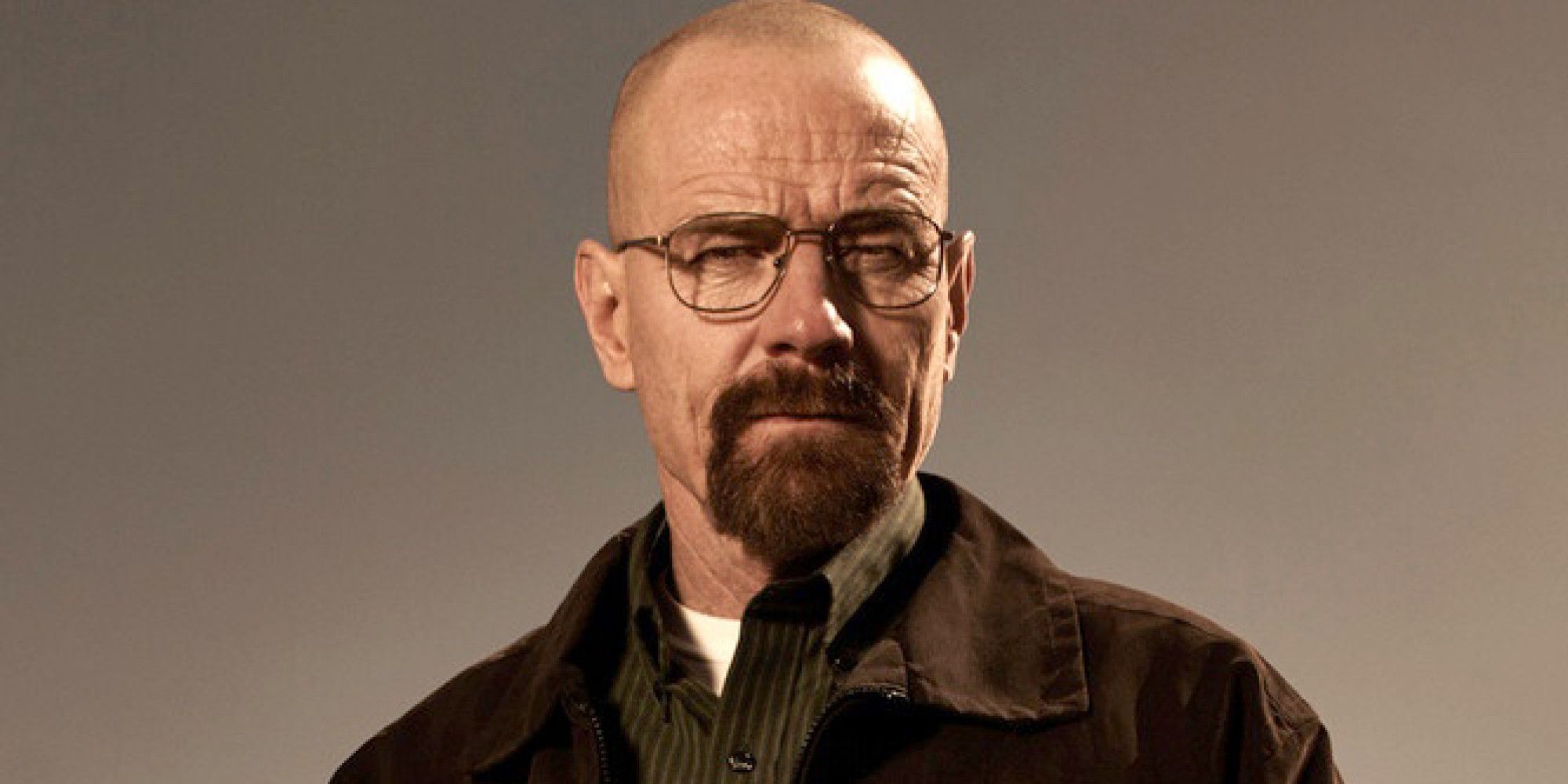
The physical manifestations of the disease and its treatment are central to the "Heisenberg" transformation. The most iconic change is Walt shaving his head, which he initially does because his hair begins to fall out in clumps due to chemotherapy. This aesthetic choice, born of medical necessity, becomes the visual hallmark of his criminal persona.
The Financial Burden: Why the Diagnosis Led to Methamphetamine Production
One of the most significant "real-world" aspects of Walter White’s cancer is the focus on financial toxicity. This term refers to the economic burden placed on patients by the high cost of medical care. Walt’s primary motivation for entering the meth trade was not just his impending death, but the realization that his insurance (as a public school teacher) would not cover the "best" available treatments or provide for his family after his passing.
In the first season, Walt calculates a specific number: $737,000. This figure was his estimate of what his family would need to pay off the mortgage and put his children through college once he was gone. The cost of his initial treatment at a private clinic, led by the prestigious Dr. Delcavoli, was estimated at roughly $90,000 for a ten-week cycle.
| Phase of Illness | Clinical Status | Primary Treatment | Narrative Impact |
|---|---|---|---|
| Initial Diagnosis | Stage IIIA Adenocarcinoma | Chemotherapy & Radiation | Motivates entry into meth production. |
| Treatment Peak | Severe nausea, hair loss | High-dose Cisplatin | Adoption of the "Heisenberg" look. |
| Remission | 80% tumor reduction | Surgical resection (later) | Ego shift; Walt continues crime by choice. |
| Recurrence | Stage IV (Metastatic) | Palliative care / Pills | Leads to the final resolution in New Hampshire. |
The "Grey Matter" offer from Elliott and Gretchen Schwartz serves as a pivotal moment in the show. They offer to pay for his entire treatment, which would have solved his primary problem. Walt’s refusal of this offer proves that while the cancer was real, his subsequent actions were driven by pride and a desire for agency, rather than purely by medical necessity.
Treatment Protocols and the Period of Remission
Walter White undergoes a rigorous regimen of chemotherapy and radiation. The show depicts the grueling side effects of these treatments, including intense bouts of vomiting, "chemobrain" (cognitive fog), and profound fatigue. These elements ground the show in reality, preventing the "cancer" from becoming a mere plot device that disappears when convenient.
In Season 2, the story takes a major turn when Walt undergoes a CT scan to evaluate the effectiveness of his treatment. The results show an 80% reduction in tumor size, allowing him to enter a state of remission. This leads to a surgical procedure to remove the remaining mass.
Ironically, the news of his remission causes Walt to have a violent outburst in a bathroom, punching a chrome towel dispenser. This reaction highlights his internal conflict: he had prepared himself to die as a "hero" providing for his family, but remission meant he had to live with the consequences of the monstrous things he had done to secure that money.
Recurrence: The Return of the Cancer in Season 5
The question of whether Walt "really" has cancer is answered definitively in the final season. After a period of relative health, the symptoms return. In the episode "Blood Money," it is revealed that Walt’s cancer has returned and is likely terminal. He is seen taking medication and eventually resumes chemotherapy treatments in secret.
By the series finale, "Felina," Walt is visibly emaciated and weakened. The cancer has spread, and he is clearly reaching the end of his natural life. While he ultimately dies from a gunshot wound sustained during his assault on the neo-Nazi compound, the show makes it clear that the cancer would have claimed his life within weeks or months regardless. The return of the illness strips away his remaining excuses, leading him to finally admit to Skyler: "I did it for me. I liked it. I was good at it."
Fact-Checking Fan Theories: Was it All a Hoax?
Despite the clear evidence provided in the show, some fan theories have suggested that Walter White faked his illness or that it was psychosomatic. However, these theories do not hold up against the internal logic of the series:
- Independent Verification: Walt’s cancer is confirmed by multiple doctors, including those chosen by his family (Hank and Marie), who would have no reason to lie for him.
- Physical Evidence: The show provides numerous shots of Walt’s medical scans, his Hickman line (a central venous catheter used for chemo), and his physical deterioration.
- The "Fly" Episode: In moments of total isolation, Walt’s struggles with his health are shown. If he were faking, he would not maintain the charade when no one is watching.
The cancer was a biological reality, but it functioned as a psychological "permission slip." It allowed a suppressed, bitter man to break social contracts because he believed he no longer had to live with the long-term consequences of his actions.
Frequently Asked Questions
What kind of cancer did Walter White have?
Walter White had adenocarcinoma of the lung. It was initially diagnosed as Stage IIIA and was described as inoperable because of its location and the involvement of lymph nodes. Adenocarcinoma is the most common type of lung cancer found in people who have never smoked.
Did Walter White die from cancer?
No, Walter White died from a gunshot wound in the series finale. However, his cancer had returned and was in an advanced, terminal stage. He would have died from the disease shortly after the events of the finale had he not been killed in the shootout.
How much did Walter White’s cancer treatment cost?
In the show, the initial private treatment cost was approximately $90,000 per cycle. Walt’s goal was to earn $737,000 to cover his medical debts and provide for his family's future, though he eventually earned over $80 million.
Why did Walter White get cancer if he didn't smoke?
Lung cancer in non-smokers can be caused by various factors, including radon gas exposure, secondhand smoke, or environmental carcinogens. In Walt’s case, the show hints at his years of working in chemical labs with potentially hazardous substances as a possible contributing factor, though no single cause is officially confirmed.
Was the cancer in remission?
Yes, in Season 2, Walt’s tumor shrunk by 80%, allowing him to undergo surgery. He remained in remission for much of the middle of the series (Seasons 3 and 4) before the cancer returned in Season 5.
Final Recommendation for Viewers
To fully understand the role of illness in Breaking Bad, viewers should pay close attention to the medical markers provided in Season 1 and Season 5. The transition from the "non-smoker" irony of the pilot to the terminal recurrence in the finale provides the necessary bookends for Walter White's moral decay. For those interested in the medical realism of the show, resources like the American Cancer Society provide context on Stage III and IV adenocarcinoma that mirrors Walt's clinical progression.
Image Gallery