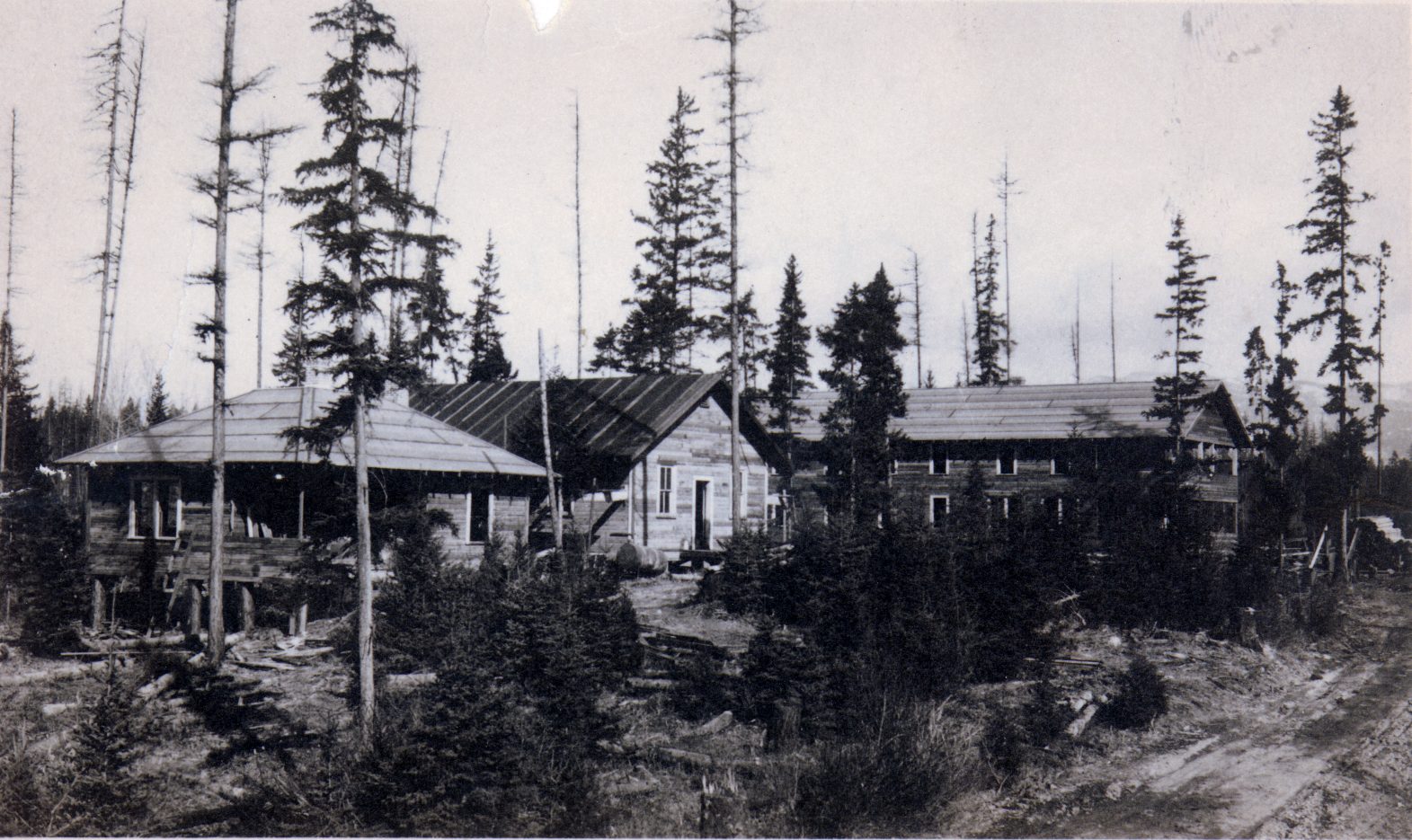
Laurel’s Timber Roots: How the Yellow Pine Legacy Shapes Modern Community Identity
Laurel, Mississippi, defines its modern identity through a deliberate reconnection with its industrial heritage as the former "Yellow Pine Capital of the World." By preserving early 20th-century architecture, revitalizing timber-based...
Laurel, Mississippi, defines its modern identity through a deliberate reconnection with its industrial heritage as the former "Yellow Pine Capital of the World." By preserving early 20th-century architecture, revitalizing timber-based craftsmanship, and leveraging its history of innovation, the community has transformed a legacy of heavy industry into a thriving cultural and economic brand centered on authenticity and preservation.
Contents
The story of Laurel is not merely one of Southern charm; it is a narrative of industrial grit, strategic urban planning, and the enduring influence of the timber industry. To understand why Laurel remains a point of fascination in 2026, one must look beneath the surface of its renovated bungalows to the heart pine foundations that built the city. The intersection of "hometown" sentimentality and "timber" economics provides the blueprint for how a small town can survive the decline of manufacturing by turning its history into its primary asset.
The Foundation of the Yellow Pine Capital
The identity of Laurel was forged in 1882 with the arrival of the New Orleans and Northeastern Railroad, but it was the vast stands of virgin longleaf yellow pine that dictated the city’s destiny. Unlike many Mississippi towns that grew around cotton, Laurel was an industrial anomaly. In 1893, the Eastman-Gardiner & Company mill opened, marking the beginning of an era that would see Laurel become the global epicenter of timber production.
The families who founded these mills—the Eastmans, Gardiners, and Rogers—did not view Laurel as a temporary work camp. They envisioned a "City Beautiful." This philosophy, popular in the late 19th century, suggested that urban beauty could inspire social order and civic loyalty. Because the timber wealth was concentrated and the founders were invested in the community's longevity, they funded high-quality infrastructure, libraries, and parks that remain the backbone of Laurel’s identity today.
The Impact of Longleaf Pine on Local Craftsmanship
The longleaf pine (Pinus palustris) was more than a commodity; it was the superior building material of the Industrial Revolution. Known for its density, rot resistance, and high resin content, "heart pine" from Laurel was exported globally to build factories, bridges, and ships. Within the community, this abundance of high-quality wood led to a standard of residential construction that was unusually high for the region.
In 2026, this legacy is visible in the preservation efforts of the Laurel Historic District. The sheer volume of surviving early-century homes is a direct result of the durability of the local timber used in their framing. For modern residents, living in a house built from the same wood that drove the town's original economy creates a tangible, physical link to their ancestors' labor.
Industrial Innovation: The Birth of Masonite
The timber roots of Laurel extended beyond the simple harvesting of logs; the city became a hub for technical innovation. In 1924, William H. Mason, a former associate of Thomas Edison who had moved to Laurel to work on timber utilization, discovered a method to turn wood waste into high-density fiberboard.
Using a "steam gun" to explode wood chips into fibers and then pressing them under heat, Mason created "Masonite." This invention revolutionized the construction industry and provided Laurel with a second industrial wind just as the virgin pine forests were beginning to thin.
Technological Milestones in Laurel’s Timber History:
| Period | Milestone | Impact on Community Identity |
|---|---|---|
| 1893-1910 | Arrival of Eastman-Gardiner | Established Laurel as an industrial powerhouse; funded civic architecture. |
| 1924 | Invention of Masonite | Shifted the economy from raw extraction to high-tech manufacturing and waste utilization. |
| 1930s | The City Beautiful Movement | Solidified the aesthetic of Laurel through the creation of the Lauren Rogers Museum of Art. |
| 1970s-1990s | Industrial Decline | A period of introspection where the community had to decide between abandonment or preservation. |
| 2016-2026 | The Restoration Era | National recognition of Laurel’s craftsmanship led to a tourism and real estate boom. |
The Masonite legacy taught the community that resilience lies in innovation. Even as the primary sawmills eventually closed, the spirit of taking "what we have" and making it "something world-class" remained a core tenant of the local psyche.
The Architecture of Wealth and Philanthropy
Community identity is often reflected in the institutions a town chooses to support. In Laurel, the timber barons utilized their profits to create a cultural infrastructure that was decades ahead of its time. The most prominent example is the Lauren Rogers Museum of Art, Mississippi’s first art museum, established in 1923.
Originally intended to be a home for Lauren Rogers, the grandson of one of the mill founders, the building was converted into a museum and library following his untimely death. The museum’s existence in a small Mississippi town is a testament to the international outlook of the timber families. They brought world-class art and literature to the piney woods, ensuring that the identity of a "timber worker" in Laurel was associated with access to culture and education.
This philanthropic history created a "hometown" pride that is distinct from neighboring agricultural communities. It fostered a sense of being part of a "model city," a sentiment that was revitalized during the historic preservation movements of the 21st century.
The Modern Revival: Craftsmanship as Brand
The transition of Laurel from an industrial center to a destination for heritage tourism was accelerated by the global success of the HGTV series Home Town. However, the "Home Town" phenomenon was only possible because the town had preserved its timber-era assets.
Ben and Erin Napier, the faces of this revival, have consistently prioritized "timber roots" in their work. By highlighting the use of salvaged heart pine and supporting local woodworkers, they have reframed the city's industrial past as a premium lifestyle brand. This has had several quantifiable impacts on the community identity in 2026:
- Economic Diversification: While the large mills are gone, a new economy of boutique manufacturing and artisanal woodcraft has emerged.
- Property Value Stabilization: The focus on restoring historic homes rather than replacing them has led to a sustained increase in property values within the historic district.
- Demographic Shift: Laurel has seen an influx of "amenity migrants"—people moving to the city specifically for its aesthetic and historical character.
This modern identity is built on the idea that the "roots" of the community are literally in the wood. The craftsmanship that was once a necessity for building a frontier mill town is now the primary attraction for visitors and new residents.
Challenges in Preserving Timber Heritage
As of 2026, the success of Laurel’s identity-based growth has brought new challenges. Maintaining the integrity of a "timber town" requires more than just painting old houses.
- Sustainability of Materials: Original heart pine is a finite resource. As restoration efforts continue, the community must balance the desire for "authentic" materials with modern sustainability practices and the use of reclaimed timber.
- Gentrification Risks: As the "hometown" brand grows more valuable, there is a risk that the descendants of the original mill workers—the very people whose identity the town celebrates—may be priced out of the historic center.
- Maintaining Industrial Relevance: Laurel still maintains an industrial presence (including Howard Industries and various specialized manufacturing). The community must ensure that the "museum-quality" preservation of the historic district does not alienate the active industrial workforce that continues the town’s blue-collar legacy.
How to Experience Laurel's Timber History
For those looking to understand the technical and historical depth of Laurel’s roots, certain landmarks provide the most comprehensive insight:
- The Historic District Walking Tour: This area contains one of the most concentrated collections of early 20th-century residential architecture in the South, showcasing the diverse ways timber wealth was expressed through design.
- The Gardiner Park Area: This neighborhood reflects the "City Beautiful" planning, with wide boulevards and public spaces designed to improve the quality of life for all residents.
- Local Woodworking Shops: Visiting active workshops in the downtown area allows observers to see how modern tools are used to work the same dense yellow pine that defined the city 130 years ago.
Verifying Historical Records
Researchers and visitors interested in the primary sources of Laurel's timber era can access the archives at the Mississippi Department of Archives and History. These records include original mill ledgers, town plats from the Eastman-Gardiner era, and early photographs of the Masonite Corporation’s development.
FAQ
What is "Heart Pine" and why is it important to Laurel?
Heart pine refers to the non-living, resin-saturated center of the longleaf yellow pine tree. It is significantly harder and more durable than modern pine lumber. In Laurel, heart pine is the literal foundation of the community’s identity because it allowed the city's historic structures to survive the humid, termite-prone climate of Mississippi for over a century.
Was Laurel really the "Yellow Pine Capital of the World"?
Yes, during the peak of the timber boom between 1900 and 1920, Laurel’s mills produced more yellow pine lumber than any other location globally. This massive output funded the unique architectural and cultural institutions that distinguish Laurel from other small towns in the American South.
How did the invention of Masonite change Laurel?
Masonite saved Laurel from the "boom and bust" cycle common to timber towns. When the virgin forests were depleted, the Masonite process allowed the community to use wood scraps and "waste" to create a new, globally successful product. This transitioned Laurel from a raw resource extractor to a specialized manufacturer, providing economic stability for decades.
Who were the main families behind Laurel’s timber roots?
The primary figures were George and Silas Gardiner and Lauren Eastman. These families moved from Iowa to Mississippi, bringing with them the capital and the philosophical belief in "corporate paternalism," which led them to build a permanent city with high-quality schools and parks rather than a temporary lumber camp.
How does the HGTV show Home Town relate to the city’s timber history?
The show, led by Ben and Erin Napier, serves as a modern guardian of the city's timber identity. Ben Napier’s focus on woodworking and the use of reclaimed local materials reinforces the community's historical connection to craftsmanship, making the city's industrial past accessible and attractive to a 21st-century audience.
Practical Recommendation
For those interested in the intersection of history and community development, the most effective next step is to visit the Lauren Rogers Museum of Art to view the "Laurel History" exhibits, followed by a visit to the Mississippi Antique Park. This allows a direct comparison between the high-culture aspirations of the timber barons and the practical, everyday tools and artifacts used by the workers who built the city. Understanding both sides of this industrial coin is essential for appreciating how Laurel maintains its unique identity in 2026.
Image Gallery