The Ultimate Anti Wrinkle Serum Showdown: Evaluating Efficacy and Ingredients
Selecting an anti-wrinkle serum requires navigating a complex landscape of biochemical claims, concentration levels, and varying skin-type tolerances. Success depends on identifying your specific skin concern—such as fine lines, deep e...
Selecting an anti-wrinkle serum requires navigating a complex landscape of biochemical claims, concentration levels, and varying skin-type tolerances. Success depends on identifying your specific skin concern—such as fine lines, deep expression furrows, or loss of elasticity—and matching it with a clinically supported active ingredient, typically retinoids, peptides, or antioxidants, while establishing a consistent, sustainable application protocol.
Contents
Understanding the Mechanism of Action
Anti-wrinkle serums are functional cosmetic products designed to address signs of aging by targeting the structural integrity of the skin. Unlike moisturizers, which are formulated primarily to occlude or hydrate the stratum corneum (the outermost layer of skin), serums are engineered with lower molecular weight vehicles. This design allows active ingredients to penetrate more effectively to reach the viable epidermis or, in some cases, influence the dermal-epidermal junction.
The "showdown" in the efficacy of these products usually boils down to the stability and concentration of the primary actives. For instance, topical retinoids (such as retinol or retinaldehyde) function by binding to nuclear retinoic acid receptors, which accelerates keratinocyte turnover and stimulates collagen synthesis. Peptides, by contrast, act as signaling molecules that may influence the production of matrix proteins like collagen and elastin. Understanding that these processes take time—typically 8 to 12 weeks of consistent usage—is a crucial prerequisite for any realistic expectations regarding performance.
Key Active Ingredients: A Comparative Analysis
To conduct a fair evaluation of any anti-wrinkle serum, one must look past marketing terminology and focus on the ingredient list, specifically looking for components with peer-reviewed dermatological backing.
- Retinoids: Often considered the gold standard in dermatology for treating fine lines. Retinol is a vitamin A derivative that must be converted into retinoic acid by the skin. While highly effective, it is also associated with "retinization," a period of adjustment that may involve peeling, redness, or sensitivity.
- Peptides: These are short chains of amino acids. Certain peptides, such as Palmitoyl Pentapeptide-4, are formulated to mimic the skin's natural repair signals. They are generally better tolerated by sensitive skin than retinoids but may require longer usage periods to show visible differences in wrinkle depth.
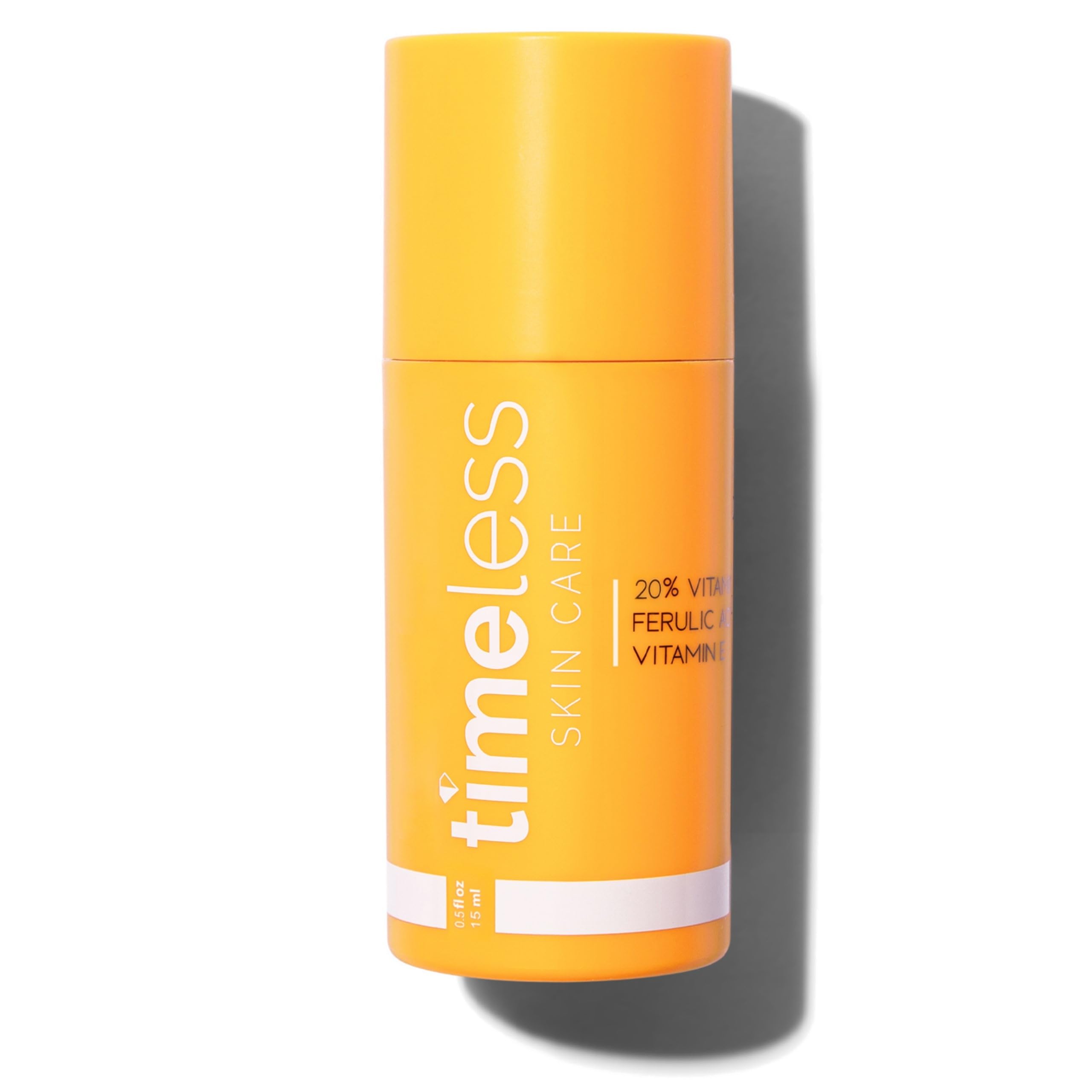
- Antioxidants (Vitamin C, Ferulic Acid): These protect the skin from environmental stressors such as UV radiation and pollution, which contribute to premature aging. They are often used as daytime companions to retinoids, which are restricted to nighttime use due to photosensitivity.
- Hyaluronic Acid and Humectants: While these do not "remove" wrinkles, they are essential for plumping the skin through rapid hydration, which makes existing fine lines appear temporarily less prominent.
Comparison of Anti-Wrinkle Serum Categories
| Ingredient Category | Primary Benefit | Best For | Typical Irritation Risk |
|---|---|---|---|
| Retinoids | Collagen synthesis | Deep lines & texture | High |
| Peptides | Barrier support | Sensitive skin | Low |
| Vitamin C | Brightening & protection | Uneven skin tone | Moderate |
| Bakuchiol | Retinoid-like effects | Plant-based preference | Very Low |
| Niacinamide | Texture & barrier | Oil control | Low |
Establishing a Strategic Application Protocol
The "ultimate" serum only works if integrated into a rigorous skincare architecture. A common mistake is the indiscriminate layering of products, which can lead to chemical neutralization or intense skin barrier disruption.
- Preparation: Always begin with a clean, dry face. Applying retinoids to damp skin can increase penetration too quickly, resulting in heightened irritation.
- Order of Operations: The industry standard is the "thinnest to thickest" rule. Serums, which typically have a lower viscosity, should be applied immediately after cleansing or toning. Moisturizer follows to seal the serum and support the lipid barrier.
- Frequency and Titration: If you are new to high-potency ingredients like retinol, utilize the "start low and go slow" method. Begin with a bi-weekly application, gradually increasing to nightly usage as your skin develops tolerance.
- UV Protection: This is non-negotiable. Many anti-wrinkle actives increase the skin’s sensitivity to sunlight. Failure to use a broad-spectrum sunscreen with at least SPF 30 daily will counteract the benefits of the serum and potentially accelerate photodamage.
Troubleshooting and Managing Adverse Reactions
If you experience persistent burning, scaling, or redness, you may be experiencing contact dermatitis or over-exfoliation. In such cases, the recommended course of action is to suspend the use of all active ingredients immediately. Focus instead on simple, non-fragranced barrier repair creams containing ceramides or panthenol.
Before resuming, consider whether your serum concentration is too high for your skin type. Many users fall into the trap of purchasing the strongest available percentage, assuming it will yield faster results. In reality, a lower concentration used consistently without causing irritation will almost always outperform a high-concentration product that forces you to take frequent breaks due to sensitivity.
Frequently Asked Questions
How long does it take to see results from an anti-wrinkle serum? Most clinical improvements in skin texture and fine line reduction occur after 8 to 12 weeks of daily, consistent application. Because skin cell turnover cycles take approximately 28 days, shorter timeframes are rarely sufficient to evaluate efficacy.
Can I use multiple anti-wrinkle serums at the same time? You can, but proceed with caution. Mixing too many actives—such as a retinoid and a strong chemical exfoliant—can compromise your skin barrier. It is often more effective to use a retinoid at night and a Vitamin C or peptide serum during the day.
Do expensive serums always work better? Not necessarily. Efficacy is determined by the concentration, stability, and delivery system of the active ingredients, not the price point. Some pharmacy-grade products contain the same percentage of effective ingredients as luxury alternatives. Research the active ingredient concentration rather than the brand prestige.
Is it safe to use anti-wrinkle serums while pregnant? Dermatologists generally advise against the use of topical retinoids during pregnancy. Consult with your healthcare provider or a board-certified dermatologist for safe alternatives, such as those formulated with peptides or plant-based botanicals.
What is the "purging" phase associated with retinoids? Purging occurs when increased cell turnover brings underlying debris to the surface, potentially causing a temporary increase in breakouts. This is different from an allergic reaction or irritation, as it usually clears up within a few weeks as the skin adapts.
Final Recommendation
The "ultimate" serum is not the one with the most aggressive marketing, but the one containing proven ingredients that your skin can tolerate daily. If your primary goal is anti-aging, prioritize a retinoid-based serum for night use and a high-quality moisturizer with SPF for the day. Consistency is the primary driver of results; choose a product that fits your budget and lifestyle, and commit to a 90-day trial period before adjusting your regimen.
Image Gallery