The Truth About Life Insurance Stories: Separating Fact from Financial Fiction
Life insurance stories typically fall into two extremes: the miraculous financial rescue of a grieving family or the frustrating tale of a denied claim. The truth is that while over 98% of life insurance claims are paid in full, the "h...
Life insurance stories typically fall into two extremes: the miraculous financial rescue of a grieving family or the frustrating tale of a denied claim. The truth is that while over 98% of life insurance claims are paid in full, the "horror stories" usually stem from misunderstandings of the contestability period, material misrepresentation during the application, or the complex mechanics of permanent policy cash values.
Contents
The Dichotomy of Life Insurance Experiences
When researching life insurance, consumers often encounter polarized narratives. On one hand, insurance companies use emotional marketing to showcase "success stories" where a policy provided a lifeline during a tragedy. On the other hand, social media and news outlets are filled with "cautionary tales" of families left empty-handed. To understand the truth, one must look past the anecdotes and examine the contractual obligations that govern these products in 2026.
The fundamental tension in life insurance stories arises from the nature of the contract itself. A life insurance policy is a legal agreement based on the principle of utmost good faith (uberrimae fidei). This means both the applicant and the insurer are legally bound to be completely honest. Most "bad stories" occur when this bridge of honesty or understanding collapses, either through intentional fraud or, more commonly, through a simple lack of clarity regarding policy terms.
Why "Bad Stories" Dominate Public Perception
Human psychology dictates that negative experiences are shared more frequently and with more intensity than positive ones. If an insurance company pays a $500,000 death benefit quietly and efficiently, it rarely makes for a viral story. However, if a claim is denied due to a technicality, it becomes a rallying cry against the industry. Understanding the mechanics of these denials is essential to seeing the "truth" behind the stories.
The Contestability Period (The 2-Year Rule)
One of the most frequent sources of life insurance "horror stories" is the contestability period. In almost every jurisdiction in 2026, life insurance policies include a clause that allows the insurer to investigate the original application if the insured person dies within the first two years of the policy being active.
If the insurer finds that the applicant lied about their health history—even if the cause of death is unrelated to the lie—they have the legal right to deny the claim and simply refund the premiums. For example, if an applicant fails to disclose a history of high blood pressure but dies in a car accident during the contestability period, the insurer may still deny the claim. To the family, this feels like a betrayal; to the insurer, it is a matter of contractual integrity.
Material Misrepresentation: The Honest Mistake Trap
"Material misrepresentation" is a technical term for providing false information that would have changed the insurer's decision to issue the policy or the price of the premiums. Many people believe that once they are "approved," they are safe. However, the truth is that underwriting is often "at-claim," meaning the deepest investigation happens after the death occurs.
Common areas where applicants trigger future "bad stories" include:
- Smoking Status: Claiming to be a non-smoker when using occasional tobacco or nicotine products.
- Income Inflation: Overstating income to qualify for a higher death benefit.
- Medical History: "Forgetting" a prescription medication or a diagnostic test from three years prior.
- High-Risk Hobbies: Failing to mention a passion for SCUBA diving or private piloting.
Permanent Life Insurance: The Most Contentious Stories
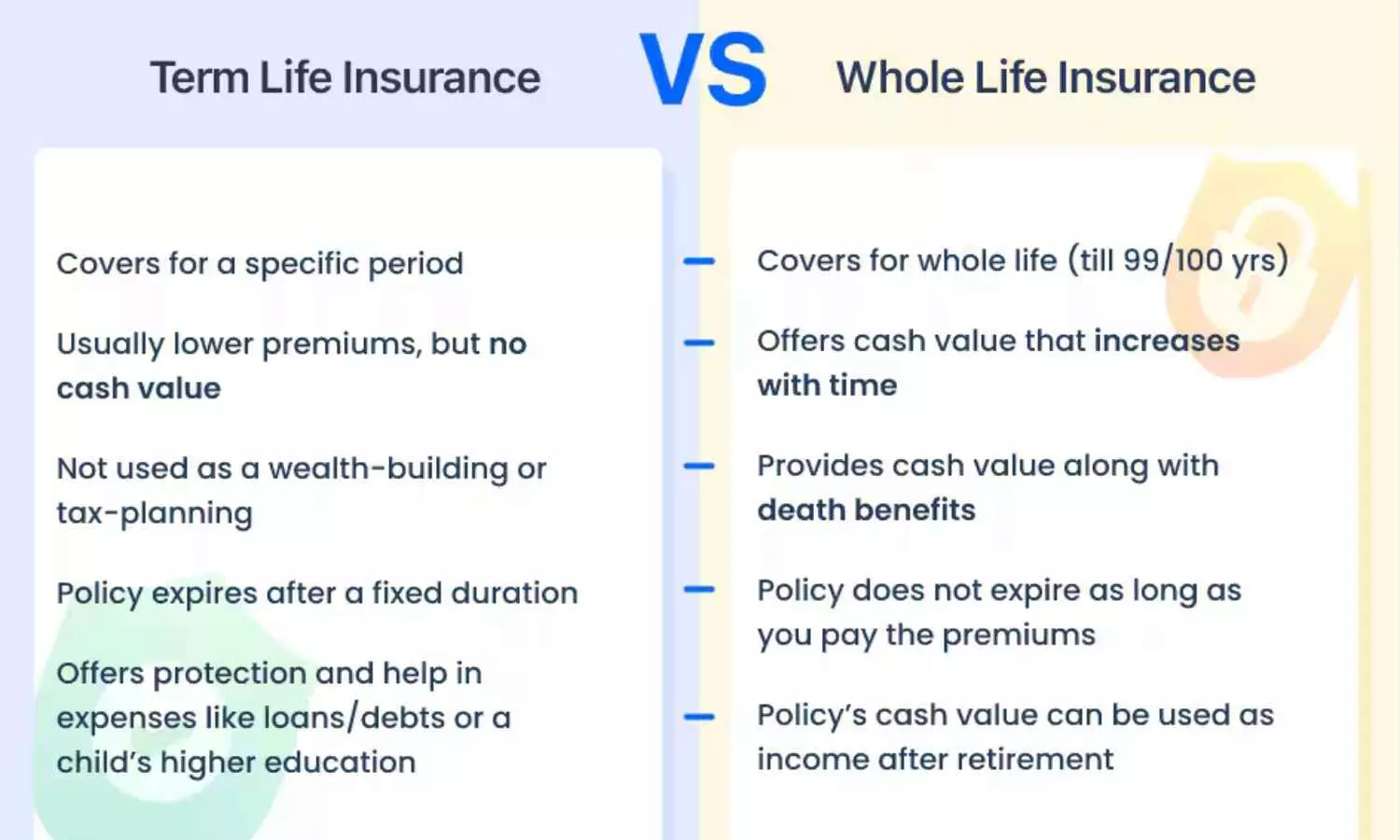
The most complex and often bitter stories involve permanent life insurance products, such as Whole Life or Universal Life. Unlike Term Life, which is straightforward (you pay, you die, they pay), permanent policies involve cash value components, dividend projections, and internal fees.
The "Scam" Narrative and Cash Value
Many policyholders feel "cheated" when they realize that the cash value in their policy is not paid out in addition to the death benefit. In a standard Whole Life policy, the cash value is a living benefit; if you die, the beneficiary receives the face amount (death benefit), and the insurance company keeps the cash value. While this is how the product is designed and priced, poor sales tactics often lead to stories of "stolen" savings.
Policy Lapses and "Phantom" Premiums
In 2026, we still see the fallout from policies sold in the late 20th and early 21st centuries with "vanishing premiums." These were Universal Life policies where agents projected that high interest rates would cover the cost of insurance indefinitely. When interest rates remained low for decades, the internal cash value was depleted, and policyholders were suddenly hit with massive "catch-up" premiums to keep the coverage active. These stories are a reminder that projections are not guarantees.
Verification Table: Term vs. Permanent Reality Check
This table clarifies the common friction points that lead to the "stories" consumers hear today.
| Feature | Term Life Insurance | Permanent (Whole/Universal) | The "Story" Reality |
|---|---|---|---|
| Complexity | Low | High | High complexity leads to more "bad stories." |
| Claim Payout Rate | Very High (>98%) | Very High (>98%) | Denials are rare but highly publicized. |
| Cost Predictability | Fixed for the term | Can vary (Universal) | Unexpected price hikes cause policy lapses. |
| Cash Value Access | None | Available via loans/withdrawal | Loans reduce the death benefit, causing confusion. |
| Primary Risk | Outliving the policy | Policy lapsing due to costs | Term insurance often "fails" because the user lives. |
How to Ensure Your Story Has a Positive Ending
The "truth" about life insurance is that it is a tool that requires precise calibration. To avoid becoming a cautionary tale, policyholders must move beyond the "set it and forget it" mentality.
1. Radical Honesty During Underwriting
The easiest way to guarantee a payout is to be over-transparent during the application. If you aren't sure if a medical event was significant, disclose it anyway. The National Association of Insurance Commissioners (NAIC) emphasizes that accurate disclosure is the consumer's primary protection against future claim denials.
2. Understand the "Exclusions"
Every policy has exclusions. While most people know about the suicide clause (which typically limits payouts within the first two years), there may also be exclusions for "acts of war," "aviation" (private flying), or "illegal acts." Reading the "Exclusions" section of your 2026 policy takes ten minutes but can prevent a lifetime of legal battles for your beneficiaries.
3. Annual Policy Reviews
Circumstances change. A policy that was sufficient five years ago may now be outdated due to inflation, new debt, or changes in family structure. An annual review ensures the beneficiaries are correct and the coverage amount still meets the intended goal. This prevents the "not enough money" stories that often surface during probate.
Navigating Denied Claims in 2026
If you find yourself in a situation where a life insurance claim has been denied, it is important to realize that a denial is not always the final word. The "truth" is that insurers do make mistakes in their investigations.
- Request the Denial Letter: Insurers are legally required to provide a written explanation for a denial.
- Check the Facts: Sometimes, medical records are merged incorrectly, or a physician's note is misinterpreted. Collect your own evidence to refute the insurer’s claims.
- The Incontestability Clause: If the policy has been active for more than two years, the insurer's ability to deny a claim based on application errors is severely limited.
- State Insurance Departments: If an insurer is acting in bad faith, consumers can file a complaint with their state's Department of Insurance. These regulators have the power to penalize companies that unfairly withhold benefits.
Common Questions About Life Insurance Realities
Does life insurance actually pay out if you die of a disease?
Yes. As long as the disease was not hidden during the application process (material misrepresentation) and the policy is active, death by natural causes, including illnesses like cancer or heart disease, is covered.
What happens if the insurance company goes bankrupt?
In the rare event of an insurer's insolvency, State Guaranty Associations step in to protect policyholders. While the limits vary by state, these associations typically provide coverage for death benefits up to $300,000 or more, ensuring that the "story" doesn't end in total loss.
Can they deny a claim if I die while doing something dangerous?
Only if there is a specific exclusion in your policy for that activity (e.g., base jumping or professional racing). If your policy does not explicitly exclude the activity, the insurer must pay the claim, regardless of the perceived "risks" you took.
Is the "cash value" in whole life a scam?
No, but it is often misunderstood. It is a portion of your premium that earns interest and can be used for loans or to pay future premiums. The "scam" stories usually come from people who were told it was an "investment" that outperformed the stock market, which is rarely the case.
Final Recommendation: Document and Communicate
The most tragic life insurance stories are the ones where the family didn't even know a policy existed. In 2026, use digital vaults or physical "legacy folders" to store your policy number, the company name, and your agent's contact information.
The truth about life insurance is that it is not a "get rich quick" scheme or a trap designed to steal your premiums; it is a cold, calculated financial contract. When you respect the contract's requirements for honesty and payment, the contract respects your family’s need for financial security. To ensure your story is one of success, treat your policy as a living document that requires your attention, your honesty, and your clear communication with your loved ones.
Image Gallery