Securian Life Insurance Suicide Clause Explained: Rules, Timelines, and Payouts
The Securian Financial suicide clause typically stipulates that if the insured person dies by suicide within the first two years of the policy’s effective date, the death benefit will not be paid. Instead, Securian (or its subsidiary,...
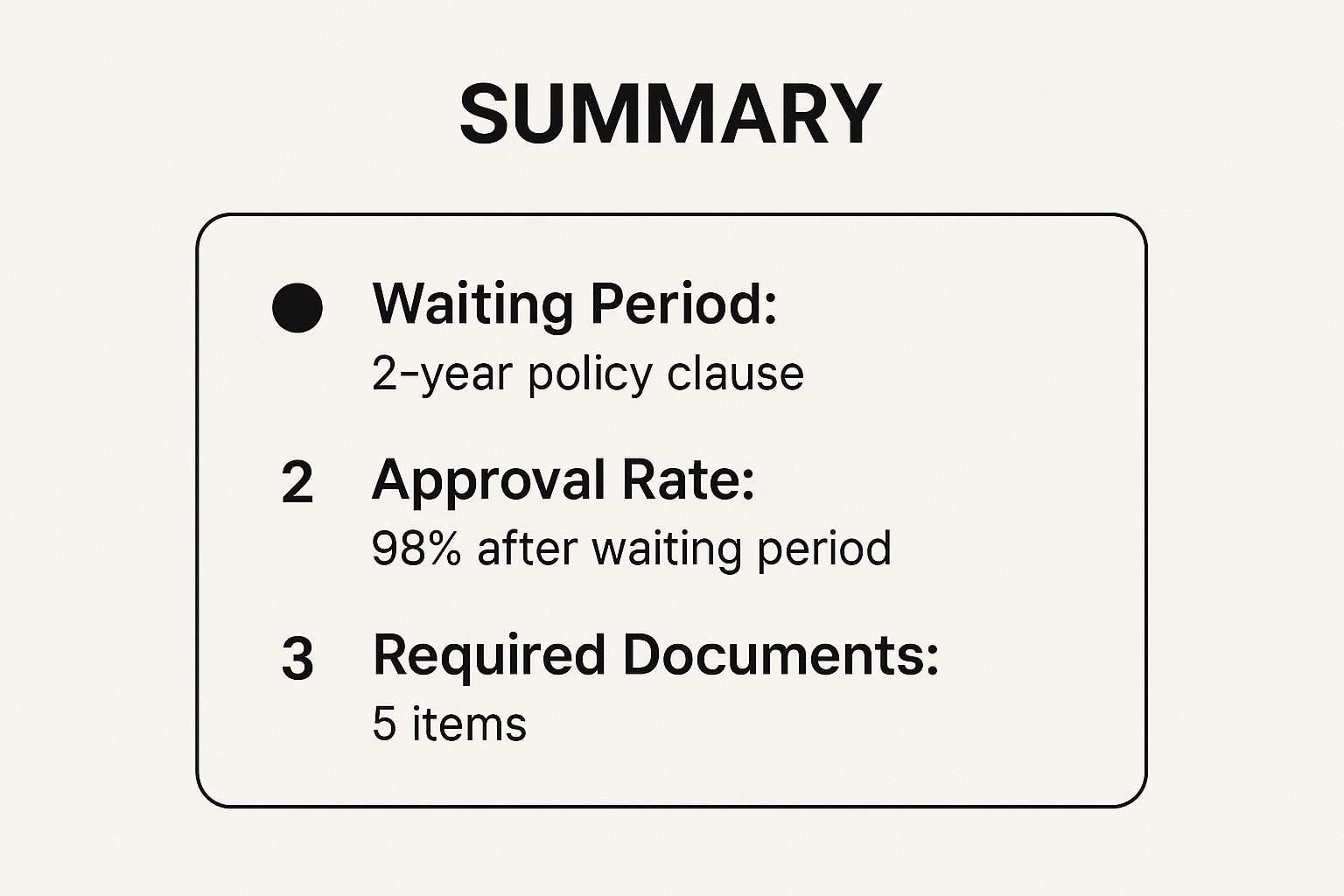
The Securian Financial suicide clause typically stipulates that if the insured person dies by suicide within the first two years of the policy’s effective date, the death benefit will not be paid. Instead, Securian (or its subsidiary, Minnesota Life) will refund the total premiums paid, minus any outstanding loans, to the designated beneficiary.
Contents
Understanding the specifics of a suicide clause is essential for policyholders and beneficiaries navigating the complexities of life insurance. Securian Financial, a major provider of both individual and group life insurance products, adheres to industry-standard protocols regarding self-inflicted death. These clauses are designed to balance the insurer's risk management with the financial protection of the policyholder’s family. In 2026, while many insurance laws have evolved to be more consumer-centric, the core mechanics of the suicide exclusion period remain a fundamental part of almost every life insurance contract in the United States.
The Mechanics of the Two-Year Exclusion Period
The "suicide clause" is a standard provision found in Securian life insurance contracts, including term, whole life, and universal life policies. Its primary function is to prevent "adverse selection," a situation where an individual might purchase a large life insurance policy with the premeditated intent of ending their life to provide a financial windfall for their heirs.
In most states, the duration of this clause is strictly limited to two years from the date the policy is issued or becomes effective. During this window, the insurer is not obligated to pay the full face value of the policy if the cause of death is determined to be suicide.
The "Sane or Insane" Provision
Most Securian contracts include specific language stating that the exclusion applies regardless of whether the insured was "sane or insane" at the time of the act. This legal phrasing is critical because it eliminates the need for beneficiaries or the insurance company to litigate the mental state of the deceased. If the physical act resulted in self-inflicted death within the timeframe, the clause is triggered, regardless of clinical diagnoses or psychological distress.
What Happens to the Money?
If a death occurs by suicide within the two-year exclusion period, the policy is essentially treated as if it were voided from the beginning for the purpose of the death benefit. However, the insurer does not keep the money. Securian is required to return all premiums paid into the policy to the beneficiary. This ensures the family receives the money the policyholder invested, but they do not receive the additional "protection" amount (the face value) of the policy.
Effective Date vs. Issue Date: When the Clock Starts
One of the most common points of confusion regarding the Securian suicide clause is exactly when the two-year clock begins. This is not always the day you sign the application. The countdown generally begins on the Policy Effective Date, which can be found on the policy’s specification page.
Factors that can influence this timeline include:
- Backdating: If a policy was backdated to save on age-related premium costs, the two-year period might technically start from that earlier date.
- Temporary Insurance: If the applicant was covered under a temporary insurance agreement during the underwriting process, this period may or may not count toward the two-year limit, depending on the specific contract language and state law.
- Policy Exchanges: If a policyholder exchanges one Securian policy for another (such as converting a term policy to a whole life policy), the suicide clause usually does not "restart" if the original policy has already passed the two-year mark. However, this is subject to "internal exchange" rules which should be verified in the new policy's fine print.
Reinstatements and the "Restart" Rule
A critical trap for policyholders in 2026 involves policy lapses. If a Securian life insurance policy lapses because of non-payment and the policyholder subsequently applies for reinstatement, the suicide clause clock may reset.
When a policy is reinstated, the insurance company often treats the reinstatement date as a new "start" for certain contestability and suicide provisions. If the insured person dies by suicide within two years of the reinstatement date, Securian may deny the claim, even if the original policy was ten years old. This is a common legal standard allowed by most state insurance departments to protect insurers from individuals who might reinstate a policy specifically because they have developed suicidal intent.
Individual vs. Group Life Insurance Variations
Securian is one of the largest providers of group life insurance in the United States, often serving as the underwriter for state employee plans and large corporate benefit packages. The rules for group policies can differ significantly from individual policies.
Group Life Insurance (Employer-Provided)
In many group life insurance contracts, especially those that are "non-contributory" (paid for entirely by the employer), there may be no suicide clause. This is because the risk of adverse selection is lower in a group setting where enrollment is often automatic or mandatory.
However, if an employee opts for "Supplemental Life Insurance" or "Voluntary Life Insurance" through their employer, a suicide clause is almost always present for that additional coverage amount. Furthermore, if an employee leaves their job and "converts" their group coverage to an individual Securian policy, the time spent under the group plan usually counts toward the two-year suicide exclusion period.
Comparison of Securian Policy Types and Suicide Clauses
| Policy Type | Typical Suicide Clause Duration | Impact of Suicide Within Period | Clock Reset on Reinstatement? |
|---|---|---|---|
| Individual Term Life | 2 Years | Premium Refund Only | Yes |
| Individual Whole Life | 2 Years | Premium Refund Only | Yes |
| Basic Group Life | Often 0-1 Year | Full Payout (If clause is absent) | Usually No |
| Supplemental Group Life | 2 Years | Premium Refund Only | Yes |
| Converted Policies | Original Date Applies | Full Payout (If > 2 yrs) | No |
The Incontestability Clause Relationship
It is important to distinguish the suicide clause from the Incontestability Clause. While both typically involve a two-year window, they serve different purposes.
- The Suicide Clause: Deals specifically with the cause of death. It states that suicide is an excluded risk for the first two years.
- The Incontestability Clause: Deals with misrepresentations on the application. It states that after two years, the insurer cannot void the policy because the applicant lied about their health (e.g., hiding a heart condition or smoking status).
In the context of suicide, these two clauses can intersect. If an individual dies by suicide within two years, Securian will investigate not just the cause of death, but also whether the applicant misrepresented their history of depression or mental health treatment on the initial application. If misrepresentation is found within those first two years, the policy could be rescinded for fraud, regardless of the suicide clause itself.
State-Specific Legal Variations
In 2026, insurance remains a state-regulated industry. While the two-year suicide clause is the national standard, some states have enacted laws that provide more protection to beneficiaries.
- Missouri: Missouri has long-standing laws (MO Rev Stat § 376.620) that prohibit life insurance companies from denying a claim due to suicide unless the insurer can prove the insured intended to commit suicide at the time they applied for the policy.
- North Dakota and Colorado: Some states have historically experimented with shortening the exclusion period to one year, though two years remains the ceiling allowed by law in most jurisdictions.
- Variable Definitions: Some states have specific requirements on how "suicide" must be proven, often placing the "burden of proof" heavily on the insurance company.
The Claims Process and Investigation
When a claim is filed for a Securian policyholder who died within the two-year window, an investigation is mandatory. This is not necessarily an accusation of wrongdoing; it is a fiduciary requirement for the insurance company.
Documentation Required
The beneficiary or the estate will usually need to provide:
- A certified copy of the death certificate.
- The coroner’s report or medical examiner’s findings.
- Police reports (if applicable).
- The original policy document.
Burden of Proof
The legal burden of proof lies with Securian Financial. The law generally presumes that a death was accidental rather than intentional. To deny a full death benefit payout, Securian must present "clear and convincing" evidence that the death was a suicide. If the evidence is ambiguous—such as a drug overdose that could have been accidental—the insurer may be legally required to pay the full benefit.
Timeline for Investigation
Investigations into suicide claims can take longer than standard claims. While a typical death claim might be processed in 10 to 30 days, a claim involving a potential suicide within the two-year window may take several months as the insurer waits for toxicology reports and official rulings from local authorities.
Summary of Key Protections
If you are a beneficiary dealing with a Securian claim involving suicide, keep the following in mind:
- After two years, you are generally safe. If the policy has been active and premiums paid for more than two years, the suicide clause has expired, and the full benefit should be paid.
- Premium refunds are a right. Even if the suicide clause is active, the insurer cannot simply keep the money. They must return the premiums.
- Accidental death is different. If the death was an accidental overdose or a mishap, the suicide clause does not apply.
- Check the group contract. If the policy was through an employer, the rules might be significantly more lenient than an individual policy.
Frequently Asked Questions
Does the suicide clause apply to Accidental Death and Dismemberment (AD&D) insurance?
Yes, but in a different way. AD&D policies specifically cover "accidental" deaths. Since suicide is an intentional act, it is almost always excluded from AD&D coverage permanently, not just for the first two years. There is typically no premium refund for AD&D if suicide is the cause of death, as no "benefit" was ever triggered.
If someone dies by suicide, is it always reported that way?
The official cause of death is determined by a medical examiner or coroner. Securian relies on the death certificate. If the death certificate lists the cause as "undetermined" or "accidental," Securian must pay the benefit unless they can independently prove suicide, which is legally difficult and expensive.
What happens if the insured increases their coverage amount?
If a policyholder has a $500,000 policy for five years and then increases it to $1,000,000, a new two-year suicide clause usually applies only to the additional $500,000. The original $500,000 remains fully covered because it has already passed its initial two-year window.
Does Securian cover physician-assisted suicide?
This is a complex area of law in 2026. In states where the Death with Dignity Act or similar physician-assisted suicide laws are legal, most life insurance policies (including Securian’s) are required by state law to treat these deaths as natural deaths, not suicide. Therefore, the suicide clause is usually not triggered if the process followed all state legal requirements.
Next Actions for Policyholders and Beneficiaries
If you are a policyholder concerned about coverage, your first step should be to request a Policy Illustration or a full copy of your Policy Contract from Securian Financial. Look specifically for the "Exclusions" section. If you are a beneficiary and a claim has been denied, it may be beneficial to consult with a life insurance attorney to verify if Securian has met the burden of proof or if state-specific laws (like those in Missouri) offer you more protection.
Disclaimer: This article provides general information regarding insurance provisions and does not constitute legal or financial advice. For specific legal issues or mental health crises, contact a qualified professional or a crisis hotline immediately.
Image Gallery