How to File a Lawsuit Against an Insurance Company: A Professional Guide
To file a lawsuit against an insurance company, you must first exhaust internal appeal processes and verify that the insurer breached its contract or acted in bad faith. The process involves gathering comprehensive evidence, adhering t...
To file a lawsuit against an insurance company, you must first exhaust internal appeal processes and verify that the insurer breached its contract or acted in bad faith. The process involves gathering comprehensive evidence, adhering to your state’s statute of limitations, and filing a formal complaint in a court with appropriate jurisdiction.
Contents
Filing a lawsuit is a significant escalation that typically follows a denied claim, an undervalued settlement offer, or an unreasonable delay in payment. Insurance policies are legally binding contracts, and when an insurer fails to uphold its end of the agreement, the legal system provides a mechanism for policyholders to seek "indemnity"—being made whole again—and, in some cases, additional damages for the insurer's misconduct.
Prerequisites and the Exhaustion of Administrative Remedies
Before stepping into a courtroom in 2026, most jurisdictions and policy contracts require you to "exhaust your administrative remedies." This means you cannot immediately sue the moment a claim adjuster says "no." You must follow the internal procedures outlined in your policy documents.
The Internal Appeals Process
Every insurance policy includes a section on "Duties in the Event of Loss" and "Appeals." When a claim is denied, the insurer must provide a written explanation citing specific policy language. You generally have a set window—often 30 to 90 days—to file a formal internal appeal. During this stage, you provide additional documentation, expert reports, or evidence that addresses the insurer's specific reasons for denial. Skipping this step can lead a judge to dismiss your lawsuit prematurely.
State Regulatory Complaints
While not always a legal prerequisite for filing a lawsuit, filing a complaint with your State Department of Insurance can provide leverage. Regulatory bodies oversee the licensing of insurers and can investigate "Unfair Claims Settlement Practices." While they rarely force a company to pay a specific claim, their investigation becomes a matter of public record and can be used as evidence of a pattern of behavior during your litigation.
Identifying the Legal Grounds for Litigation
You cannot sue an insurance company simply because you are unhappy with the outcome; you must have a specific legal cause of action. In insurance litigation, these causes of action generally fall into three categories.
1. Breach of Contract
This is the most common ground for a lawsuit. A breach of contract occurs when the insurer fails to fulfill a specific promise made in the policy. For example, if your policy covers water damage from a burst pipe, and the insurer denies the claim by incorrectly categorizing it as "gradual seepage," they have breached the contract. In these cases, you are suing for the "policy benefits"—the money you should have been paid according to the contract.
2. Bad Faith (Tort)
Bad faith is a more serious allegation that goes beyond a simple disagreement over policy wording. It implies that the insurer acted dishonestly or unfairly. Examples of bad faith include:
- Failing to conduct a thorough and prompt investigation.
- Intentionally misrepresenting policy language to the claimant.
- Threatening the policyholder to discourage them from filing a claim.
- Unreasonably delaying payment without a valid explanation.
In bad faith cases, you may be entitled to "tort damages," which can exceed the original policy limits and include compensation for emotional distress or economic losses caused by the delay.
3. Statutory Violations
Many states have enacted specific laws, such as a "Consumer Protection Act" or "Insurance Code," that mandate how insurers must behave. If an insurer violates these specific statutes (e.g., failing to acknowledge a claim within 15 days as required by state law), you may have a statutory cause of action.
Strategic Comparison of Dispute Resolution Methods
| Method | Best For | Typical Timeline | Legal Weight |
|---|---|---|---|
| Internal Appeal | Correcting clerical errors or providing new facts. | 30–60 Days | Non-binding; prerequisite for suit. |
| Mediation | Reaching a compromise without high legal fees. | 1–3 Days | Binding only if a settlement is signed. |
| Appraisal | Disputes specifically about the value of the loss. | 2–4 Months | Binding on the amount, not the coverage. |
| Civil Lawsuit | Bad faith, complex legal disputes, high-value claims. | 1–3 Years | Legally binding judgment by court. |
Steps to Formally File the Lawsuit
Once you have determined you have a valid cause of action and have exhausted your internal options, the formal legal process begins.
Step 1: Hire Specialized Counsel
Insurance law is governed by complex doctrines such as "contra proferentem" (ambiguities are construed against the insurer). You should seek an attorney who specializes in policyholder representation, not "insurance defense." Most attorneys in this field work on a contingency fee basis, meaning they take a percentage (usually 33% to 40%) of the final recovery.
Step 2: The Notice of Intent to Sue
In many jurisdictions, you are required to send a "Notice of Intent" or a "Civil Remedy Notice" before filing the actual complaint. This gives the insurance company one final window (often 60 days) to "cure" the problem by paying the claim before litigation costs escalate.
Step 3: Drafting the Complaint
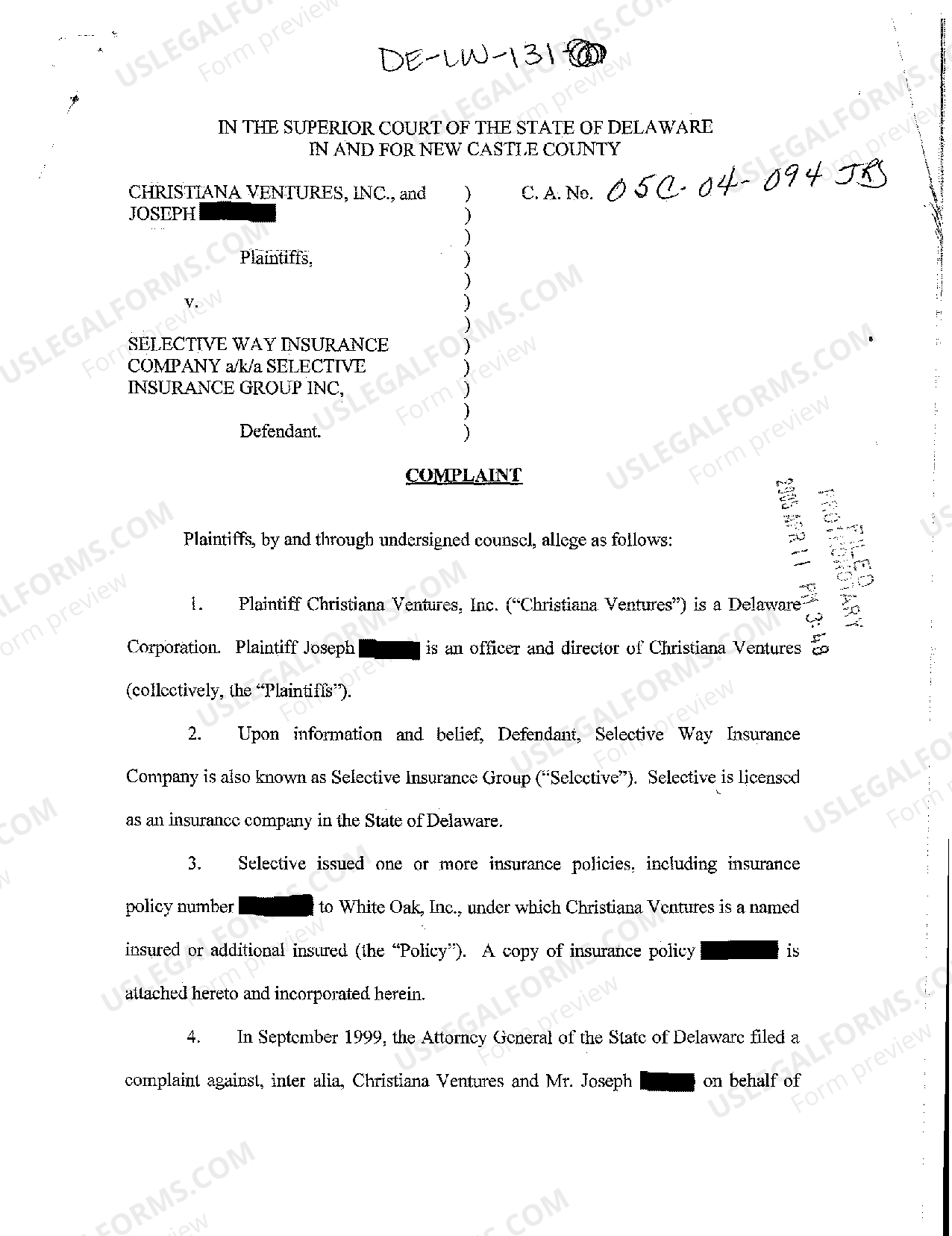
The "Complaint" (or Petition) is the first formal document filed with the court clerk. It must identify:
- The Parties: You (Plaintiff) and the Insurance Company (Defendant).
- Jurisdiction and Venue: Why this specific court has the authority to hear the case.
- Factual Allegations: A chronological story of the claim, the denial, and the impact on you.
- Counts: The specific legal theories (e.g., Breach of Contract, Bad Faith).
- Demand for Jury Trial: Most plaintiffs prefer a jury of peers over a judge for insurance disputes.
Step 4: Service of Process
After filing, the insurer must be formally "served" with the summons and complaint. This is usually done through their registered agent in the state. Once served, the insurer typically has 20 to 30 days to file an "Answer," in which they will likely deny all allegations and raise "Affirmative Defenses."
The Discovery Phase: Uncovering the "Claim File"
The most critical part of suing an insurance company is the Discovery Phase. This is the formal process of exchanging information. Your attorney will demand the insurer's internal "Claim File," which contains the adjuster's notes, internal emails, and activity logs.
Interrogatories and Depositions
You will send written questions (interrogatories) to the insurer and conduct depositions. A deposition is an out-of-court testimony given under oath. Your attorney will depose the claims adjuster and their supervisor to find inconsistencies between their internal notes and the reasons they gave you for the denial.
Requests for Production
You can request internal manuals, training documents, and "incentive programs." In some landmark bad faith cases, discovery has revealed that insurers rewarded adjusters for meeting "denial quotas," which is powerful evidence of systemic bad faith.
Understanding ERISA Limitations
If your insurance (Health, Life, or Disability) is provided through a private-sector employer, it is likely governed by the Employee Retirement Income Security Act (ERISA). Filing a lawsuit under ERISA is significantly different and much more restrictive:
- No Jury Trials: A federal judge decides the case based solely on the administrative record.
- No Bad Faith Damages: You can generally only recover the benefit owed, plus attorney's fees.
- Strict Deadlines: If you miss the internal appeal deadline, you lose your right to sue forever.
Potential Costs and Outcomes
Litigating against a multi-billion dollar entity is expensive and time-consuming. While a contingency fee covers the attorney's time, you may still be responsible for "costs," which include:
- Filing Fees: Usually $200–$500.
- Expert Witness Fees: Engineers, doctors, or vocational experts can cost thousands of dollars per day.
- Deposition Transcripts: Court reporters charge by the page.
Most lawsuits end in a settlement before reaching a trial. Insurers often settle during or after the discovery phase once they realize their internal documentation supports your claim. A settlement provides a guaranteed payout and avoids the risk of a jury awarding punitive damages.
Frequently Asked Questions
Can I sue for more than the policy limit?
Yes, but generally only if you prove bad faith. In a standard breach of contract case, you are limited to the face value of the policy. However, if the insurer acted in bad faith, a court may award "extracontractual damages," which cover consequential losses, emotional distress, and sometimes punitive damages designed to punish the company.
How long do I have to file a lawsuit?
This is determined by the Statute of Limitations, which varies by state and by the type of claim. In many states, you have between two and six years from the date of the "breach" (the denial). However, some policies contain "contractual limitations periods" that may shorten this window to as little as one year. You should consult an attorney immediately to verify your deadline.
Do I have to sue in small claims court?
If your claim is below a certain threshold—often $5,000 to $15,000 depending on the state—you can use Small Claims Court. This is faster and does not require an attorney, but you cannot claim bad faith or punitive damages there. It is best for simple disputes over small car repairs or minor property damage.
What if the insurance company offers a settlement after I file?
This is very common. Once an insurer sees you are serious and have retained counsel, they may offer a "nuisance settlement" or a more reasonable figure. Your attorney will help you calculate if the offer covers your losses, legal fees, and the "time value" of ending the litigation early.
Can they cancel my policy for suing them?
Most states have laws prohibiting "retaliatory cancellation." While an insurer might choose not to renew your policy at the end of the term, they generally cannot cancel your existing coverage mid-term simply because you exercised your legal right to file a lawsuit or a claim.
Practical Recommendation
If you believe your insurance company has unfairly denied your claim, your first action should be to organize your paper trail. Create a folder containing the original policy (including all endorsements), every piece of correspondence from the insurer, and a log of all phone calls with dates and names. Before filing a lawsuit, consult with a specialized insurance attorney for a case evaluation. Most offer free initial consultations to determine if the potential recovery outweighs the risks and costs of litigation.
Image Gallery