Understanding World Health Organization (WHO) Net Income, Revenue Streams, and Fiscal Transparency in 2026
The World Health Organization (WHO) does not generate "net income" in the traditional corporate sense of profit for shareholders. Instead, it reports a net result, which represents the difference between total revenue (contributions an...
The World Health Organization (WHO) does not generate "net income" in the traditional corporate sense of profit for shareholders. Instead, it reports a net result, which represents the difference between total revenue (contributions and investment income) and total expenses. For the 2026-2027 biennium, any surplus is typically carried forward to fund ongoing health programs and emergency reserves.
Contents
As we move through 2026, the financial landscape of the World Health Organization is undergoing a significant transformation. Historically dependent on unpredictable voluntary donations, the organization has shifted toward a "sustainable financing" model. This change is critical for the implementation of the 14th General Programme of Work (GPW 14), which guides the WHO’s global health strategy from 2025 through 2028. Understanding the "net income" or fiscal surplus of the WHO requires a deep dive into its unique non-profit accounting structure, its revenue sources, and the stringent regulations governing its expenditures.
The Financial Framework: "Net Result" vs. Corporate Net Income
In the context of an international intergovernmental organization, "net income" is an architectural misnomer. The WHO operates under the International Public Sector Accounting Standards (IPSAS). Under these rules, the organization tracks its financial health through the "Statement of Financial Performance."
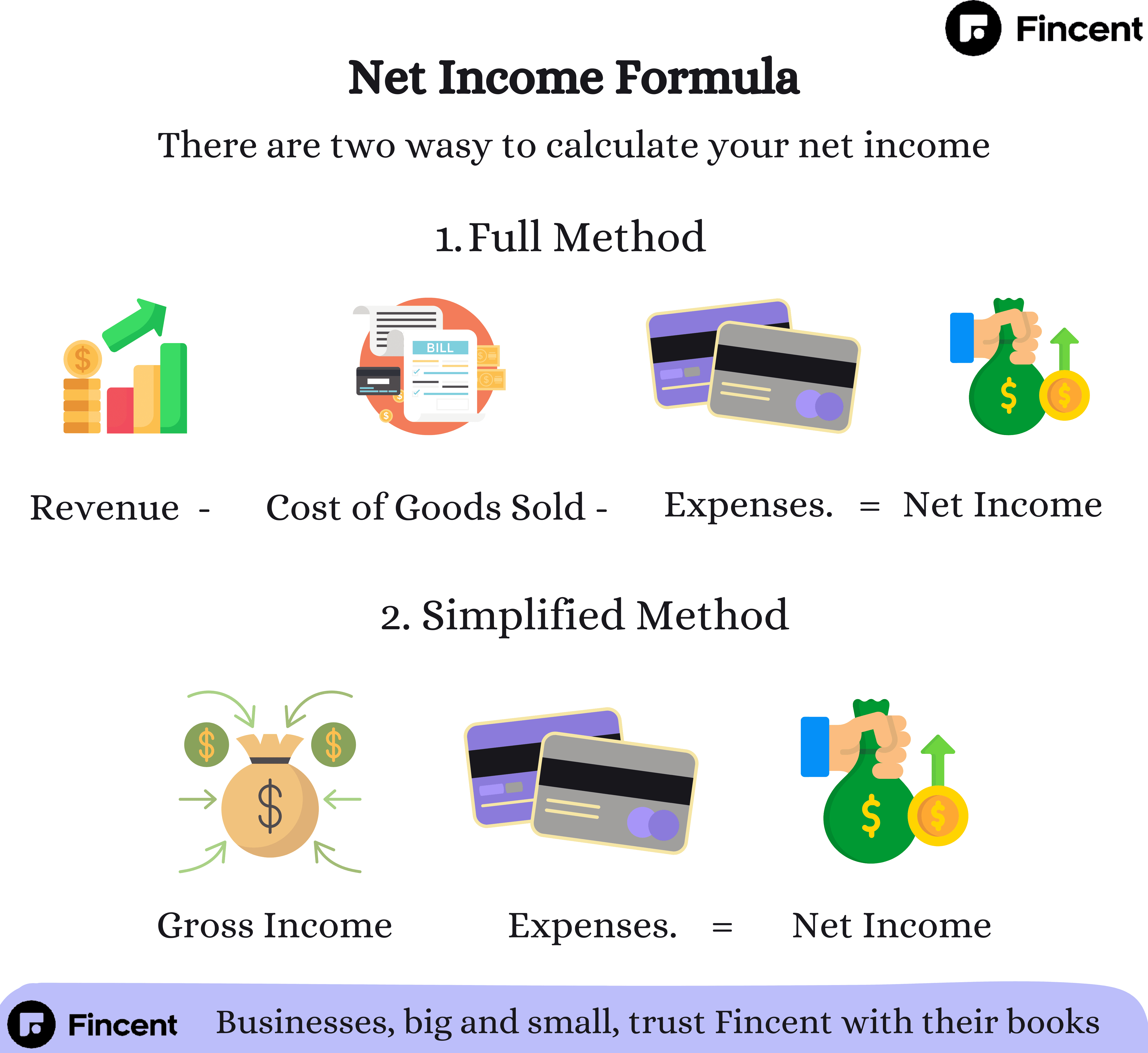
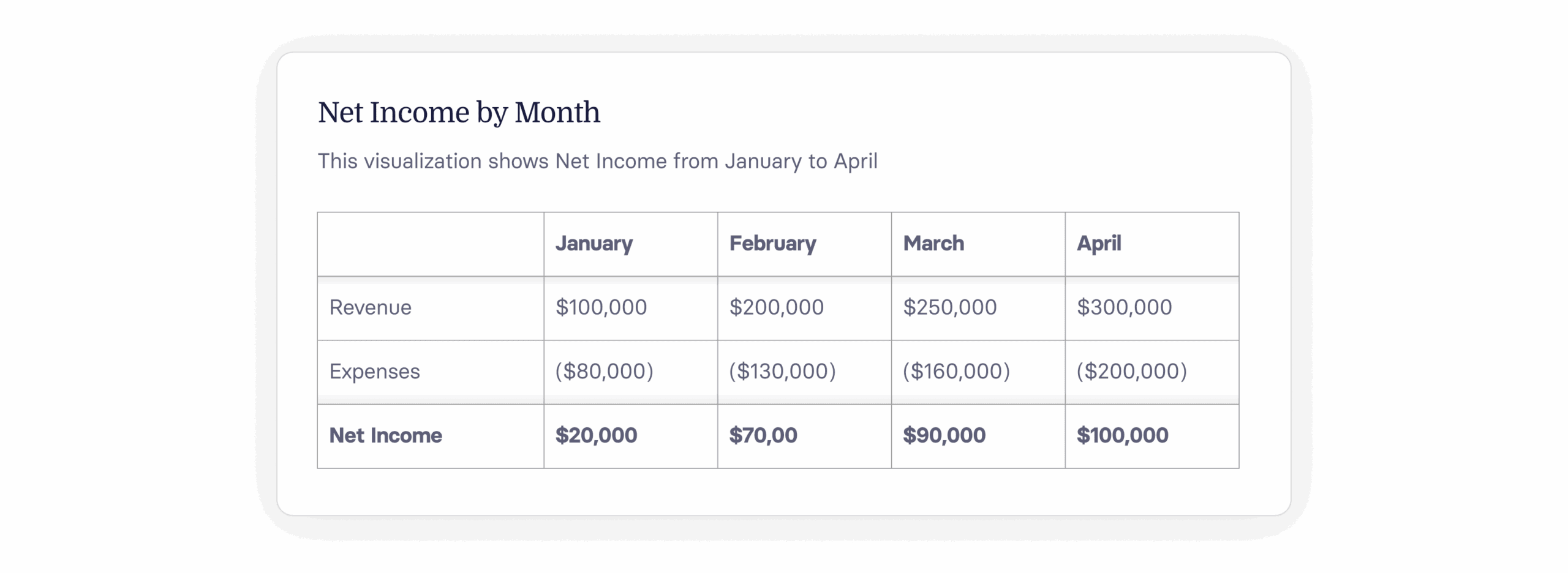
The Net Result is the technical equivalent of net income. It is calculated by subtracting total expenses—ranging from staff costs to medical supplies and emergency operations—from total revenue. Unlike a private corporation, a positive net result (surplus) does not indicate commercial success. Rather, it often reflects "specified" funds that have been received but not yet spent because they are earmarked for multi-year projects.
The Dynamics of Fund Accounting
The WHO uses fund accounting to manage its resources. This means money is categorized based on its source and intended use:
- General Fund: Primarily funded by assessed contributions (membership dues) and used for the core functions of the organization.
- Voluntary Funds: Contributions from donors that are often "earmarked" for specific diseases (like Polio) or specific regions.
- Special Purpose Funds: Reserves for staff health insurance, terminal payments, and emergency contingencies.
Revenue Analysis: Who Funds the WHO in 2026?
The "income" side of the WHO ledger is divided into two primary streams: Assessed Contributions and Voluntary Contributions. In 2026, the balance between these two has reached a historic turning point due to the Sustainable Financing reforms initiated in previous years.
Assessed Contributions (The Membership Dues)
Assessed contributions are the dues paid by Member States. These are calculated based on a country's wealth and population. For decades, these dues remained stagnant, forcing the WHO to rely on donors. However, the 75th World Health Assembly (WHA) approved a landmark plan to increase assessed contributions to cover 50% of the WHO’s "base budget" by the 2030-2031 biennium.
By the 2026-2027 budget cycle, Member States have implemented a significant percentage increase in these dues. This provides the WHO with "predictable" and "flexible" income, allowing leadership to allocate funds where they are most needed rather than where a donor dictates.
Voluntary Contributions (The Donor Influence)
Voluntary contributions still constitute the largest portion of the WHO's total revenue. These come from:
- Member States: Countries like Germany, the United States, and Japan often give far beyond their assessed dues.
- Philanthropic Foundations: Organizations like the Bill & Melinda Gates Foundation remain pivotal.
- Intergovernmental Organizations: The European Commission and Gavi, the Vaccine Alliance.
- Private Sector and NGOs: Limited but growing contributions from various health-focused entities.
The 2026-2027 Program Budget: A Fiscal Overview
The WHO operates on a two-year (biennial) budget cycle. The 2026-2027 Program Budget represents the midpoint of the GPW 14 strategy. Total revenue targets are aligned with the "Four Pillars" of the organization’s mission.
| Funding Category | Estimated Revenue (2026-2027 Biennium) | Primary Use Case |
|---|---|---|
| Assessed Contributions | ~$1.5 Billion - $1.8 Billion | Core operations, normative work, and administration. |
| Voluntary (Core) | ~$400 Million - $600 Million | Flexible funding used for underfunded health programs. |
| Voluntary (Specified) | ~$4.5 Billion - $5.0 Billion | Earmarked for Polio, COVID-19 legacy, and specific crises. |
| Investment Income | ~$50 Million - $100 Million | Interest earned on cash balances and currency gains. |
Note: Figures are based on approved WHA budget projections and are subject to currency fluctuations and donor fulfillment.
Expenditure Breakdown: Where the Income is Spent
To understand the net result, one must look at where the capital is deployed. The WHO’s expenditures are categorized by their programmatic impact.
1. Universal Health Coverage (UHC)
This is the largest expenditure block. It involves strengthening primary health care systems, improving the health workforce in developing nations, and ensuring access to essential medicines. In 2026, a significant portion of "income" is being diverted to digital health initiatives to modernize surveillance systems.
2. Health Emergencies
This pillar is highly volatile. While the base budget allocates funds for the WHO Health Emergencies Programme (WHE), large-scale outbreaks or humanitarian crises require "Outbreak and Crisis Response" (OCR) funding, which often causes the WHO's total expenditure to spike suddenly.
3. Healthier Populations
This focuses on non-communicable diseases (NCDs) like diabetes and heart disease, tobacco control, and climate change impacts on health. This area has historically been underfunded compared to infectious diseases, but the 2026 budget shift aims to balance this.
4. Data and Delivery
The "normative" work—setting international standards for health, managing the International Classification of Diseases (ICD), and pre-qualifying vaccines—is the backbone of global health. This is almost entirely funded by the assessed contributions (the dues).
The WHO Investment Round: A New Financial Mechanism
In late 2024 and throughout 2025, the WHO launched its first "Investment Round." By 2026, the results of this mechanism are reflected in the organization's net financial position. The Investment Round was designed to move away from "ad-hoc" fundraising and toward a structured, four-year cycle of pledges.
This mechanism helps solve the "net income" problem of the past: uncertainty. By securing multi-year commitments early in the 2025-2028 cycle, the WHO in 2026 can better manage its cash flow, reducing the need to hold massive surpluses (carry-overs) as a "buffer" against funding gaps.
Common Misconceptions About WHO Finances
"The WHO is making a profit"
As a specialized agency of the United Nations, any surplus is reinvested. If the WHO shows a high "net result" at the end of a fiscal year, it usually means that a major donor provided a large grant in December that is intended to be spent over the next two years.
"Donors control the entire agenda"
While "specified" voluntary contributions do give donors influence over certain programs (like Polio Eradication), the 2026 increase in assessed contributions is specifically designed to reclaim the organization’s independence. This allows the Director-General and the Executive Board to direct funds toward neglected health issues.
Frequently Asked Questions
What is the WHO's annual revenue in 2026?
The annual revenue fluctuates based on emergency appeals, but the base budget for the 2026-2027 biennium is projected to be approximately $6.8 billion to $7.2 billion, meaning the annual revenue average is roughly $3.5 billion.
Who is the largest contributor to the WHO in 2026?
Historically, the United States and Germany have been the largest Member State contributors. However, in 2026, the European Commission and the Bill & Melinda Gates Foundation also rank among the top five when combining both assessed and voluntary contributions.
Is the WHO's financial data public?
Yes. The WHO is one of the most transparent international organizations. Its financial records are available via the WHO Program Budget Portal, which provides real-time data on income received, expenses incurred, and budget gaps by region and disease.
Does the WHO pay taxes on its income?
No. As an international organization under the 1947 Convention on the Privileges and Immunities of the Specialized Agencies, the WHO is exempt from most forms of direct taxation in its Member States.
How does the WHO manage currency exchange risks?
The WHO’s functional currency is the US Dollar. Since it receives contributions in many currencies and spends money globally, it uses hedging strategies and maintains a "Currency Alignment Account" to mitigate the impact of exchange rate volatility on its net income/result.
Recommendation for Researchers and Policymakers
To get the most accurate, up-to-the-minute data on the World Health Organization’s financial standing in 2026, you should bypass secondary news reports and go directly to the WHO Program Budget Portal. This tool allows users to filter by "Flow of Funds," providing a transparent view of how "net income" (revenue) transforms into "output" (health impact). For those analyzing the organization's long-term sustainability, reviewing the Audited Financial Statements submitted annually to the World Health Assembly is the gold standard for verified data.
Image Gallery