The Reality of Ordos Kangbashi: Is the World’s Largest Ghost Town Still Empty in 2026?
Ordos, specifically the Kangbashi District in Inner Mongolia, earned international notoriety in the late 2000s as the world’s largest "ghost town." However, by 2026, it has transitioned from an empty shell into a functional urban cente...
Ordos, specifically the Kangbashi District in Inner Mongolia, earned international notoriety in the late 2000s as the world’s largest "ghost town." However, by 2026, it has transitioned from an empty shell into a functional urban center with hundreds of thousands of residents, driven by strategic administrative relocation, high-quality educational investments, and a shift toward green energy industries.
Contents
The story of Ordos is often cited as a cautionary tale of speculative real estate and centralized planning gone wrong. To understand the current state of Ordos in 2026, one must look past the sensationalist headlines of the past decade and examine the socio-economic mechanics that govern Chinese urbanization. What was once a vast expanse of empty monuments and silent boulevards has become a case study in "delayed urbanization," where the "build it and they will come" philosophy was tested to its absolute limit.
The Origins of the Ordos "Ghost Town" Narrative
The emergence of Ordos as a global symbol of urban failure began around 2005. Located in the Ordos Loop of the Yellow River, the region sat upon one of the largest coal reserves in China. As global energy prices soared in the early 2000s, the "black gold" rush transformed Ordos from a rural backwater into one of the wealthiest municipalities in the country per capita.
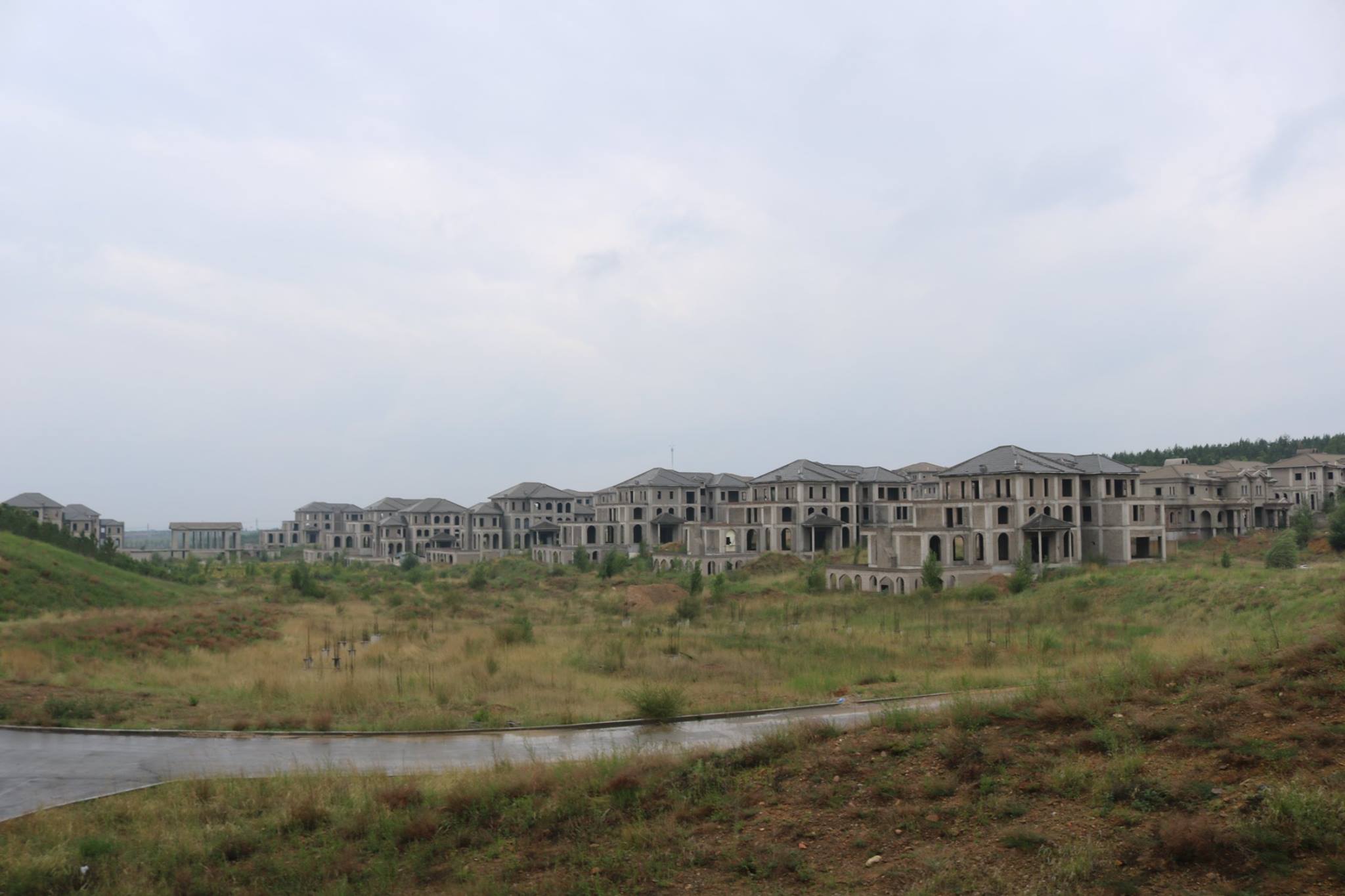
Flushed with capital, the local government embarked on an ambitious plan to build a new district—Kangbashi—located about 25 kilometers from the existing urban center of Dongsheng. Designed to house one million people, the district was characterized by massive public squares, avant-garde museums, and sprawling residential complexes.
By 2009, news outlets like Al Jazeera and Time Magazine began reporting on the "empty city." They found a metropolis with world-class infrastructure but virtually no inhabitants. The disconnect between the physical reality of the buildings and the absence of human activity created an eerie, post-apocalyptic aesthetic that cemented Ordos's reputation as the world's largest ghost town.
The Economic Engine: From Coal to Concrete
The primary driver behind the construction of Kangbashi was not immediate housing demand, but rather the need to park massive amounts of surplus capital generated by the coal industry. In the mid-2000s, real estate was seen as the safest and most prestigious investment for the newly wealthy coal barons and the local government.
The Investment Paradox
In many Western economies, cities grow organically in response to job markets and migration. In Ordos, the process was inverted. The infrastructure was laid down as a prerequisite for future growth. This led to several years where the "ghost town" label was technically accurate:
- Over-accumulation: Developers built high-end apartments that were purchased as investment vehicles rather than homes.
- Infrastructure Lead-Time: Hospitals, schools, and shopping centers were built, but the "software" of the city—the service workers, teachers, and small business owners—had not yet arrived.
- Distance Factors: The 25-kilometer gap between the old city (Dongsheng) and Kangbashi proved to be a psychological and logistical barrier for many years.
The 2026 Transformation: Why the City Filled Up
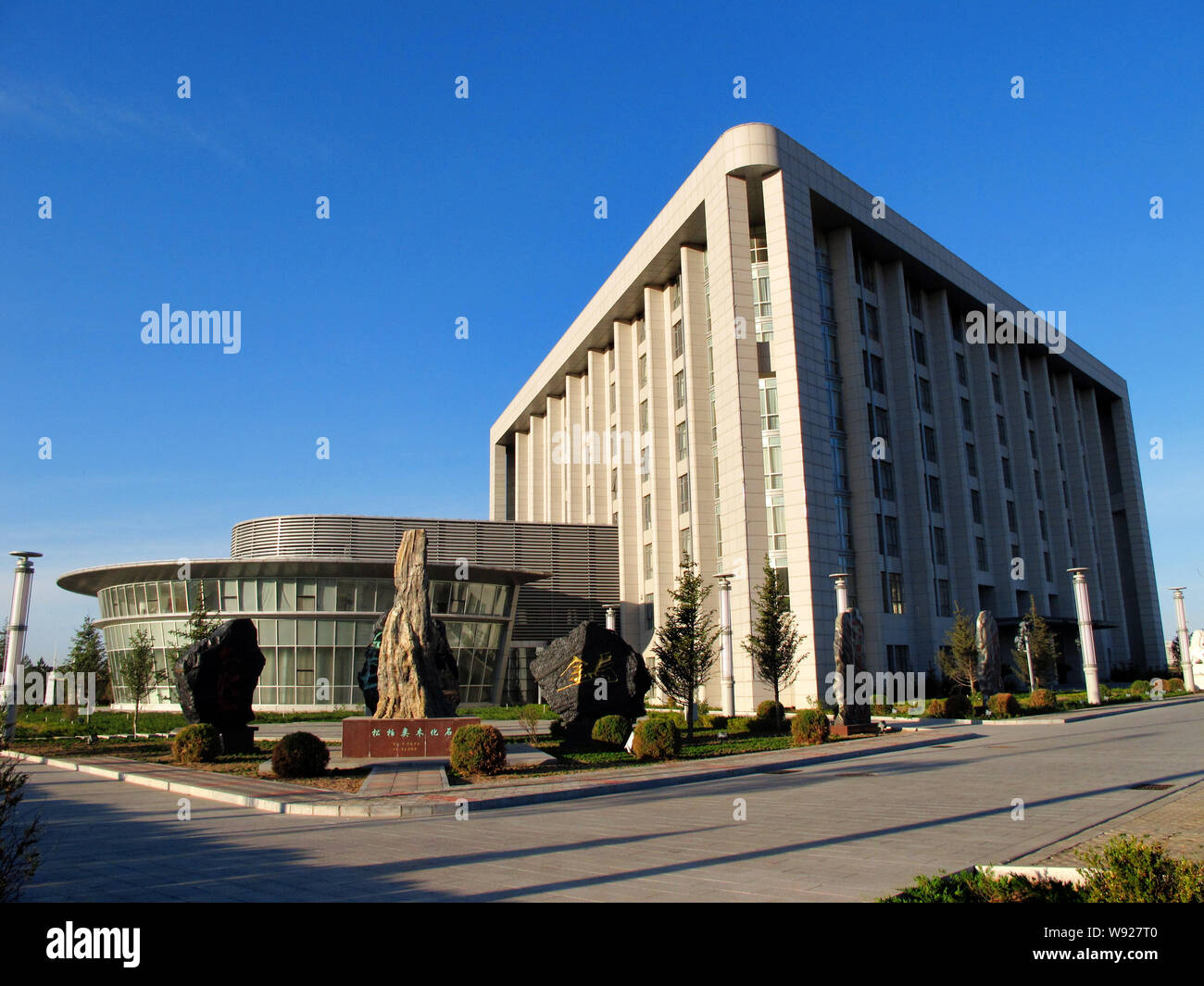
As of 2026, the "ghost town" moniker is largely a historical relic. While Ordos does not have the crushing density of Beijing or Shanghai, it is a living, breathing city. Several key strategies were employed by the government to force-start the heartbeat of Kangbashi.
The Education Magnet Strategy
The most successful intervention was the relocation of the region’s best schools to Kangbashi. In Chinese culture, access to high-quality education is the single most powerful driver of real estate migration. By moving the Ordos No. 1 High School—a prestigious institution with high university placement rates—to the new district, the government created an irresistible draw. Parents moved to Kangbashi to ensure their children had a competitive edge, leading to a "school-district housing" boom that filled thousands of empty apartments.
Administrative Relocation
The local government led by example, moving the city’s administrative headquarters and thousands of civil service jobs to Kangbashi. This provided a stable baseline population of middle-class consumers who required grocery stores, restaurants, and entertainment, which in turn attracted small business owners.
Diversification into Green Energy
By 2026, Ordos has successfully pivoted from being purely a coal hub to a leader in hydrogen energy and photovoltaic manufacturing. The vast desert spaces surrounding the city are now home to some of the world's largest solar farms. This industrial shift has created a new wave of technical jobs, attracting young professionals who see Ordos as a "cleaner" and more affordable alternative to Tier-1 cities.
Comparing Global "Ghost Cities" and Urban Experiments
Ordos is not the only city to face the "ghost town" label. To understand its scale, it is helpful to compare it with other significant urban projects in China and abroad.
| City/District | Country | Original Intent | Status in 2026 |
|---|---|---|---|
| Ordos (Kangbashi) | China | Resource-wealth expansion | Largely populated; educational and energy hub. |
| Tianducheng | China | "Little Paris" replica | Popular residential suburb for Hangzhou. |
| Naypyidaw | Myanmar | New national capital | Functional administrative center; low civilian density. |
| Kilamba New City | Angola | Post-war housing project | Now home to over 80,000 people; successfully filled. |
| Forest City | Malaysia | Luxury eco-island | Facing ongoing regulatory and occupancy challenges. |
Architectural Significance and Cultural Identity
Despite its early struggles, Ordos remains a masterpiece of modern urban design. The Ordos Museum, designed by MAD Architects, is an organic, blob-like structure that serves as the centerpiece of the city. Its metallic exterior reflects the surrounding desert landscape, symbolizing a bridge between the region's nomadic history and its futuristic aspirations.
The city's layout emphasizes the Mongolian heritage of the region. Genghis Khan Square is one of the largest public spaces in the world, featuring massive bronze statues that celebrate the history of the Mongol Empire. In 2026, these spaces are no longer empty; they host festivals, morning tai chi sessions, and vibrant night markets, proving that the architectural "white elephants" of the past have finally found their purpose.
The Persistent Challenges of the Ordos Model
While Ordos is no longer a ghost town, it is not without its problems. The model used to build it—heavy state-led investment and high debt—remains a point of contention for economists.
- Debt Sustainability: The cost of building a city from scratch is astronomical. Much of the development was funded through Local Government Financing Vehicles (LGFVs). Even in 2026, the municipal government manages a significant debt load incurred during the construction years.
- Demographic Headwinds: Like much of China, Ordos faces a shrinking national population. Maintaining growth in a secondary city in Inner Mongolia is a constant battle against the pull of coastal megacities.
- Maintenance Costs: The massive scale of the parks and public buildings requires high ongoing maintenance. Keeping a city of this size "green" in a semi-arid climate is an ecological and financial challenge.
Lessons for Future Urban Planning
The Ordos experiment offers several vital lessons for urban planners and investors globally:
- Infrastructure vs. Community: High-quality buildings do not make a city; people and social services do. The arrival of schools was more important than the arrival of the museum.
- The "Long Game": Urbanization in a planned economy operates on a 20-to-30-year horizon, not the 5-year cycle common in Western private development.
- Adaptability: The city’s ability to pivot from coal to renewable energy was crucial in preventing it from becoming a permanent rust-belt relic.
Frequently Asked Questions
Is Ordos still considered the world's biggest ghost town?
No, the title is no longer accurate. While Ordos was the most famous example for over a decade, its occupancy rates have climbed significantly. Today, other developments in Malaysia or emerging projects in the Middle East are more frequently cited as "ghost" projects due to their lack of permanent residents.
Can tourists visit Ordos Kangbashi?
Yes, Ordos is very welcoming to tourists. It features high-end hotels, modern shopping malls, and cultural sites like the Genghis Khan Mausoleum nearby. It is particularly popular for "architectural tourism" due to its unique skyline and massive public works.
How many people live in Ordos now?
As of 2026, the population of the Kangbashi district has stabilized around 200,000 to 250,000 residents, with the wider Ordos municipality housing over 2 million people. While it feels spacious compared to the density of London or New York, it is far from empty.
Why were the houses empty for so long?
Many houses were sold immediately to investors who lived in other parts of China. These owners were waiting for property values to rise or for the city’s amenities to mature before moving in or renting them out.
Practical Recommendation for Researchers and Travelers
If you are investigating the "ghost town" phenomenon, it is essential to distinguish between speculative vacancy and urban failure. Ordos was a victim of the former, but it escaped the latter. For travelers, the best time to visit is during the summer months (June to August) when the weather in Inner Mongolia is mild and the city's parks and squares are most active. For urban planners, the "Ordos Model" should be studied as a lesson in the power of educational infrastructure as a catalyst for human migration.
Image Gallery