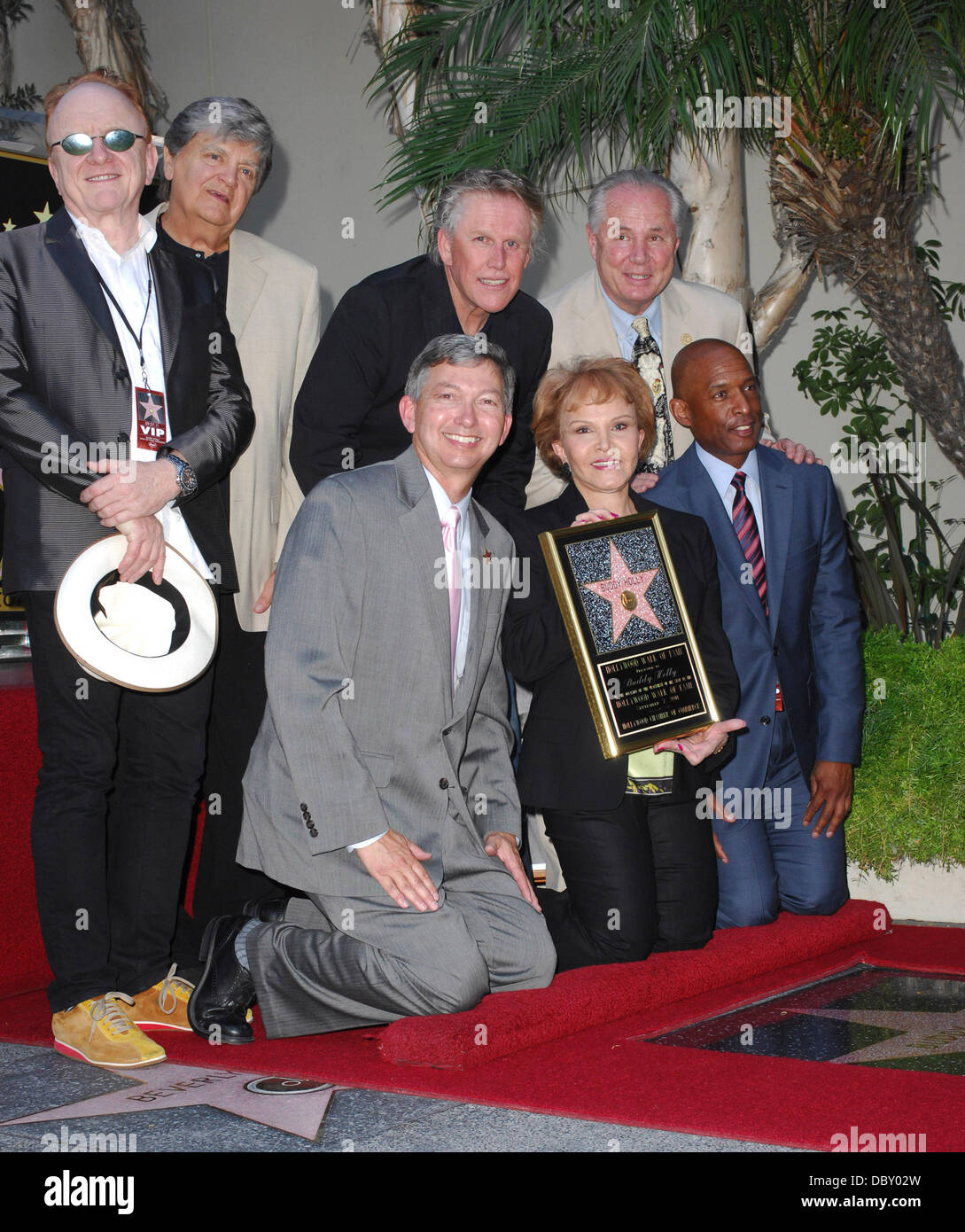
Maria Elena Holly Net Worth 2026: Evaluating the Legacy of a Rock Icon’s Estate
As of 2026, Maria Elena Holly possesses an estimated net worth of $20 million to $40 million. Her wealth is primarily derived from her role as the primary heir and steward of the Buddy Holly estate. This includes the perpetual royaltie...
As of 2026, Maria Elena Holly possesses an estimated net worth of $20 million to $40 million. Her wealth is primarily derived from her role as the primary heir and steward of the Buddy Holly estate. This includes the perpetual royalties from his music catalog, the management of his name and likeness rights, and international revenue from theatrical productions such as Buddy – The Buddy Holly Story.
Contents
The financial trajectory of Maria Elena Holly is a unique study in the management of intellectual property (IP). Following the tragic death of her husband, rock and roll pioneer Buddy Holly, in 1959, Maria Elena transitioned from a young widow to a formidable guardian of one of the most influential legacies in music history. Her net worth is not merely a reflection of past record sales but is the result of decades of strategic licensing, legal battles to reclaim rights, and the enduring cultural relevance of the "Bespectacled Boy from Lubbock."
The Foundation of the Holly Estate
The core of Maria Elena Holly’s wealth is rooted in the brief but explosive career of Buddy Holly. During his active years (1956–1959), Holly produced a string of hits including "That’ll Be the Day," "Peggy Sue," and "Everyday." Because Holly was a songwriter as well as a performer—a rarity for the era—the publishing rights associated with his work became significantly more valuable than those of artists who only provided vocals.
Upon Buddy's death in the infamous plane crash on February 3, 1959, Maria Elena inherited his estate. However, the initial financial situation was dire. Much of Buddy's earned income was tied up in legal disputes with his manager, Norman Petty. Maria Elena spent years navigating the complexities of 1950s music contracts to ensure that the royalties generated by Buddy's work were directed to his legal heirs rather than third-party entities.
Reclaiming Intellectual Property
A significant turning point for her net worth occurred when Maria Elena took an active role in managing the Buddy Holly Trademark. She successfully registered the name "Buddy Holly" and his iconic horn-rimmed glasses as protected trademarks. This maneuver allowed the estate to control and monetize any use of his image or name in merchandise, advertising, and film, preventing unauthorized commercial exploitation.
Primary Revenue Streams in 2026
By 2026, the revenue streams feeding into Maria Elena Holly’s net worth have evolved from physical vinyl sales to a diversified portfolio of digital and experiential assets.
Music Royalties and Streaming
Buddy Holly’s catalog remains a staple of the "Oldies" and "Classic Rock" genres. In the 2026 streaming economy, tracks like "Oh, Boy!" and "Rave On" continue to generate millions of plays monthly across platforms like Spotify and Apple Music. Unlike many of his contemporaries whose catalogs have faded, Holly's influence on the Beatles and the Rolling Stones ensures his music is frequently included in "essential" playlists, maintaining a steady flow of mechanical and performance royalties.
Theatrical and Film Rights
One of the most consistent contributors to the estate’s value has been the stage musical Buddy – The Buddy Holly Story. Since its debut in the late 1980s, the production has seen numerous international tours and long-running residencies. The estate receives a percentage of the box office receipts for every performance. Furthermore, synchronization licenses—the fees paid to use music in films, television shows, and commercials—provide high-value one-time payments that bolster the estate's annual income.
Licensing and Merchandise
The "brand" of Buddy Holly is synonymous with the birth of rock and roll. The estate manages licensing deals for everything from high-end collectible guitars (replicas of his 1954 Fender Stratocaster) to fashion collaborations featuring his signature eyewear. These deals are often structured with significant upfront advances and ongoing royalty percentages.
| Revenue Category | Primary Source | Estimated Annual Impact |
|---|---|---|
| Publishing Royalties | Songwriting credits for major hits | High |
| Performance Royalties | Radio airplay and digital streaming | High |
| Theatrical Licensing | Buddy – The Buddy Holly Story musical | Moderate-High |
| Name & Likeness | Brand collaborations and merchandise | Moderate |
| Sync Licensing | Use of music in movies and TV | Variable |
Historical Legal Challenges and Rights Management
The path to Maria Elena's current net worth was marked by significant legal hurdles. In the years following Buddy's death, the estate faced challenges regarding the ownership of master recordings and publishing rights. Maria Elena was instrumental in several lawsuits aimed at securing the rights from former associates and ensuring that the creative control remained with the family.
In the late 20th century, the estate became known for its vigorous protection of Holly's trademarks. This included legal actions against companies using Holly’s likeness without permission. While some critics viewed this as overly protective, financial analysts recognize it as a necessary strategy to maintain the "scarcity value" of the brand, which in turn preserves the high valuation of the estate.
The Role of the Buddy Holly Educational Foundation
While Maria Elena’s personal net worth is substantial, her legacy is also tied to her philanthropic work through the Buddy Holly Educational Foundation. Co-founded with Peter Bradley, the foundation focuses on providing musical education and instruments to new generations of artists.
This foundation serves a dual purpose: it fulfills a charitable mission and keeps Buddy Holly’s name relevant among younger demographics. By fostering new talent, the foundation ensures that the "Buddy Holly sound" continues to influence modern music, which indirectly supports the long-term value of the catalog. The foundation’s activities, such as the "Songwriter Retreats," attract high-profile modern artists, further cementing the estate's prestige in the 2026 music industry.
Maria Elena’s Early Life and Influence
To understand the stewardship of this wealth, one must look at Maria Elena’s background. Born in San Juan, Puerto Rico, she was working as a receptionist at Peer-Southern Music in New York City when she met Buddy Holly. Her proximity to the music publishing world gave her an early education in the value of song rights.
They were married on August 15, 1958, in Lubbock, Texas, only months before his passing. Maria Elena has often noted that Buddy was planning to move into record production and artist management before he died. This vision for the business side of music likely influenced her own approach to managing the estate over the last six decades.
Comparison with Other Legacy Estates
When compared to the estates of other 1950s icons, such as Elvis Presley or Marilyn Monroe, the Buddy Holly estate is smaller in total volume but higher in efficiency per asset. Because Holly’s career lasted only 18 months, the estate manages a relatively small number of songs. However, the "per-song" value is exceptionally high because nearly every track he recorded became a classic.
In 2026, many legacy estates have opted to sell their entire catalogs to private equity firms (like Hipgnosis or Primary Wave). Maria Elena has historically been more selective, preferring to maintain a degree of family control over the intellectual property, which has allowed for a slower but more controlled growth in net worth.
Potential Future Developments
Looking beyond 2026, the valuation of the Holly estate may see further increases through:
- AI Integration: The ethical use of Buddy Holly’s voice in AI-assisted new recordings or "hologram" tours, provided they are managed with the estate's approval.
- Biopic Projects: New film biographies or documentaries can cause a "spike" in streaming numbers, as seen with other music legends.
- Catalog Sales: Should the estate ever decide to sell the publishing rights in the 2026 market, the payout would likely exceed current net worth estimates significantly.
FAQs About Maria Elena Holly and the Estate
Who inherited Buddy Holly's money?
Maria Elena Holly was the sole beneficiary of Buddy Holly’s estate. While Buddy's parents were initially involved in certain aspects, the legal rights to his music and likeness were eventually consolidated under Maria Elena’s control.
Does Maria Elena Holly still own the rights to Buddy Holly's music?
She owns a significant portion of the rights, though various publishing deals over the decades have involved partnerships with major music groups. In 2026, the estate remains the primary decision-maker for the use of his name and image.
How much does the Buddy Holly musical make?
While exact figures are private, Buddy – The Buddy Holly Story is one of the most successful "jukebox musicals" in history. It has been performed tens of thousands of times globally, contributing millions in licensing fees to the estate since its inception.
Where does Maria Elena Holly live now?
Maria Elena has historically split her time between Dallas, Texas, and other locations. She remains private about her personal residence but continues to be active in the oversight of the Buddy Holly Educational Foundation.
Is Maria Elena Holly still involved in the music business?
Yes, primarily as an executive and steward. She oversees the licensing of Buddy’s music and works closely with the Buddy Holly Educational Foundation to promote music education.
Practical Recommendation for Researchers
For those interested in the financial management of legacy music estates, the case of Maria Elena Holly serves as a primary example of how trademarking a "likeness" (such as Buddy's glasses) can be as lucrative as owning the music itself. Researchers should look toward the Buddy Holly Educational Foundation for information on how the estate currently supports the arts, and the U.S. Copyright Office for records regarding the renewal of his seminal works.
Image Gallery