Understanding the Ring for Engagement Market: Trends, Valuation, and Consumer Behavior
Navigating the engagement ring market requires an understanding of shifting consumer preferences, shifting material costs, the rise of lab-grown alternatives, and the evolving retail landscape that balances digital discovery with tradi...
Navigating the engagement ring market requires an understanding of shifting consumer preferences, shifting material costs, the rise of lab-grown alternatives, and the evolving retail landscape that balances digital discovery with traditional brick-and-mortar craftsmanship.
Contents
The global engagement ring market represents a multi-billion-dollar sector deeply influenced by macroeconomic factors, cultural traditions, and technological innovations. Whether you are a consumer looking to make an informed purchase, an industry analyst, or an entrepreneur entering the jewelry space, understanding how this market operates is essential for decoding value, quality, and pricing dynamics. This comprehensive guide explores the structural components, diamond and gemstone grading standards, pricing realities, and future trajectory of the engagement ring industry.
Macroeconomic Factors and Market Overview
The engagement ring market functions at the intersection of luxury retail, emotional significance, and commodities trading. Unlike fast-moving consumer goods, fine jewelry purchases are closely tied to consumer confidence, marriage rates, and disposable income levels.
Economic Drivers and Consumer Demographics
Generational shifts heavily influence how engagement rings are bought and sold. Millennial and Generation Z consumers prioritize ethical sourcing, supply chain transparency, and customization over traditional, mass-produced luxury brands. This has forced legacy jewelers to adapt their sourcing strategies, placing a heavy emphasis on conflict-free diamonds, recycled precious metals, and traceable provenance.
Furthermore, the average age of first-time marriage has risen in many developed economies, giving consumers higher average disposable incomes at the time of purchase. Consequently, the average spend per engagement ring has seen steady adaptation, with buyers often opting for larger stone sizes or higher quality specifications made possible by alternative stone choices.
Retail Evolution: Omnichannel and Direct-to-Consumer
The modern engagement ring market is characterized by a hybrid shopping experience. While online research, 360-degree video inspection, and virtual try-on tools dominate the initial discovery phase, a significant majority of consumers still complete the final transaction in a physical showroom. Direct-to-Consumer (DTC) brands have disrupted traditional markup models by cutting out middlemen, allowing buyers to inspect loose stones and custom-design settings either online or in appointment-only showrooms.
The Gemstone Segment: Natural Diamonds, Lab-Grown Stones, and Alternatives
The core financial and aesthetic value of any engagement ring typically lies in its center stone. The market is broadly divided into three categories: mined natural diamonds, lab-grown diamonds, and alternative colored gemstones.
| Gemstone Type | Primary Market Advantage | Common Market Disadvantage |
|---|---|---|
| Mined Natural Diamonds | Long-term resale value, tradition | Higher cost, ethical/mining concerns |
| Lab-Grown Diamonds | 40-70% lower cost, identical physics | Lower long-term resale value |
| Colored Gemstones (Alt) | Unique aesthetics, lower cost/ct | Lacks standardized grading scales |
Natural Diamonds and the 4Cs
Natural diamonds continue to hold a dominant share of the luxury emotional-purchase market, largely sustained by centuries of tradition. Valuation relies strictly on the GIA (Gemological Institute of America) 4Cs grading system:
- Carat: Measures weight, directly impacting physical size and rarity.
- Color: Ranges from D (colorless) to Z (light yellow or brown), with colorless stones commanding the highest premiums.
- Clarity: Evaluates internal inclusions and external blemishes under 10x magnification, ranging from Flawless (FL) to Included (I3).
- Cut: Assesses how well a diamond’s facets interact with light, encompassing proportion, symmetry, and polish. Cut is widely considered the most critical factor in determining brilliance.
The Rise of Lab-Grown Diamonds
The most disruptive force in the contemporary engagement ring market is the mass adoption of lab-grown diamonds. Created via High-Pressure High-Temperature (HPHT) or Chemical Vapor Deposition (CVD) methods, these stones share the exact optical, chemical, and physical properties of mined diamonds.
Because of scalable production, lab-grown diamonds trade at a significantly lower price point than their mined counterparts—often 40% to 70% cheaper for equivalent 4Cs specifications. This price differential allows consumers to purchase significantly larger or higher-purity stones within the same budget, reshaping consumer expectations of luxury value.
Alternative Center Stones
Moissanite, sapphires, emeralds, and morganite have carved out substantial market niches. Moissanite offers exceptional brilliance and a high hardness rating on the Mohs scale at a fraction of the cost of diamond, making it a popular choice for budget-conscious or design-forward buyers. Colored precious stones appeal to those seeking non-traditional aesthetics and personalized storytelling in their jewelry design.
Precious Metals and Setting Craftsmanship
Beyond the center stone, the metal band and structural setting account for a major portion of the ring’s total cost and structural integrity.
Choosing the Right Metal
Precious metal selection depends on durability, skin sensitivity, color preference, and maintenance requirements:
- Platinum: Highly durable, naturally white, hypoallergenic, and dense. It develops a patina over time, which many vintage enthusiasts prefer, though it requires occasional polishing to maintain a mirror finish.
- 14k and 18k Gold: Available in yellow, rose, and white variations. White gold is an alloy plated with rhodium to achieve a bright silver finish, which wears down over time and requires periodic re-plating. 18k gold contains a higher percentage of pure gold than 14k, making it softer and more prone to scratching.
Setting Styles and Structural Integrity
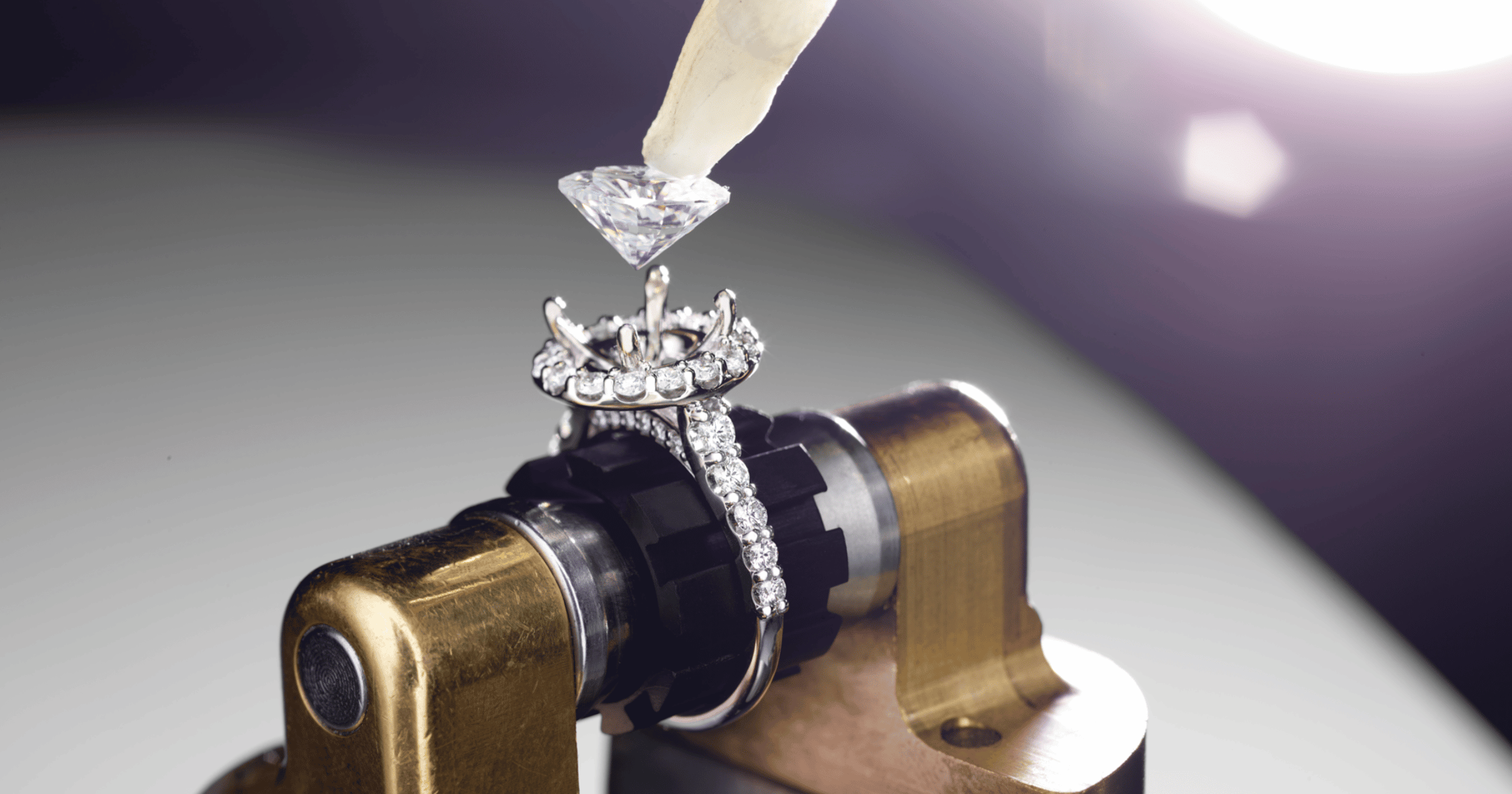
The security of the center stone depends heavily on the mounting style. Prong settings maximize light entry but require regular inspection to ensure prongs do not loosen. Bezel settings encircle the stone in a metal rim, offering superior protection and snag-free daily wear, making them ideal for active lifestyles. Pave and halo settings add visual weight and micro-diamonds around the center stone, increasing overall labor and manufacturing complexity.
Cost Considerations and Budgeting Strategies
Navigating the financial aspect of the engagement ring market requires separating marketing myths from market realities. The outdated rule of thumb suggesting a spend of two to three months' salary is a historical marketing construct rather than an economic mandate. Modern buyers approach budgeting based on personal financial health, total asset allocation, and stone valuation fundamentals.
When purchasing a ring, hidden costs can accumulate quickly. Buyers should factor in:
- Independent Appraisals: Necessary for scheduling insurance coverage.
- Ring Insurance: Specialized jewelry insurance policies typically cost 1% to 2% of the replacement value annually, protecting against loss, theft, and damage.
- Maintenance and Sizing: Many retailers include complimentary resizing and routine cleaning, but off-market adjustments can incur unexpected fees.
Frequently Asked Questions
What is the difference between mined and lab-grown diamonds in terms of appearance?
Visually and chemically, lab-grown and mined diamonds are indistinguishable to the naked eye and even under standard jeweler's loupes. Specialized spectroscopic equipment is required in a gemological laboratory to detect growth remnants or nitrogen impurities that differentiate natural formations from controlled laboratory environments.
Do engagement rings retain their resale value?
Fine jewelry generally does not act as a liquid financial investment. Mined diamonds retain a fraction of their retail price upon resale due to retail markups, while lab-grown diamonds have a lower resale market due to falling production costs. Buyers should view engagement rings as consumer luxury goods rather than financial assets.
How can I verify the quality of a diamond before purchasing?
Always request an independent grading report from a reputable gemological laboratory, such as the GIA or AGS (American Gem Society). Avoid purchasing uncertified stones or those graded by internal, non-standardized retailer laboratories, as grading standards can be overly subjective.
What is the most durable metal for a daily-wear engagement ring?
Platinum is the most durable and dense precious metal used in jewelry. While it scratches, the metal is displaced rather than lost (unlike gold, which wears away microscopically over time), making it exceptionally long-lasting.
Can custom-designed engagement rings be returned?
Most retail jewelers have strict no-return or restocking-fee policies for custom-designed settings because the bespoke configuration cannot easily be resold. Always confirm return policies and CAD rendering approvals before authorizing final manufacturing.
Conclusion and Next Actions
Understanding the ring for engagement market empowers buyers to cut through marketing noise and make value-driven decisions. Start your purchasing journey by defining your budget, researching reputable jewelers who provide transparent sourcing, and comparing the structural and financial trade-offs between natural and lab-grown stones. Prioritize certified quality reports for the center stone and select a setting that aligns with the recipient's daily lifestyle and aesthetic preferences.
Image Gallery